A Lake District work in progress
3 January 2026
By: James Lennox
What should any self-respecting gardener do at the end of a very testing drought? Well, this one offered up a prayer for rain in his absence and hot-footed it to somewhere reliably wet for a change of scene. There’s only so long I can bear to look at slowly crisping foliage and underperforming borders before I get the urge to go off and cast my eye over someone else’s efforts.
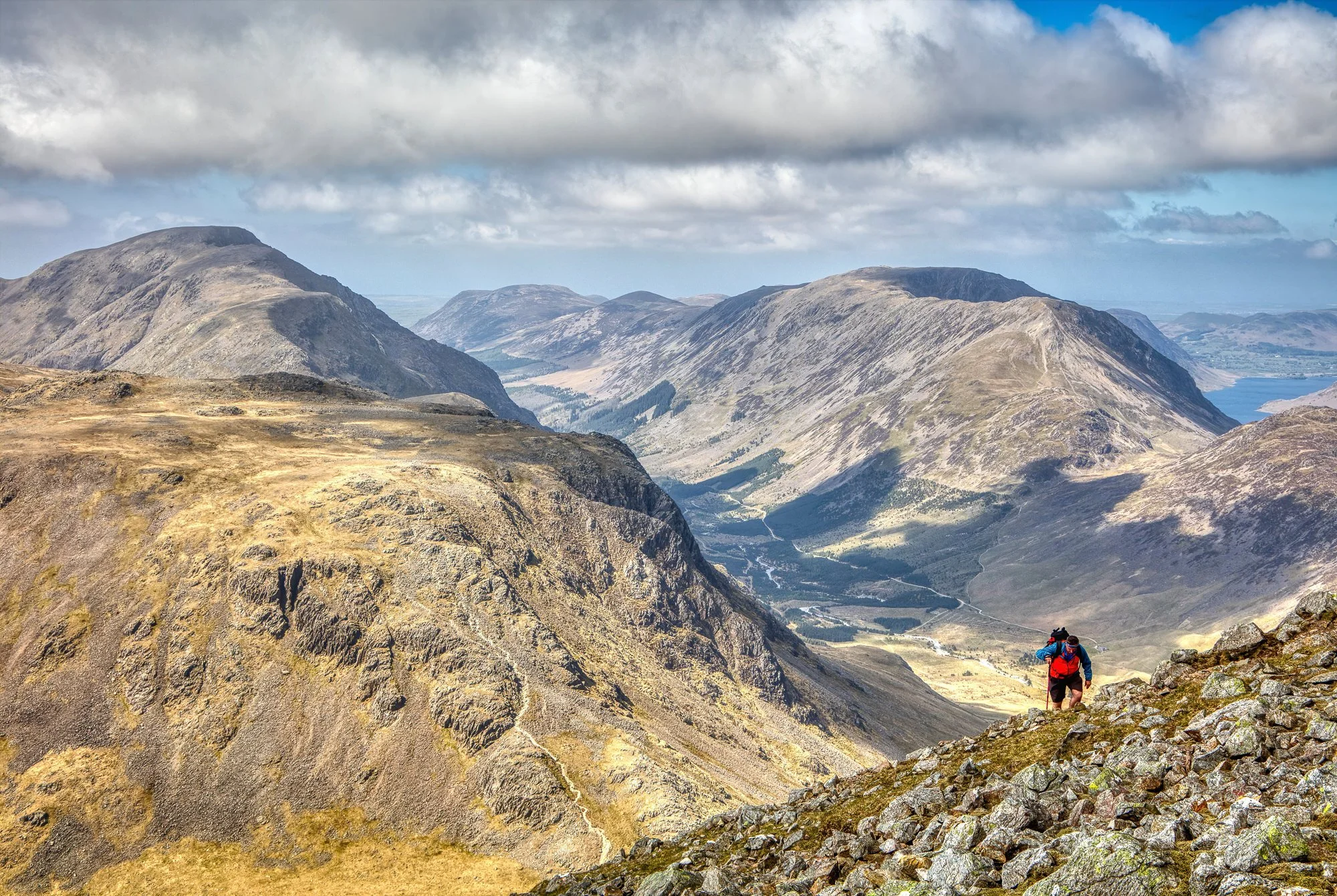
The first port of call on this year’s autumn odyssey was the Lake District, a notoriously damp part of the world even by British standards. I’ve climbed every mountain there that I ever want to (a youth mis-spent above the treeline), so it was high time I got acquainted with its gardens. I was in sore need of green inspiration, lush planting and soothing swards.
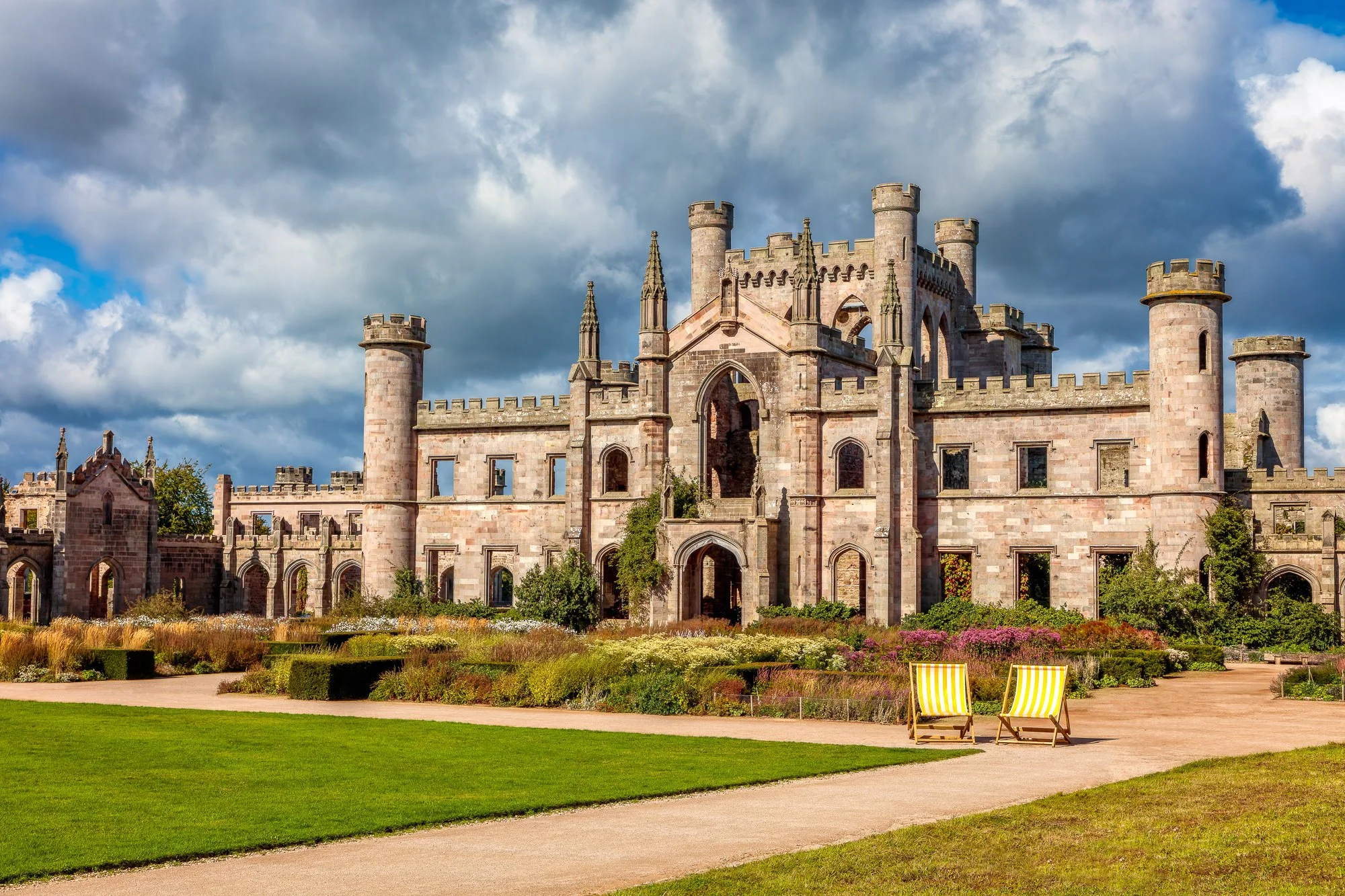
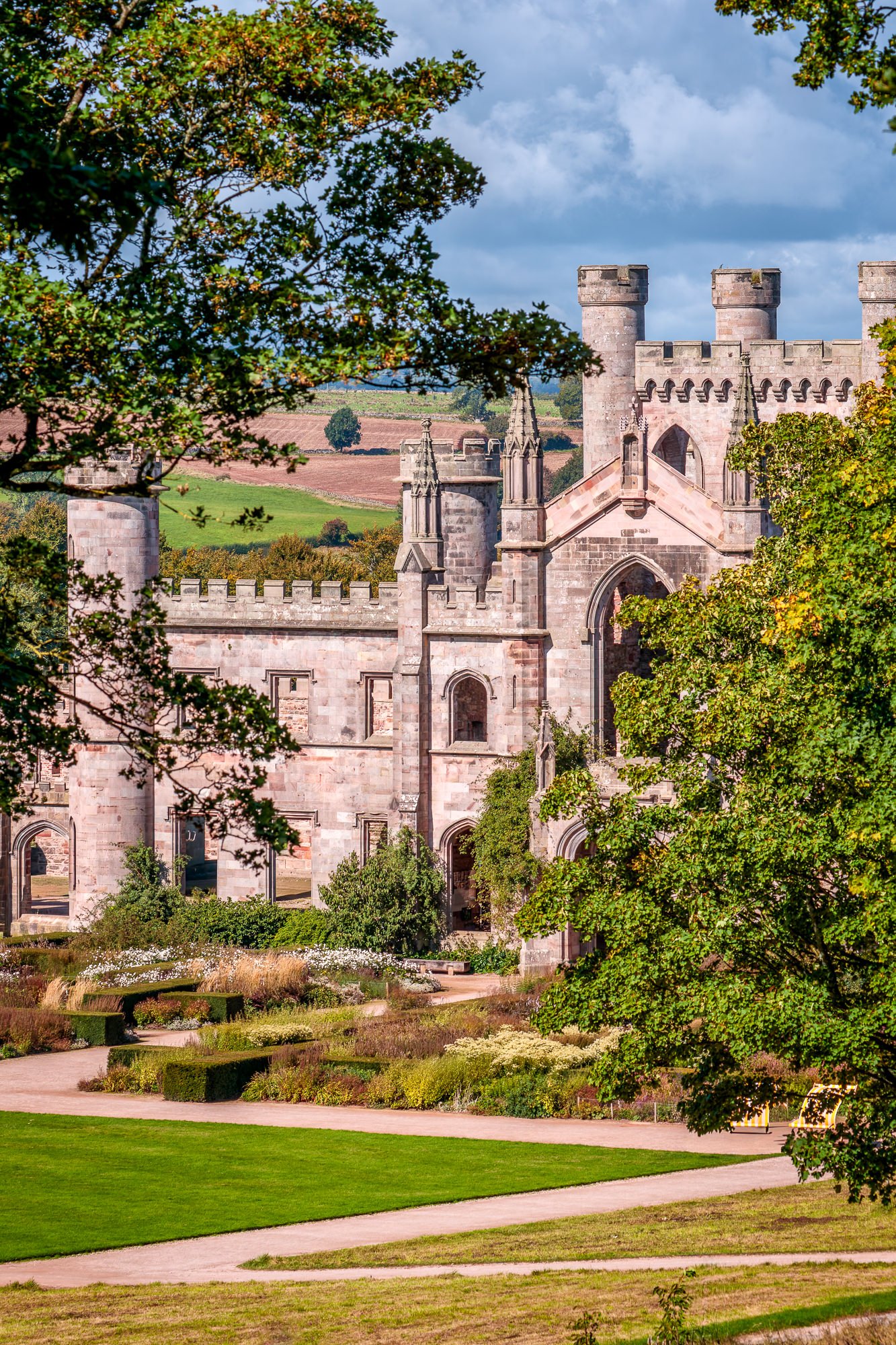
Lowther Castle should have ticked all the boxes. It’s got a quirky backstory (potted version: impecunious aristo decides to economise by removing the roof of his house to do away with the need for housemaids) and serious garden design credentials (courtesy of Dan Pearson, responsible for the masterplan of an ongoing 20 year re-imagining). As a result it’s gained plenty of (at times) fawning coverage and free publicity ever since the scheme was first unveiled.
And yet it didn’t quite hit the spot. Some gardens, one senses, are intended to impress photographers more than visiting gardeners. On the page or on the screen, these gardens look impeccable, immaculately composed, clean and serene. Inviting angles abound, views are framed, eye-catchers lead on. On the ground, though, they can all too often appear sterile, devoid of emotion, disjointed and uninspiring.

Lowther Castle is, I’m afraid to say, a photographers’ garden. It’s also unashamedly, first and foremost, a visitor attraction. Dogs are walked, legs are stretched, cups of tea are consumed. And it’s very much a work in progress. Reviewing it and forming an opinion at this stage in the development of a garden feels somewhat premature. But if you open to the public and charge them handsomely, “notes” (in the theatrical sense) are to be expected.
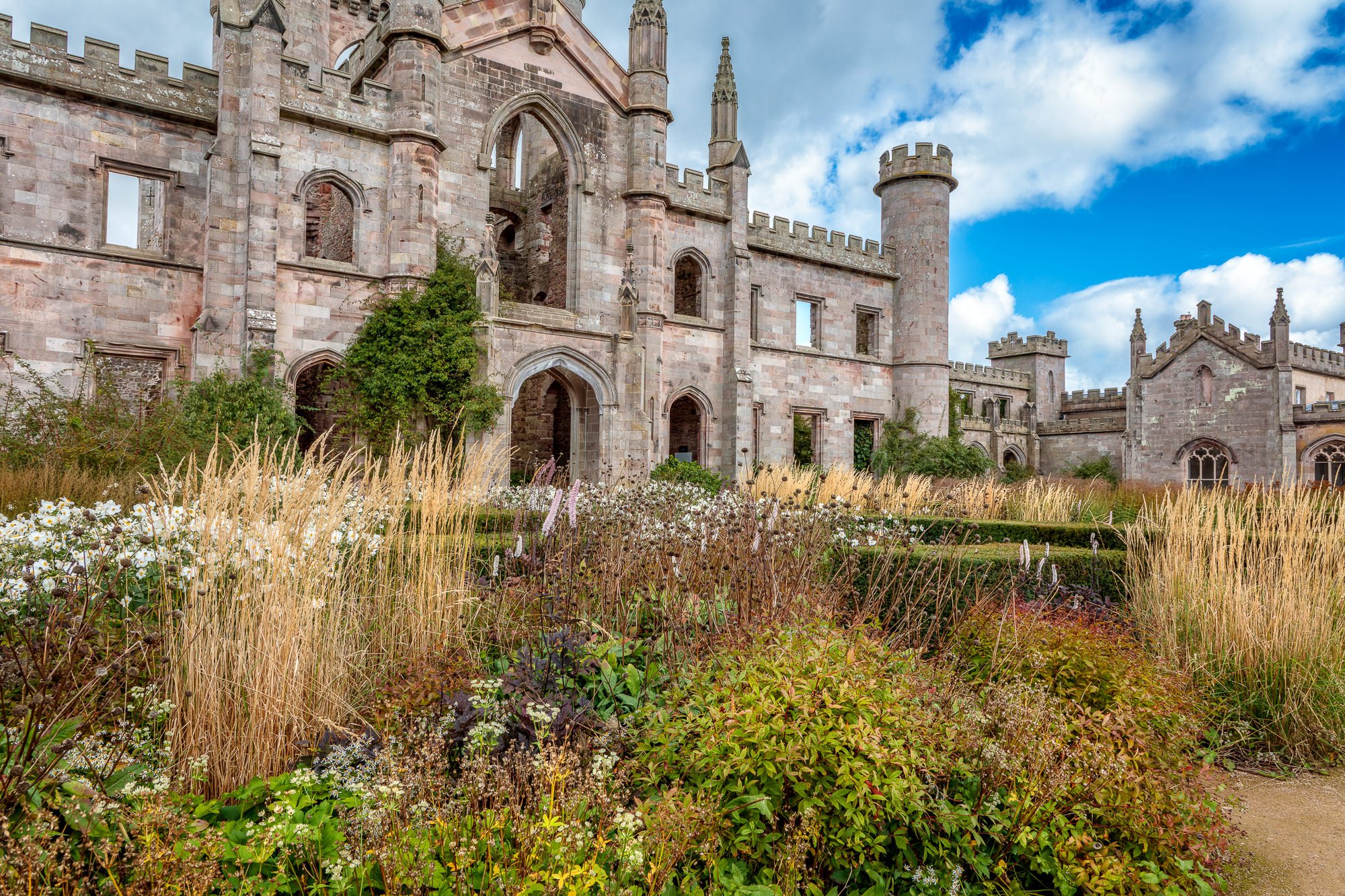
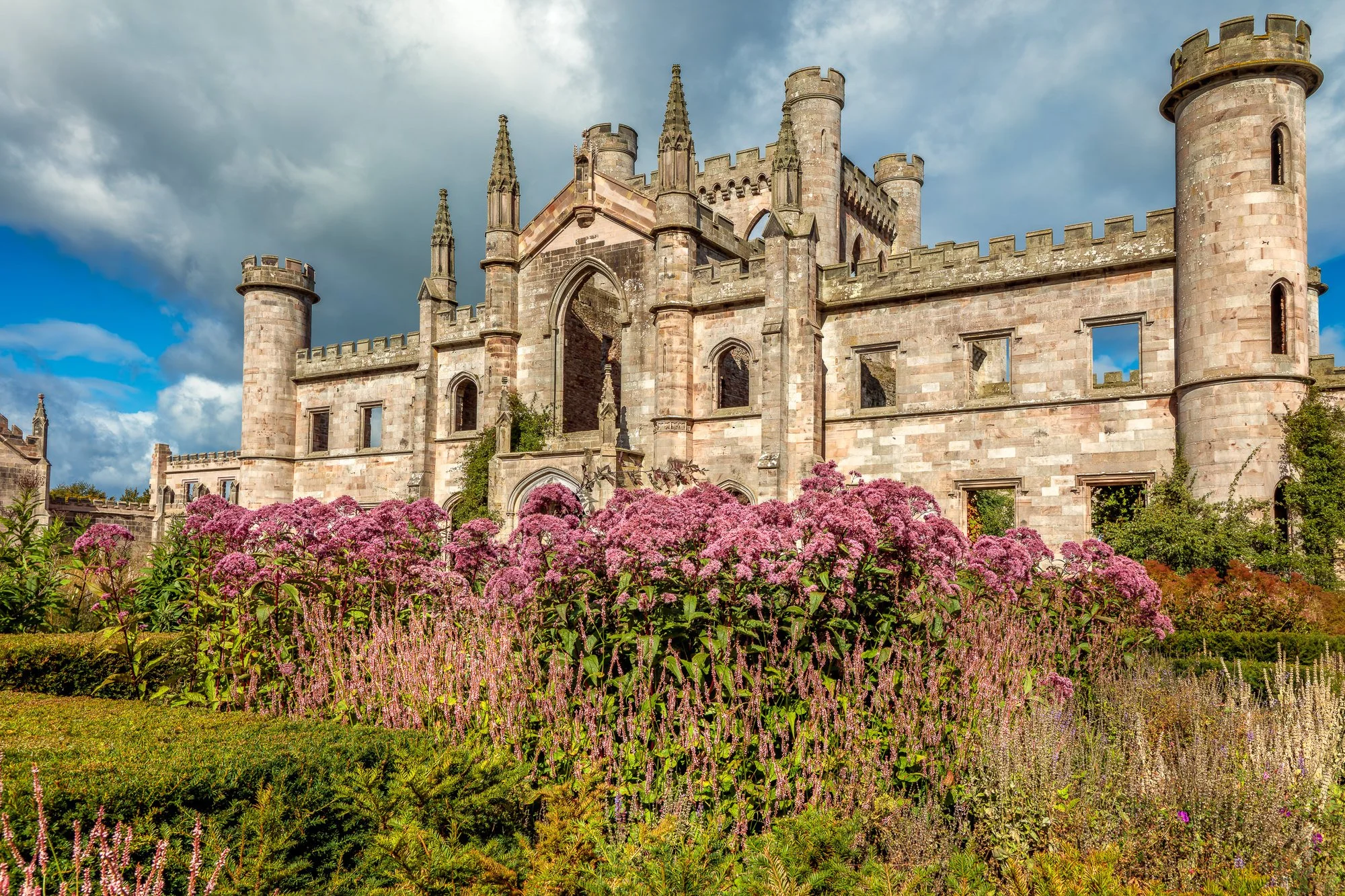
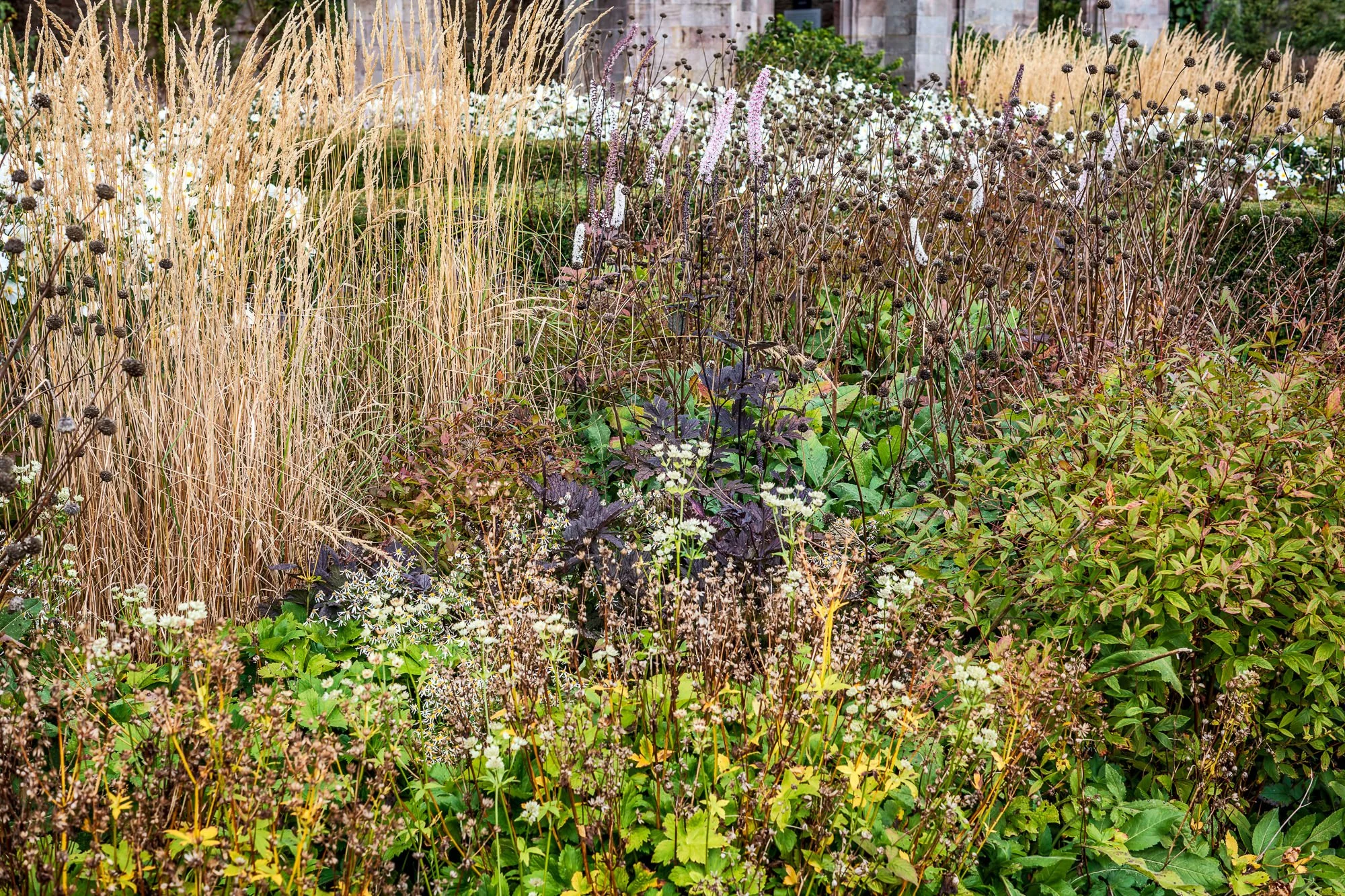
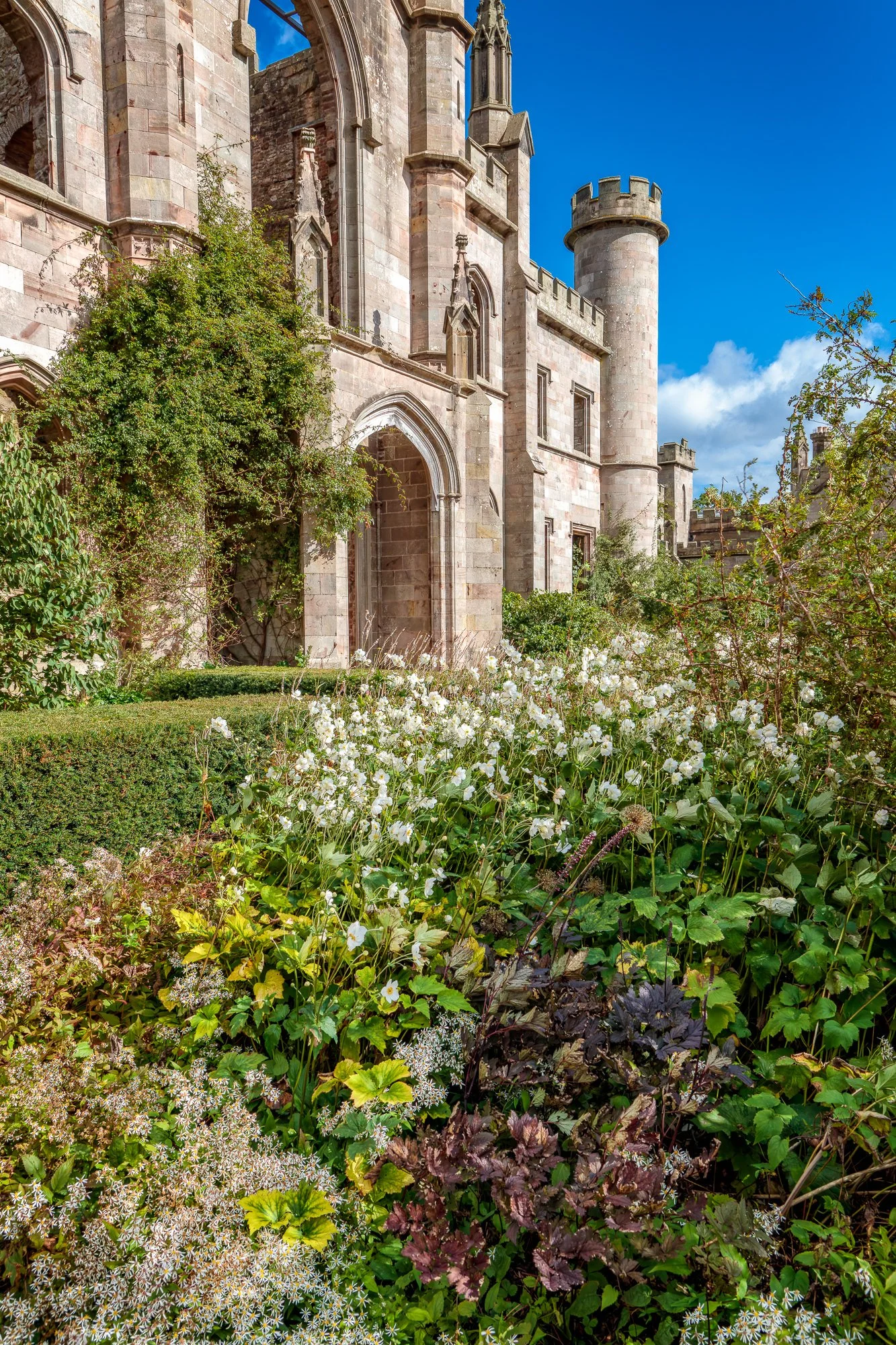
The most established areas are the Parterre and the Garden-in-the-Ruins. The former is the more impressive visually. The illegitimate offspring of a Tudor knot garden and a Victorian exercise in bedding-out, the Parterre fills the space directly below the ruinated castle and is an imaginative and generally successful re-working of traditional forms. While the plant palette is limited (perhaps an instance of a designer playing it safe in a challenging climate far removed from his usual more southerly stomping ground), the herbaceous stalwarts backed by clipped yew provide the required pops of colour and textural blocks. Selinum wallichianum, Actaea simplex (Atropupurea Group) ‘James Compton’,Symphyotrichum turbinellum, Hemerocallis ‘Hyperion’ (one to add to the collection) – all dependable doers and nothing to frighten the horses.
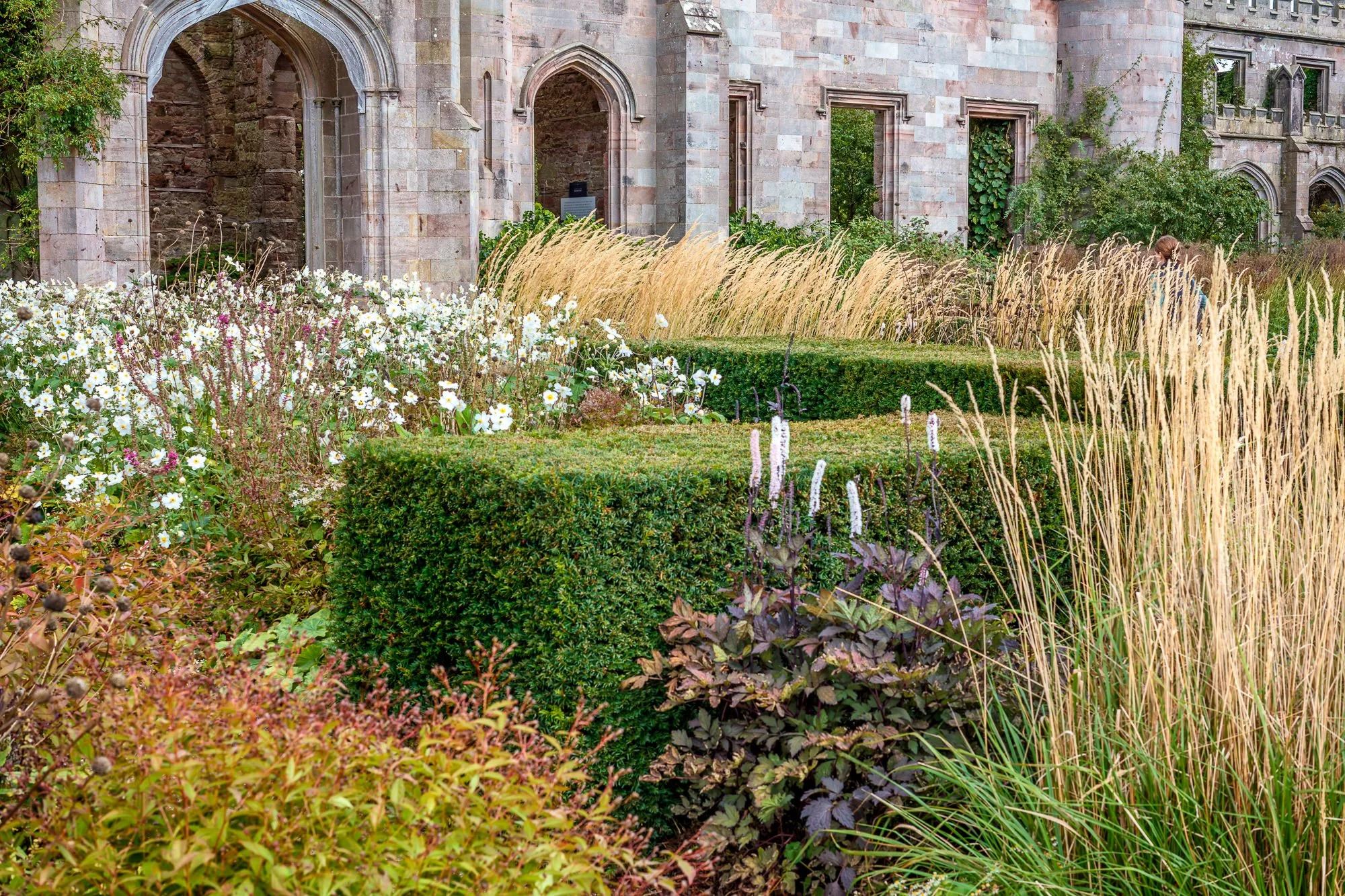
The impact of this area is diminished somewhat by two major shortcomings. Parterres should be viewed from above, preferably from a first-floor window or these days a drone, or the planting should be kept so low to the ground that it’s possible to see the intricate pattern while standing next to it. Here there is no access to an upstairs room and the planting, in particular the yew, has (presumably deliberately) been allowed to grow to head height. The effect is of walking through a spacious maze while having the tops of the grasses and taller perennials at eye level blocking the view through. A curiously flat and static two-dimensional effect is the unsatisfying result – a tableau to be admired laterally.
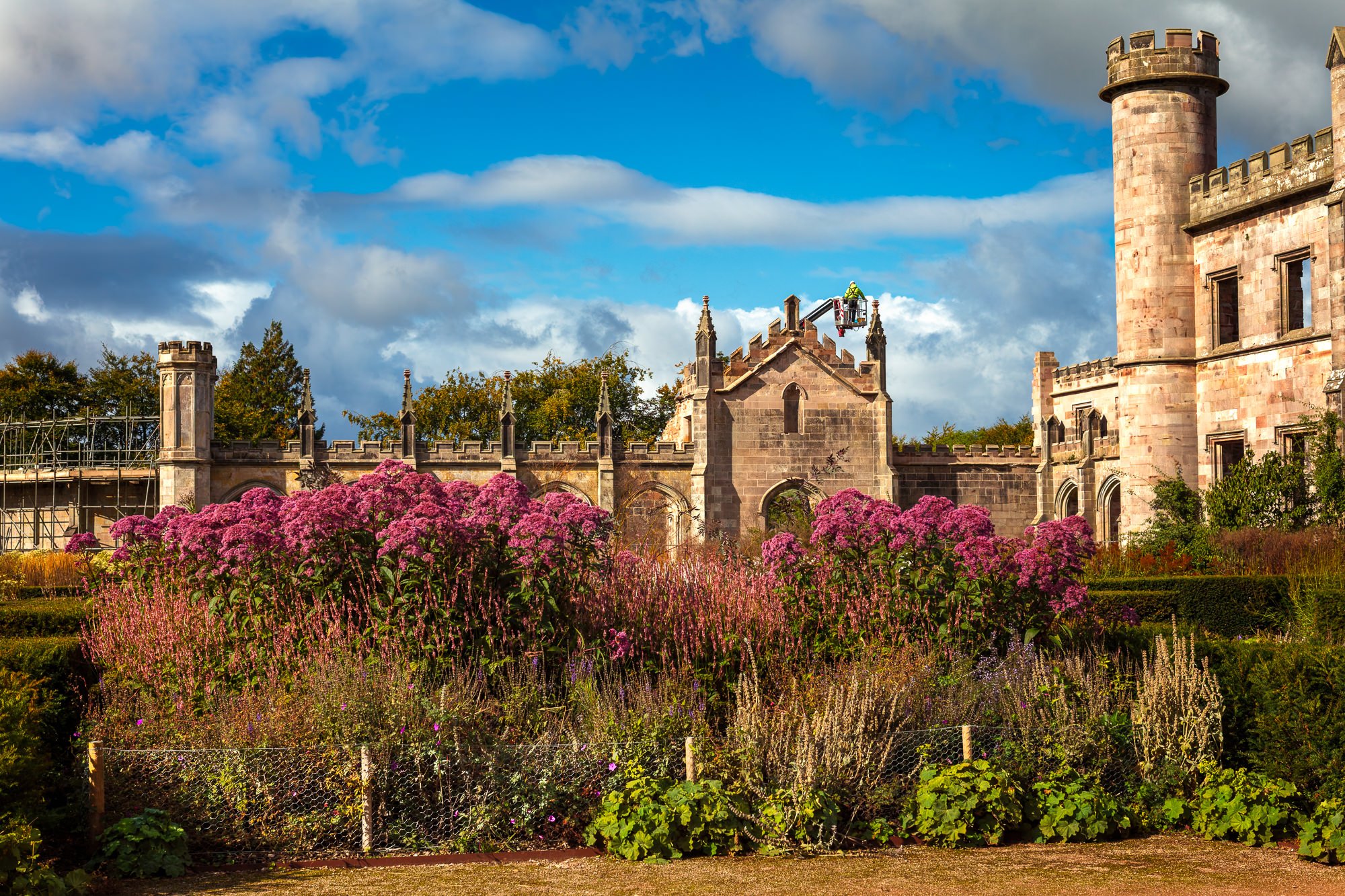
The second shortcoming is unforgivable in a garden open to the public. Each planted subsection of the Parterre is individually edged in rabbit wire. And it’s a hideous distraction. Either change the planting to make it less palatable to rabbits or find a less jarring way of excluding the blighters. Install a disguised rabbit-proof perimeter to encompass the whole Parterre, trap them for the pot or “accidentally” release a strong dose of myxomatosis into the local population – anything would be preferable to the current unsightly arrangement.
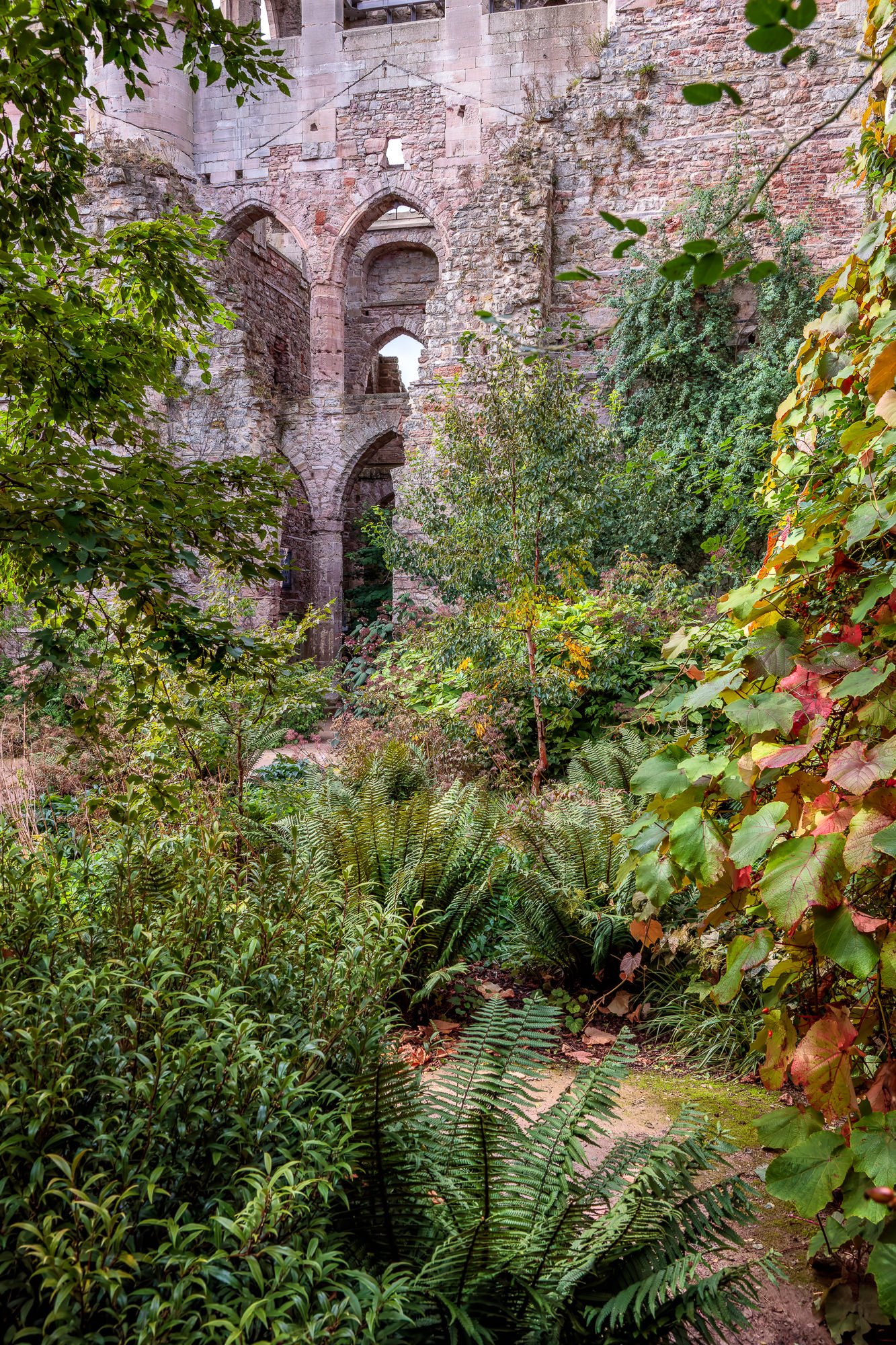
The Garden-in-the-Ruins seems less troubled by the furry foe. What should be an atmospheric woodland-esque space within the walls of the castle instead comes across, though, as slightly dank and depressing. I had hoped for an air of romantic decay, a hint of the old sic transit gloria mundi, but no such luck.
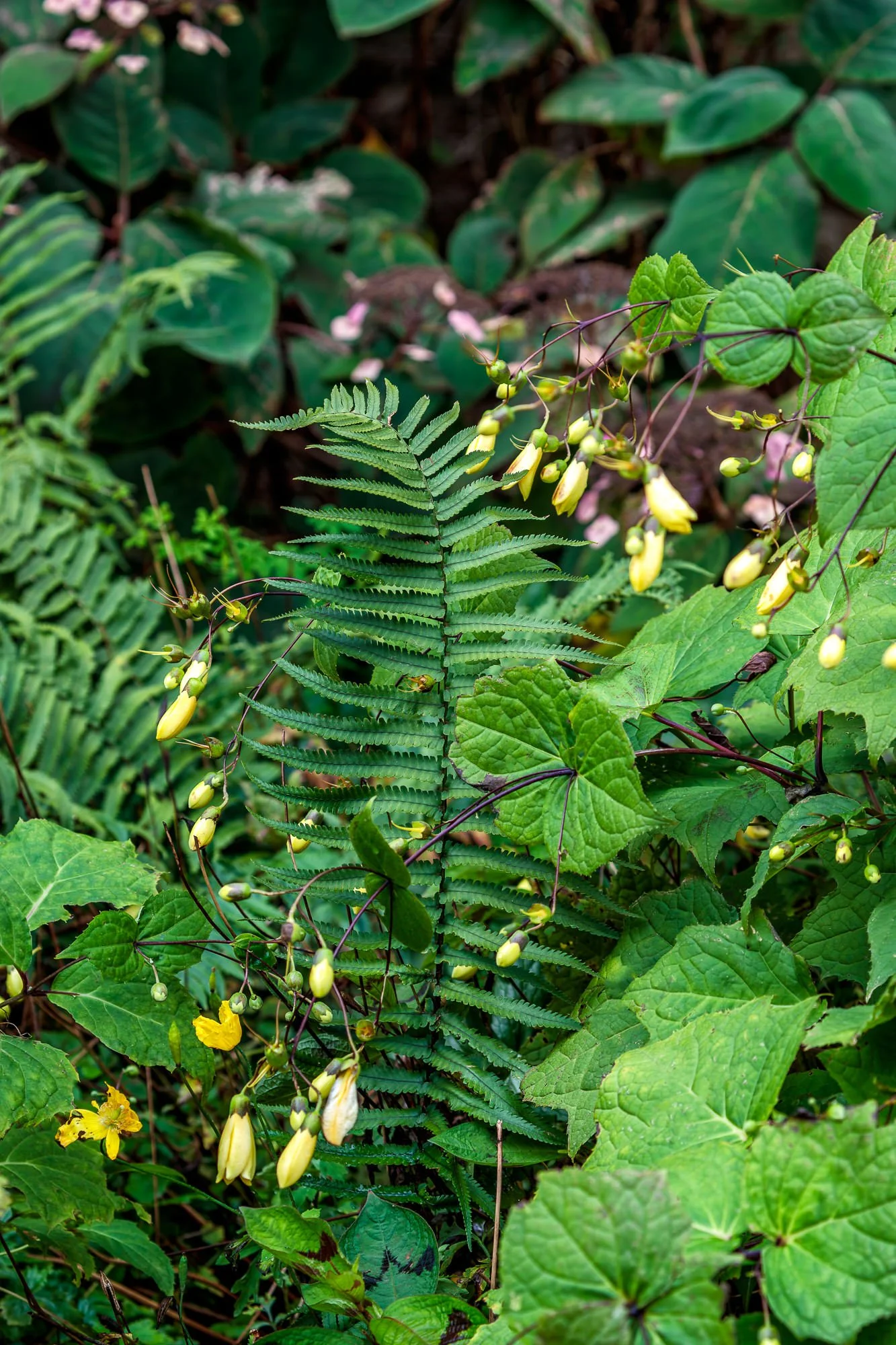
Admittedly September is probably not the finest hour for woodland planting, but the cheery yellow bells of repeatedKirengeshoma palmata were doing an awful lot of the heavy lifting.
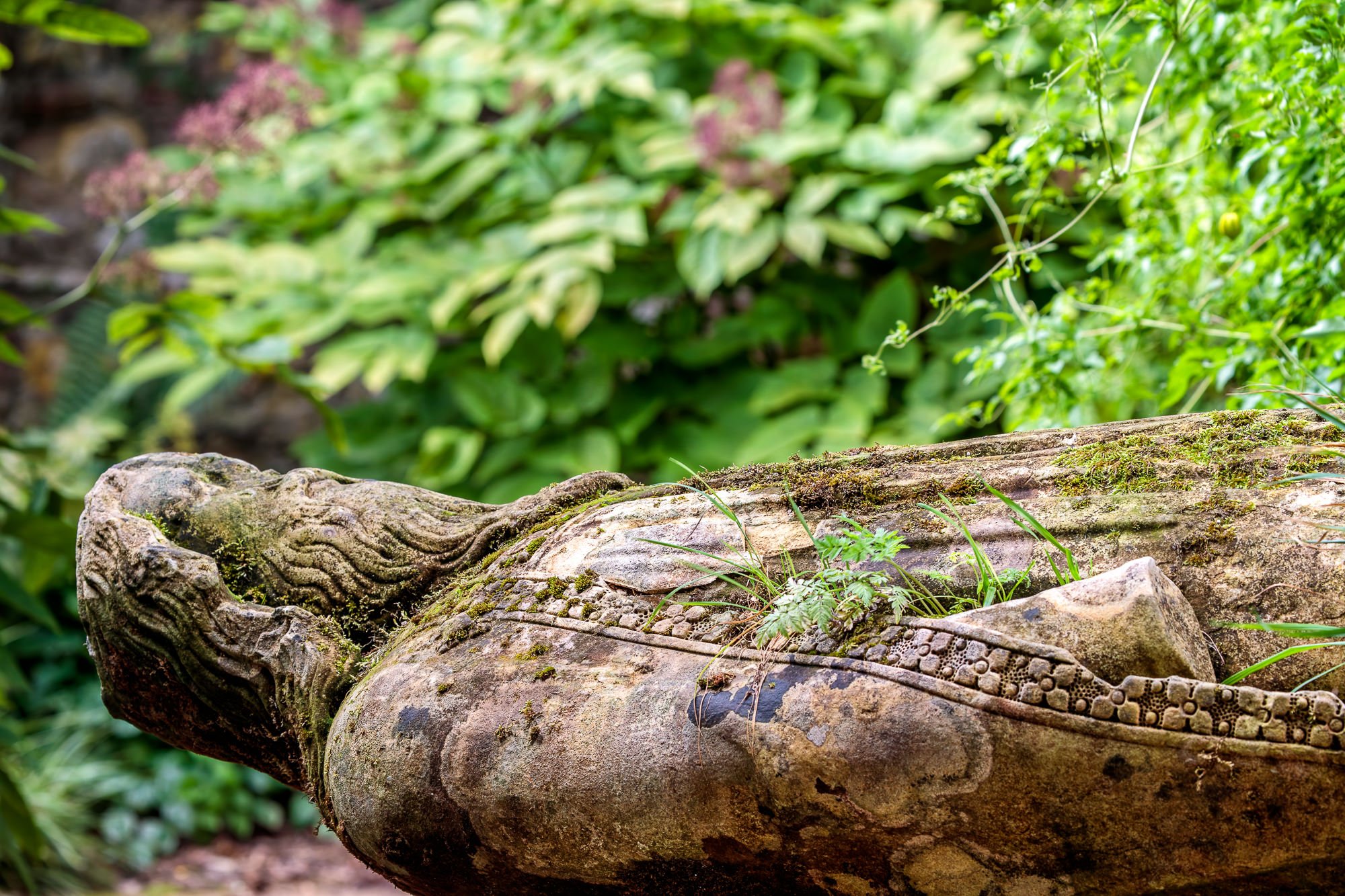
There are some fine moments (a fallen statue here, a curtain of climber there) and Cornus ‘Norman Hadden’ (a personal favourite and surprisingly hardy) and Tropaeolum speciosum add a welcome touch of sophistication to the planting. But northern lighting and the too too solid stone walls deaden any attempt to lift the gloom.
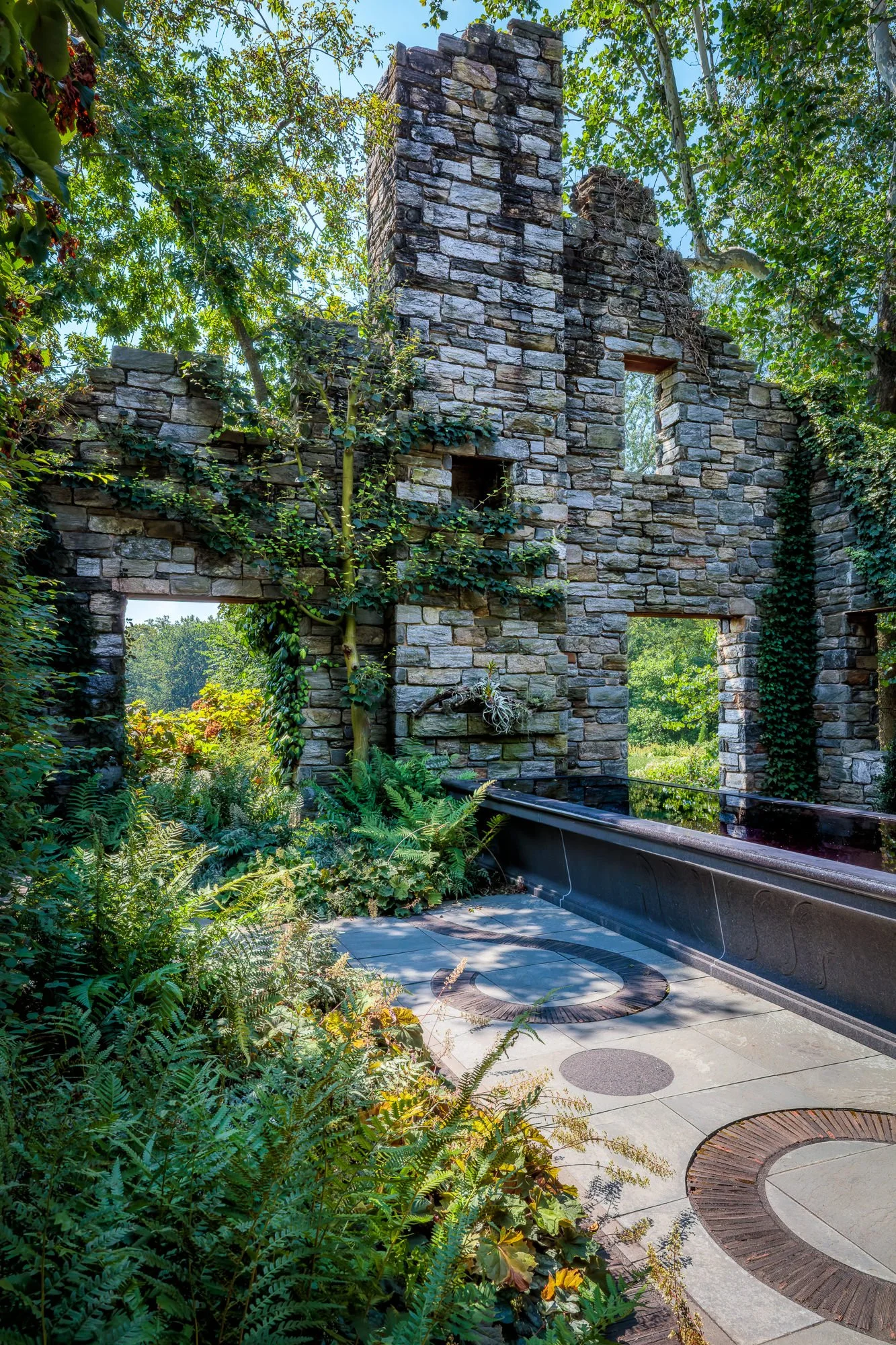
While garden comparisons are invidious, they can instruct. This gardened ruin struck me as markedly less successful than Chanticleer’s version outside Philadelphia where a lightness of touch animates the stonework.
Further afield, the signs are encouraging that there will soon be more for the garden visitor to enjoy. An orchard of full-sized apple trees (none of this twee step-over nonsense) holds the space below the castle walls well while a slightly stranded Roman bath waits for its surrounding planting to catch up.
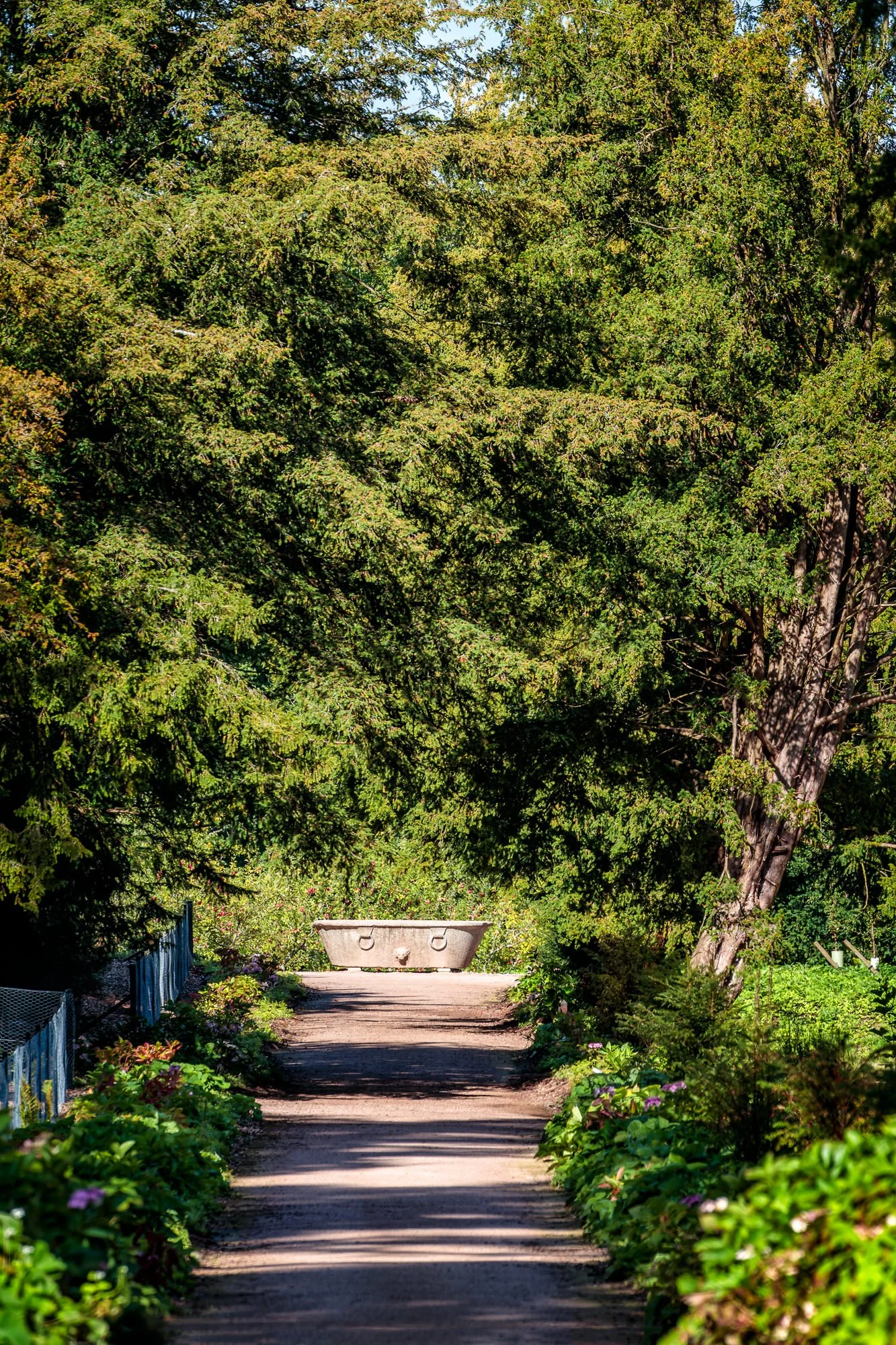
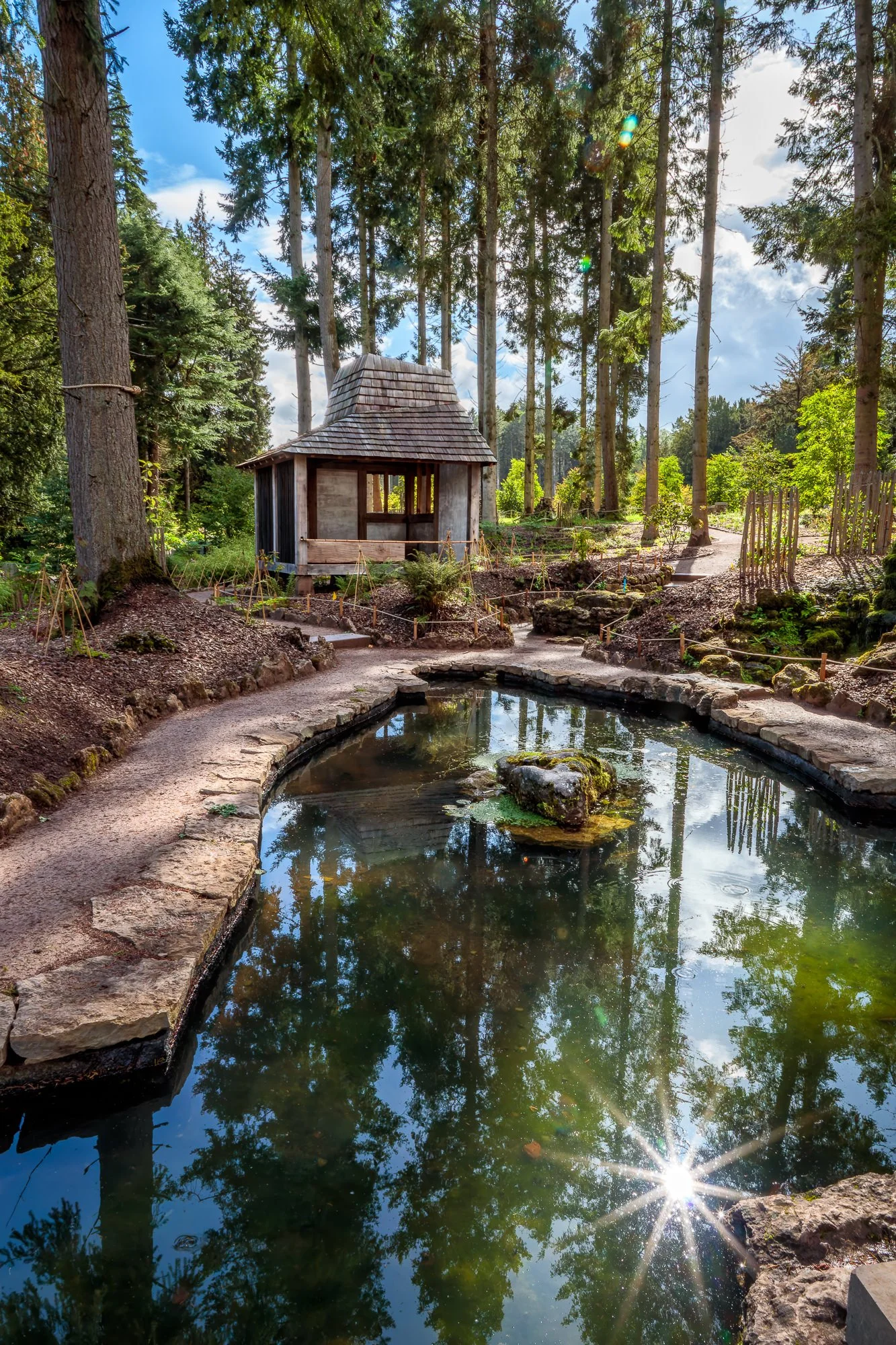
The Edwardian era Rock Garden has been cleared and the stones steadied ready for the planting to take hold. The progress made in the Japanese Garden bodes well – already there is an inviting atmosphere created by those essential elements of water, dappled light and beautifully crafted structures. It’s always reassuring to see ferns going in the ground in great quantities. Give it a couple of years and it should have filled out rather nicely.
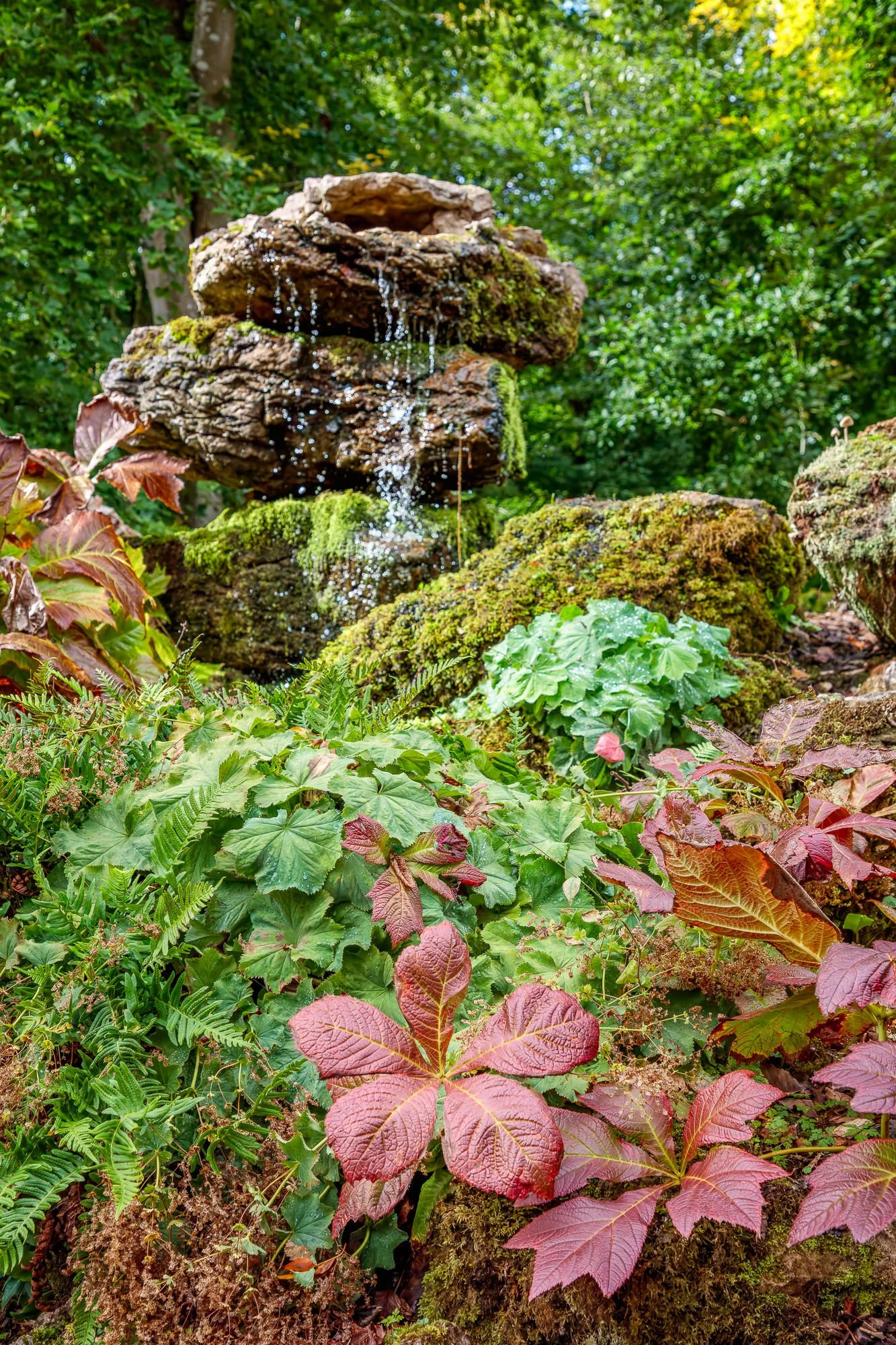
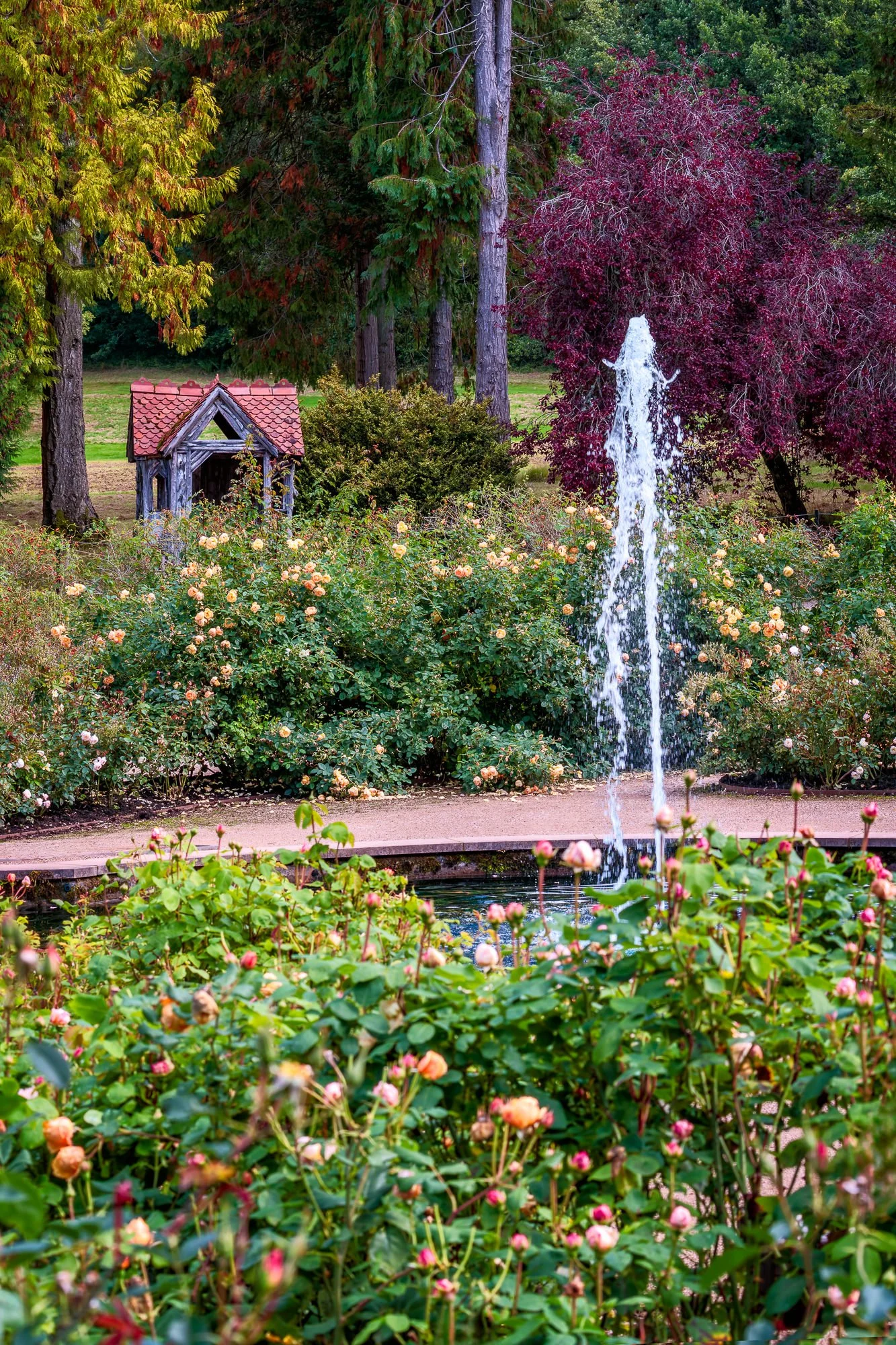
While there’s still quite a lot of bare earth on display in these areas, the Rose Garden has been ticked off and declared open for business. Of course, no Victorian or Edwardian garden worth its salt would have been without one, but here the overwhelming impression is of a clear commercial imperative dictating the order in which the restoration is happening. First highlight the castle, then draw visitors into the wider estate with a guaranteed crowd-pleaser.
And it works, up to a point. There is a sea of David Austin’s finest (including those glamorous beauties ‘Darcey Bussell’, ‘Lady Emma Hamilton’ and ‘Munstead Wood’) arranged in swirling patterns perhaps best appreciated again from a drone. On the ground, the design had been slightly lost by September in a sprawling thicket of vigorous growth. Where the Parterre keeps the visitor at arm’s length with its overly generous paths and anti-rabbit fortifications, here the danger is of being slightly too immersed, entangled even. Unfortunately, no-one really wants that in a Rose Garden.
To date, very little has been done elsewhere in the 130 acres of garden. Paths snake through some of the forestry-style plantations (one leading to the obligatory children’s playground) and obvious areas of neglect have been tidied up, although work still needs to be done to shore up some of the outlying garden buildings. One of the finest views looks out beyond the garden from the Western Terrace down into the Lowther Valley – a reminder that, various quibbles aside, it is still a remarkable undertaking to carve a cultivated garden out of such an unforgiving landscape. And easy to see why a previous generation thought it wasn’t worth the candle.
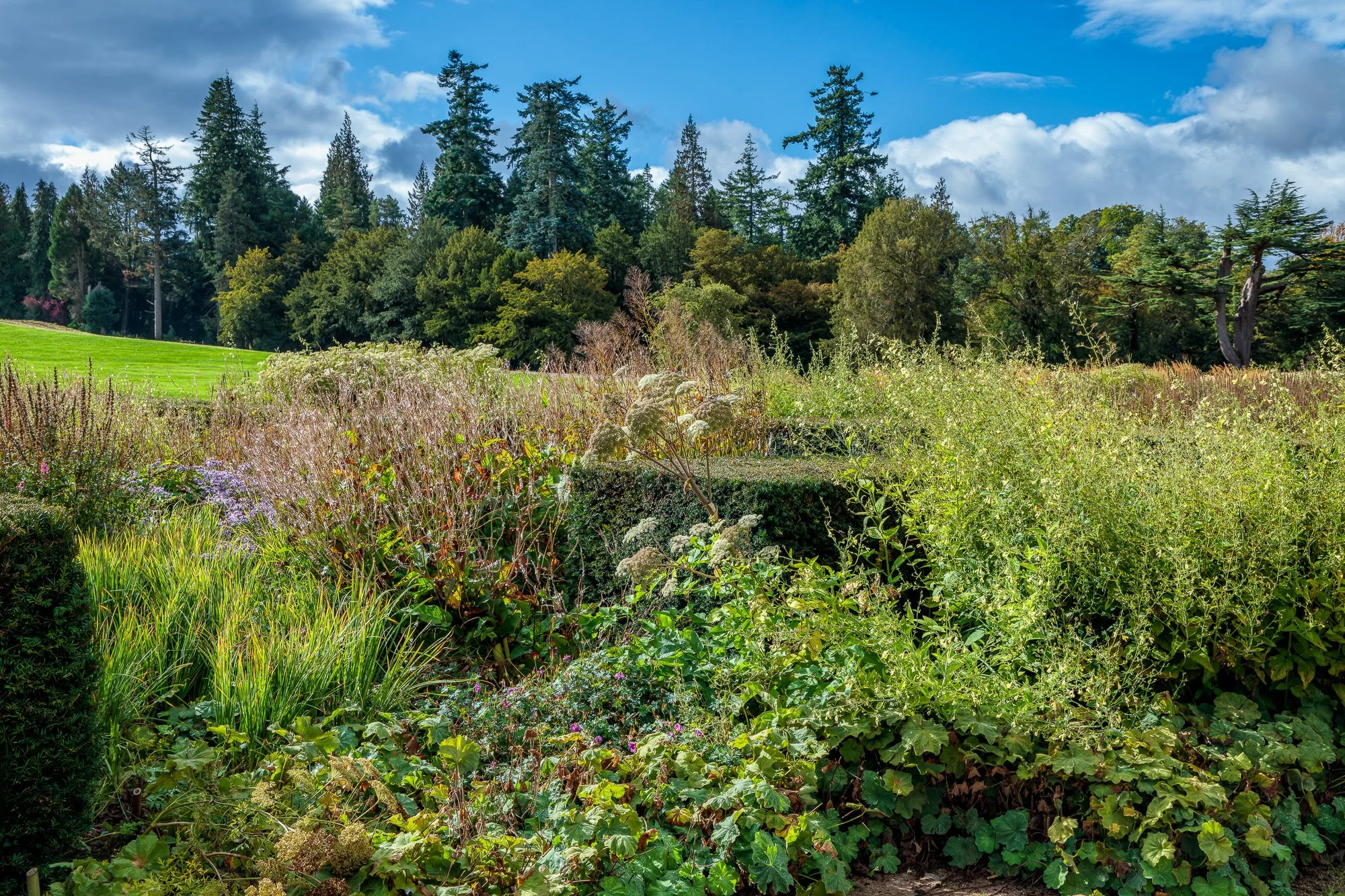
Lowther is a vast space dominated by a stark ruin in a challenging setting. Most designers would run a mile when asked to take on this particular garden project. Kudos to Mr Pearson for not shying away. Is every part of the garden equally successful? Of course not, but that’s the case with every garden, more so on this kind of scale. And some sections exist more on the drawing board or in the imagination than in reality. But there are hints here and there that something special might rise from the metaphorical ashes. One to revisit in about 10 years’ time, I should think, once the planting has bedded down and the masterplan is complete. And that should give the gamekeeper just about long enough to deal with the rabbits.
More information here: https://lowthercastle.org