Winners and Losers - part 1
Tough Trees
20 December 2025
By: James Lennox
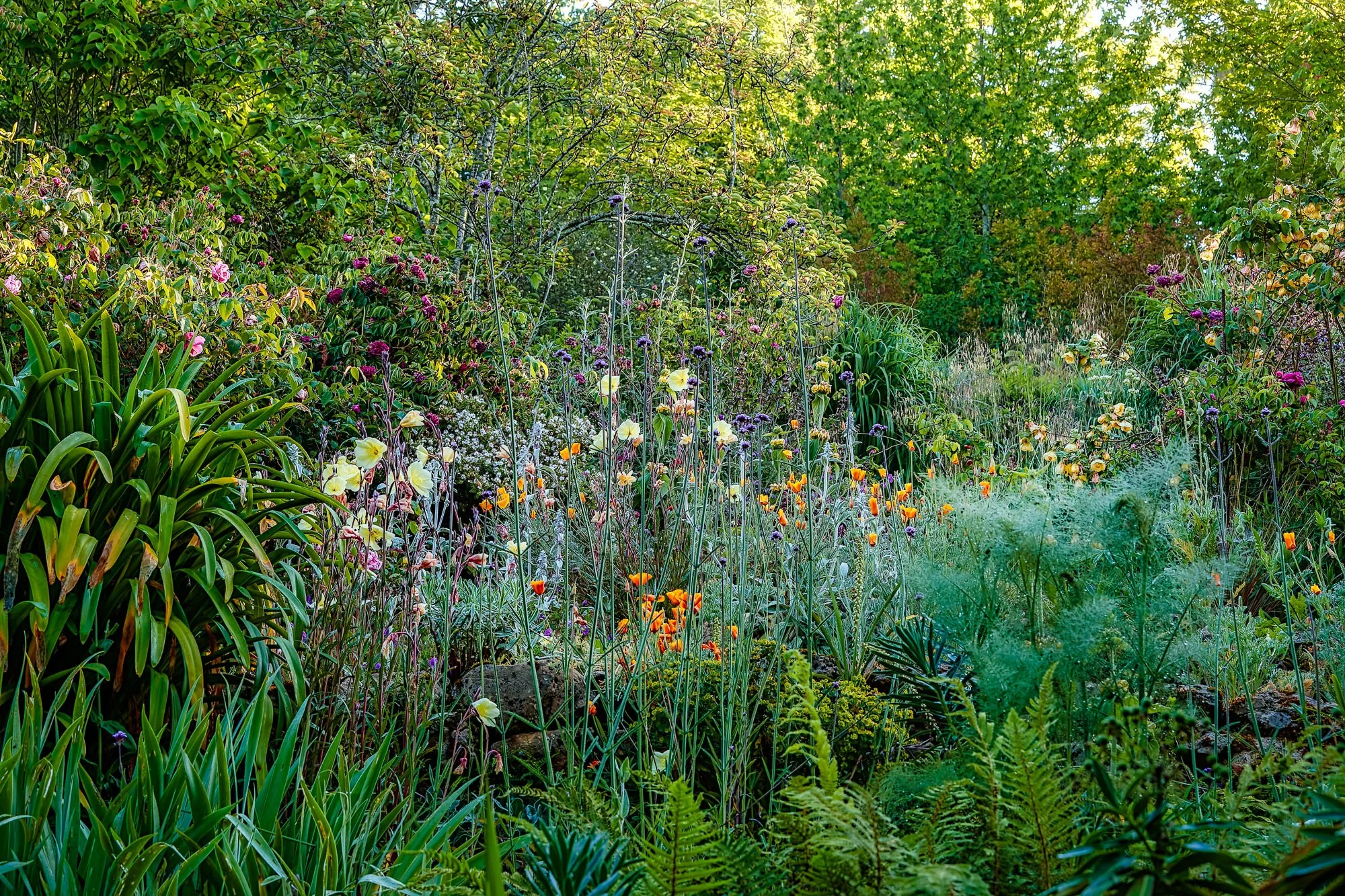
It’s safe to say that the dust has finally settled on this summer’s four month-long drought and its record-breaking temperatures. Friday 15 August was the nadir - 40 degrees C in the shade (a suffocating 104F) and a scorching, enervating southerly wind was exactly what the garden didn’t need after 10 weeks without rain. And it’s certainly not what I had in mind when I first started planting up my south-facing Asturian hillside all those years ago.
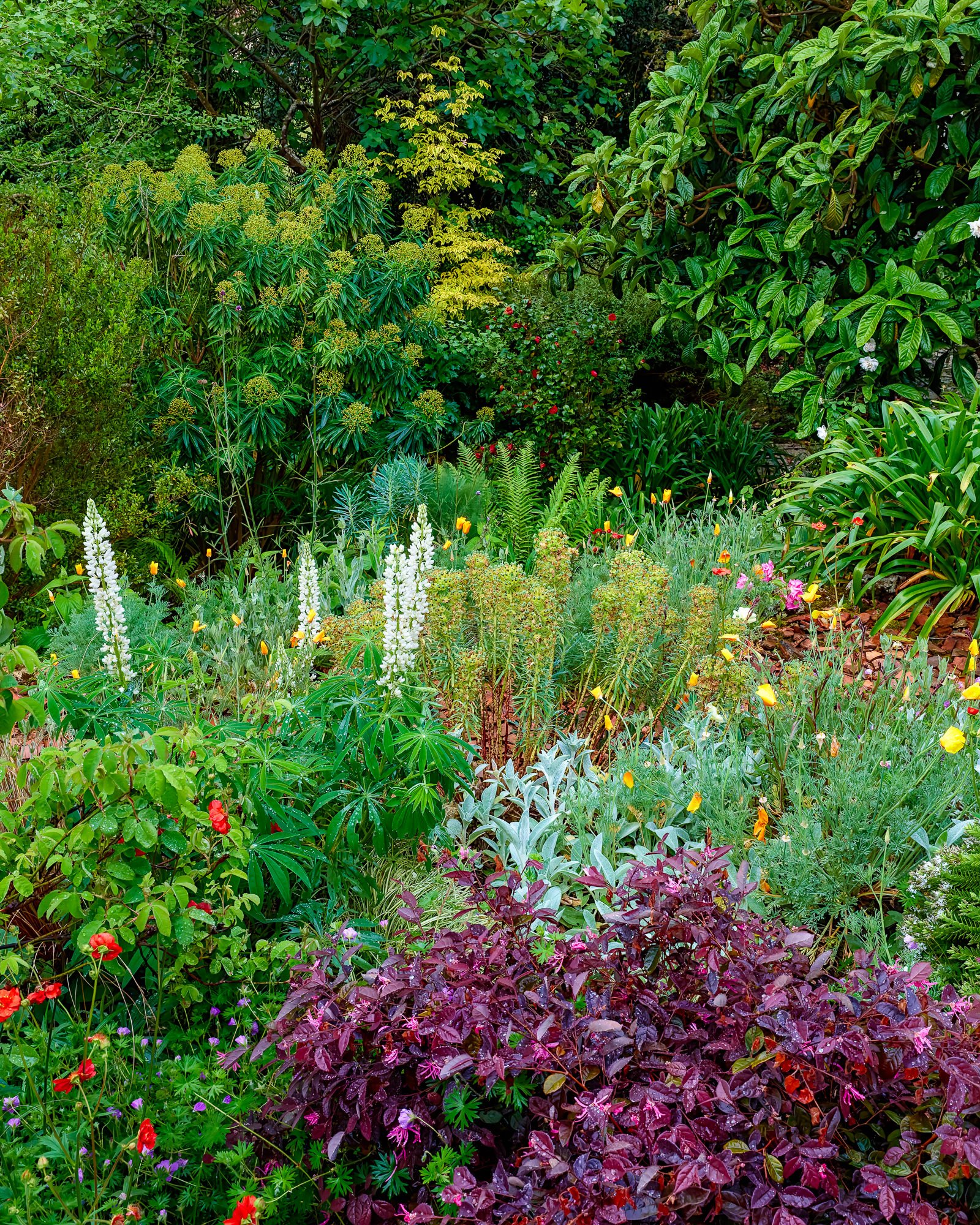
The immediate aftermath has not been a pretty sight. In fact, I was tempted to call this post ‘The Good, the Bad and the Ugly’. But as ugliness is something I strive to avoid in the garden and elsewhere, I’ll limit myself to giving a rundown of my star performers this year, those plants that have surprised me with their resilience against all the odds. And I’ll consign a few plants to the hall of shame for woefully underachieving.
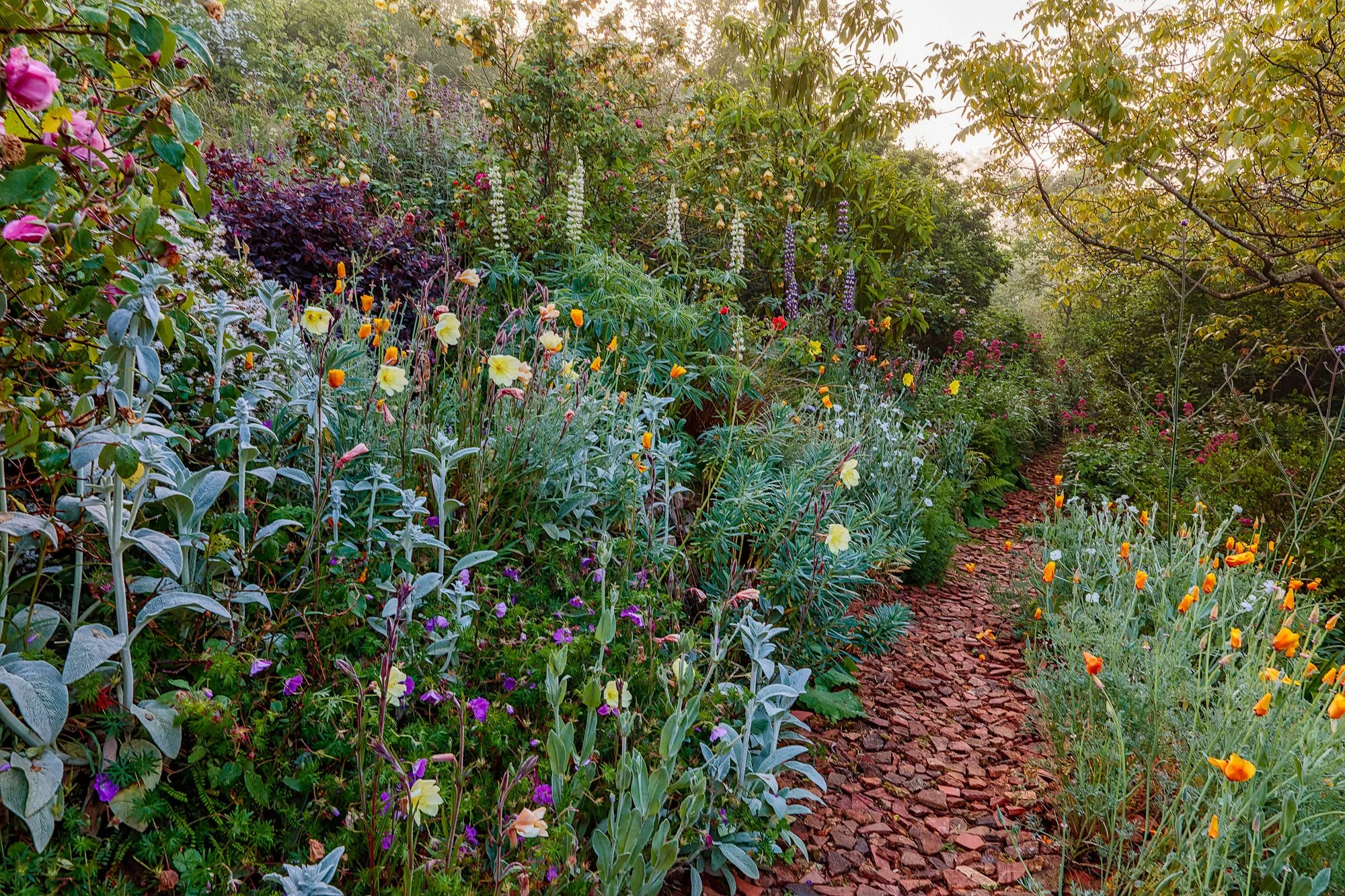
Extreme weather certainly separates the men from the boys, the sheep from the goats and indestructible plants from those living on borrowed time. And looking on the bright side, as all gardeners must, there have been some fascinating results.
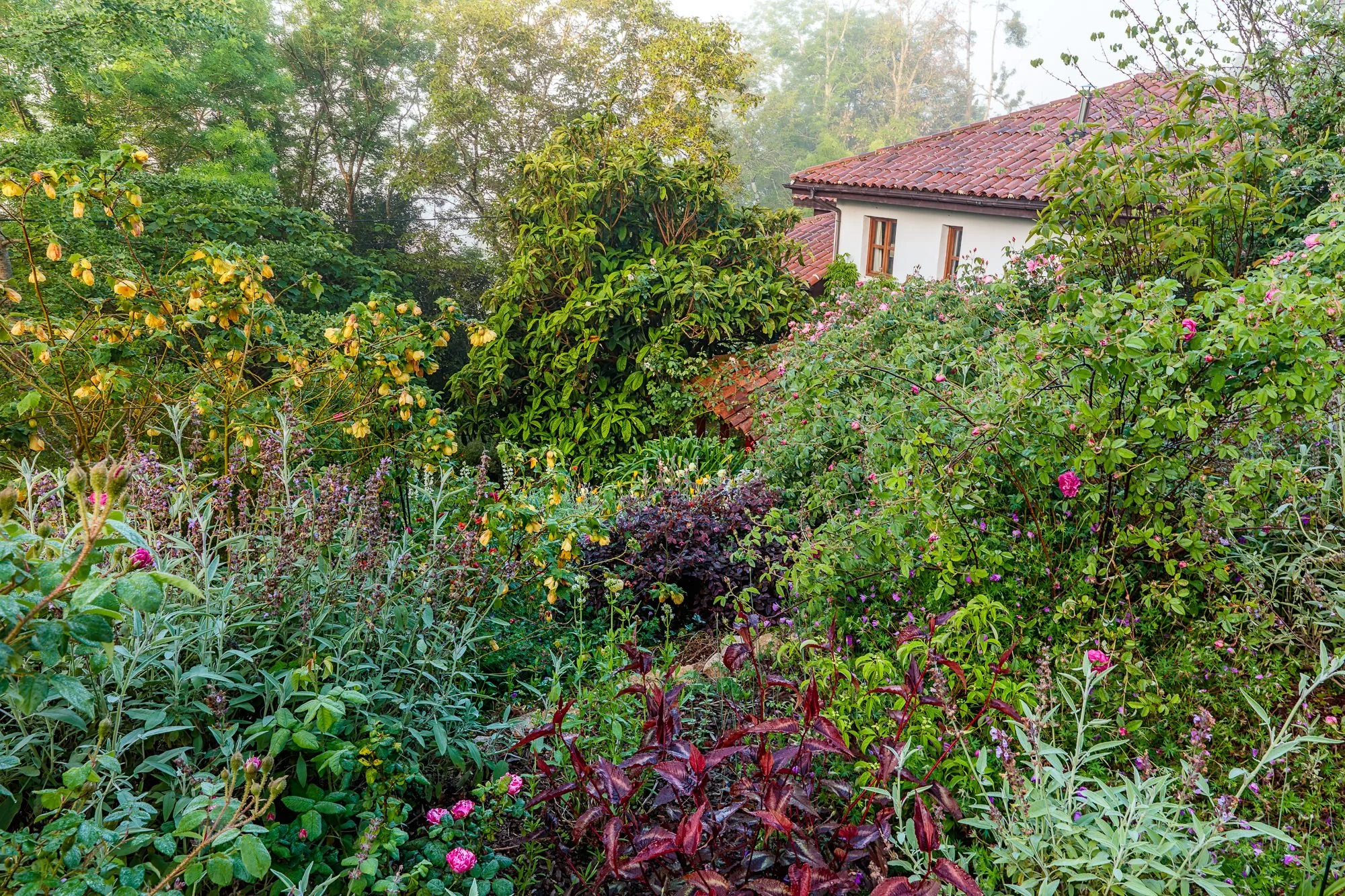
Planting strategy
Some plants are bomb-proof (famously so in the case of our old friend the ginkgo); others might need some mollycoddling to get them through life’s travails. On the whole, I aim to slot my plants into the kindest available spot for them – shade lovers in shade, and so on. Give them the appropriate conditions for their needs and they’ll reward you by thriving rather than merely surviving. I’m really not one of those horticultural psychopaths that gets a kick out of inflicting unnecessary cruelty on living creatures, so that’s the general approach. (There’s a swamp cypress at the very top of my dry hill that might beg to differ, but so far it’s doing just fine so can’t really complain.)
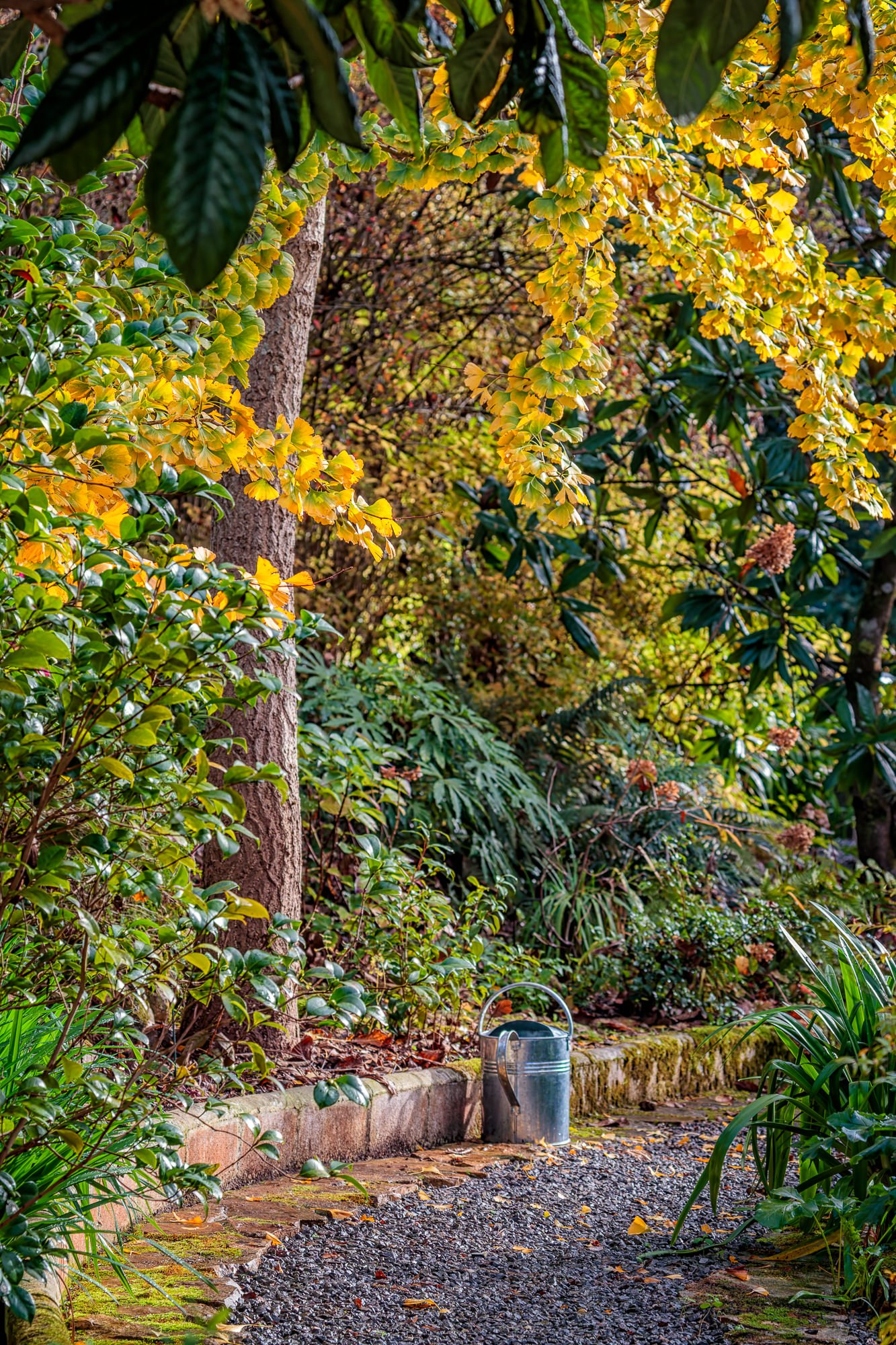
As a rule, I plant my trees small, in a square hole at least two feet wide and no more than one foot deep, and water them generously once a week in dry weather for the first three years. After that, they’re on their own – no feeding, no watering, just an occasional attempt to keep the root zone weed-free. Given that there wasn’t a single tree on this hillside when I first arrived here, they’ve all had to cope with full sun from day one and only some protection from the prevailing wind provided by existing native trees along the boundaries.
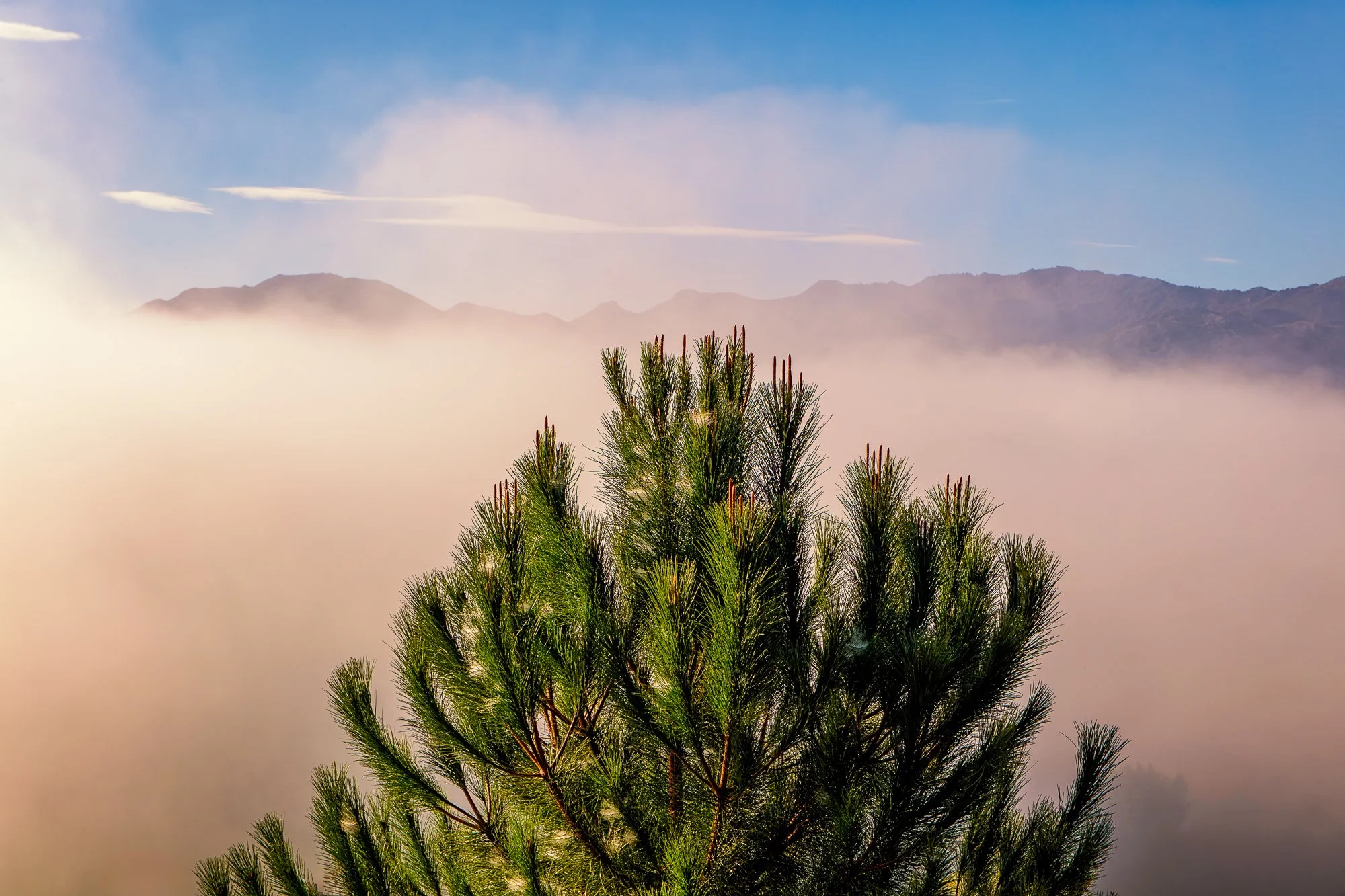
This past summer, every single one has been pushed to the limit, and sometimes beyond. Even treasures in the most privileged positions have been bowled a googly by the weather. It’s been a garden-wide experiment in resilience. Some trees lapped it up; others not so much. And in both instances, it’s not just the usual suspects.
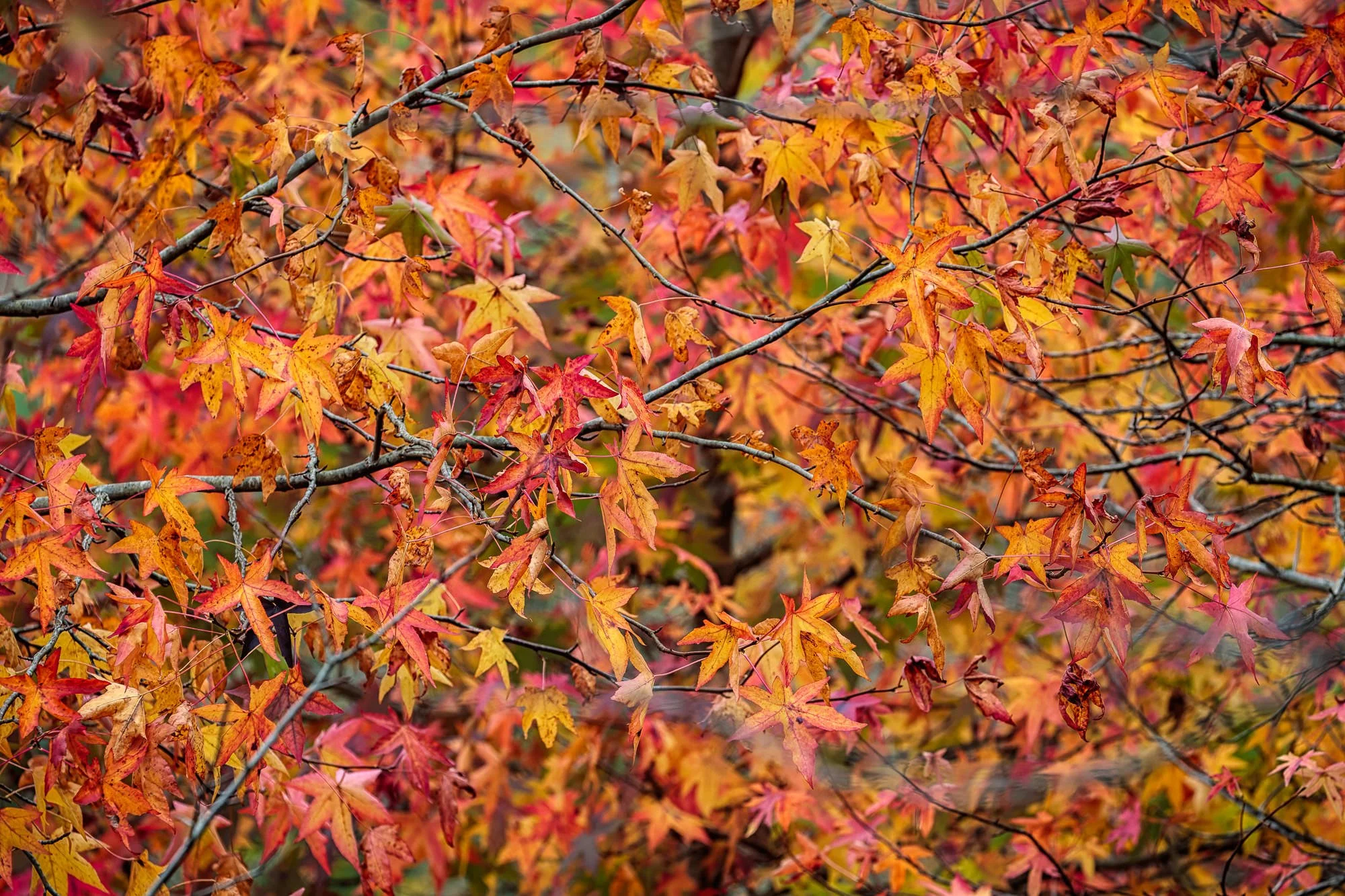
Top marks
Some of the trees I’ve planted are designed to cope with dry summers – pines, for example, just laugh in the face of drought. I was less sure how oaks would react, especially the North American species that I’ve piled into. For a start, they tend to have larger leaves than their Mediterranean cousins (Quercus suber, Q. ilex, Q. canariensis, Q. coccifera,Q. pyrenaica, etc., all of which have predictably thrived). And most of them come from the East Coast which tends to be reliably damp in summer.
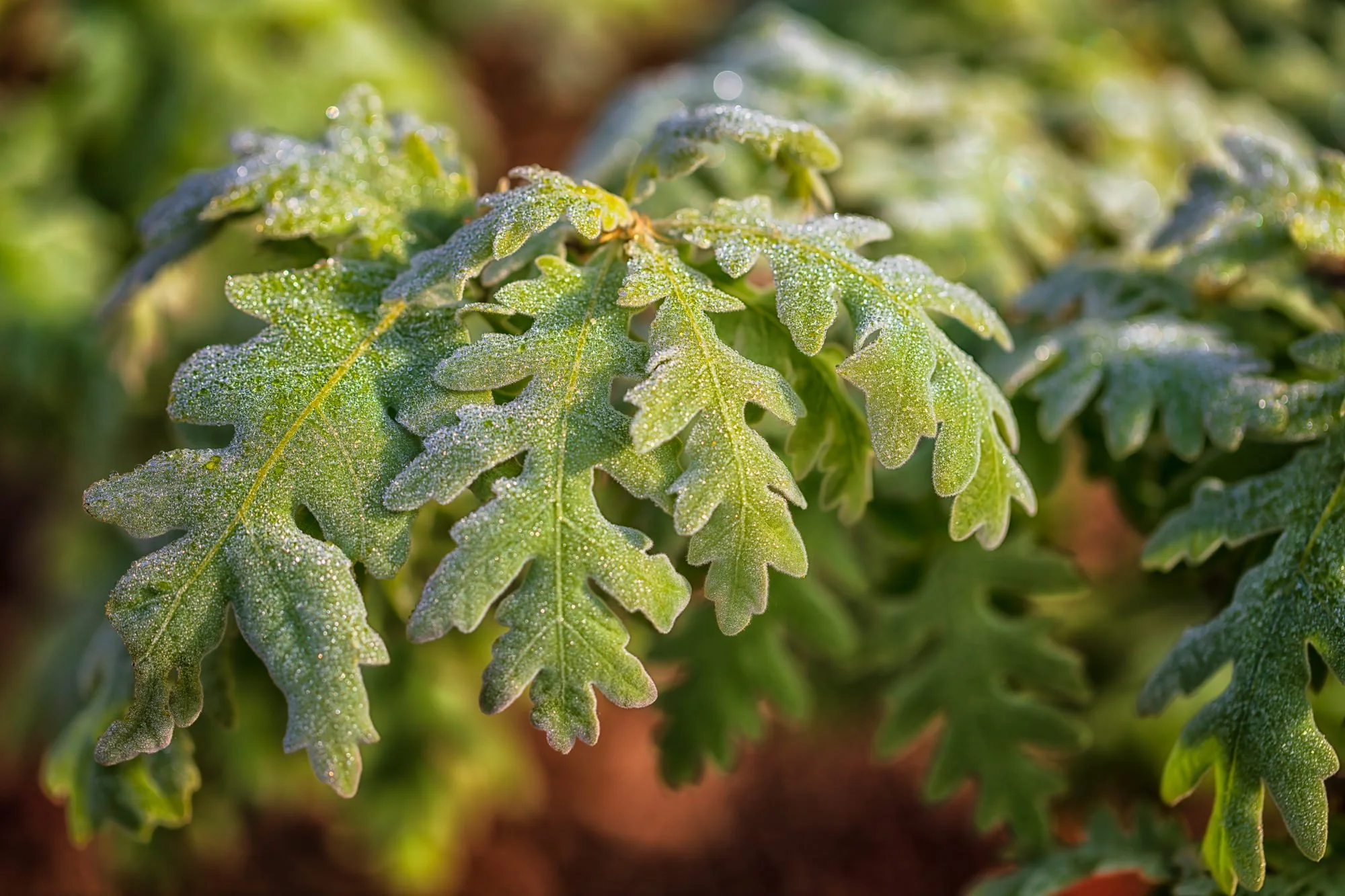
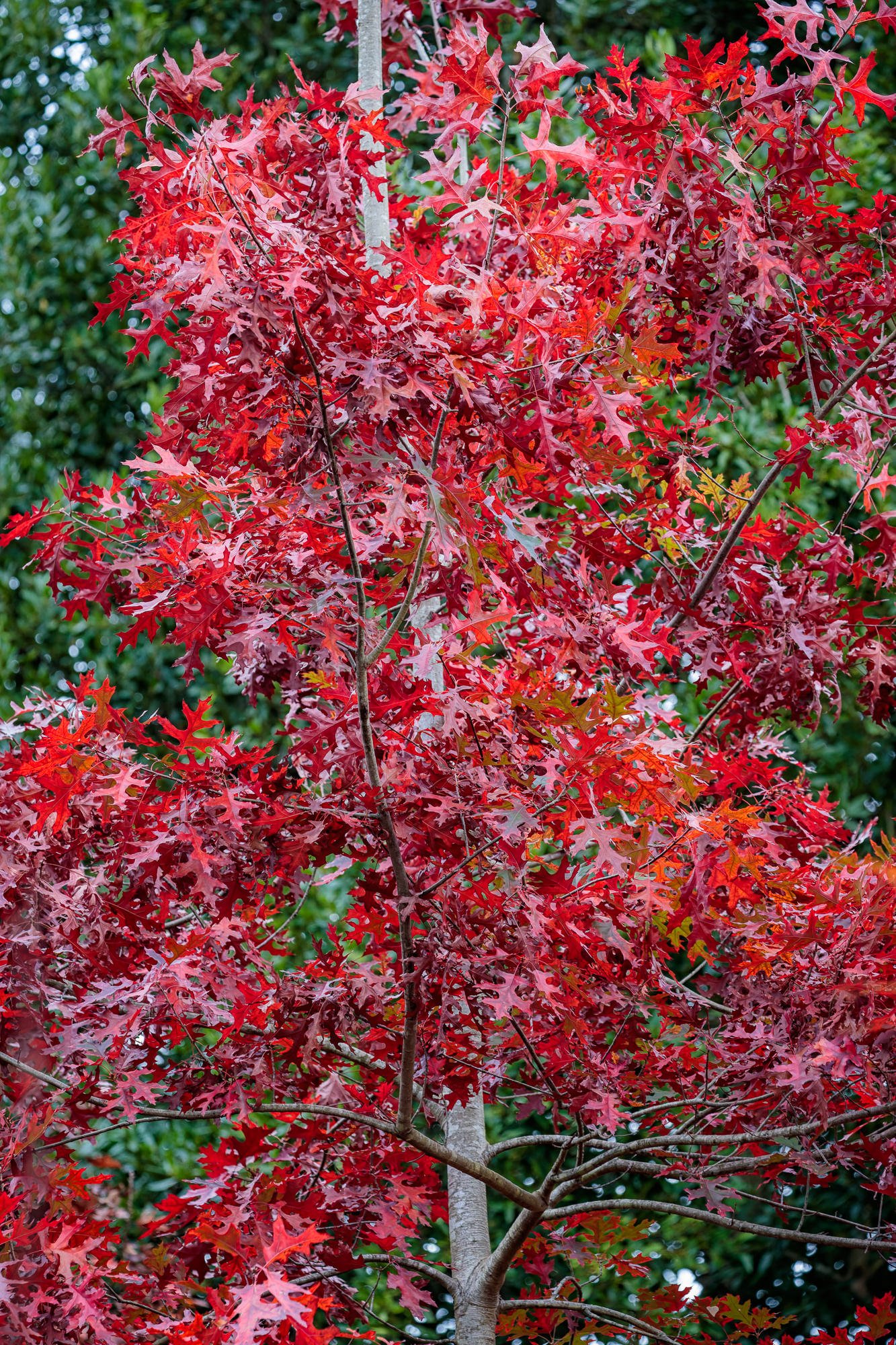
Well, I needn’t have worried – those Americans knocked it out of the park. For the first few years the amount of top growth might not impress; that’s because all the action is taking place underground. But once they get their roots down they manage to find every last drop of water on this rocky hillside. Even supposed moisture lovers like Q. nigra and Q. palustris have barely batted an eyelid this year. All of them put on their Lammas growth at the very height of the drought and the autumn colour this year has been spectacular. Top marks go to the scarlet oaks, Q. coccinea, one in the relatively benign surroundings of the woodland (part-shade, deep soil), the other tucked below the more challenging escarpment (full sun, thin, sandy soil over solid rock). Both put on three feet of growth. Neither flinched.
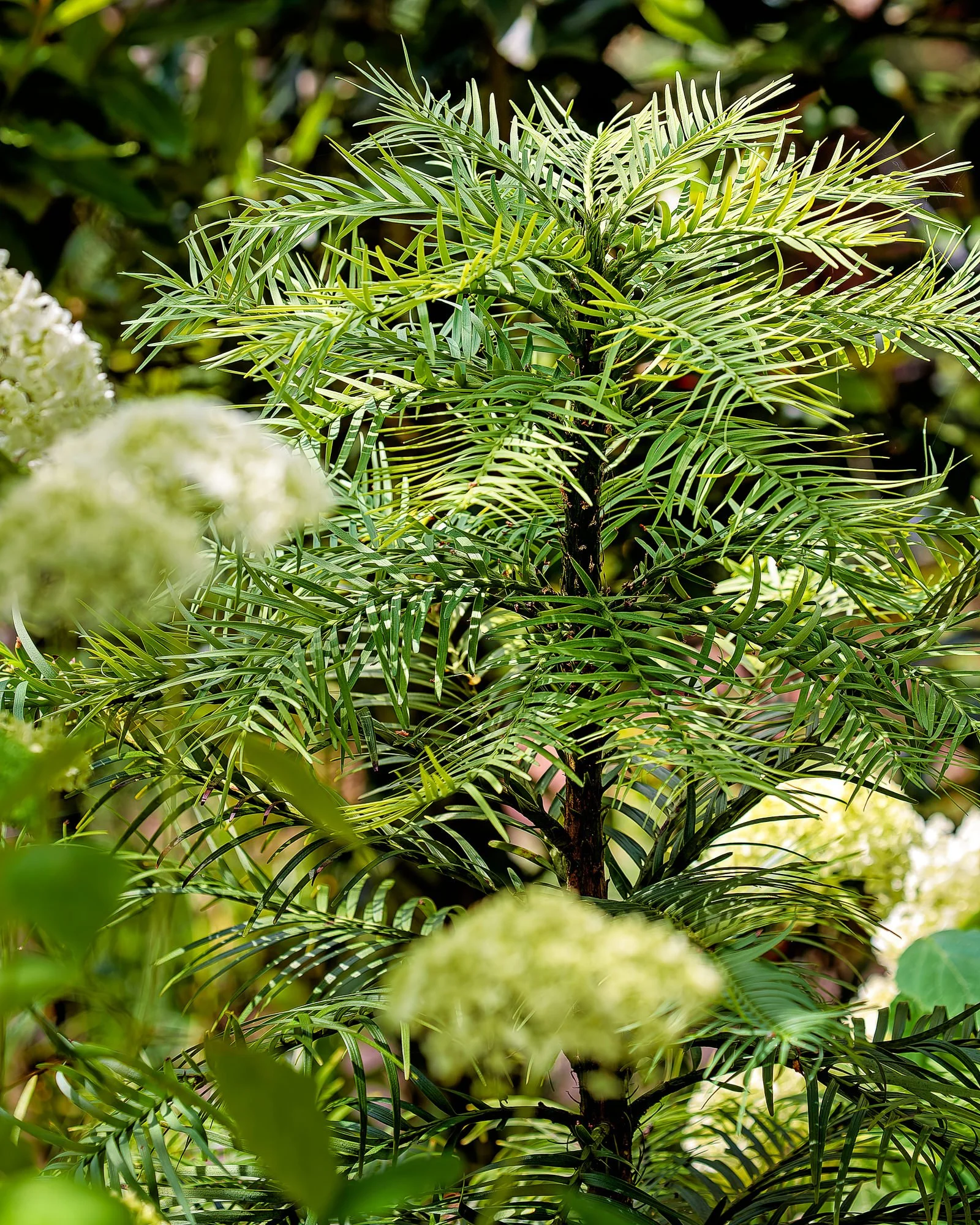
Equally surprising was the response of the young wollemi, Wollemia nobilis. Planted in full sun and, as it’s been in the ground five years already, with no additional water, it coped admirably and put on a foot of growth, an annual rate it seems to have settled on regardless of the weather. There’s a good depth of soil in that part of the orchard and there’s no competition nearby, but even so, it was an impressive response. Where neighbouring trees ended up with scorched leaves, even the new growth on the wollemi maintained its usual silvery-blue bloom. The advice to date has been to play it safe – plant it in moist, well-drained loam (a quasi-mythical substance in these parts) in a sheltered spot in light shade. I’ve a suspicion after this summer that the wollemi is a whole lot tougher than we first thought.
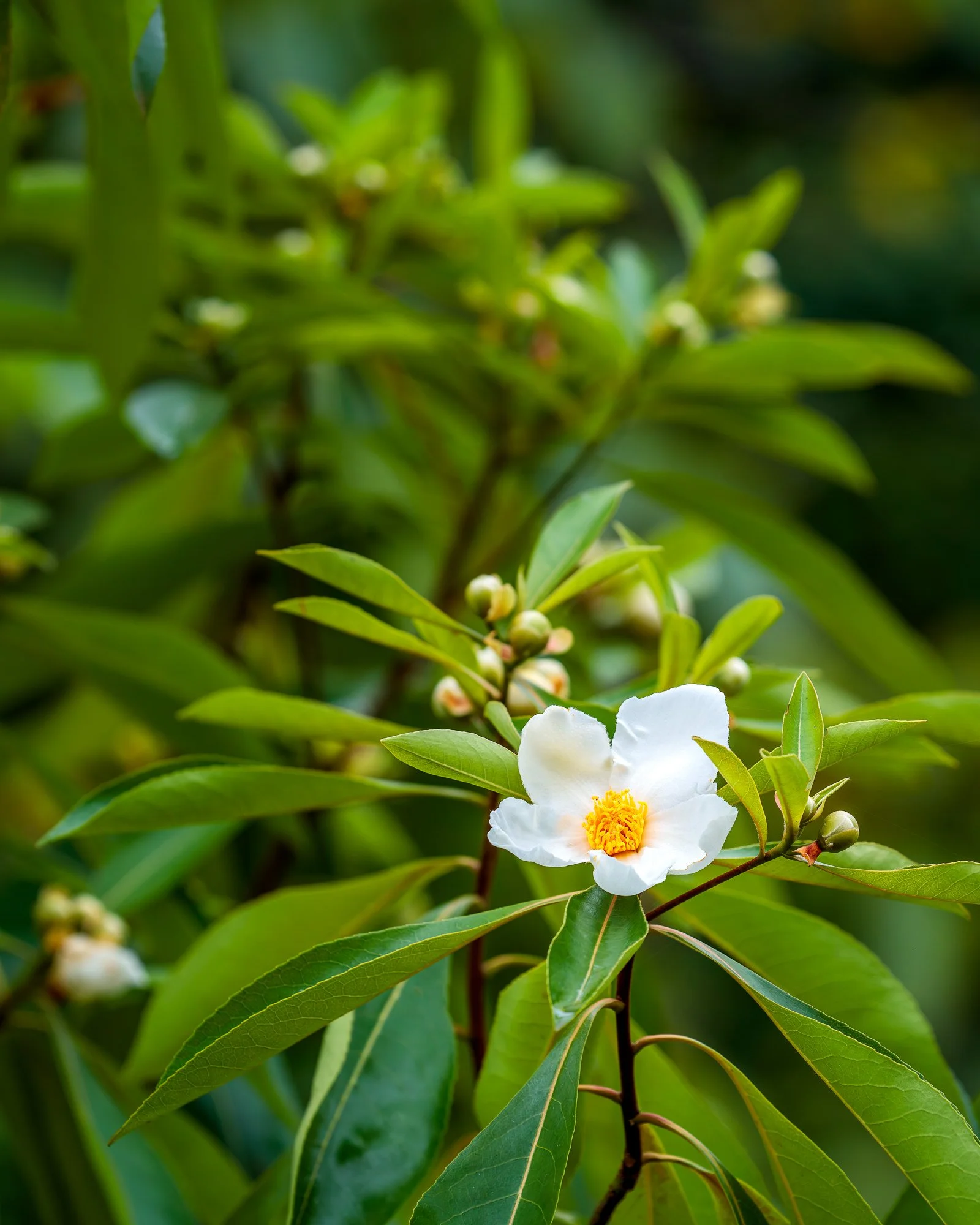
Not to be outdone was the xGordlinia grandiflora. Unlike a neighbouring franklinia that jettisoned most of its flower buds and went into survival mode (and looks to have lived to fight another day, thank goodness), the gordlinia showed no sign of distress at all. It grew its usual three feet and flowered non-stop from mid-August to the first week of November, peaking in September after three months without a drop of water. In full sun, on relatively thin soil, its performance this summer has justified it being given such a prominent spot in the garden. Again, the literature suggests it would prefer more moisture in the growing season. But beggars can’t be choosers – it just knuckled down and get on with the job in hand. It’s definitely not one of this garden’s many prima donnas.
Mixed results
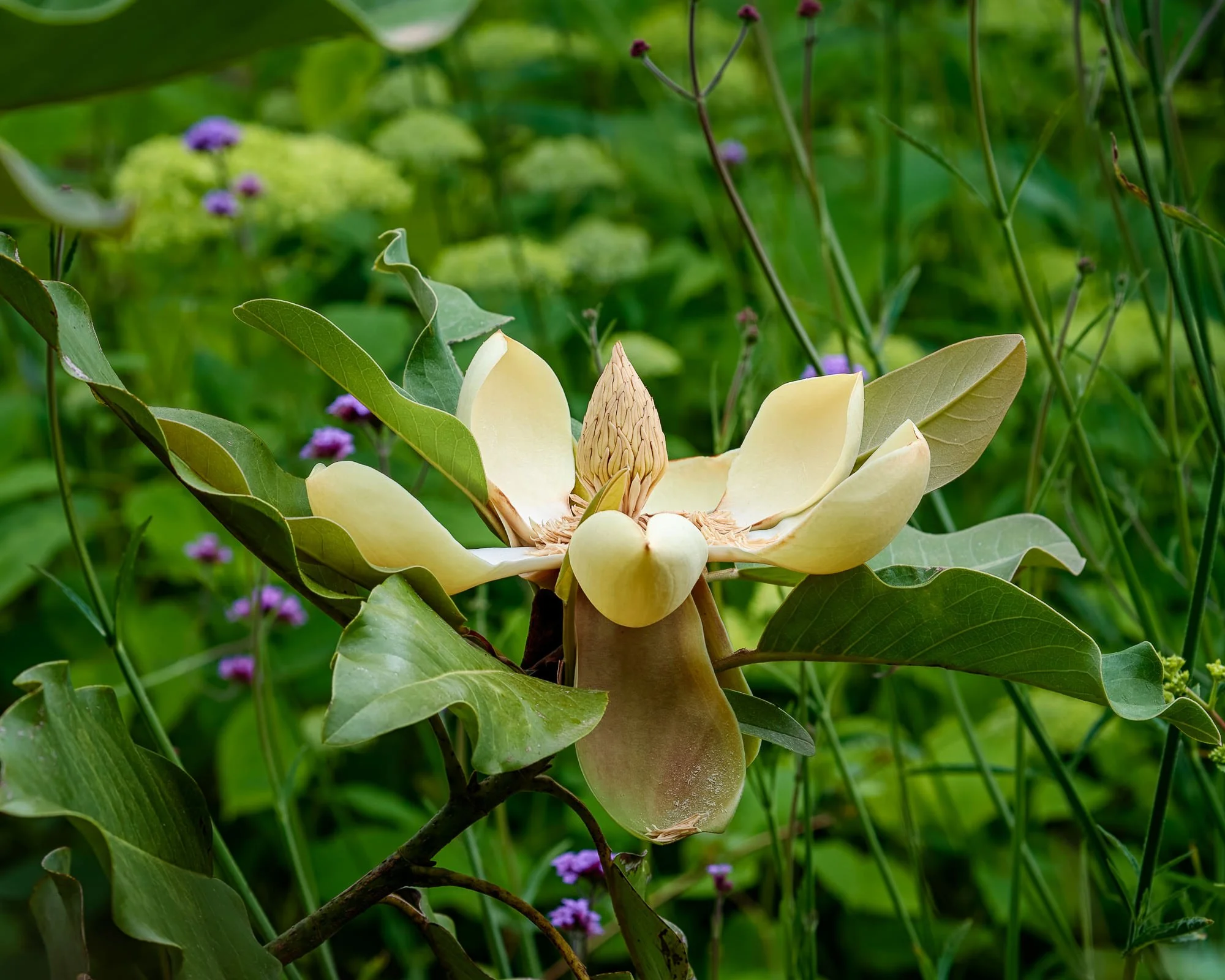
Now for the less encouraging news. Unlike the uniformly impressive oaks, the magnolias were a mixed bag. Those in the most favourable positions sailed through with only minor signs of wind- and/or sunburn; those in slightly more challenging spots struggled. All have formed and held onto flower and leaf buds for next year which is a relief. Both a M. grandiflora and a M. insignis suffered with the double whammy of extreme heat and strong wind in mid-August after months with no rain, leaving some dieback at the extremities and scorched brown leaves. Unsightly but not, I hope, life-threatening. Time will tell. A cosmetic tidy-up in the spring once the damage is definite and old leaves have been shrugged off should make them look more respectable.
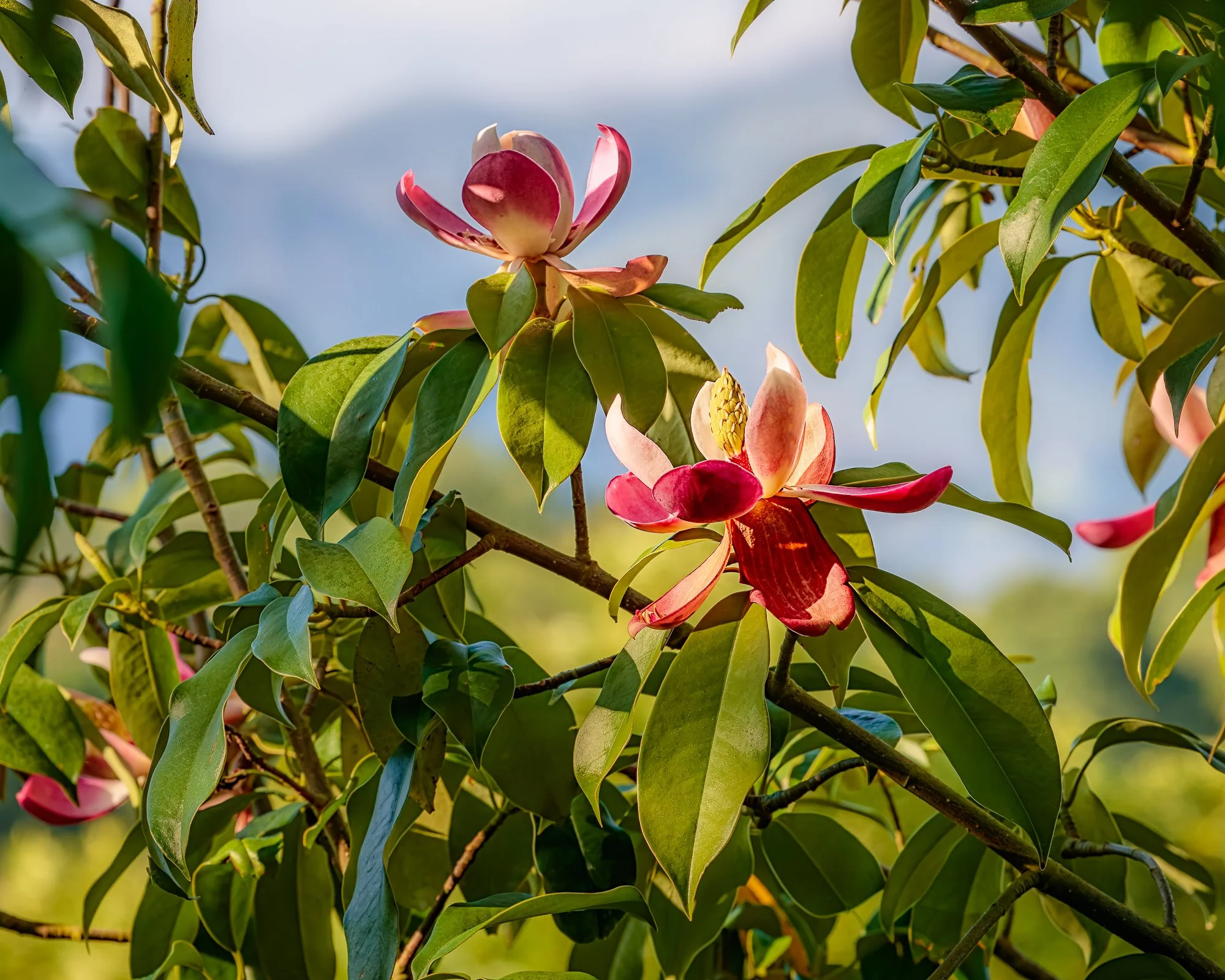
If you’re in the market for a broadleaf evergreen magnolia and have an eye on future scorchers, then my top tip is to look no further than M. delavayi. It comes from wet Chinese forests and is said to prefer a moisture-retentive loam. Those textbooks might need updating. Mine is in an exposed position on a free-draining slope and sailed through the summer without a care in the world, flowering and growing all the while. Bravo.
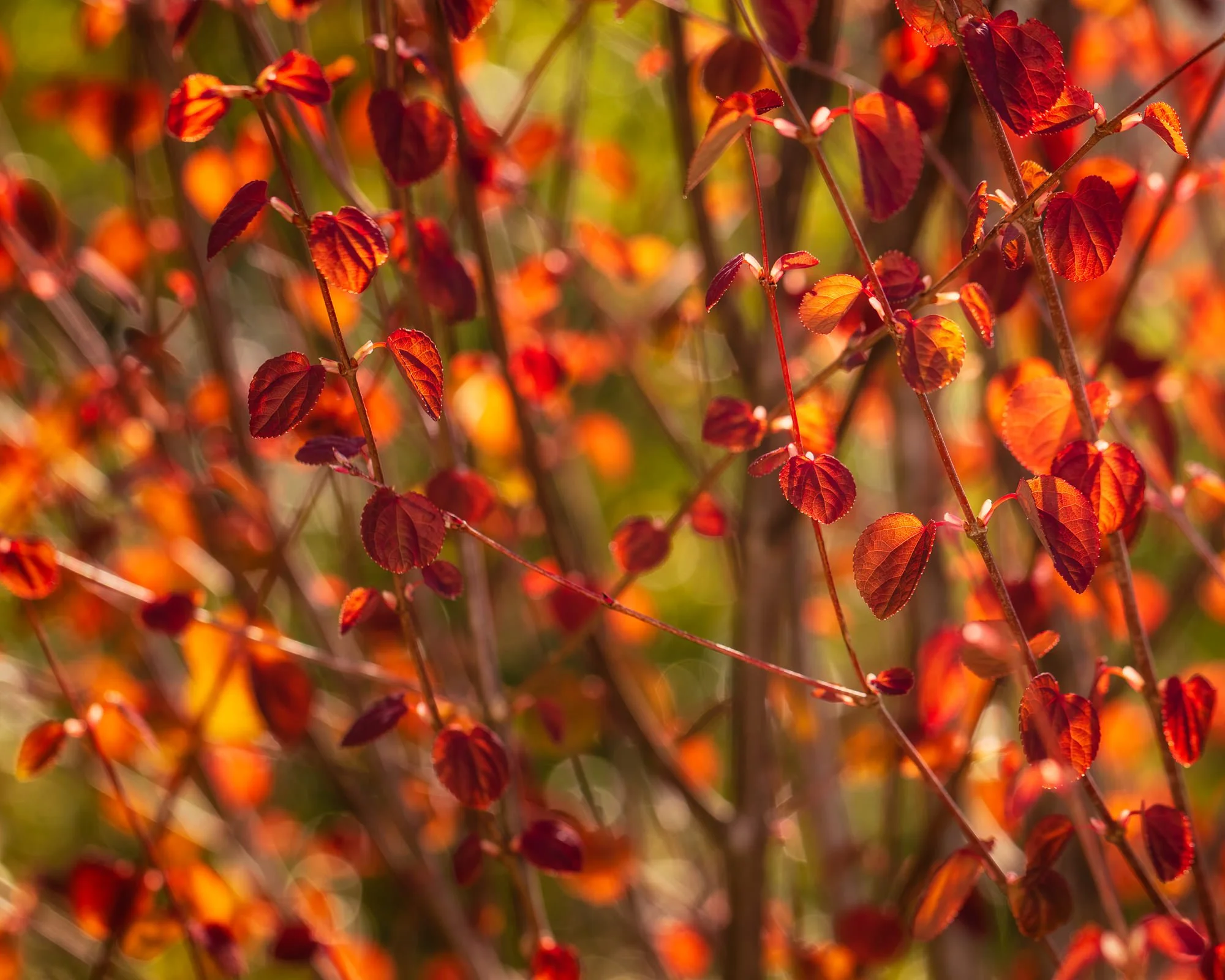
At least the magnolias all tried to hold onto their leaves. My nomination in the category ‘Sorriest response to drought’ goes to the katsura, Cercidiphyllum japonicum. By the first week of August, one specimen, admittedly planted in shallow soil in full sun, decided to call it a day and drop all its leaves. Kudos, obviously, for such decisiveness – very much a strategic retreat rather than a vainglorious last stand. Next year’s buds look fully formed and it tends to go into an early autumn most years, so fingers crossed. Another katsura, in an equally dry spot higher up the hill but shaded by a sweetgum, fared better and clung onto its leaves for a whole month longer. However, both give off a slightly resentful air, wondering how on earth they ended up here when they would rather be in a cool, moist Japanese forest. So if you want one, my advice is to treat it more generously than I have – it clearly prefers a comfier billet with a fully-stocked drinks cabinet.
Next time: Stubborn shrubs and herbaceous heroes