Why on earth do we garden?
22 September 2026
By: James Lennox
Summer is finally over. The autumn rains have arrived – and not a moment too soon. I've lost track of how many days I've spent lugging watering cans to the top of the hill and the furthest reaches of the orchard. But on my travels, I've entertained myself with some of life's bigger questions: Do aliens exist? Will AI be the end of us? And why on earth do we garden?
Not people in general – me and Alan. Why do we spend our days weeding, watering and worrying? Should we not seek to emulate so many of our fellow countrymen in Spain whose biggest dilemma is whether to start the day with a gin and tonic or a brandy-laced coffee?
There are three overlapping answers that keep us motivated when the universe conspires against us and our best laid schemes gang so aft agley.
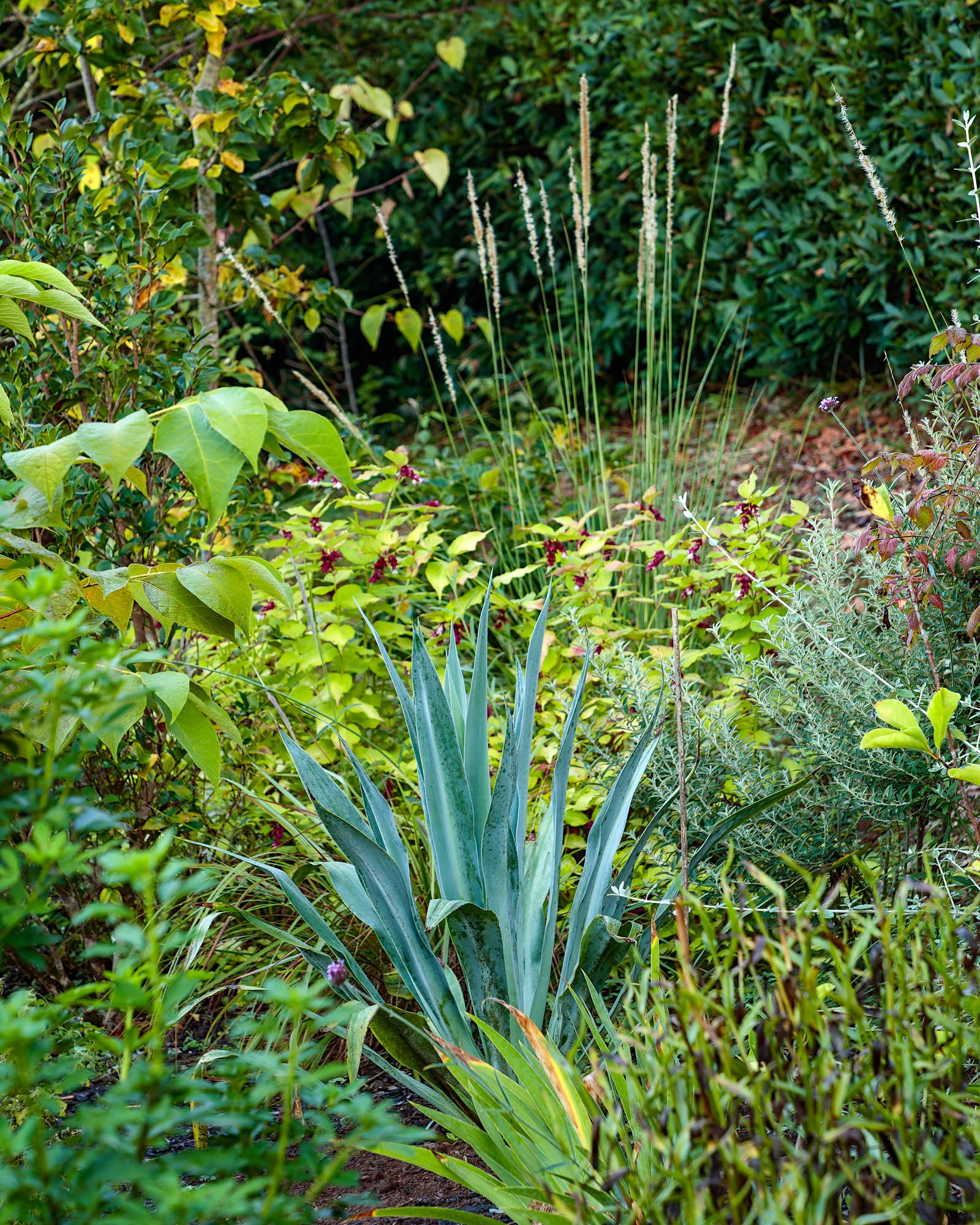
Activity
No doubt about it, the devil makes work for idle hands. Early retirement was never going to mean putting my feet up. Once we'd finished building two houses by hand, we couldn't wait to get stuck into the next project – the garden. And this was in the days before ADHD was all the rage.
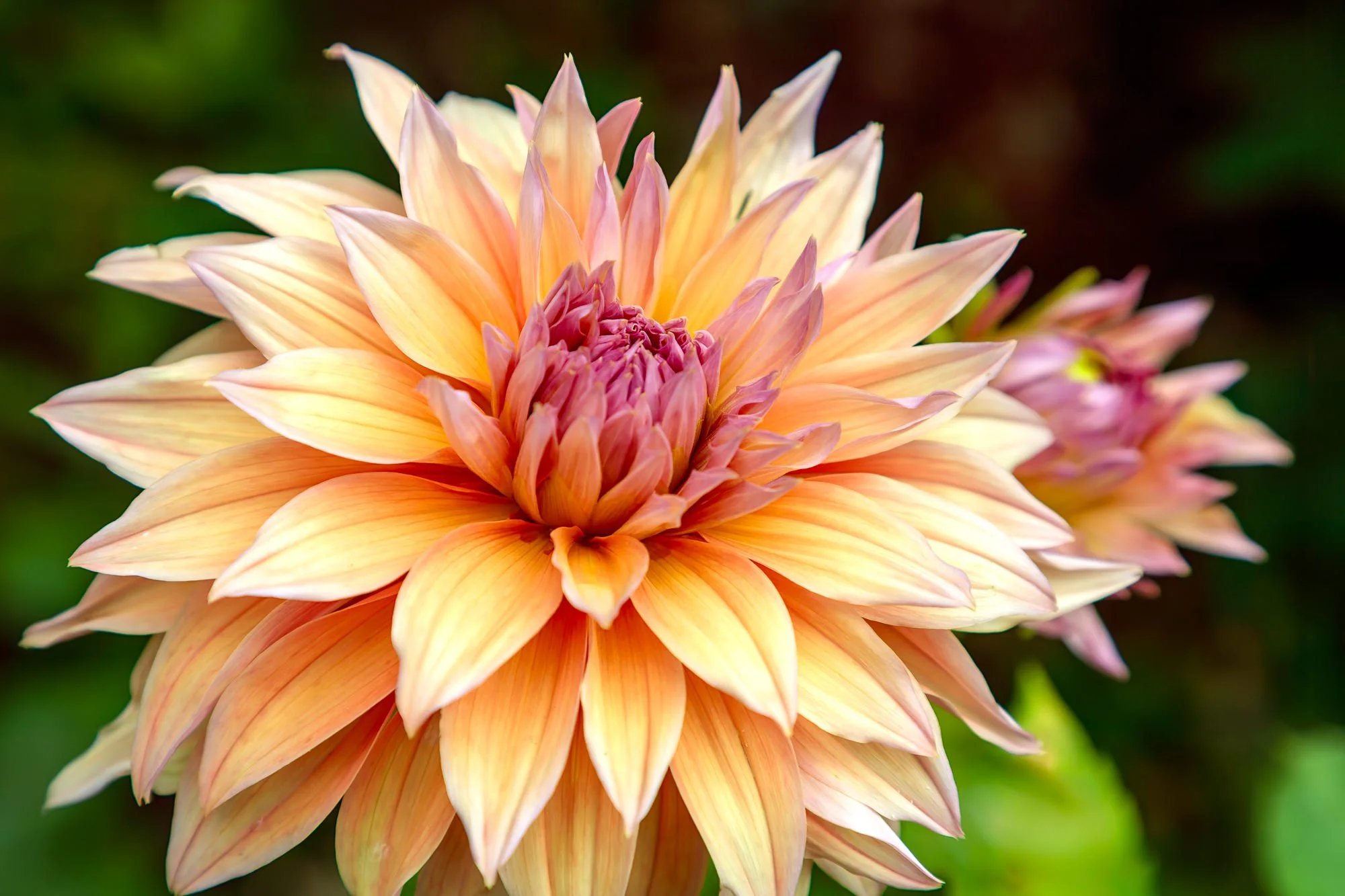
Gardening is one of those activities that expands to fit, and often exceed, the time available. It gets you outside, using your hands and thinking about something other than yourself. For me there's real satisfaction in the sheer physicality of it – digging, hedge-cutting, pruning and then hauling the resulting debris across a treacherous slope.
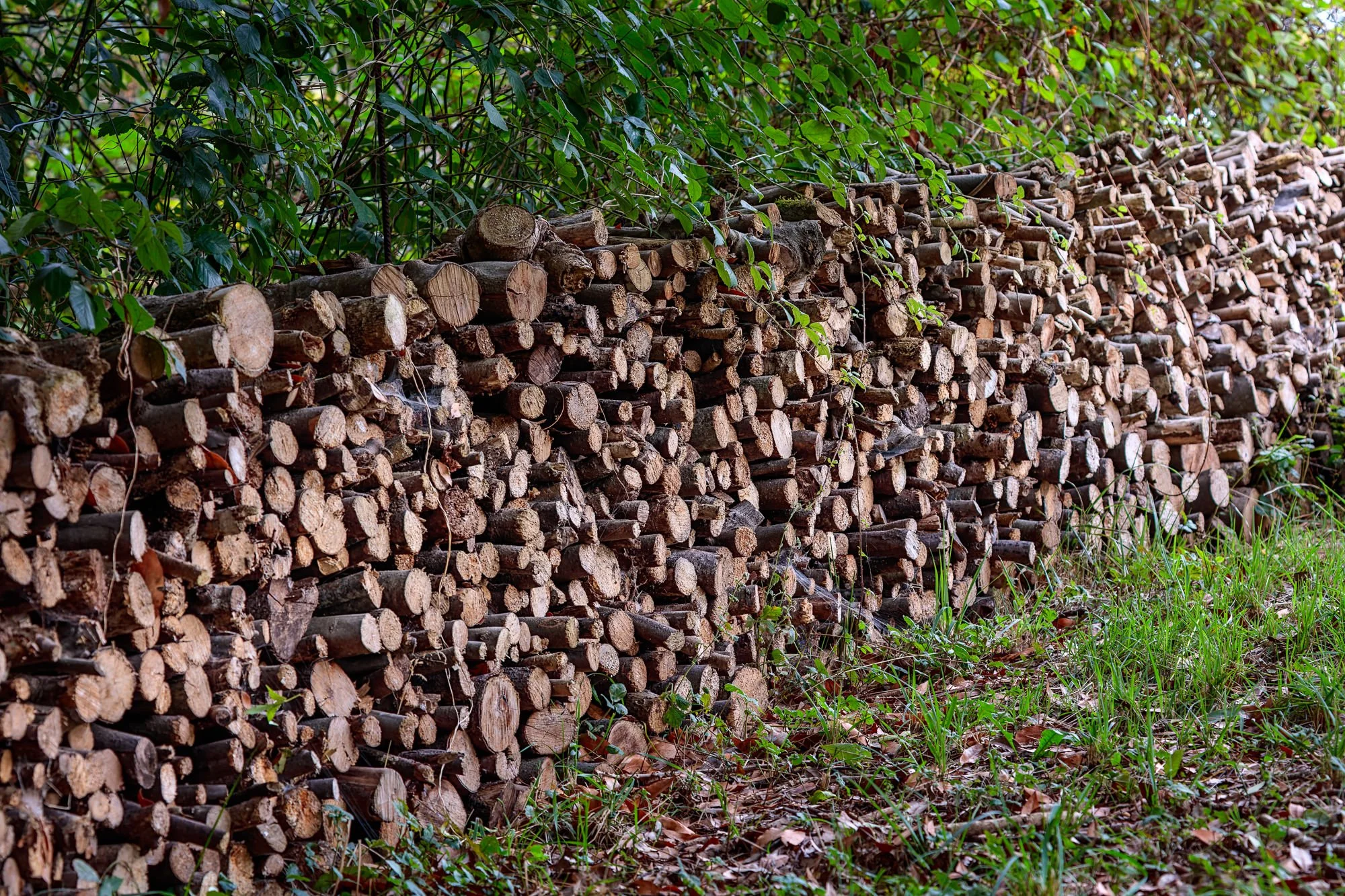
None of it is particularly glamorous; some of it is decidedly unpleasant – but you finish the day having achieved something. You can see the results, even if sometimes they're not the results you wanted.
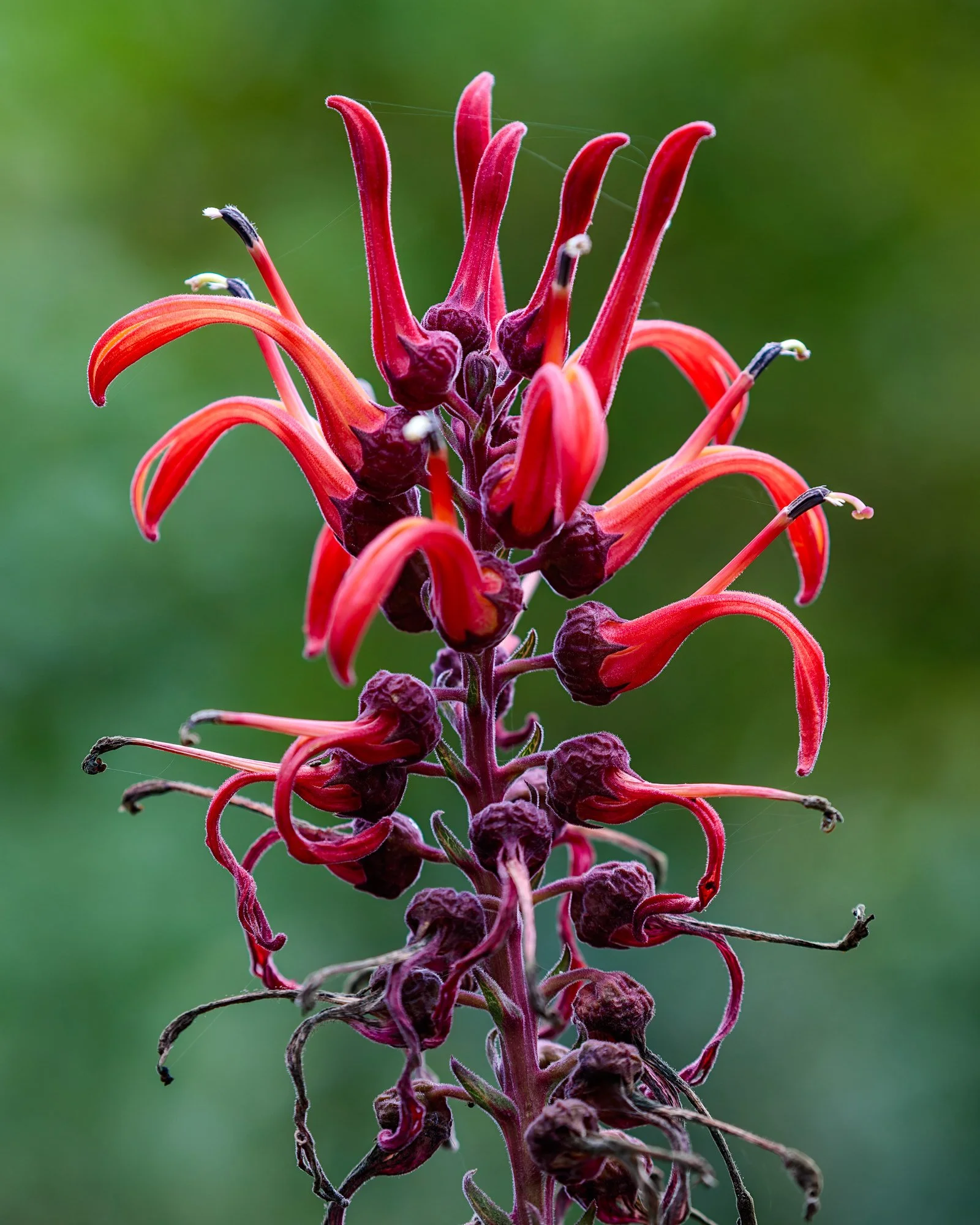
It's not all physical exertion, of course, although no-one has ever applied the dread phrase 'low maintenance' to this garden. There are calmer activities, those small acts of attention that accumulate over the course of a day – staking, dead-heading, general tweaking.
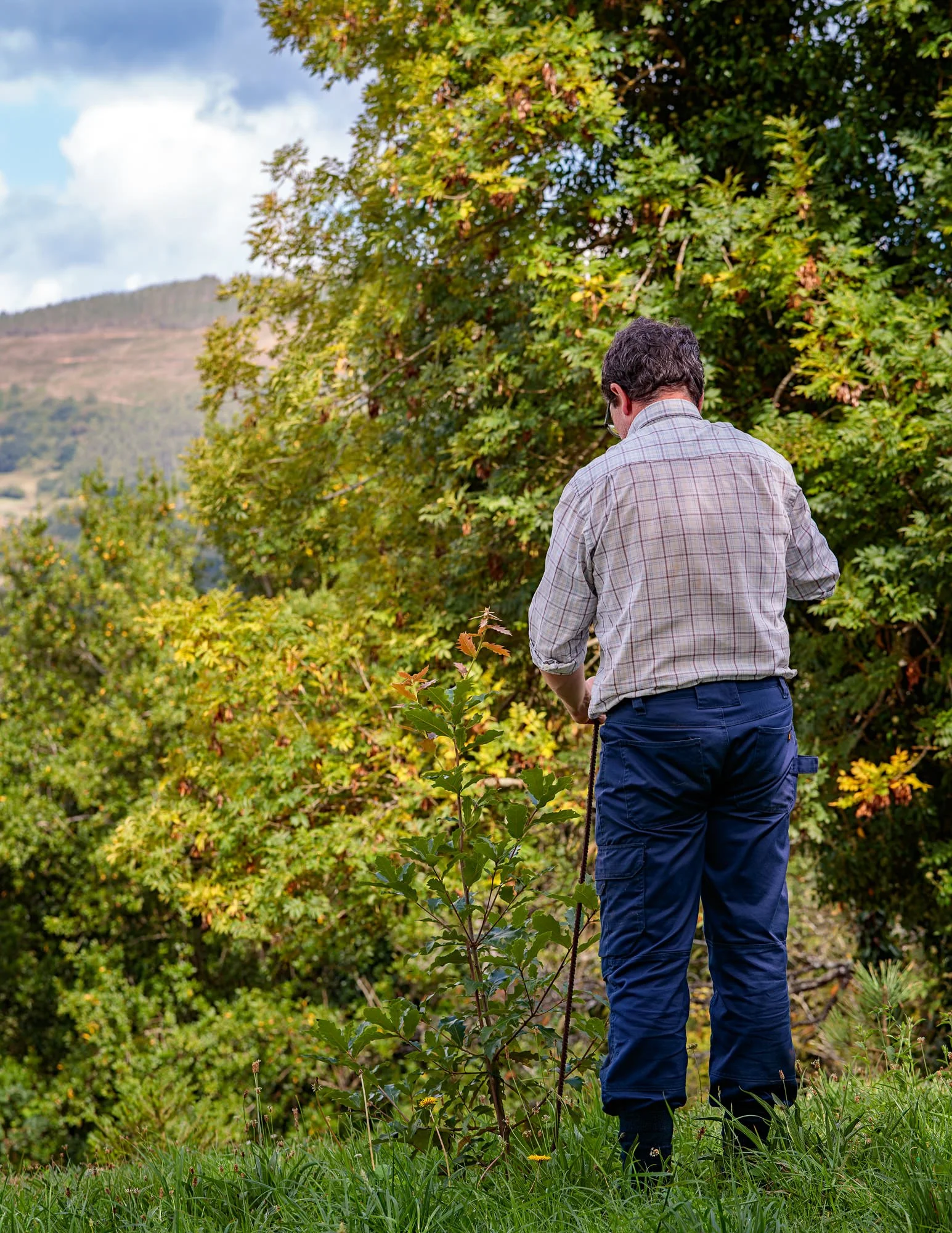
Over time, you can't help but develop a relationship with the garden as a separate, living entity, a sense of responsibility for everything growing there, constantly checking whether particular plants have recovered from yesterday's heat (hydrangeas in particular) or noticing when something starts to look a little tired and emotional (currently, an irreplaceable handkerchief tree).
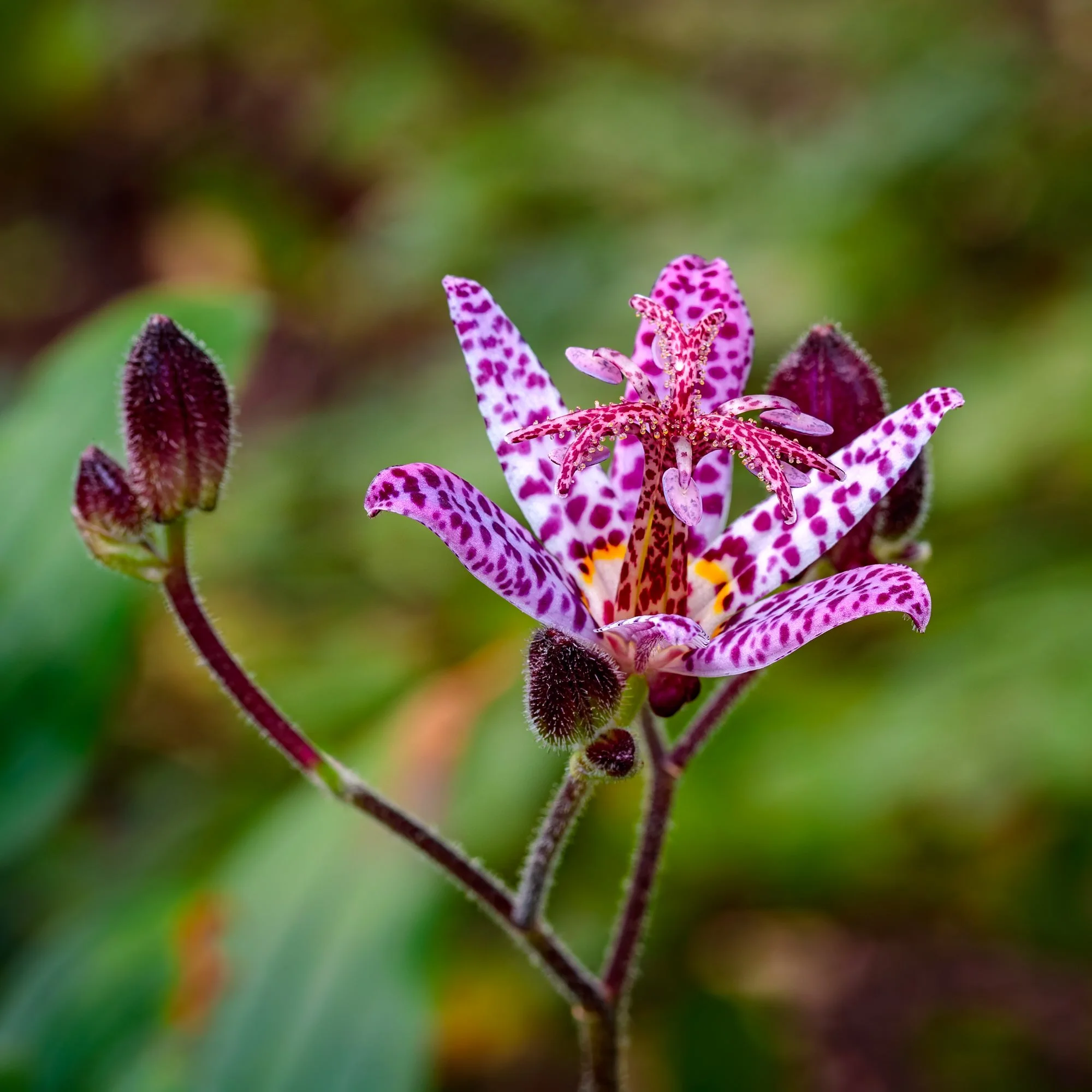
Rather than get overwhelmed by the scale of the task, it helps us to think of this garden as our very own adventure playground. One minute we'll be clambering up a tree to lop off a branch, the next rolling boulders uphill to repair a crumbling dry stone wall. We're left to our own devices to come up with our own solutions in our own time – a real luxury.
Creativity
Nobody can tell you what to do with your own garden. They might try to force you down the wildlife-friendly, native-plants-only, rewilding route, with its own vocabulary and the insidious implication that you're a moral failure if you don't comply. Don't let yourself be intimidated. If you want to put up a deer fence and plant exotics, go for it. Equally, if you prefer to share the space with all and sundry, why not?
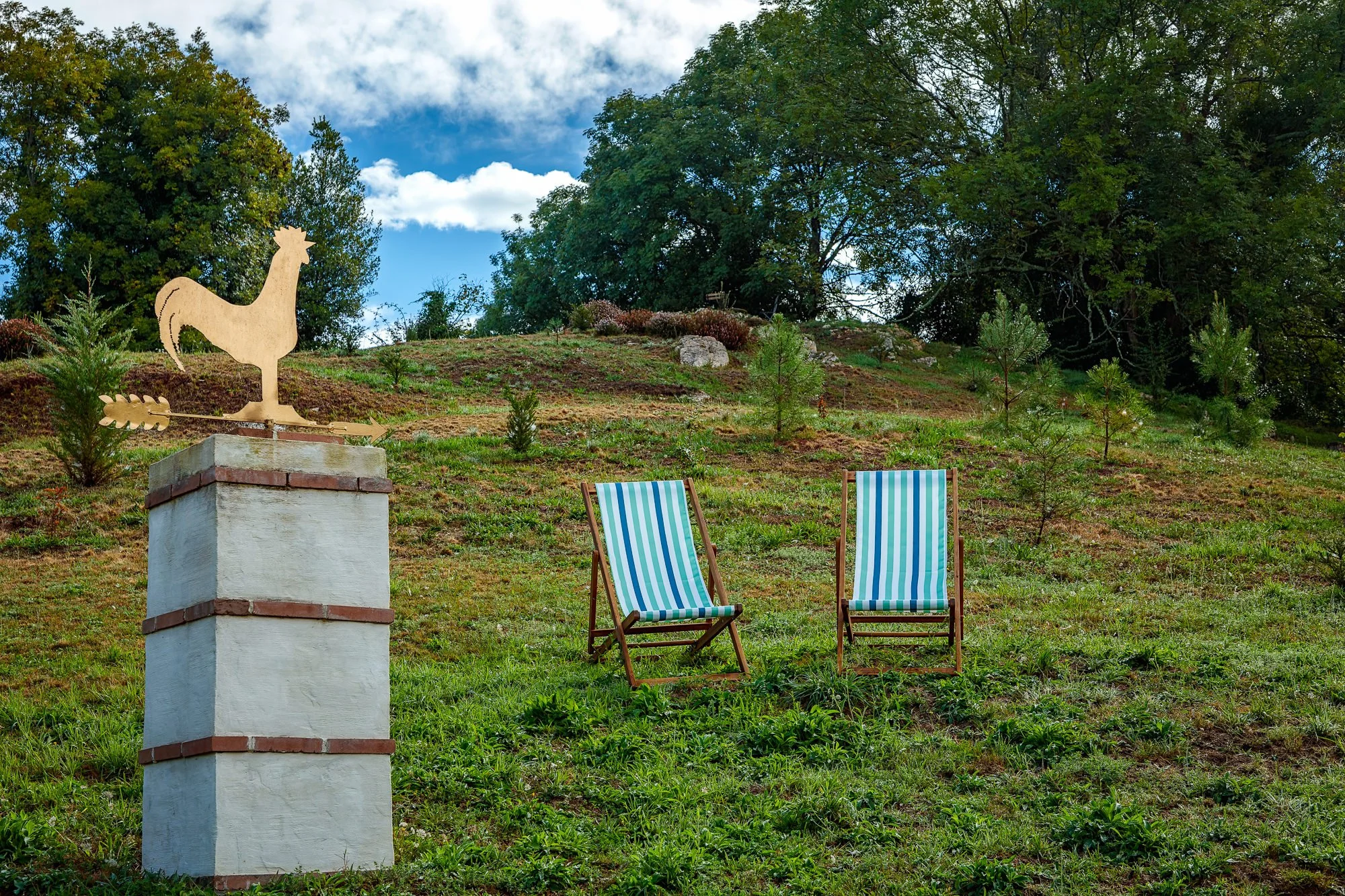
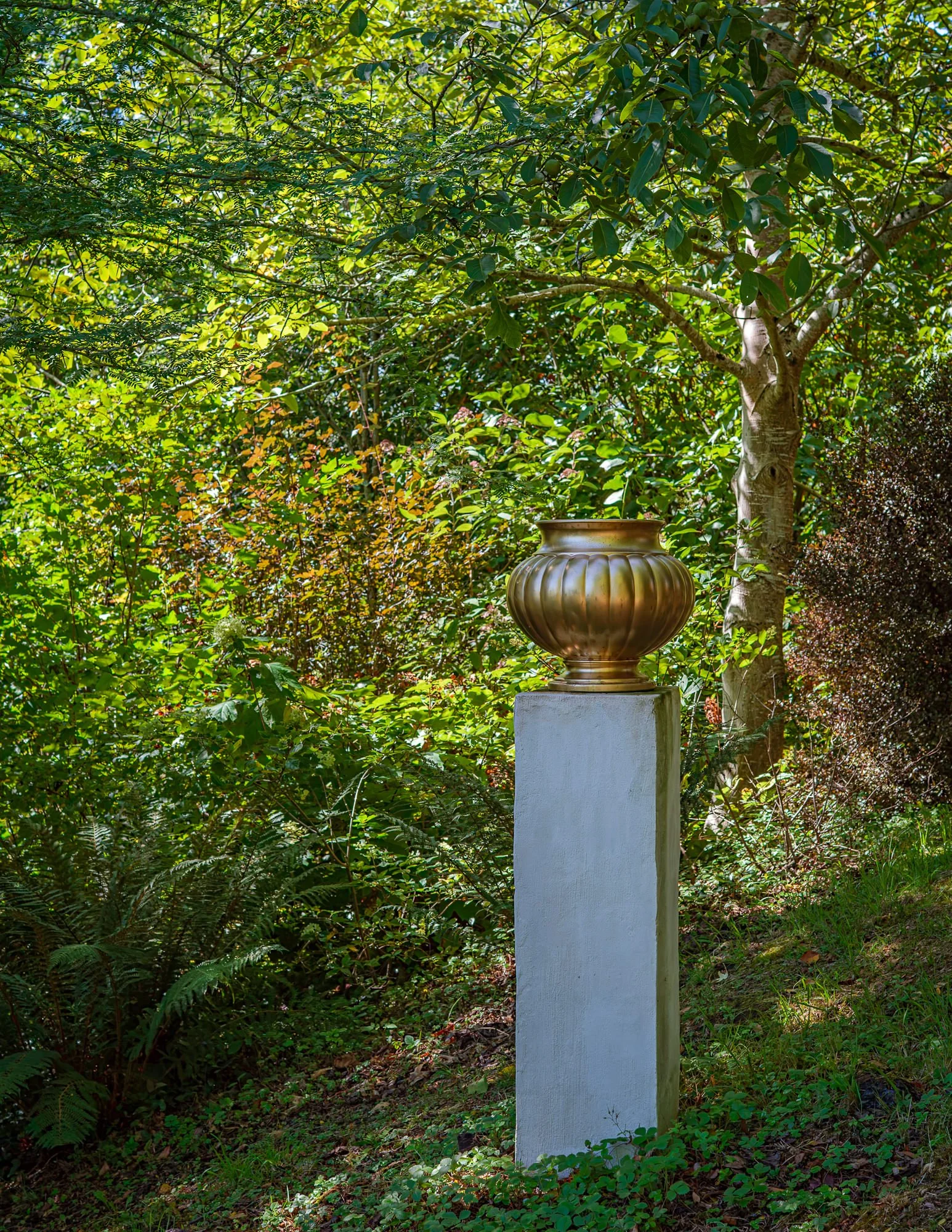
We tend to plough our own furrow. Golden weathervane in a redwood circle? Fine. Cloud-pruned osmanthus? Nobody's coming to arrest me. It might look fabulous; it might look ridiculous and then collapse in a heap. But that's the whole point – gardening lets you be creative for your own selfish pleasure and generally away from prying, judging eyes. Unless you choose to put the results on the internet for all to see.
Of course, exercising one's creative instincts can bring creative differences to light. Who knew ornamental grasses could be such a bone of contention? Movement, delicacy, informality – what's not to like?
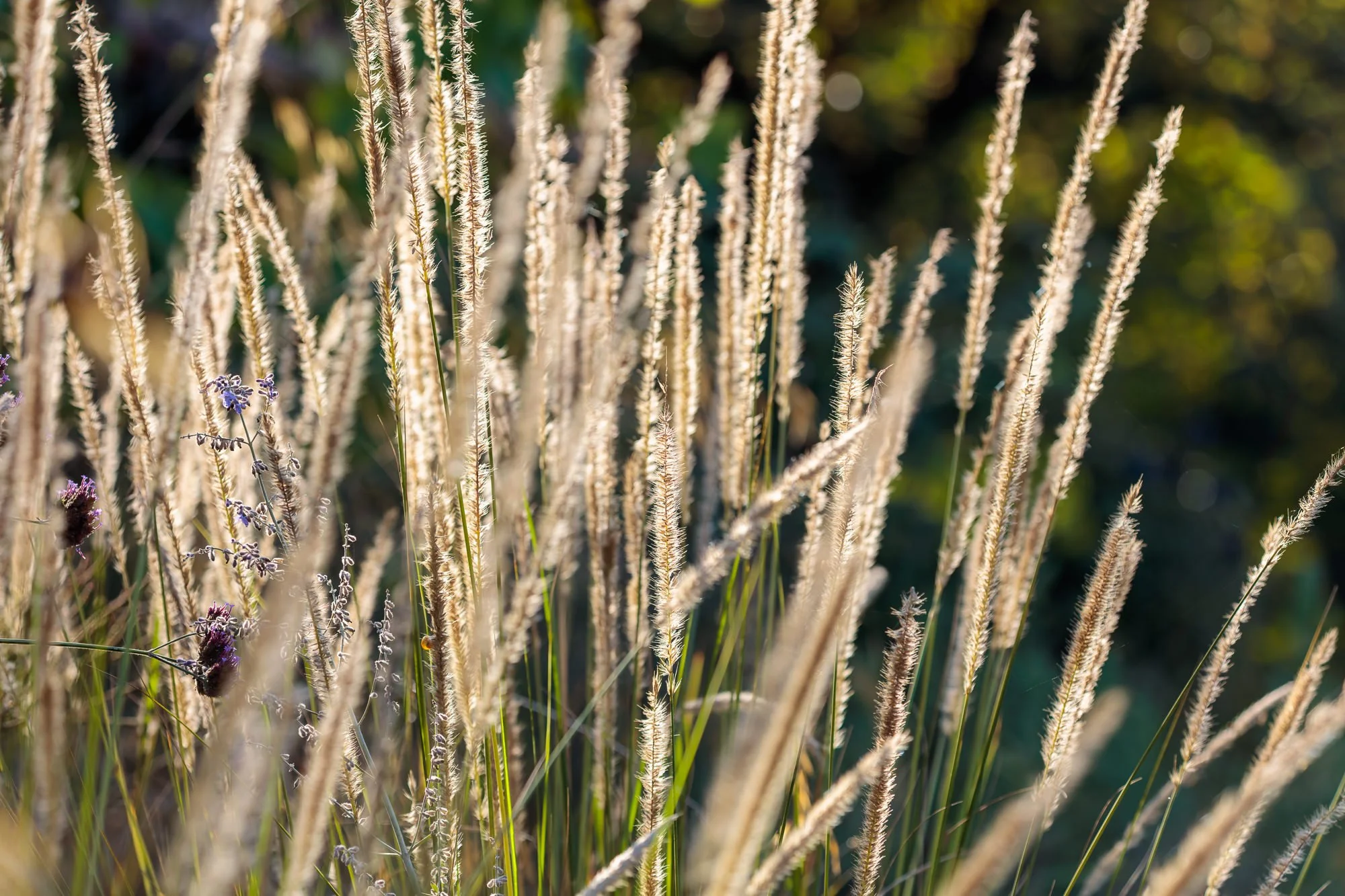
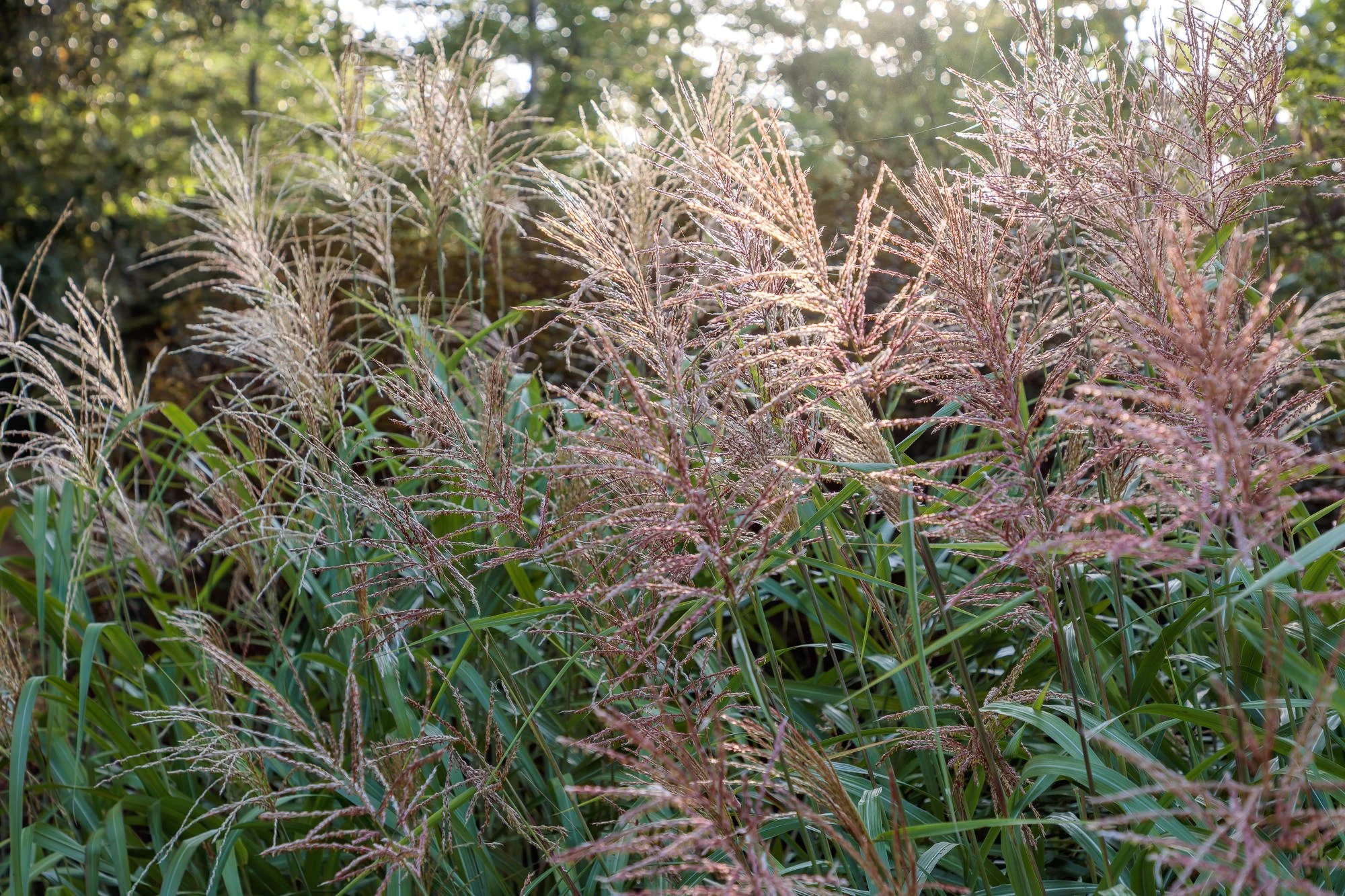
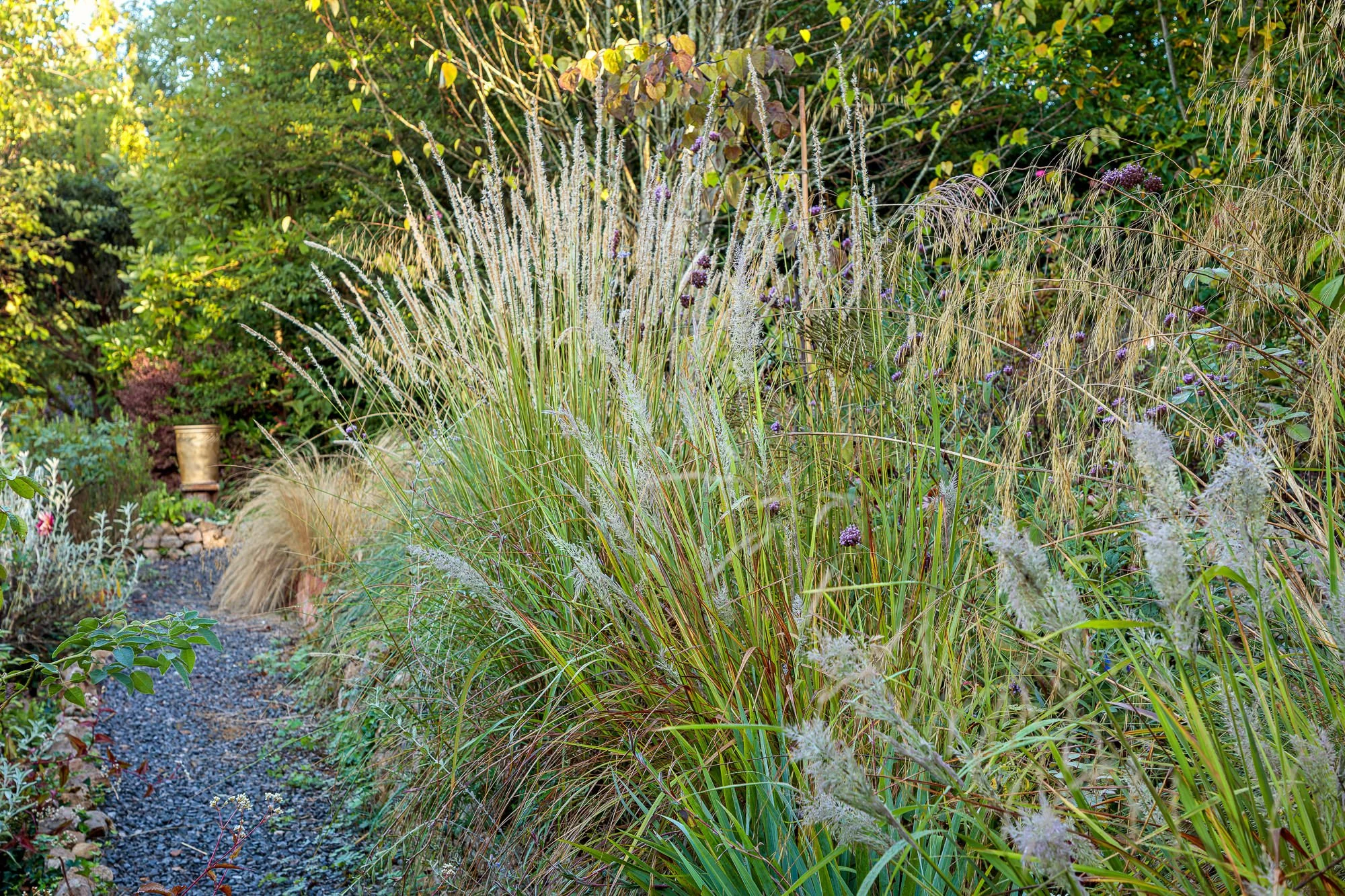
Some people, apparently, have yet to see a miscanthus they didn't want to burn to the ground. You win some, you lose some – they've now been banished to the sweetgum avenue, leaving just the odd well-behaved calamagrostis, pennisetum, deschampsia and stipa to enliven the terraces. The art of compromise in action.
Above all, gardening satisfies the urge to impose a little of ourselves on the world around us. There is a particular pleasure in taking an unpromising piece of ground and imagining what it might become. And that's where having a resident photographer comes in handy.
It's all well and good assembling a collection of plants. That's exactly how I started out – with roses, oaks, epimediums and daylilies among other plant obsessions. I was tempted to set them all out in straight lines, neatly labelled and easily maintained. Until someone pointed out that I might like to consider such things as leading the eye onwards, framing a view, using complementary colours and contrasting textures to add interest to a scene.
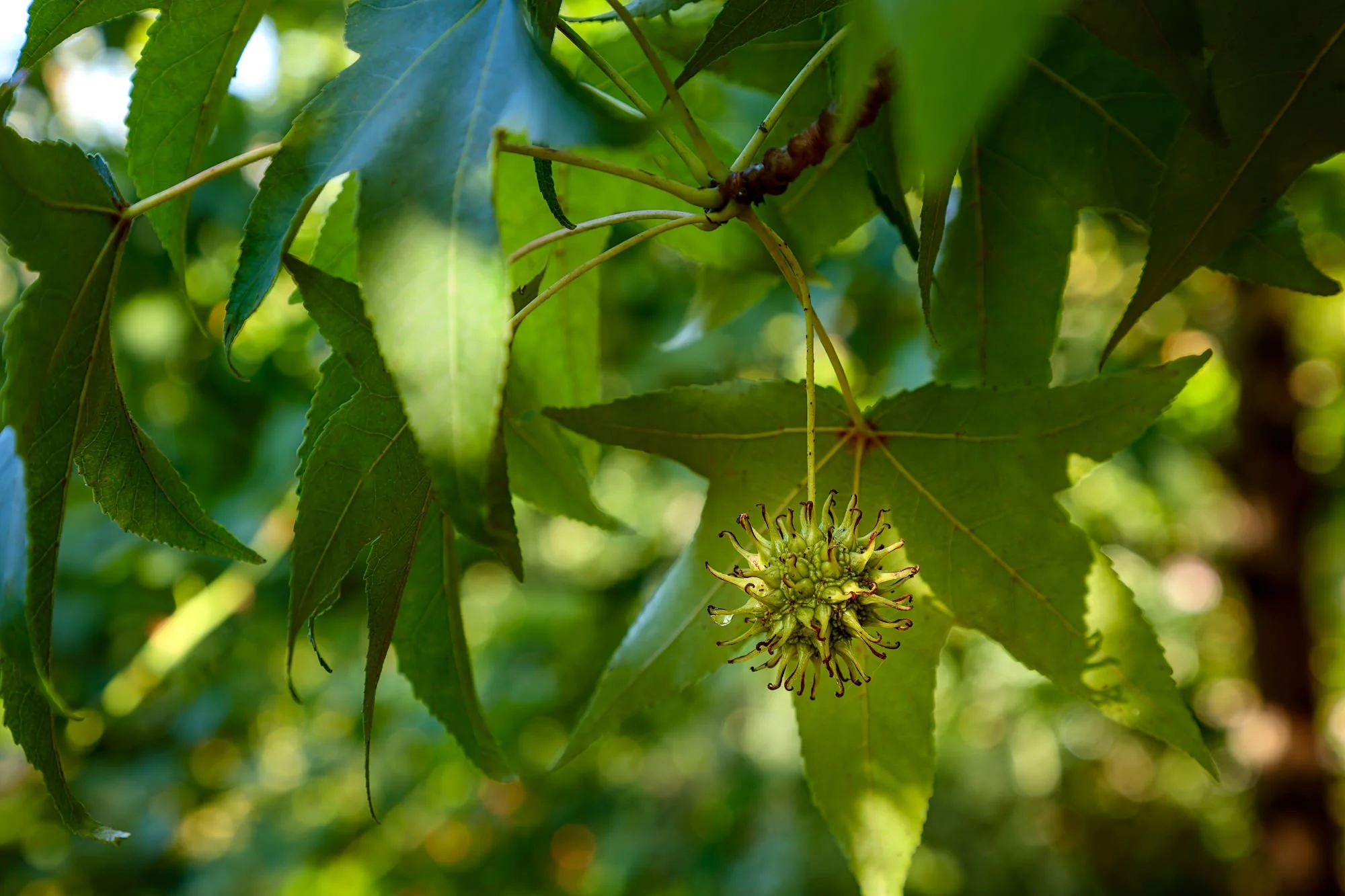
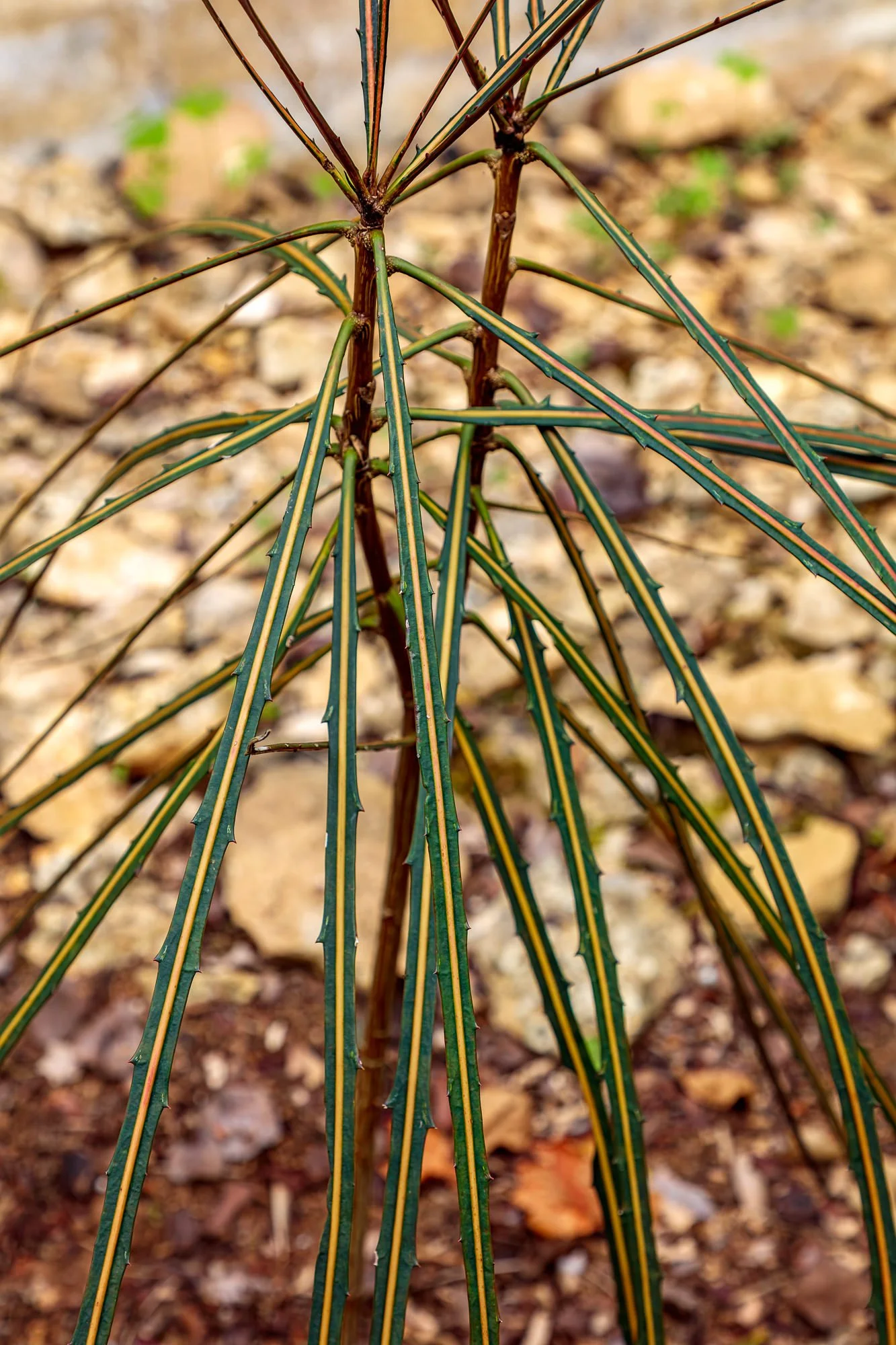
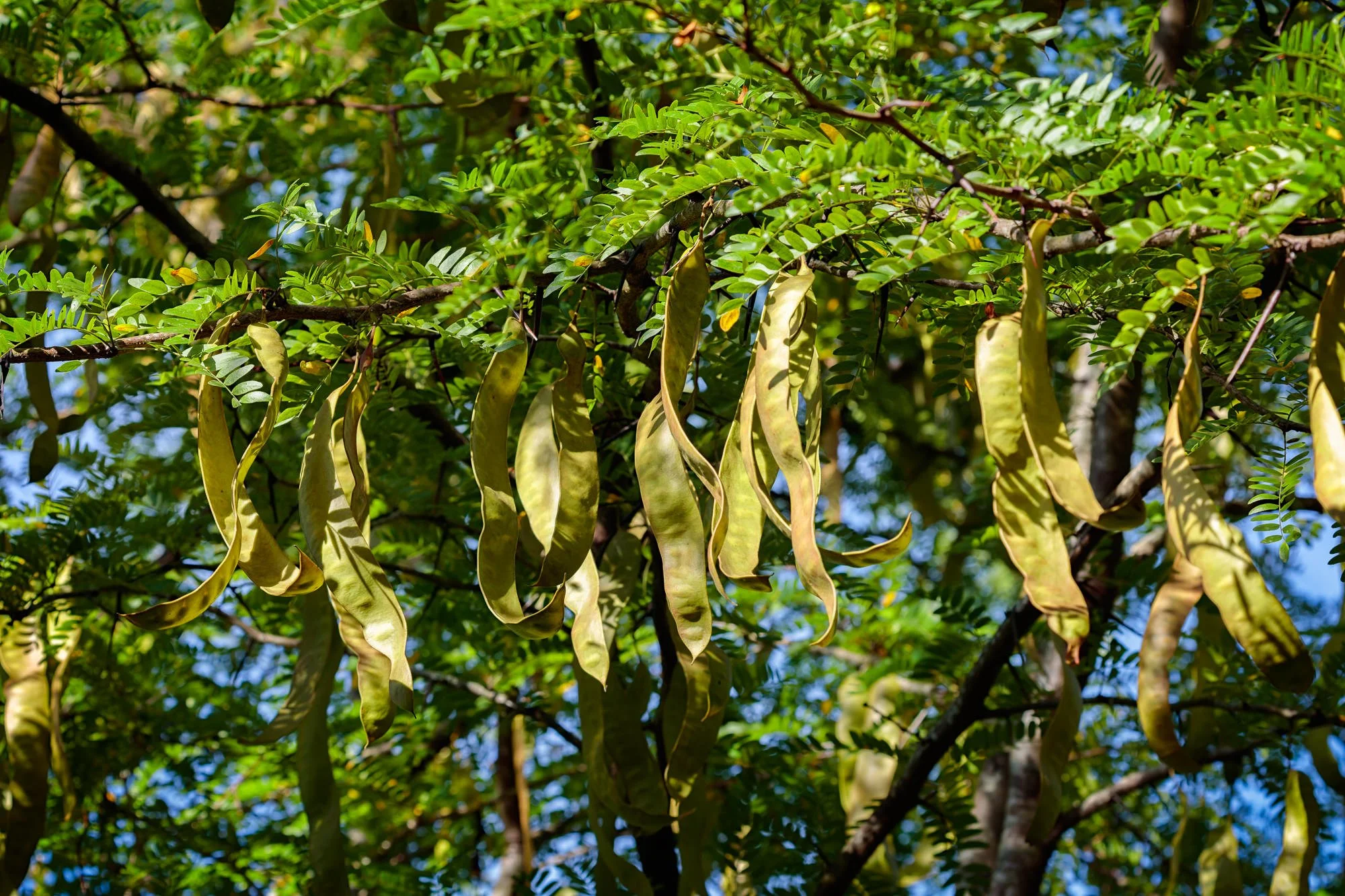
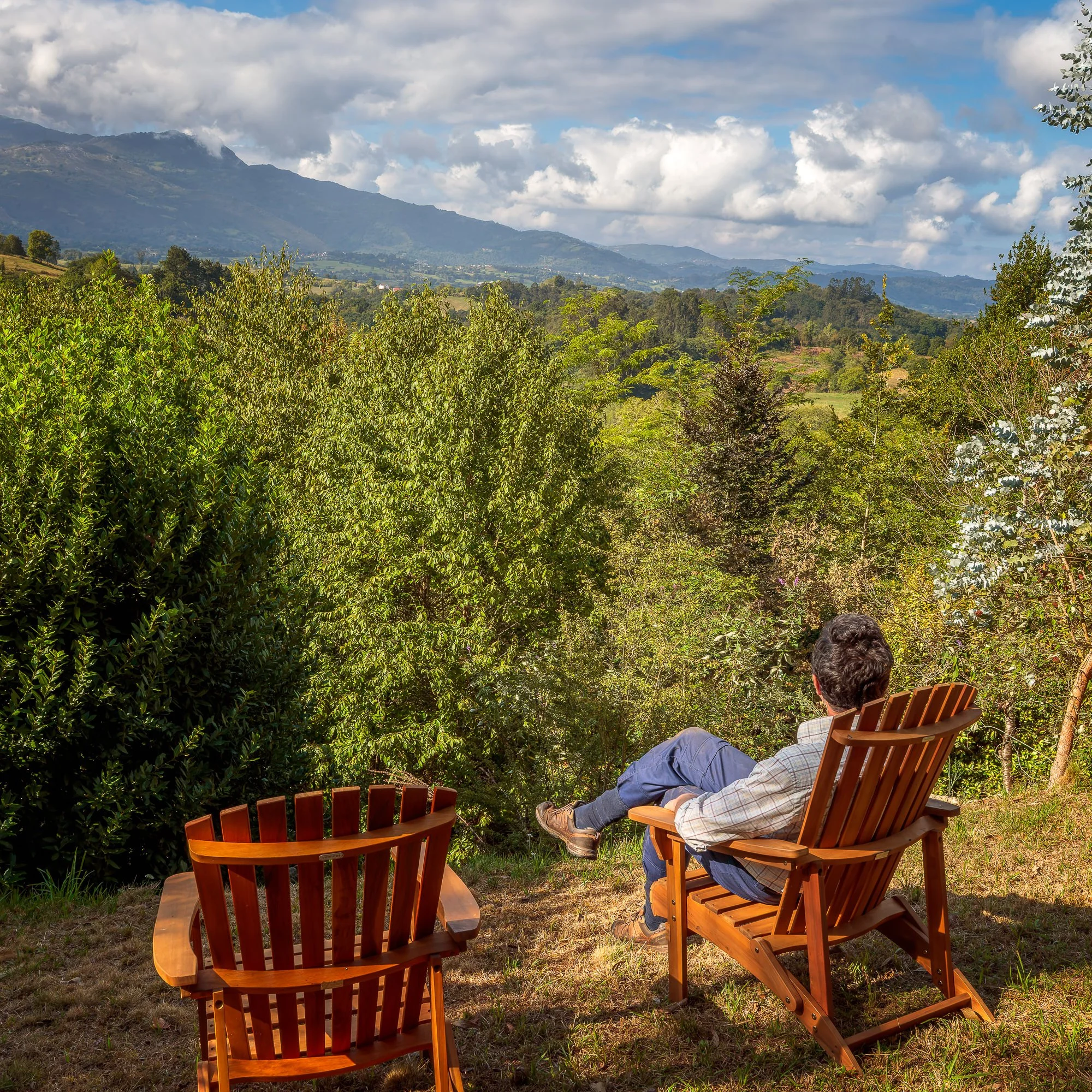
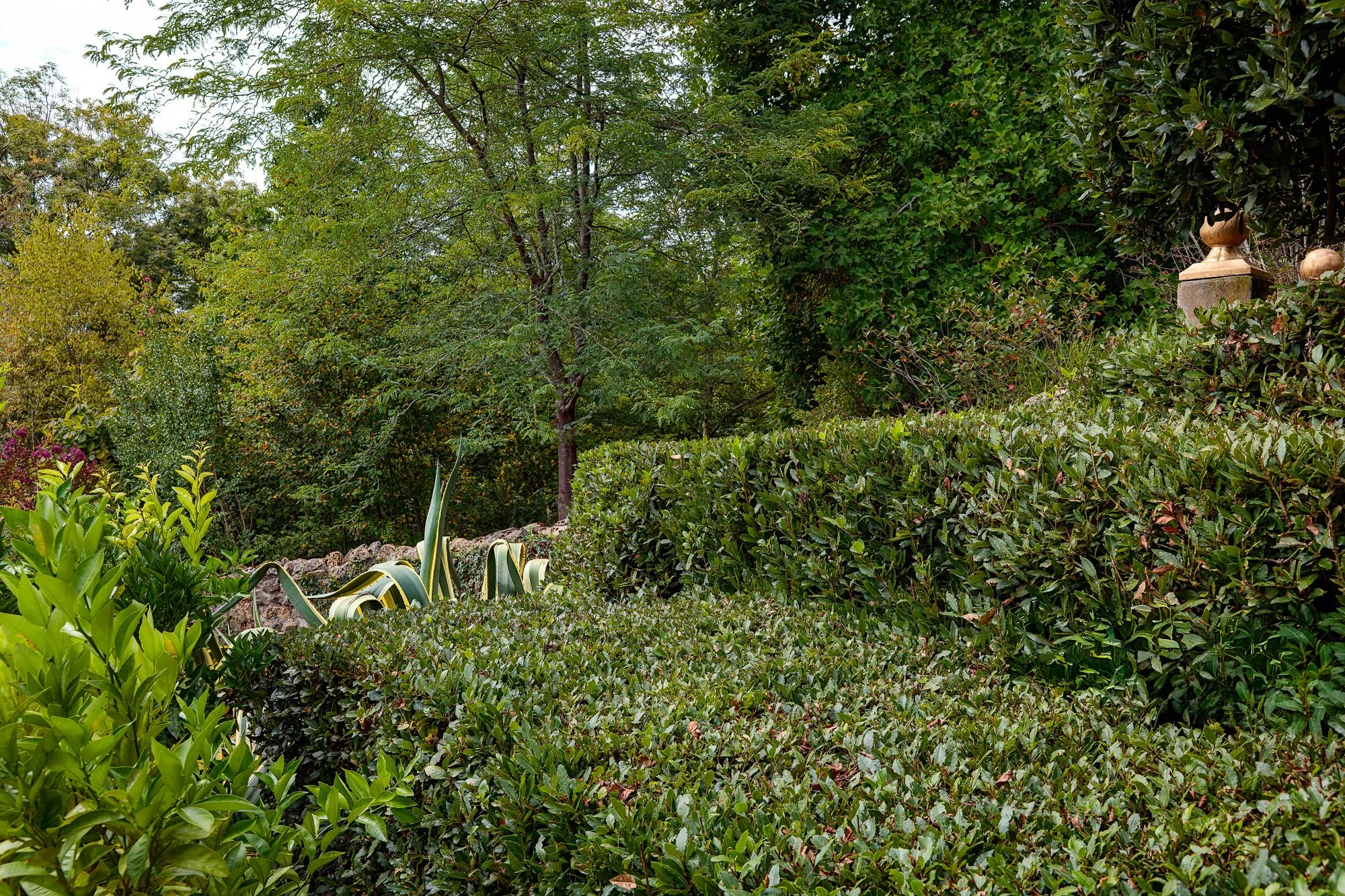
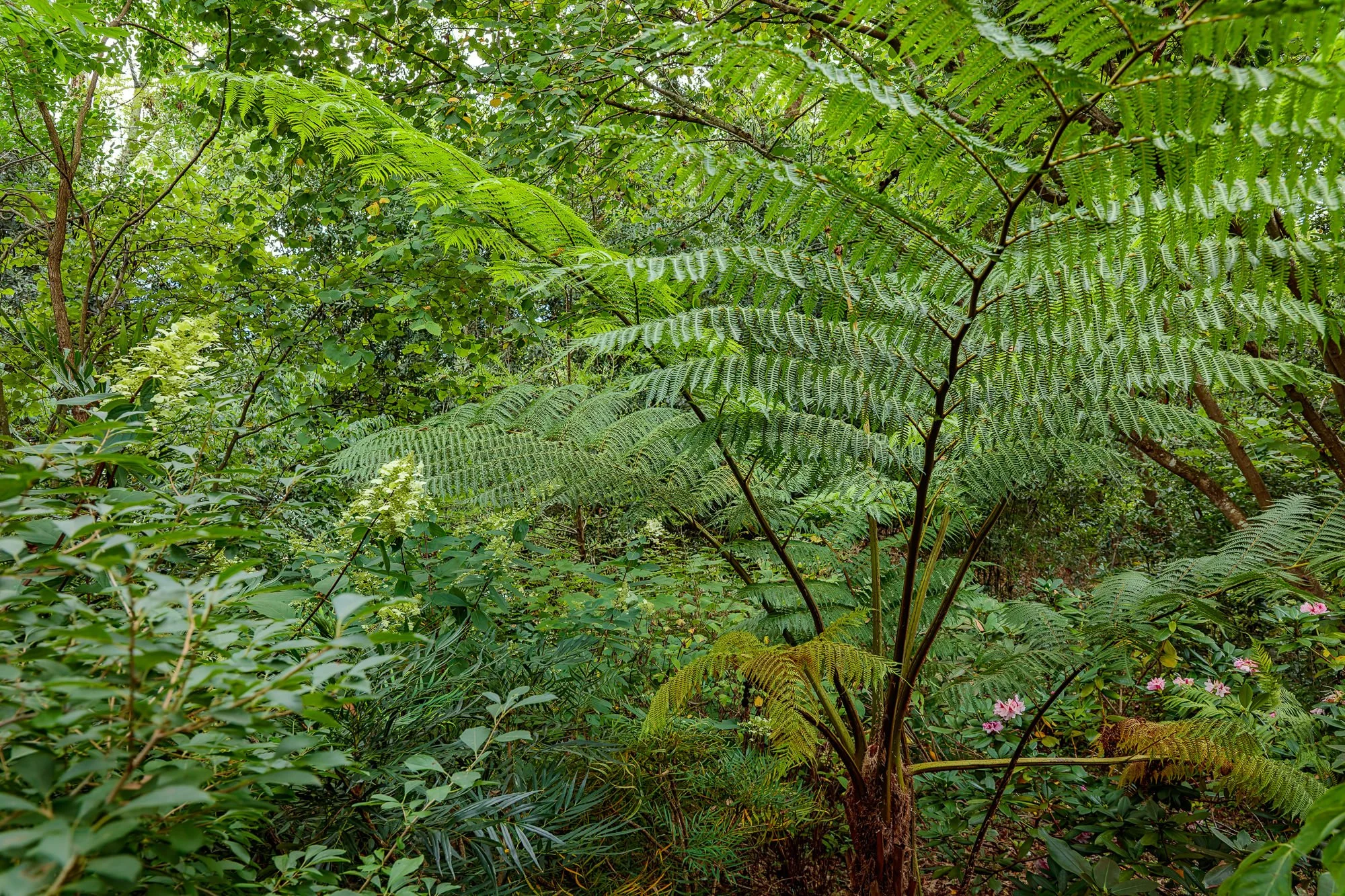
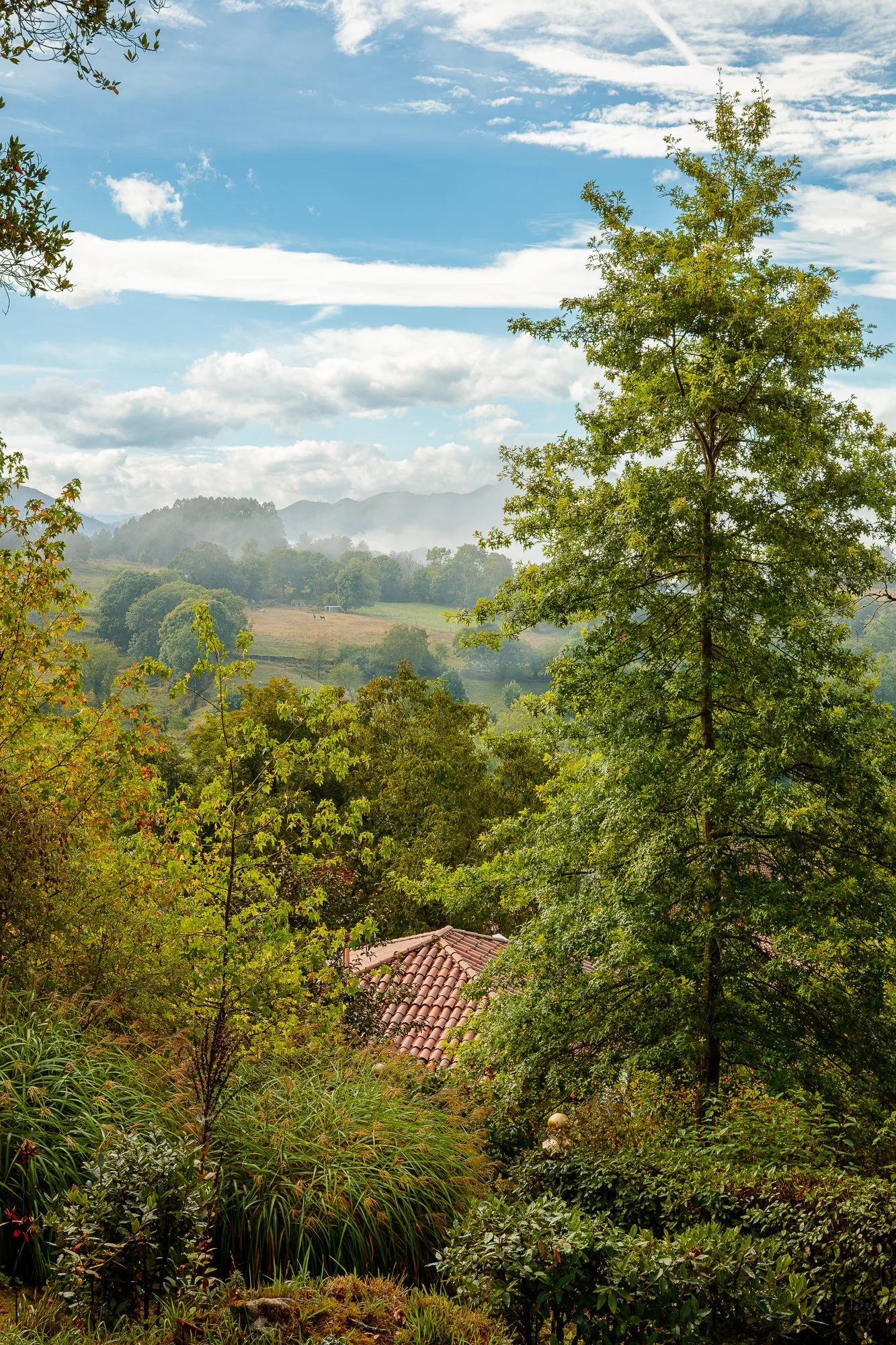
The real challenge, though, is creating atmosphere – the trickiest quality to nail in a young garden. You can plant everything correctly and still end up with a jumble of plants rather than a coherent sense of place. It takes time but the woodland is starting to project that aura of peace and tranquility that I'd hoped for, while the hilltop reveals unexpected and dramatic views of distant peaks and the terraces overwhelm with immersive exuberance. A work in progress, but we're getting there.
Curiosity
If the adventure playground keeps us physically fit and composing scenes satisfies our creative urges, curiosity is what keeps us going when things don't always go to plan. Gardening is a huge subject — history, design, botany, soil science, climate, and the eternal question of why a plant thrives in one spot and turns up its toes mere yards away.
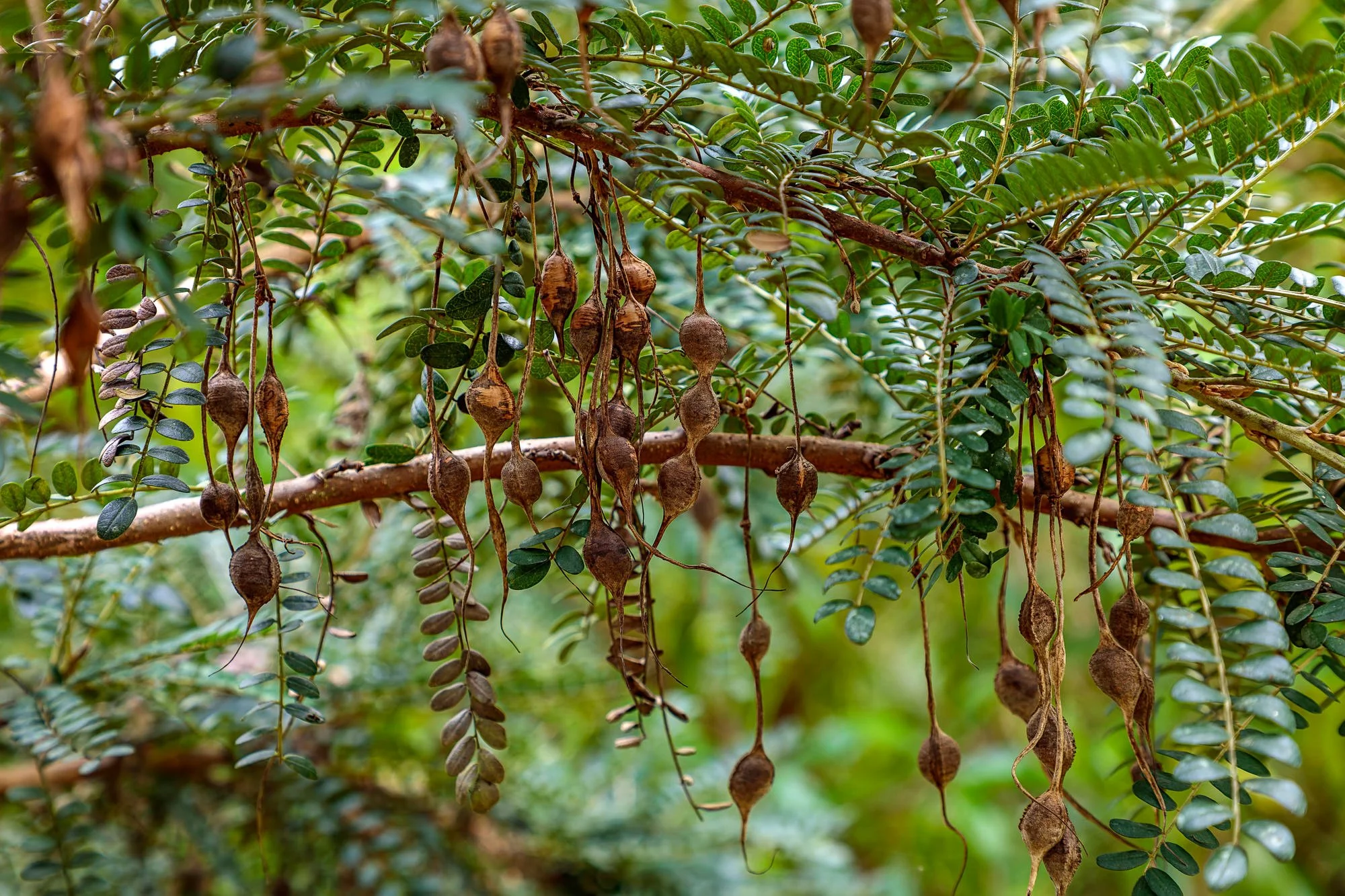
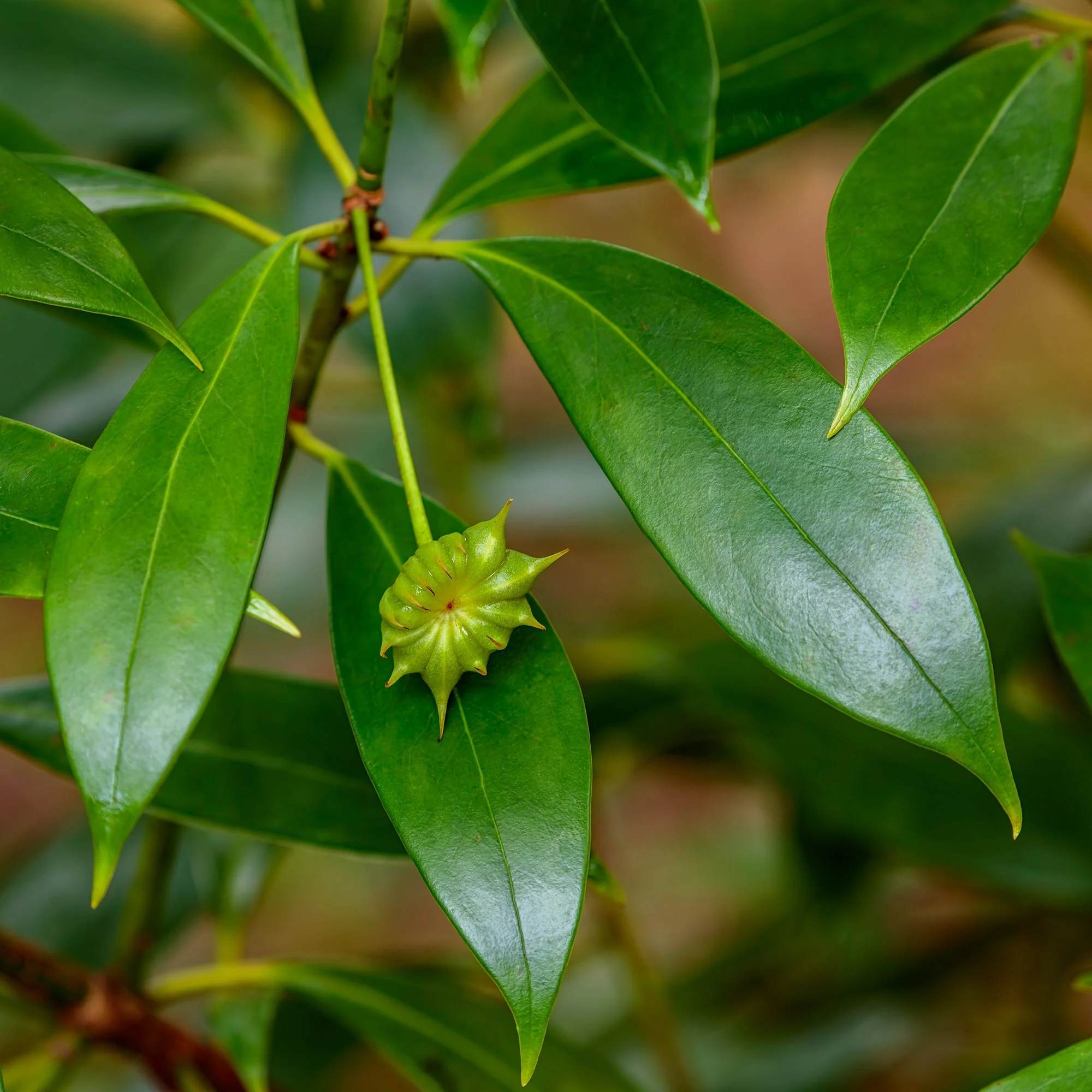
This garden is one giant experiment. Our prized gordlinia is living its best life while right next door the franklinia that provided half its DNA longs for the eastern seaboard. Go figure. Eryngiums have been a total bust every single time – the perfect sunny, well-drained conditions and somehow I manage to kill Eryngium 'Picos Blue' within sight of the actual Picos de Europa. A katsura dropped its toffee-scented leaves for the last time after one dry spell too many; a eucryphia shuffled off pining for lush Chilean forests.
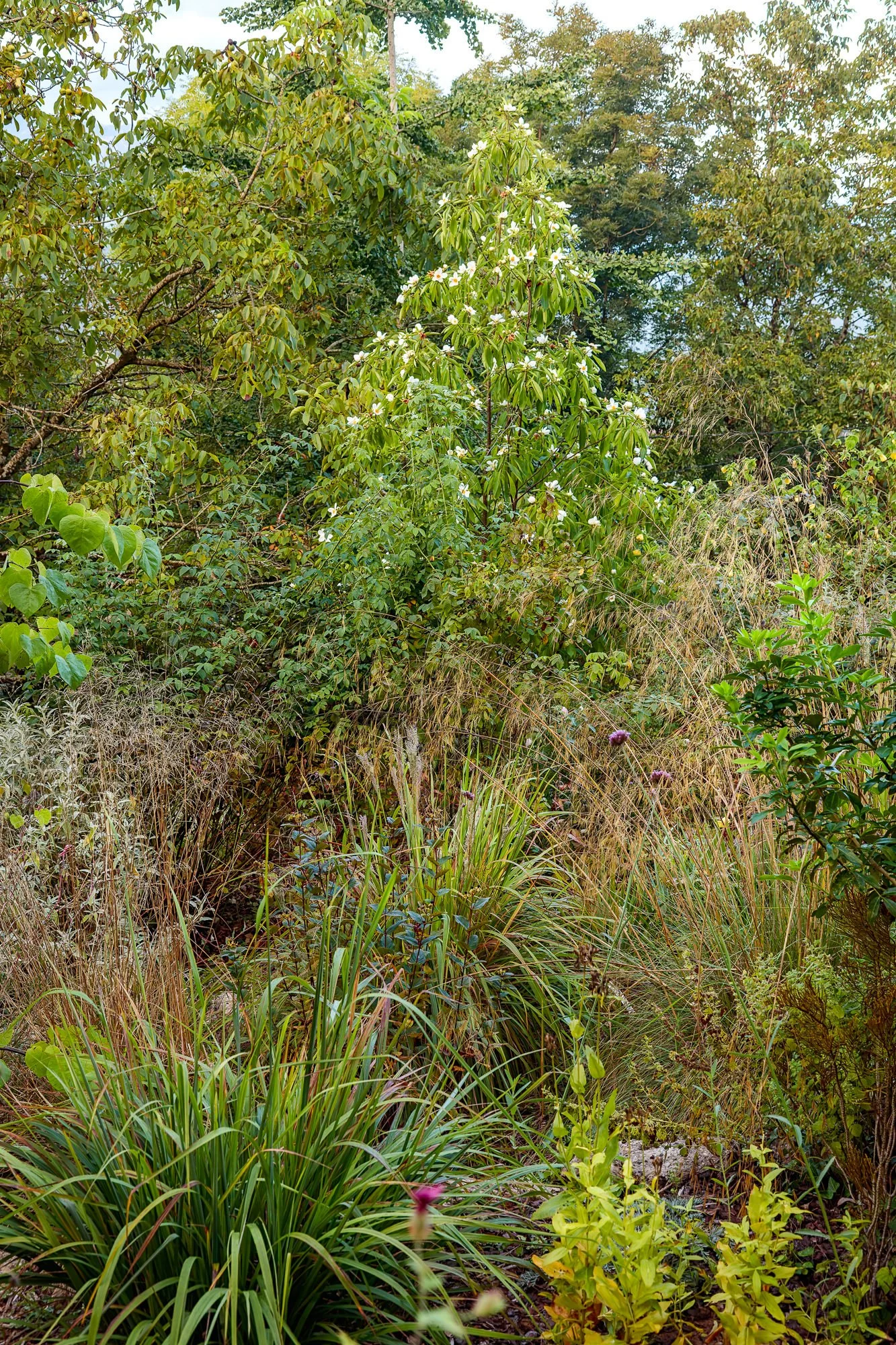
Then there are the grafted plants that have failed spectacularly. Grevillea, oak and dogwood — the tops died back while the rootstocks went from strength to strength. The results? A Grevillea robusta sprouting out of a shrubbery, a Quercus cerris digging in at the top of the hill and more Cornus alba 'Sibirica' than you can shake a coloured stick at.
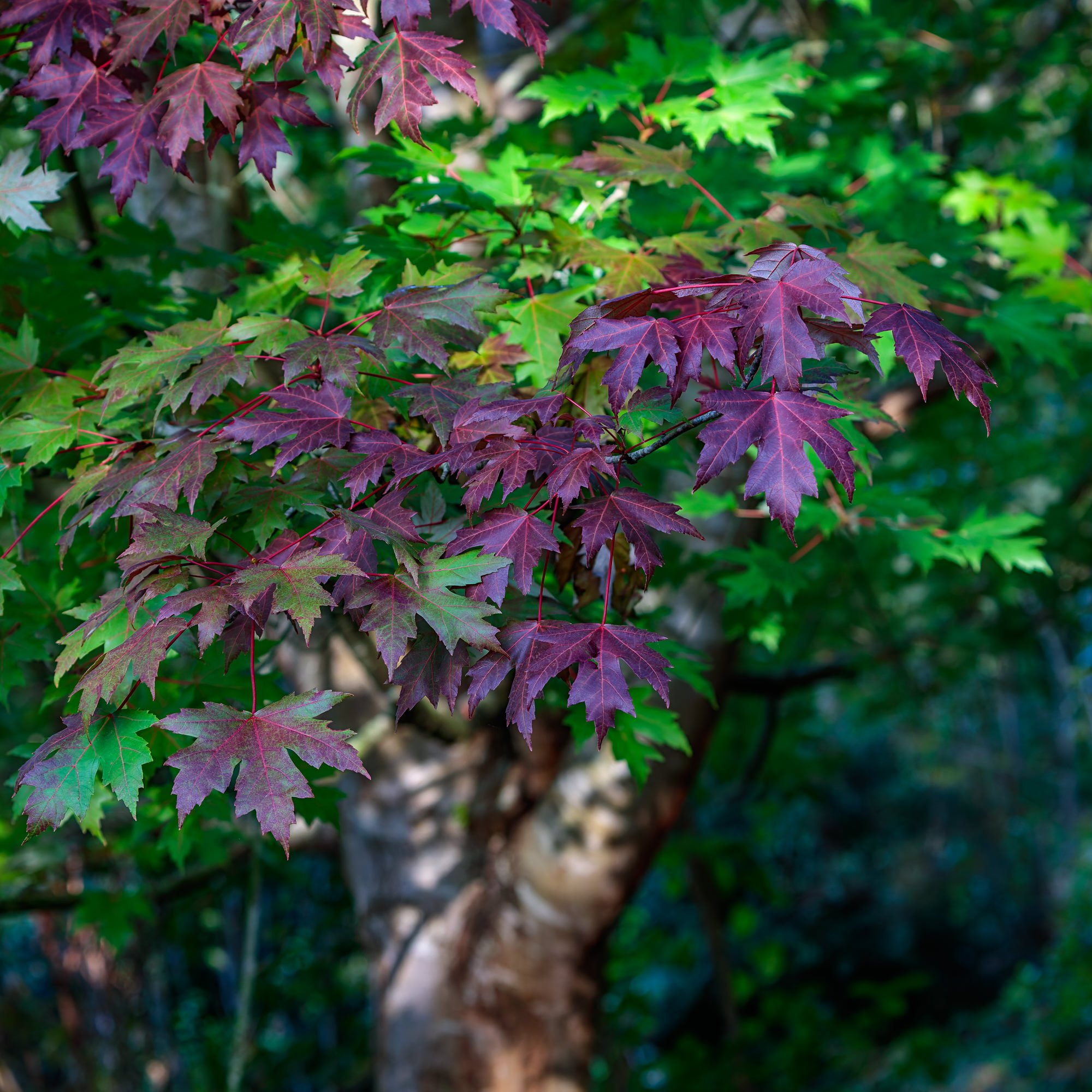
We make our choices, the plants make theirs. Self-seeders will invariably spring up in the middle of a path, while Japanese irises, daylilies and camellias thrive in the hottest, driest spots they can find. Yet more plants that haven't read the textbooks and have a better understanding of the garden's quirks than we do.
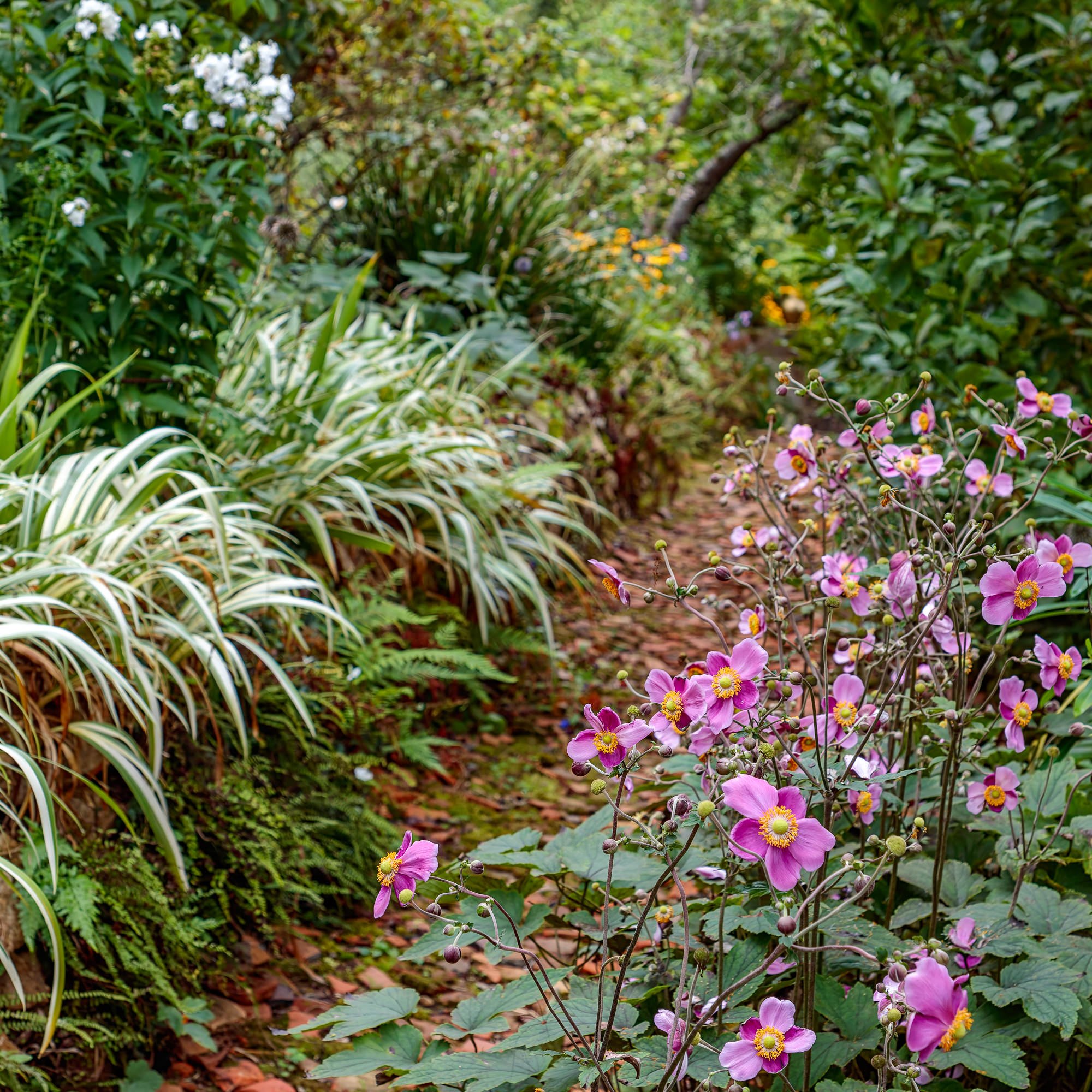
Much of the appeal of gardening lies in discovering what happens next. We're constantly learning, often through failure, occasionally through luck. Sometimes a plant decides to do something entirely unexpected. And before you know it, you've learnt something new.
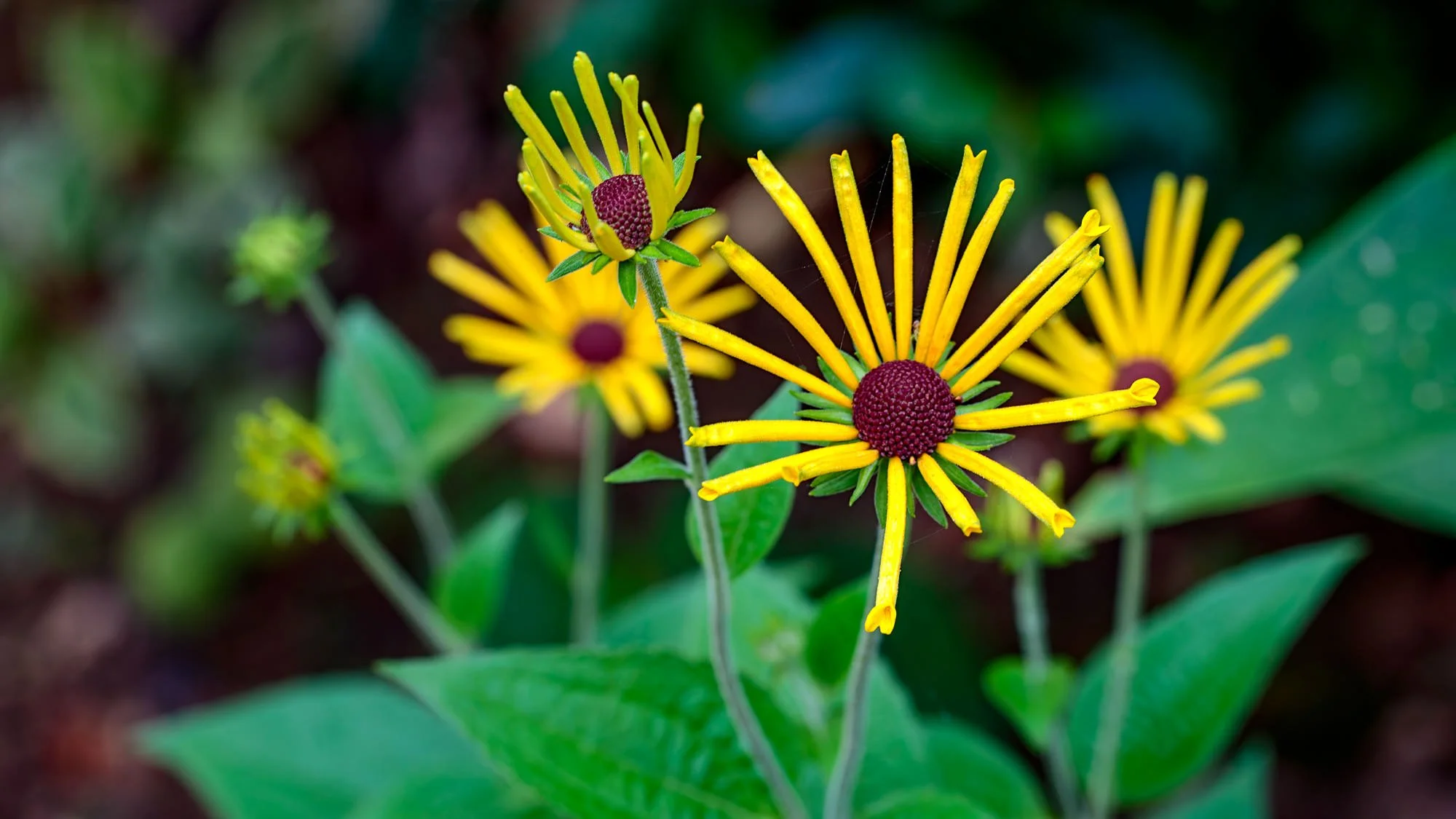
So, why do we garden? Mainly because this garden is never going to be finished. There is always another plant to try, new combinations to explore. And perhaps that's the real attraction. A garden is not simply a place that you maintain. It's a space that you inhabit, physically and emotionally. You put your time into it, your energy, your ideas and, occasionally, a ridiculous amount of money.
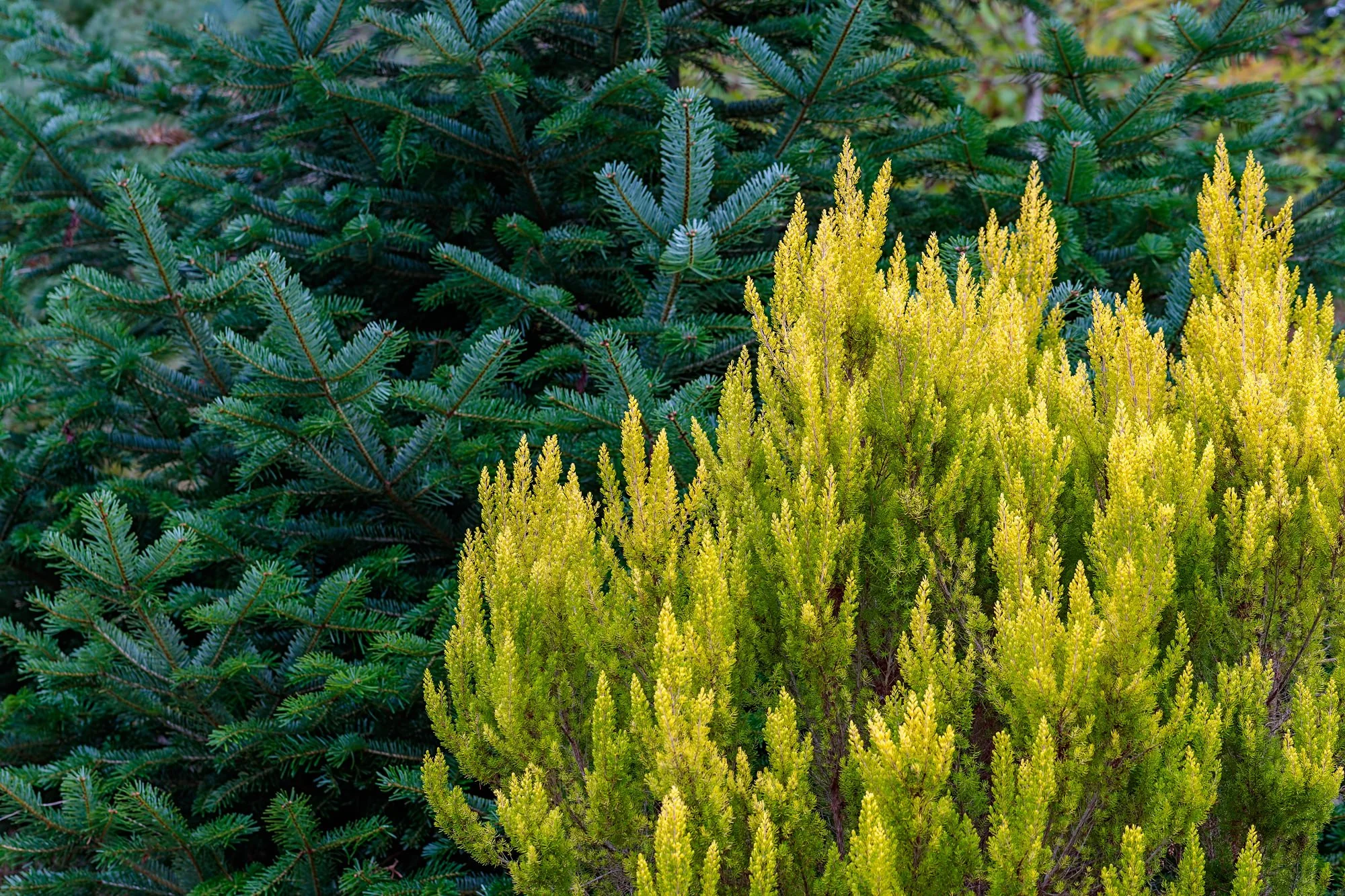
In return, it gives you something that is difficult to find elsewhere: the opportunity to spend your days carving out a spot that is entirely your own, while never quite knowing what it's going to become.
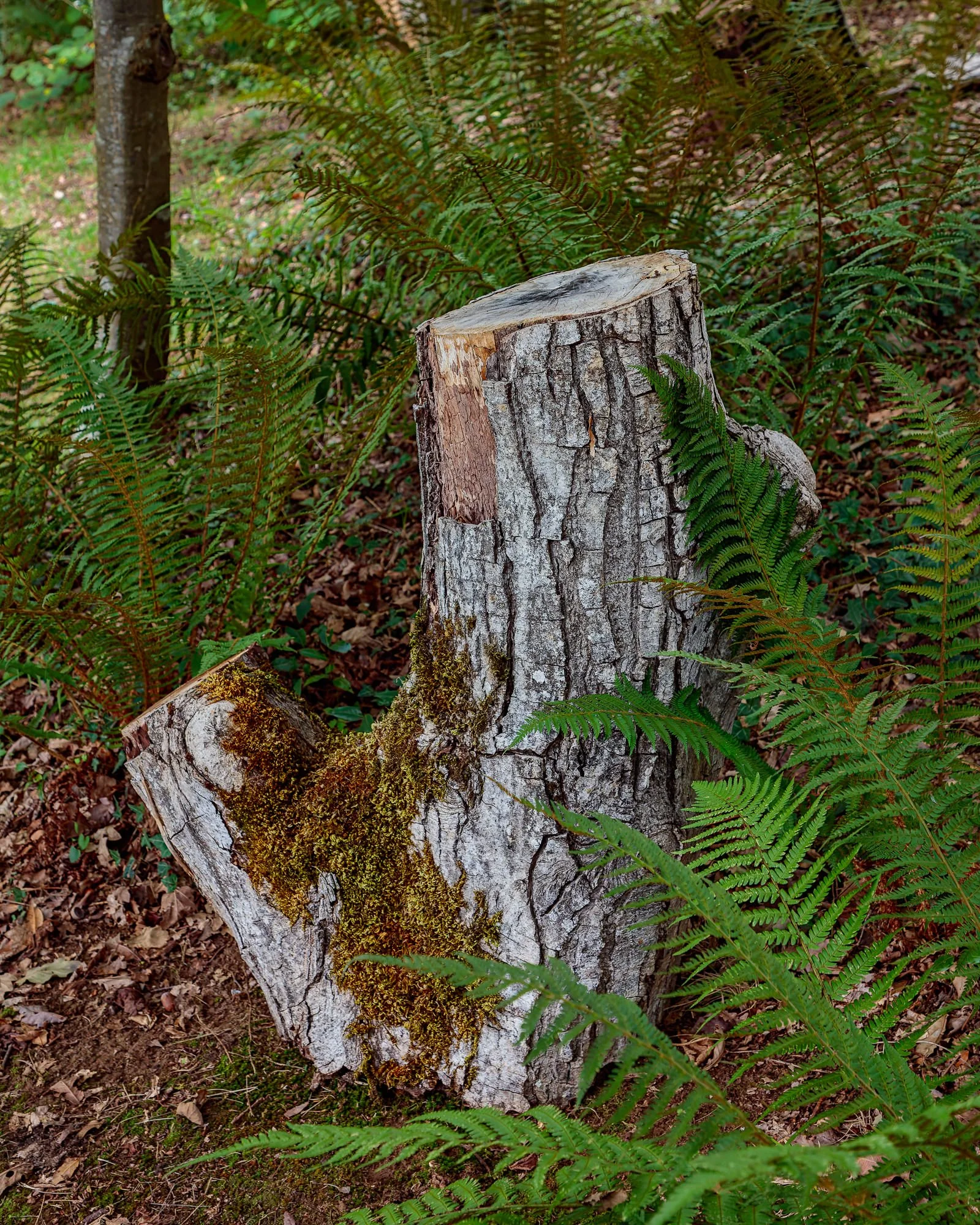
Tomorrow there's a hillside to mow, newcomers to water and geraniums to split. And somewhere out there, some pesky plant, probably an eryngium, is waiting to teach me a lesson.