Powis Castle
A garden that can't afford to wilt
25 September 2026
By: James Lennox
It has been a brutal summer for British gardens. Record heat, a drought that turned lawns the colour of digestive biscuits, and a general sense that the only rational response is to down tools and start researching the price of artificial grass.
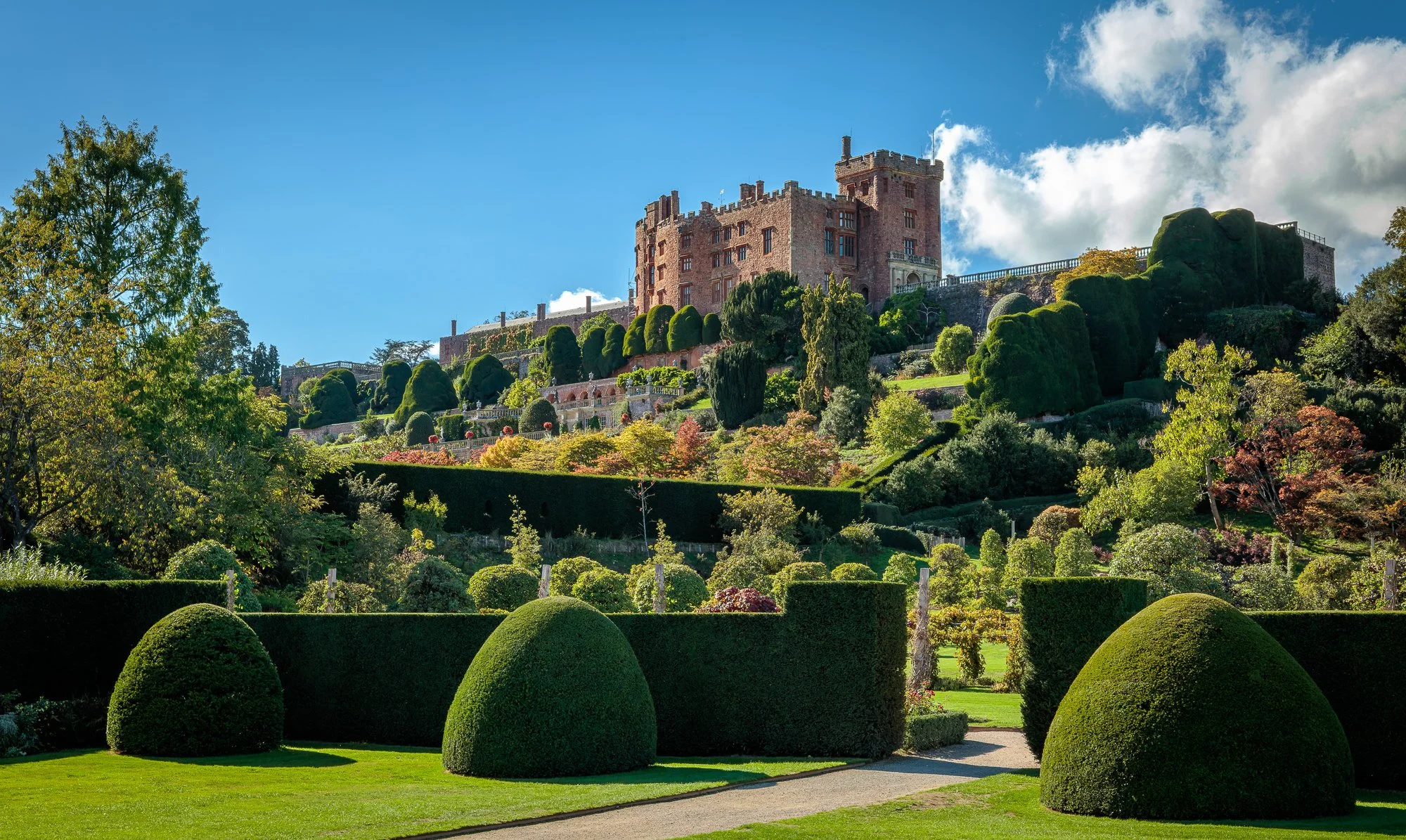
At La Corolla we have the option (very rarely exercised) of sitting by the pond with a good book when it all gets too much. A garden open to the public just has to man up. Professional pride and demanding visitors mean the show must go on, however hard the hosepipe bans bite. Powis, perched on a red sandstone ridge in mid-Wales, was as good a place as any to see how a great garden copes when the weather refuses to play ball.
The garden's history involves a sequence of hyperactive bursts followed by indolent longueurs resulting in a complex layering of styles and the occasional regret. The first terraces were blasted out of the rock in the early 1680s for William Herbert, 1st Marquess of Powis, who fled to France with James II before the job was finished.
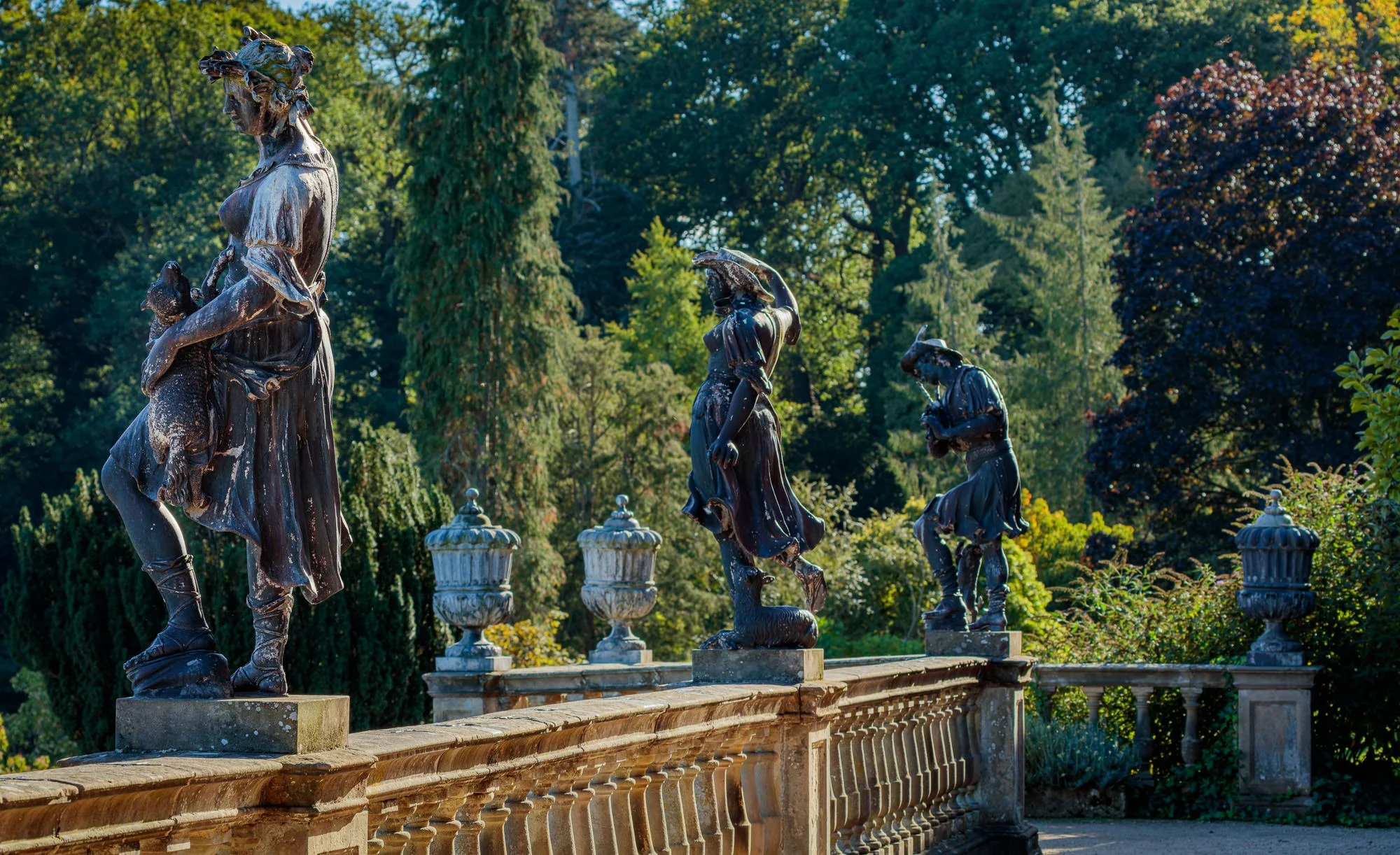
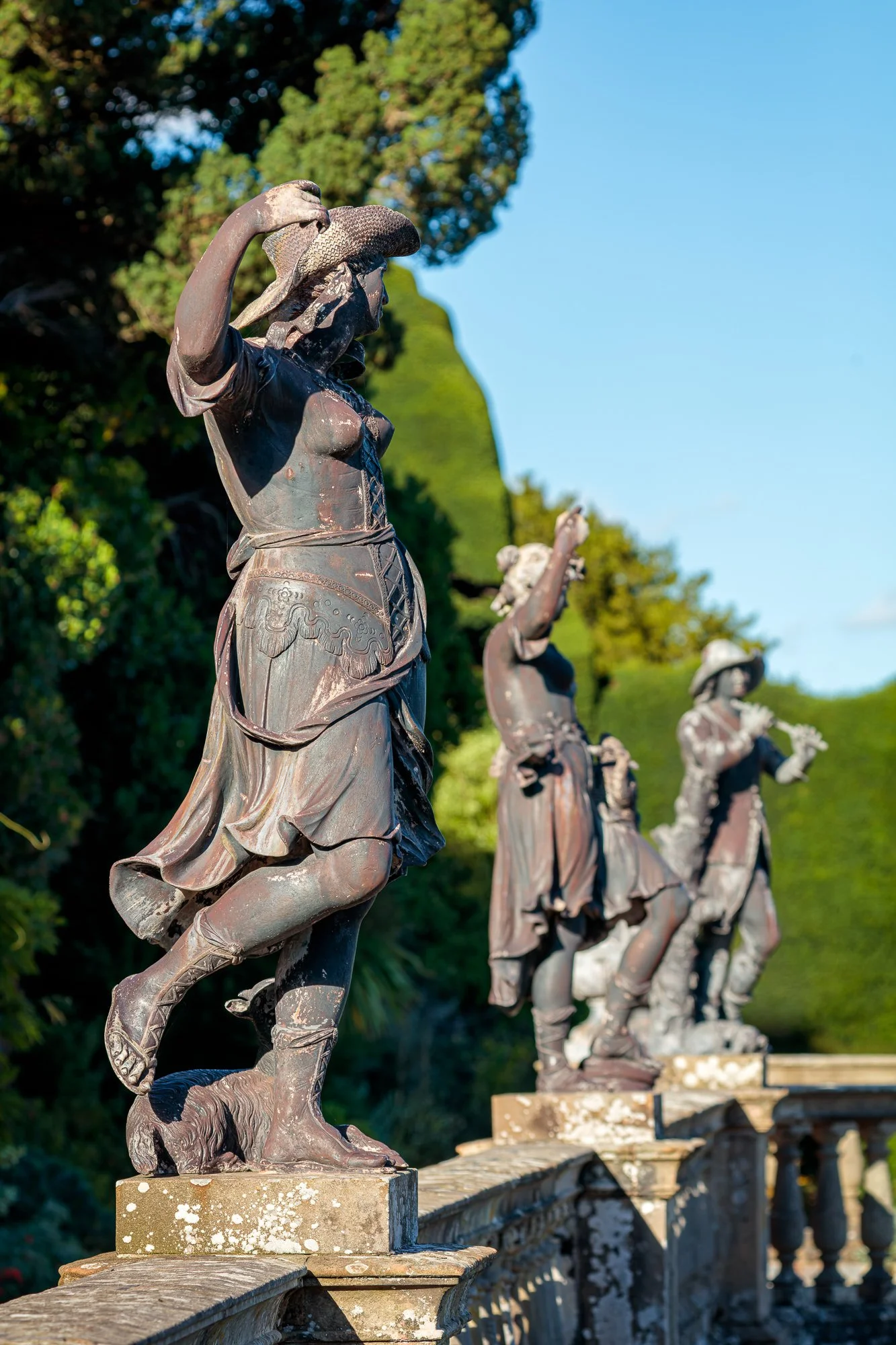
Baroque flourishes were added from 1703 onwards: grand Italianate terraces, a water garden and cascade, and lead statuary from the Van Nost workshop. The later 18th century added a landscape park to soften the formality.
In the early 20th century, Violet, Countess of Powis, turned the old kitchen garden into a formal Edwardian set piece. Later, National Trust head gardeners pushed the planting into more adventurous climes. And it's that streak of horticultural audacity, more than the 17th-century bones or subsequent history, that makes Powis worth the drive.
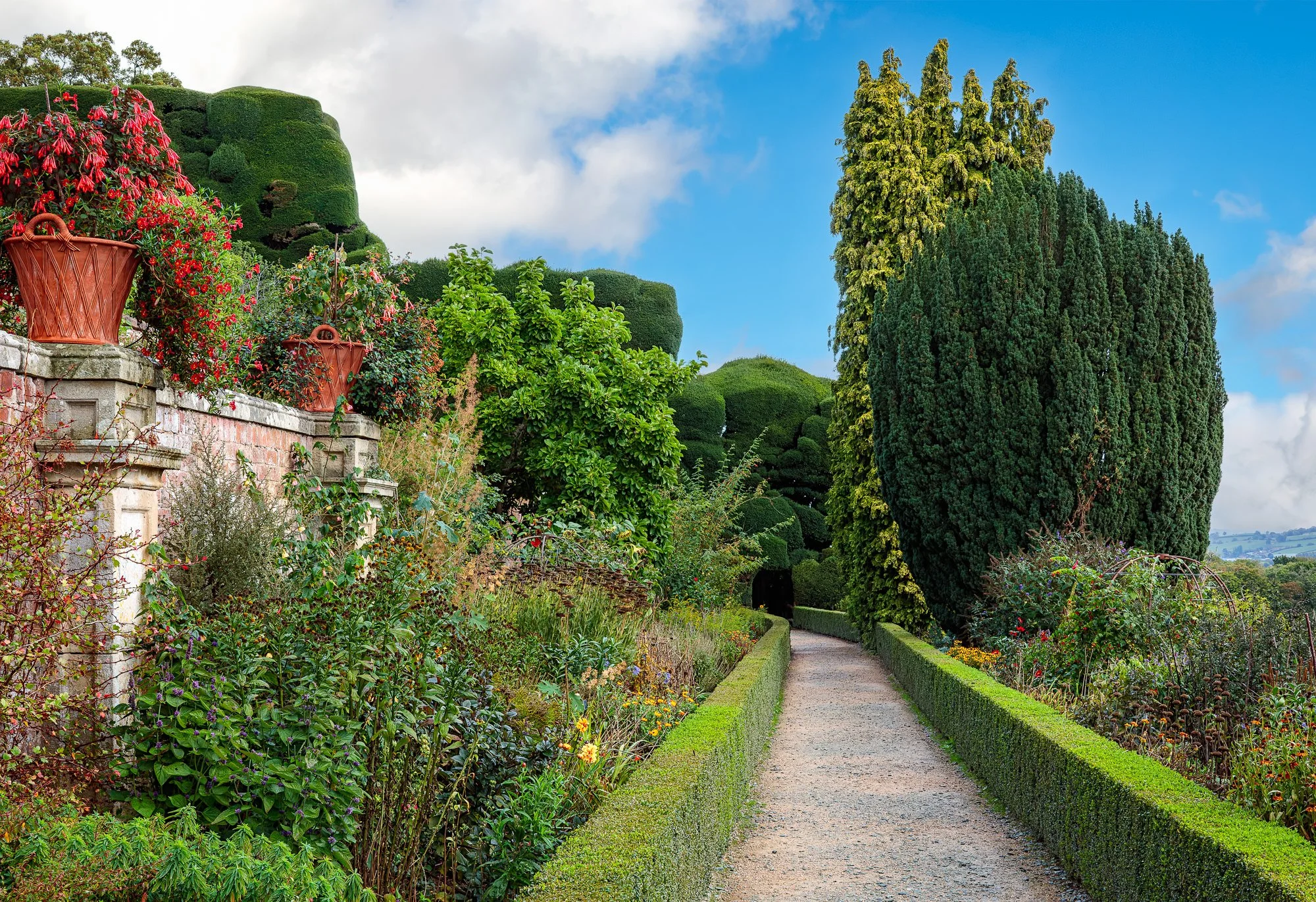
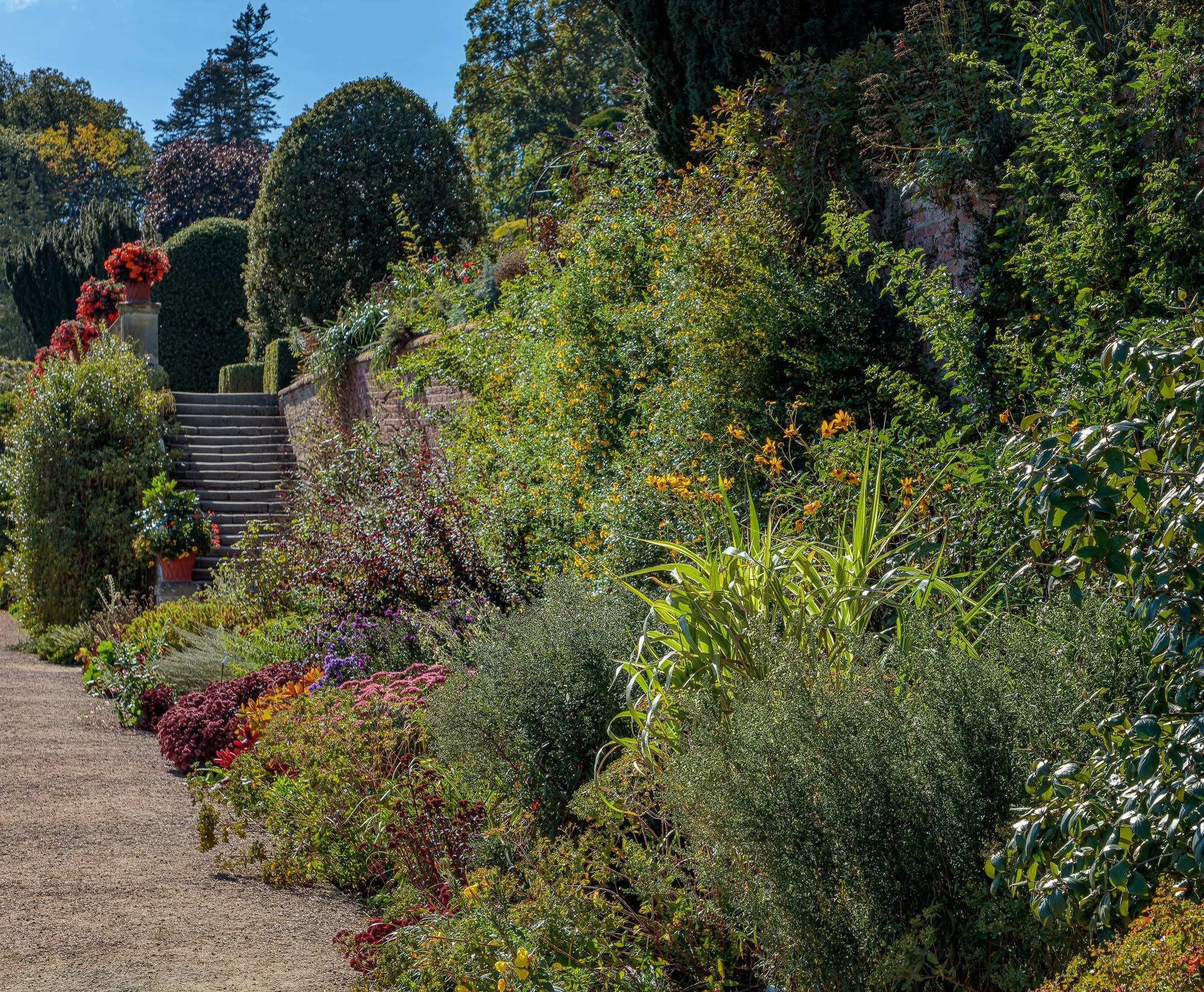
Nowhere is that bravado more evident than the Top Terrace's tropical border. Unusual salvias (S. oxophora and S. atrocyanea) flowering their socks off, spiky Solanum atropurpureum keeping trespassers at bay, bamboo and charming Hibiscus trionum lend the whole scene a genuine touch of the tropics. For once Chusan palms fit the theme rather than reminding one of Torquay and municipal bedding-out.
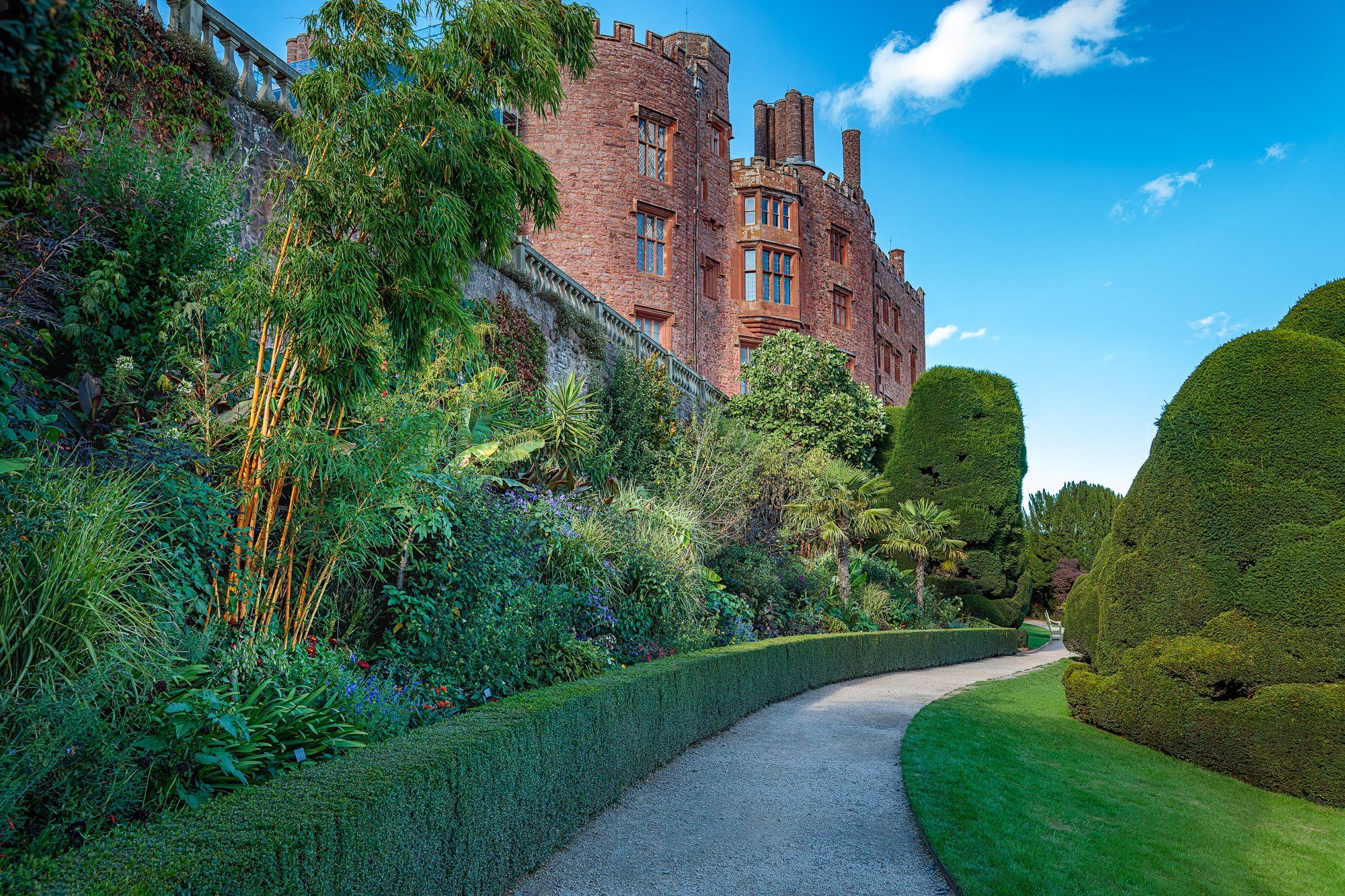
Is this is a vision of the future of British gardening? Probably not. As tempting as exuberant foliage and tender subtropical blooms might be in heatwave conditions, we're not quite in guaranteed frost-free territory yet.
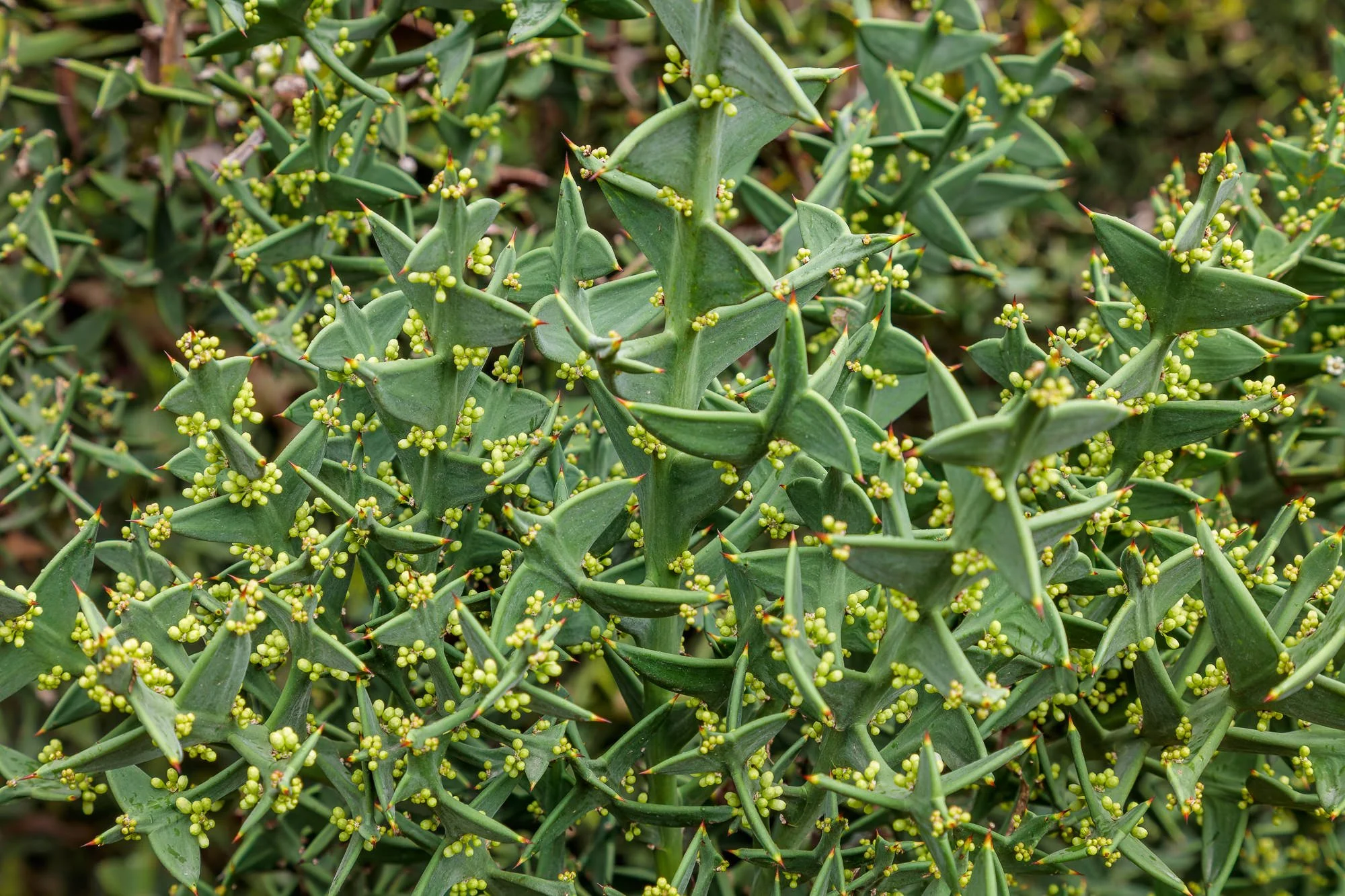
But there's something to be said for exploiting the opportunities afforded by a longer, warmer growing season, even if there still has to be a decent heated greenhouse and a reliable water supply hiding round the corner.
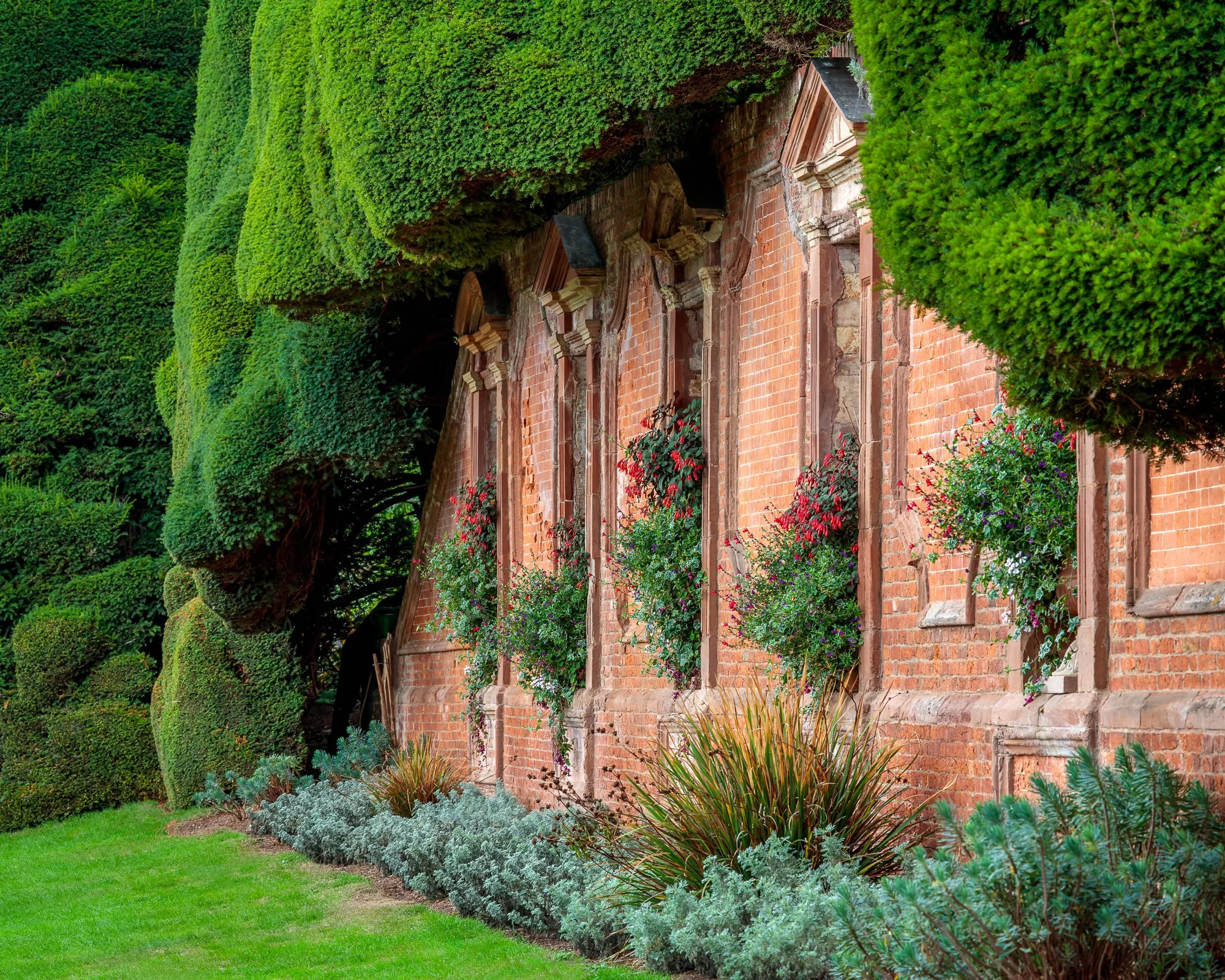
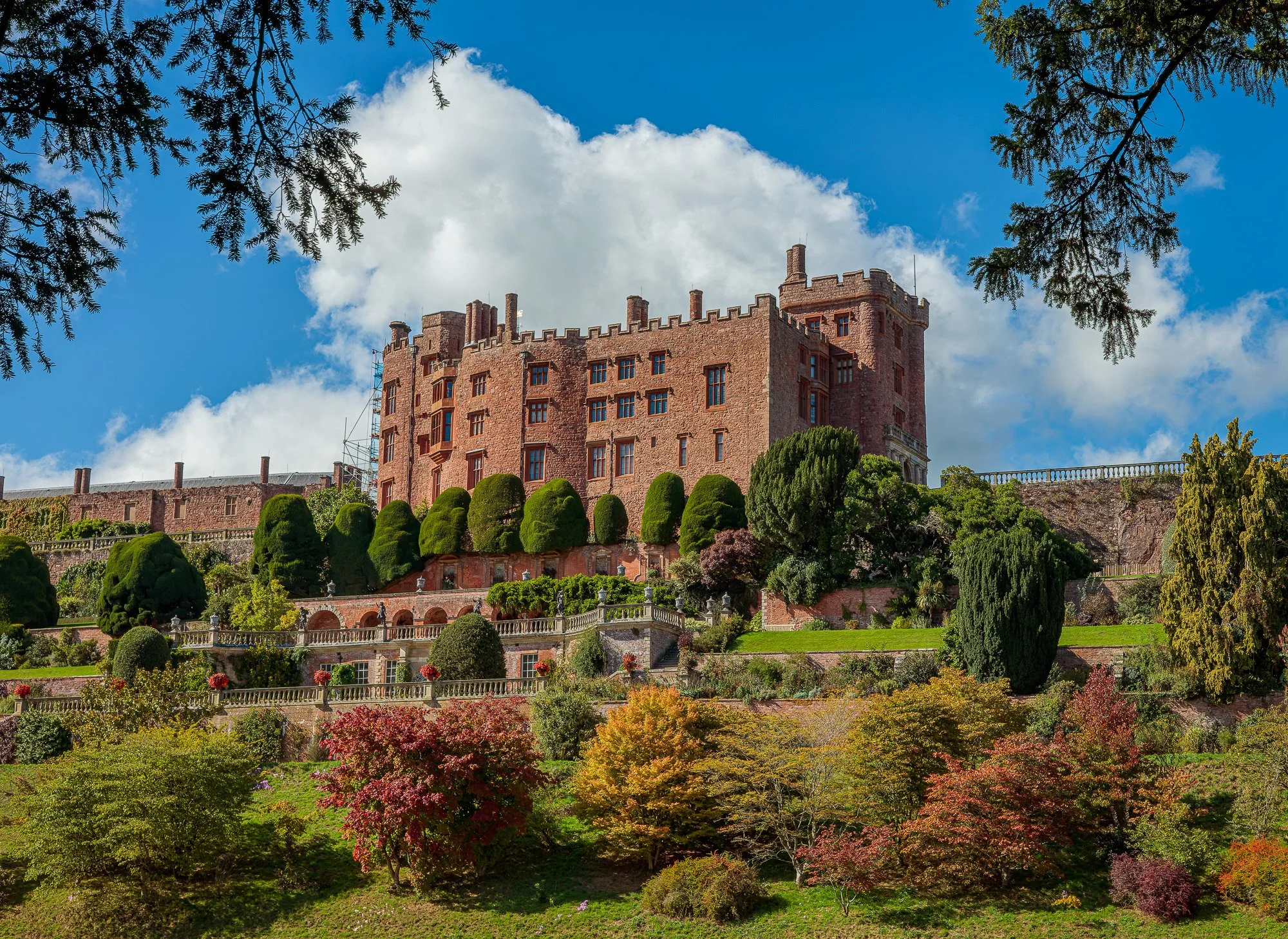
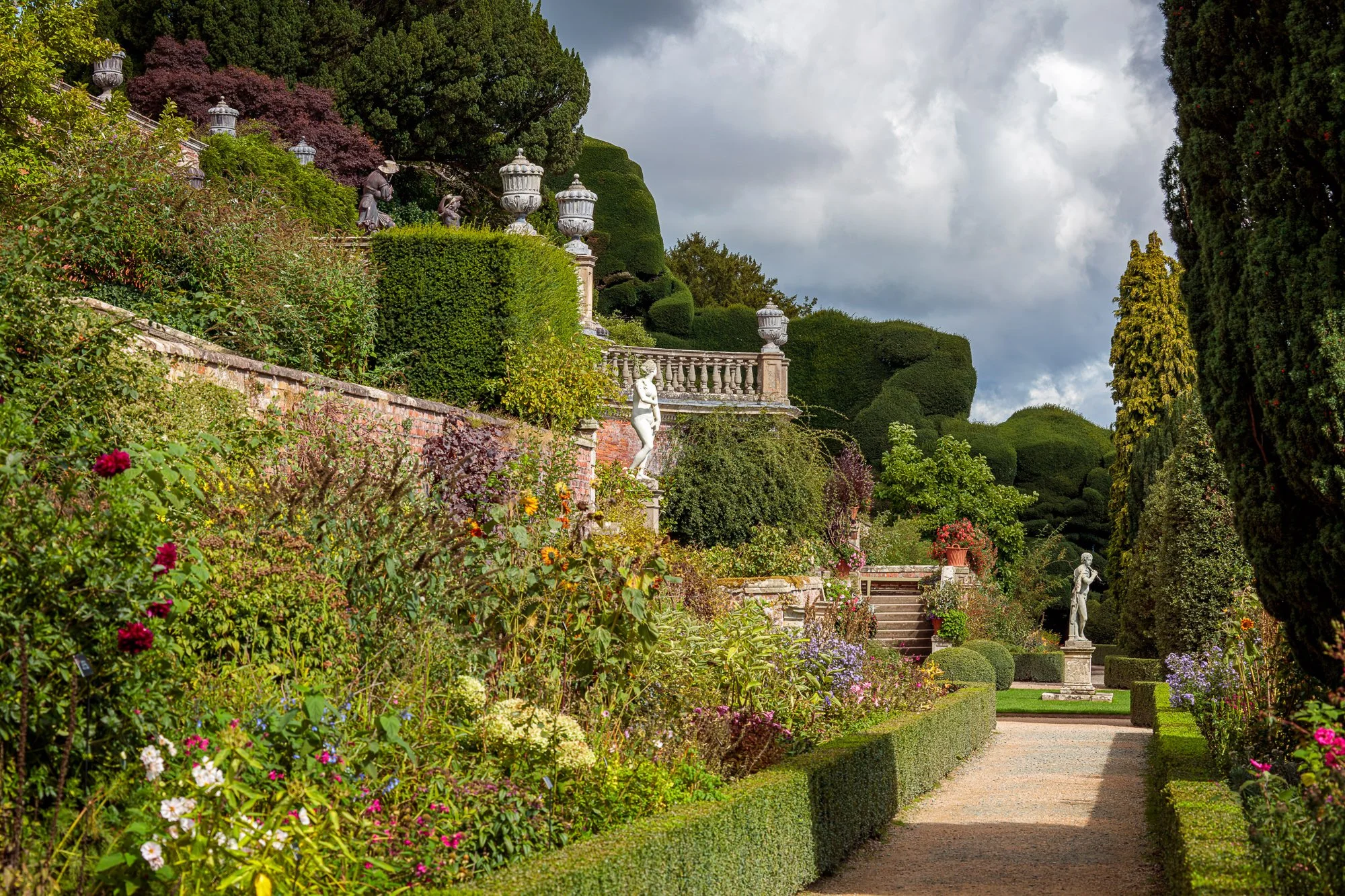
And who knew good old yew would be the perfect foil to tropical excess? Planted way back when, the yew was clipped to start with, then succumbed to middle-aged spread (haven't we all?), before the Victorians laced it back into its stays and the modern miracles of electric hedge-trimmers and cherry-pickers mean that the vast tumps and humps are here to stay. The collective noun is, apparently, a 'blobbery', a term I intend to use frequently.
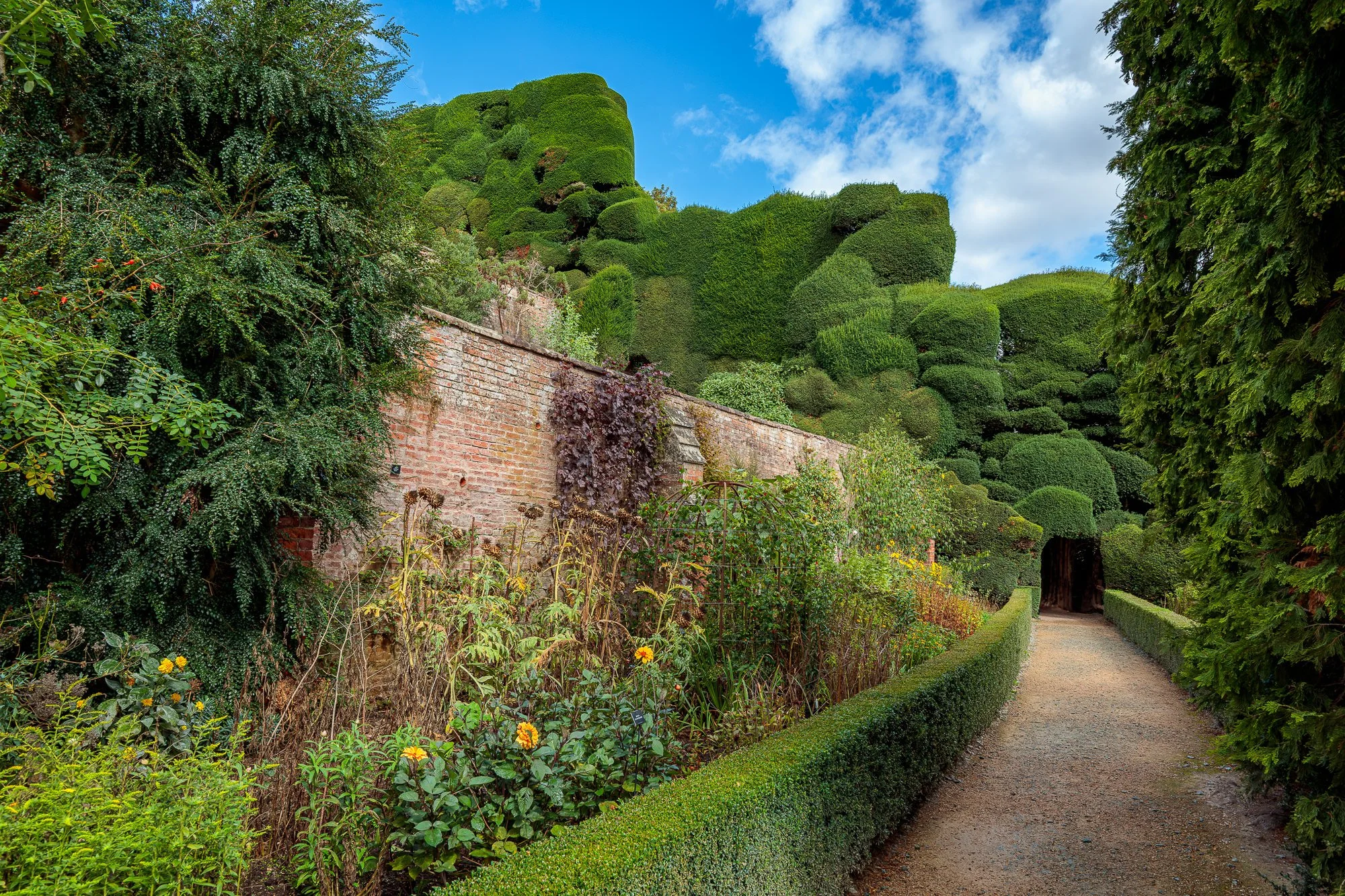
Cutting was in progress on my visit: scaffold poles and string lines where needed, the full monty. It's a useful reminder that in a summer like this one, indestructible evergreens earn their keep - a soothing dark-green backdrop when all things herbaceous are flagging. (Thank goodness I had the foresight to plant a quarter of a mile of bay hedges at La Corolla, even if they do need clipping twice a year.)
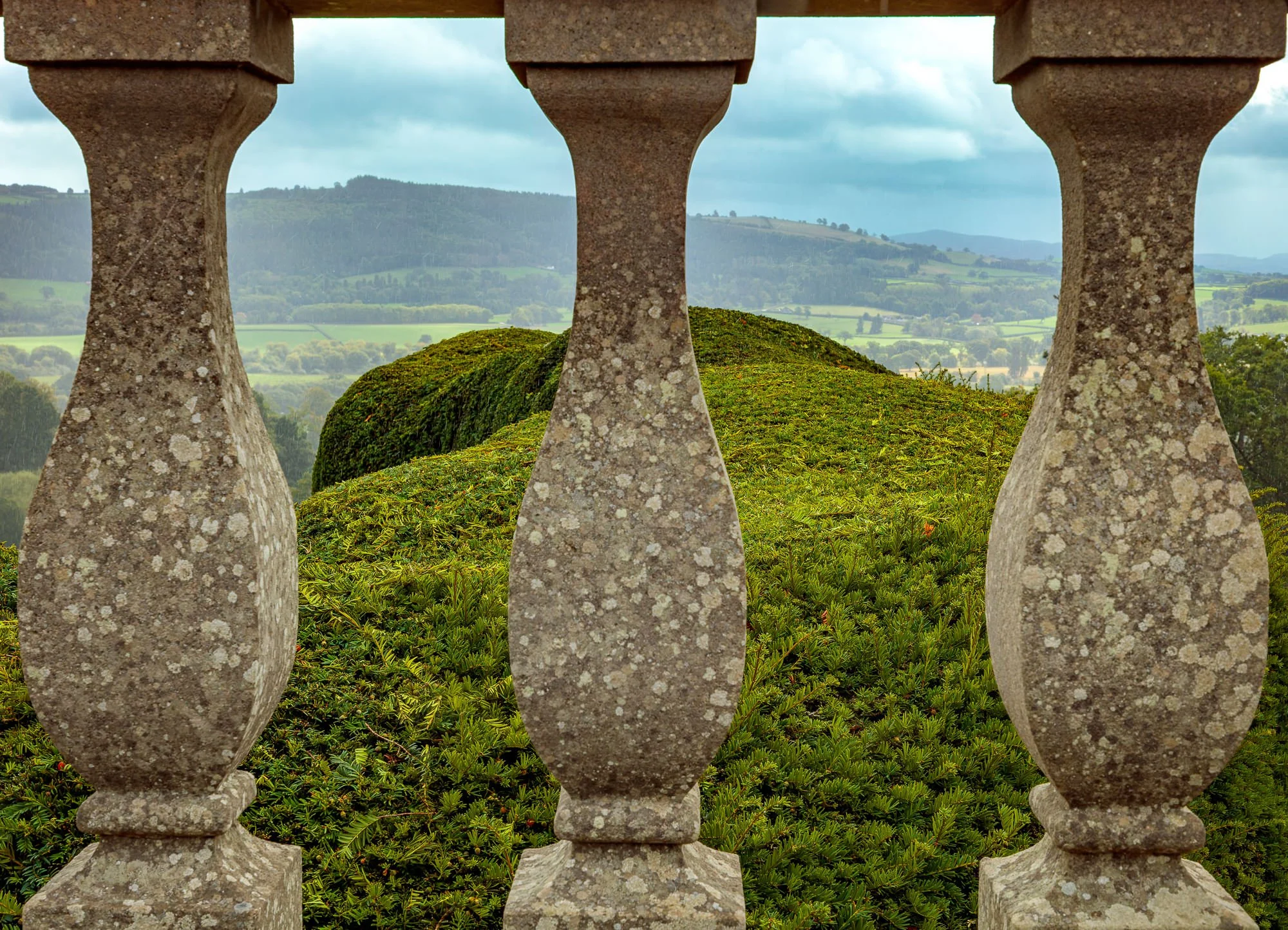
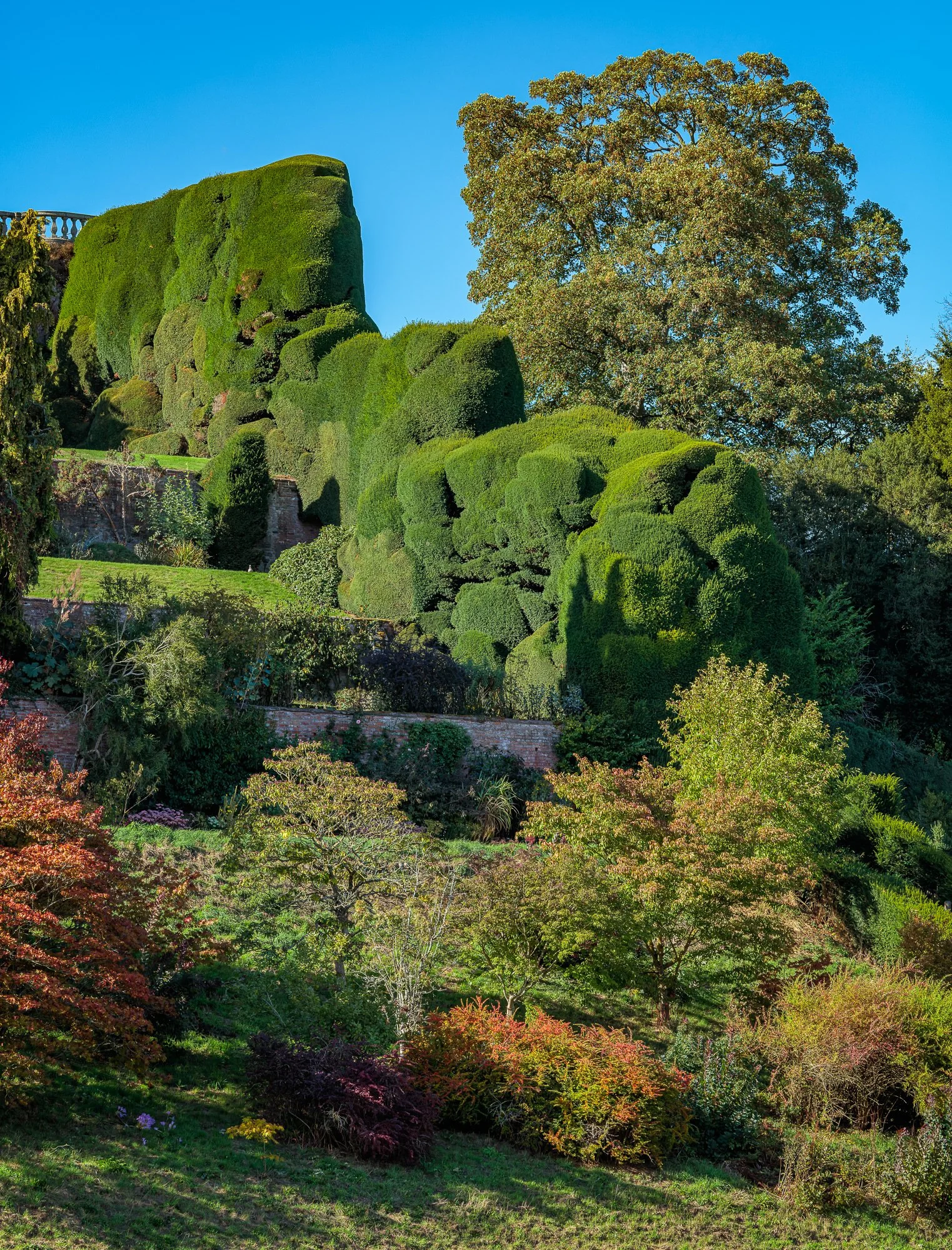
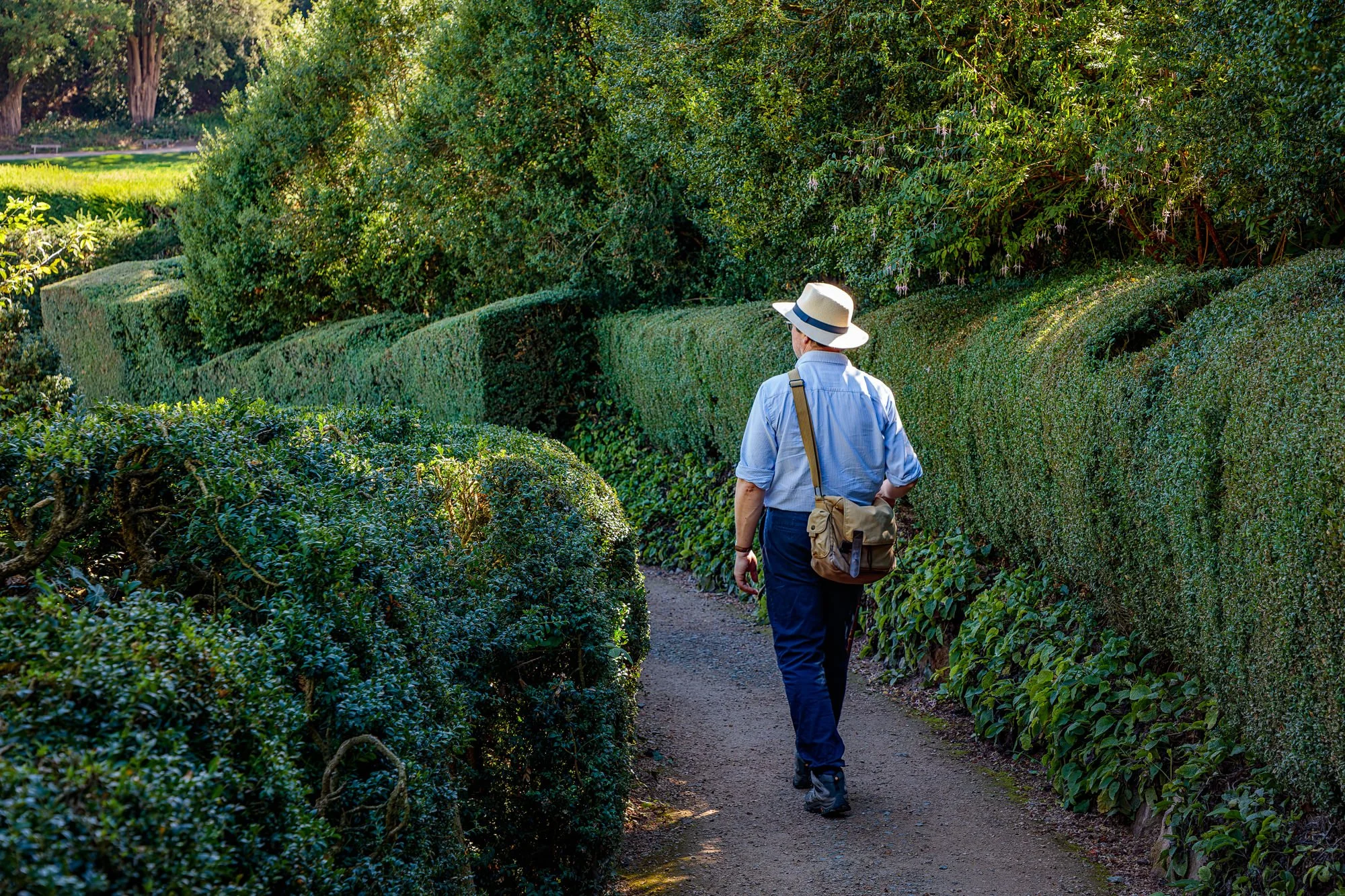
Even the box along the terraces was immaculately precise, no sign of blight or moth yet, thinner and taller than the usual model, adding an elegant, crisp definition to the fading summer borders. All of which gives way to looser, wavier forms in the Box Walk, a shift in tone as you move down the hill.
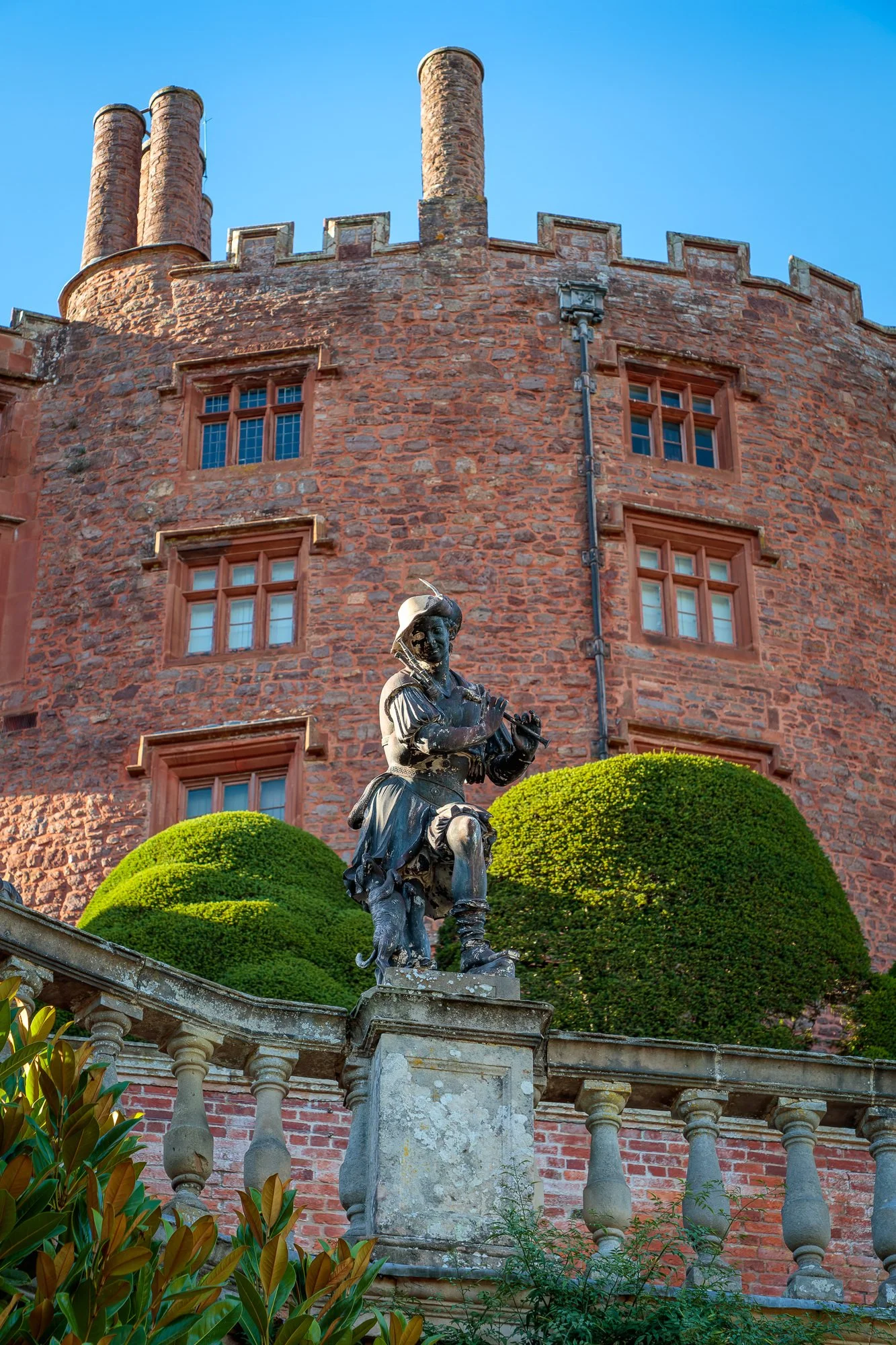
Statuary and pots do a lot of the theatrical heavy lifting. The Van Nost lead figures - dancing shepherds, musicians and their molls - put me in mind of Melbourne Hall, another garden leaning on the same sculptor's workshop to comparable effect.
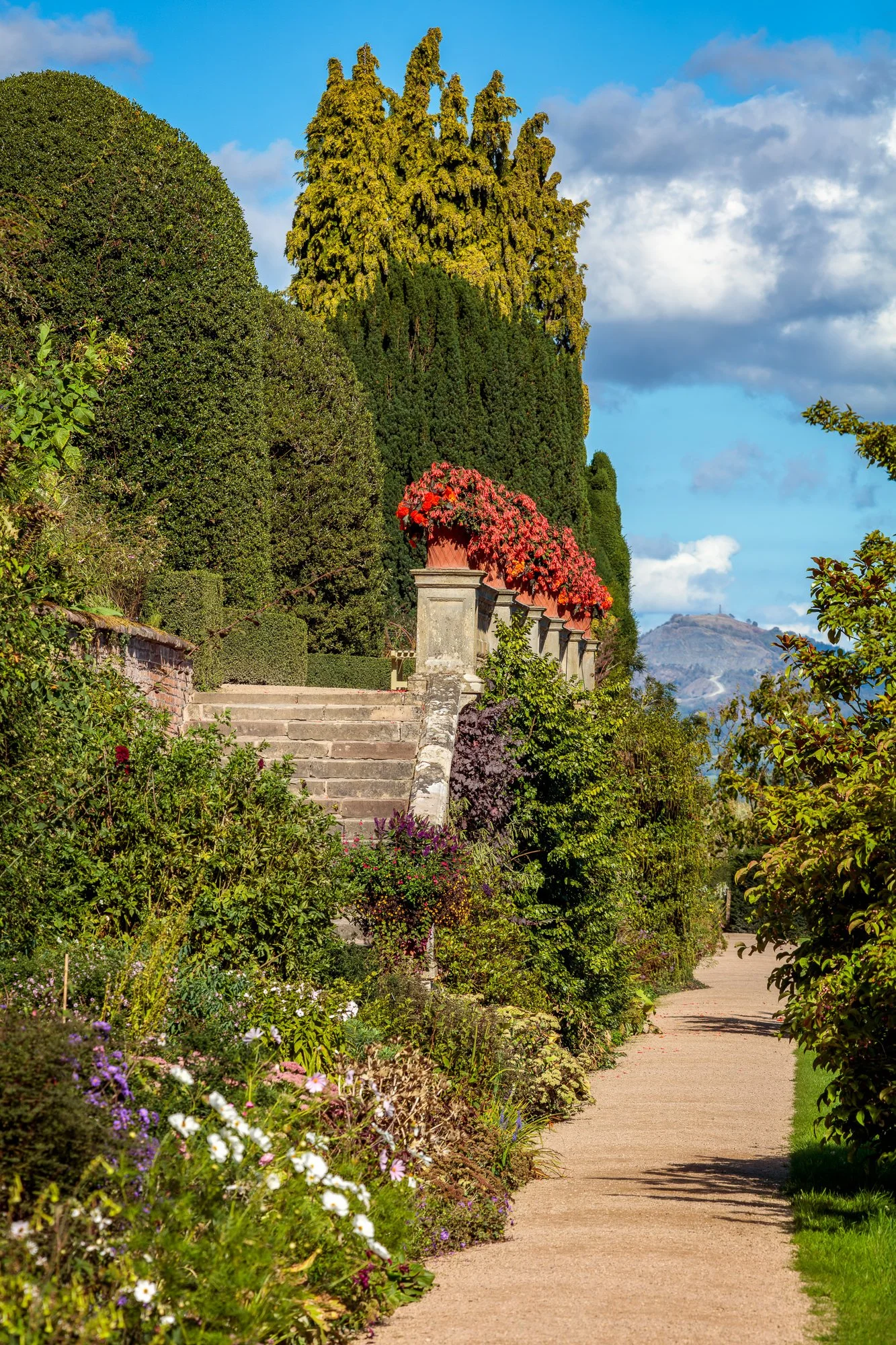
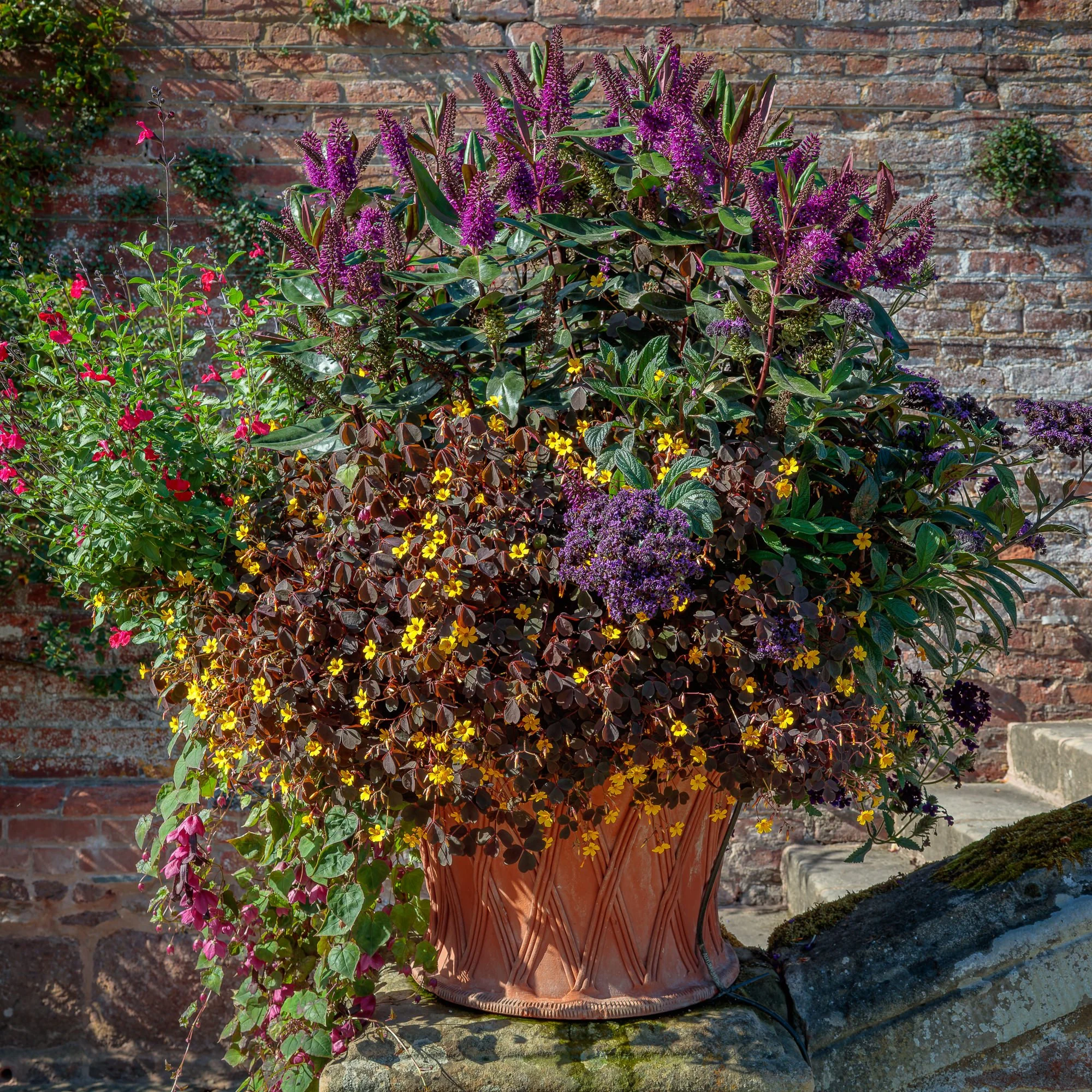
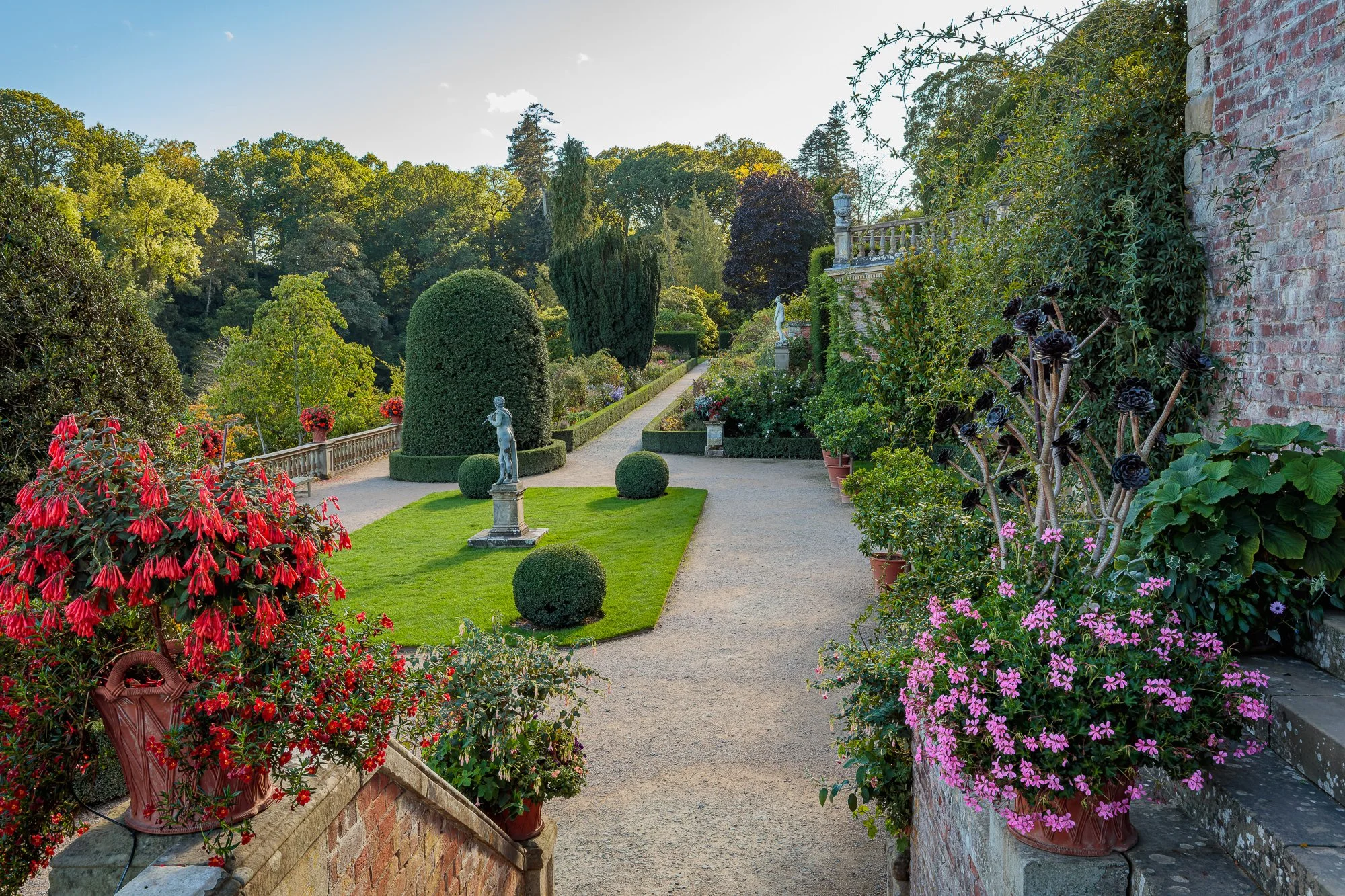
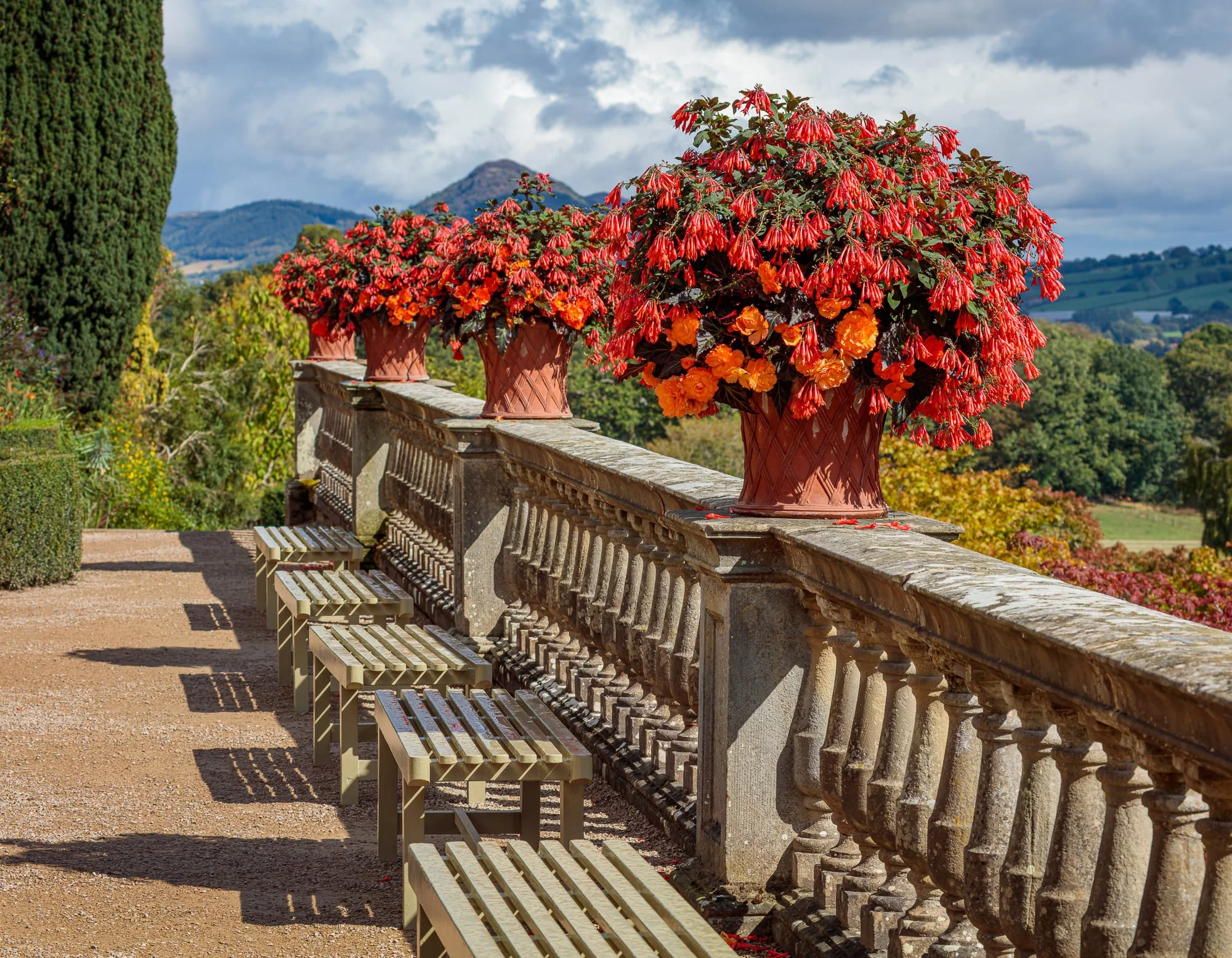
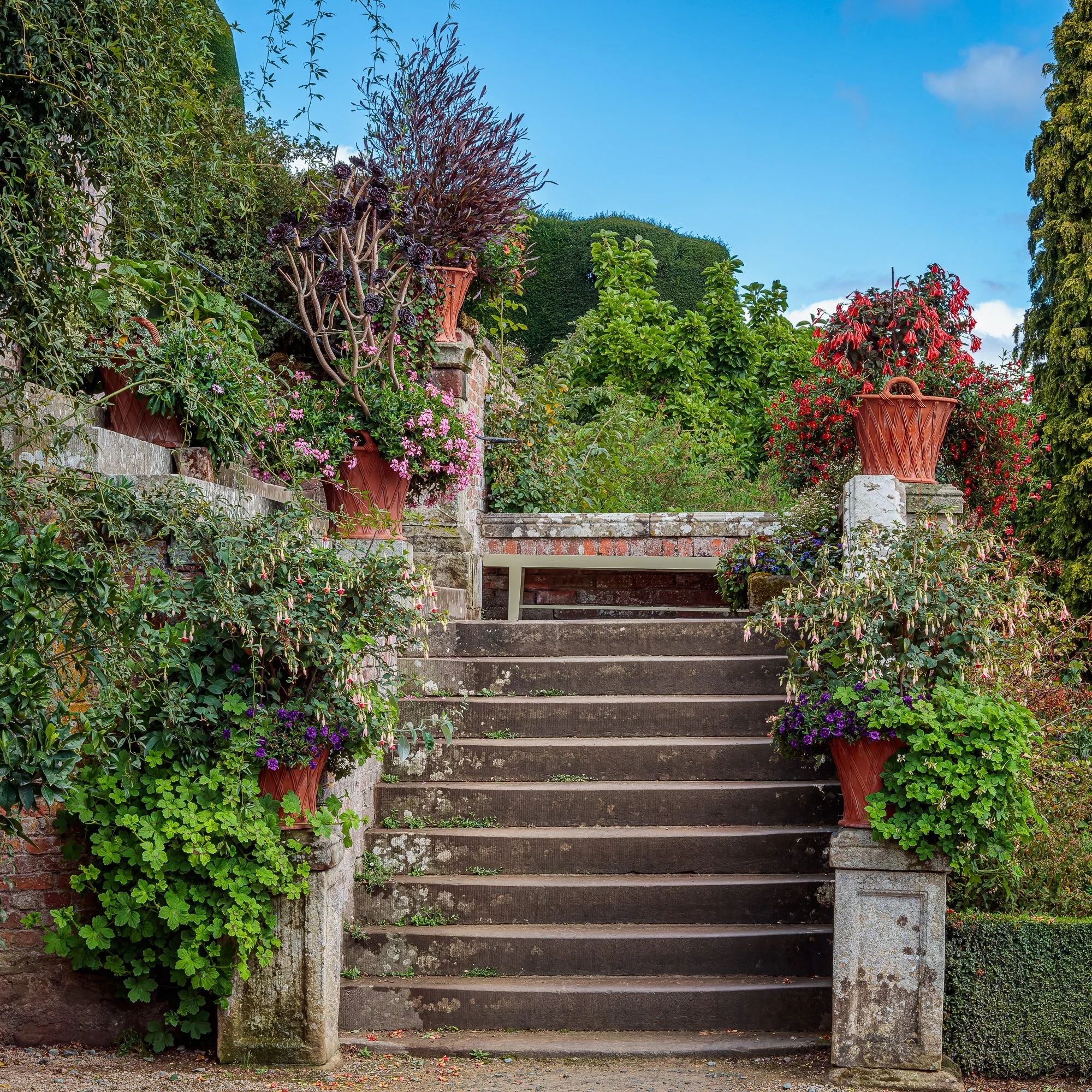
Bedding in pots has been something of a trademark of Powis and the particularly 'bold' orange fuchsias and begonias lift the whole Orangery Terrace well above the run of the mill.
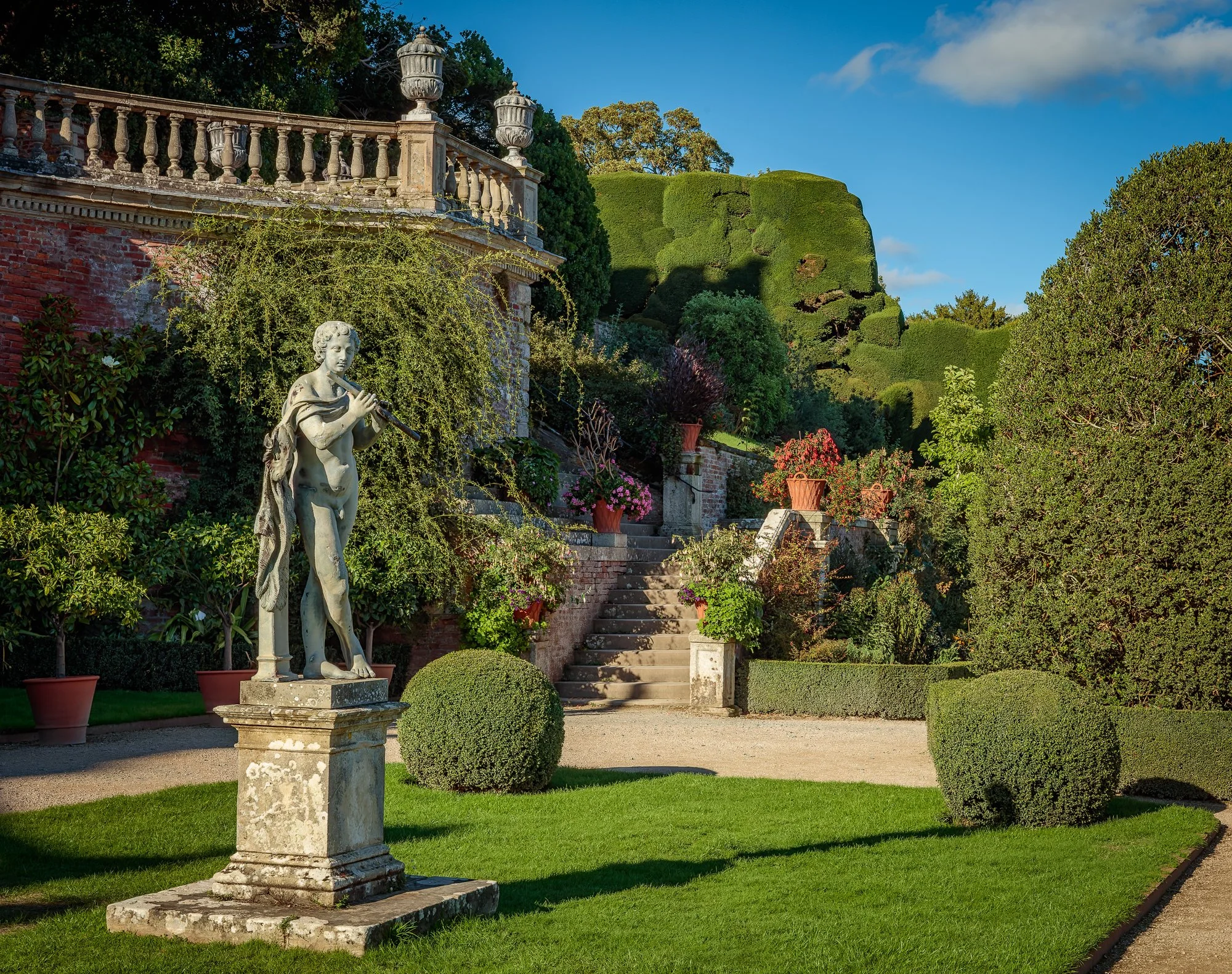
The entire composition - building, staircase, balustrading, statues, pots crammed in wherever there's a flat surface — is remarkably inventive and unashamedly flamboyant, more Isola Bella than rural Wales. It shouldn't work as well as it does but on a warm September afternoon it positively sings.
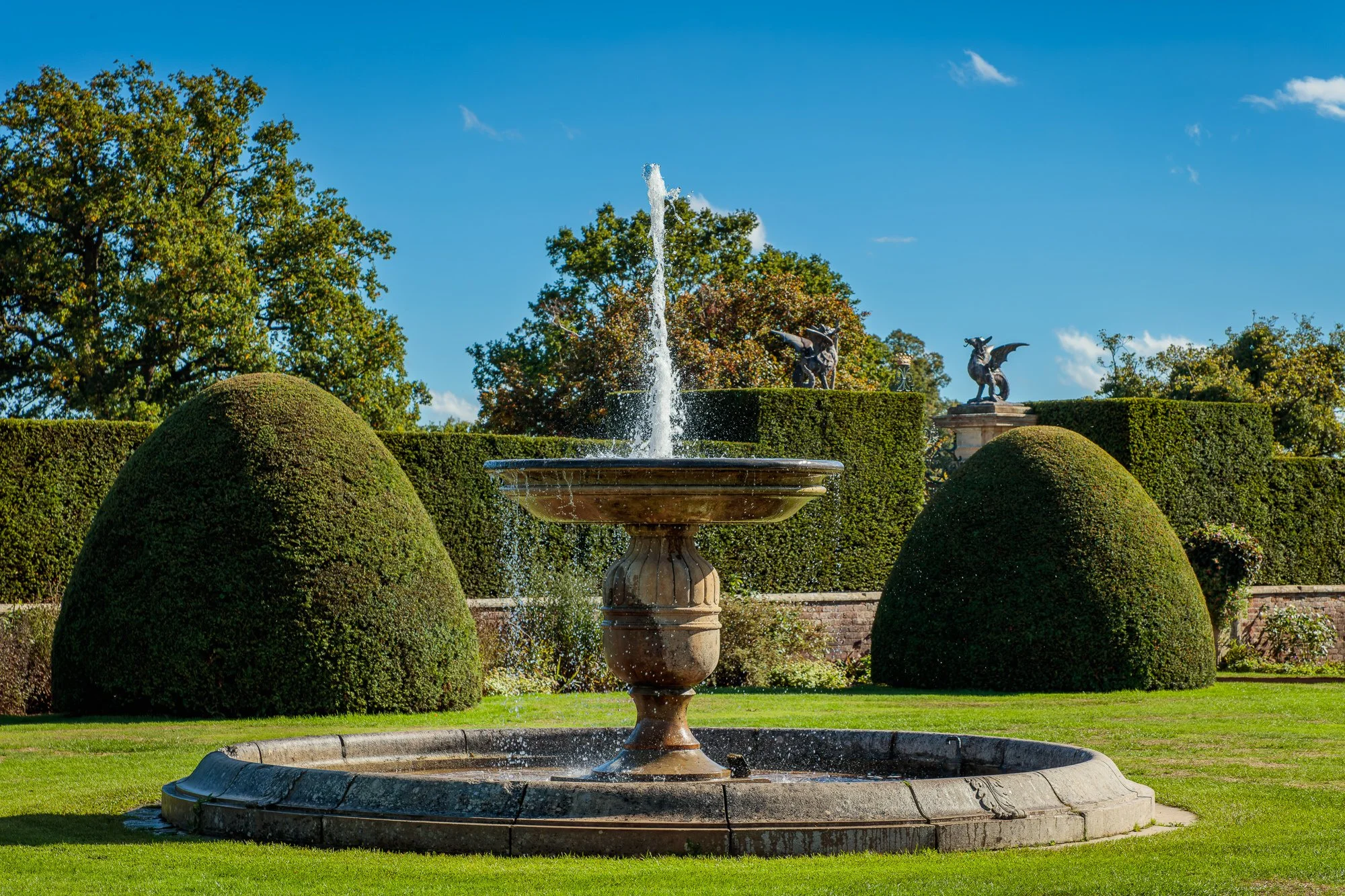
After all the high jinks, the Fountain Garden and Yew Walk are excellent palate cleansers: pared-back, almost modernist in their restraint but with a nod to the Renaissance. It's the sort of quiet, confident simplicity that a garden needs after it's let off a few fireworks elsewhere.
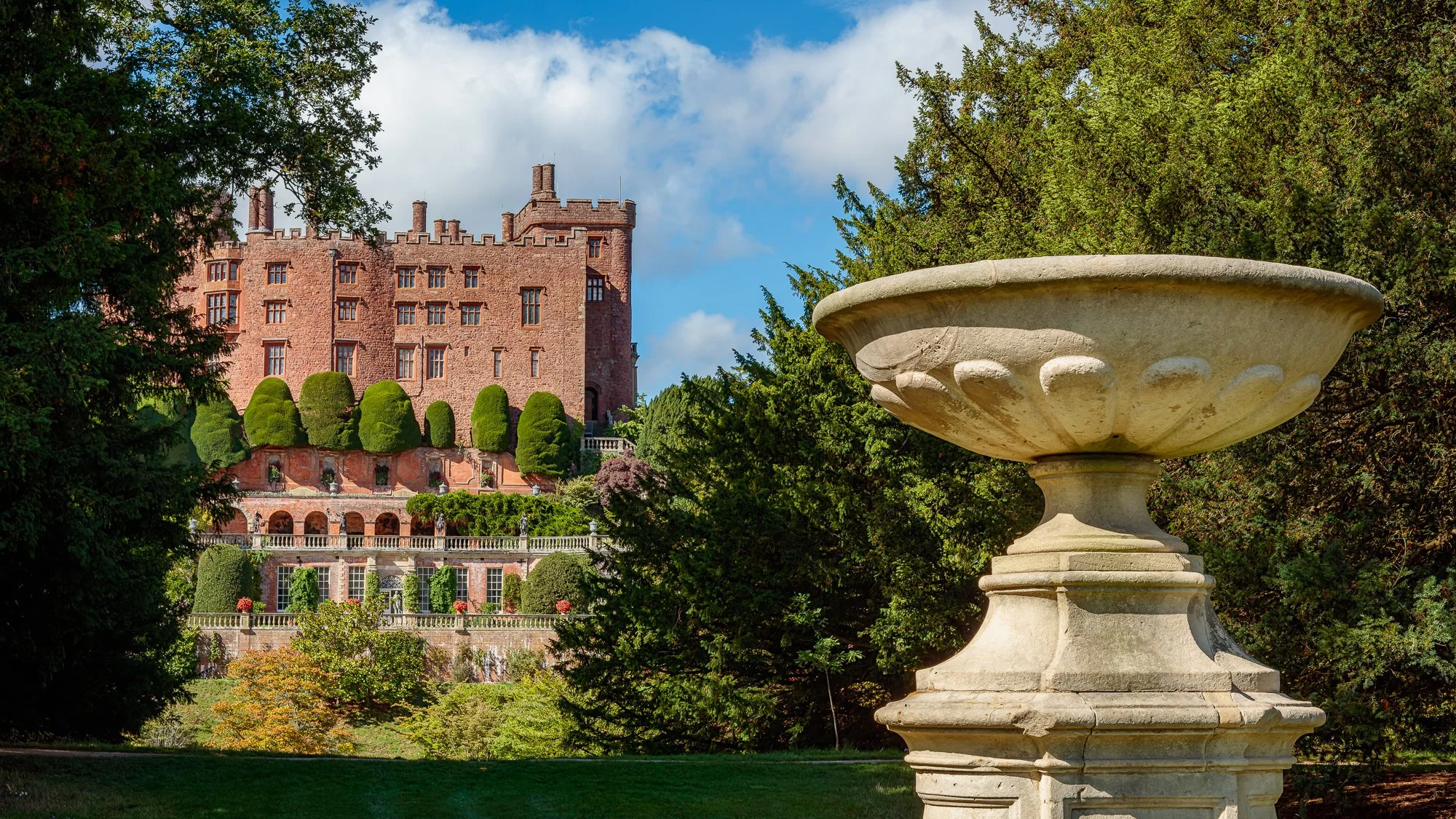
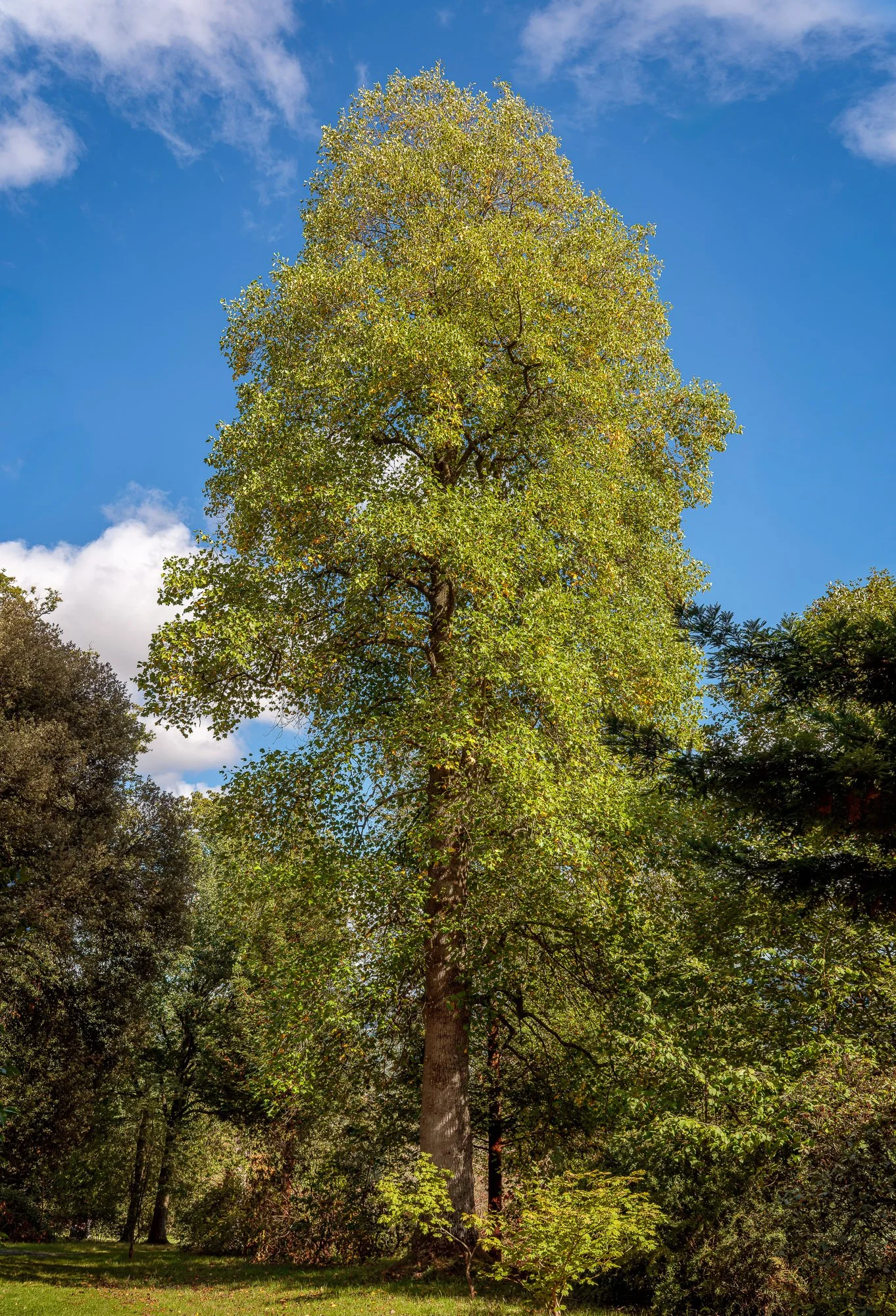
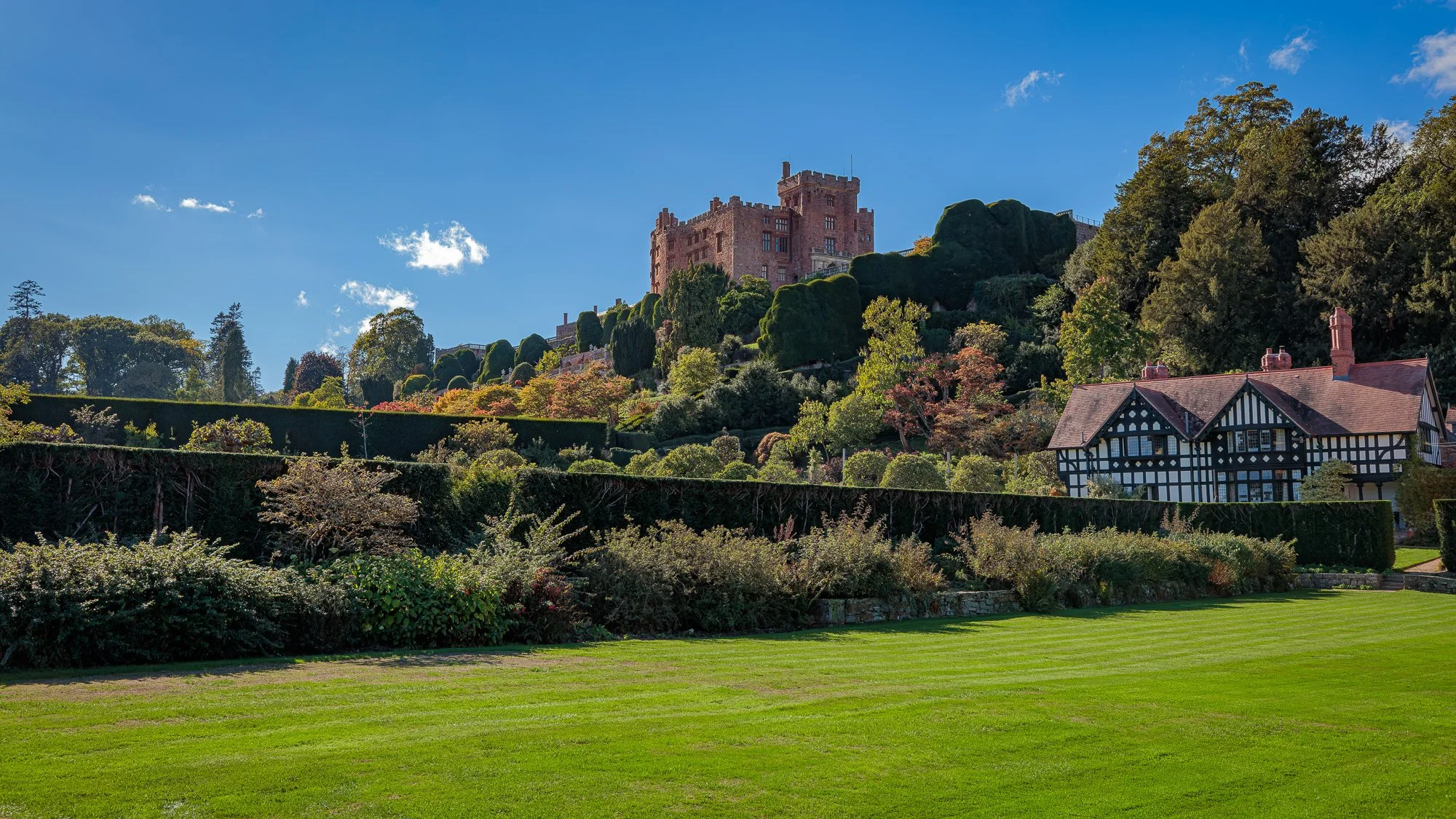
And if at any point you crave an escape from the madding crowds, head to the Wilderness on the far side of the stumbling block that is the Great Lawn (more of which below). Not only does it provide a killer shot of the castle and terraces tumbling down the slope below, there are two tulip trees worth the walk on their own.
Ramrod straight and performing more like they do in their native America, they bear a passing resemblance to the specimens I admired at the Scott Arboretum, which is more than can be said for most of their brethren in Britain.
Not everything works, the Great Lawn being the main offender. I'm no fan of vast expanses of grass at the best of times – do your bit for climate change and bang in a few trees instead (cf. the new Grove at La Corolla). Of course, in a garden open to the masses, concessions have to be made to the mummy-and-buggy brigade. The lawn occupies the footprint of the old Water Garden, drained and grassed over once fashions changed. Now there's a project I could get behind – banish the lawn and reinstate the water. Quite apart from righting a historic wrong, a still pool would be a boon to the Instagram crowd (think selfies with upside down reflected castles) where a parched and lumpy lawn currently does nothing much.
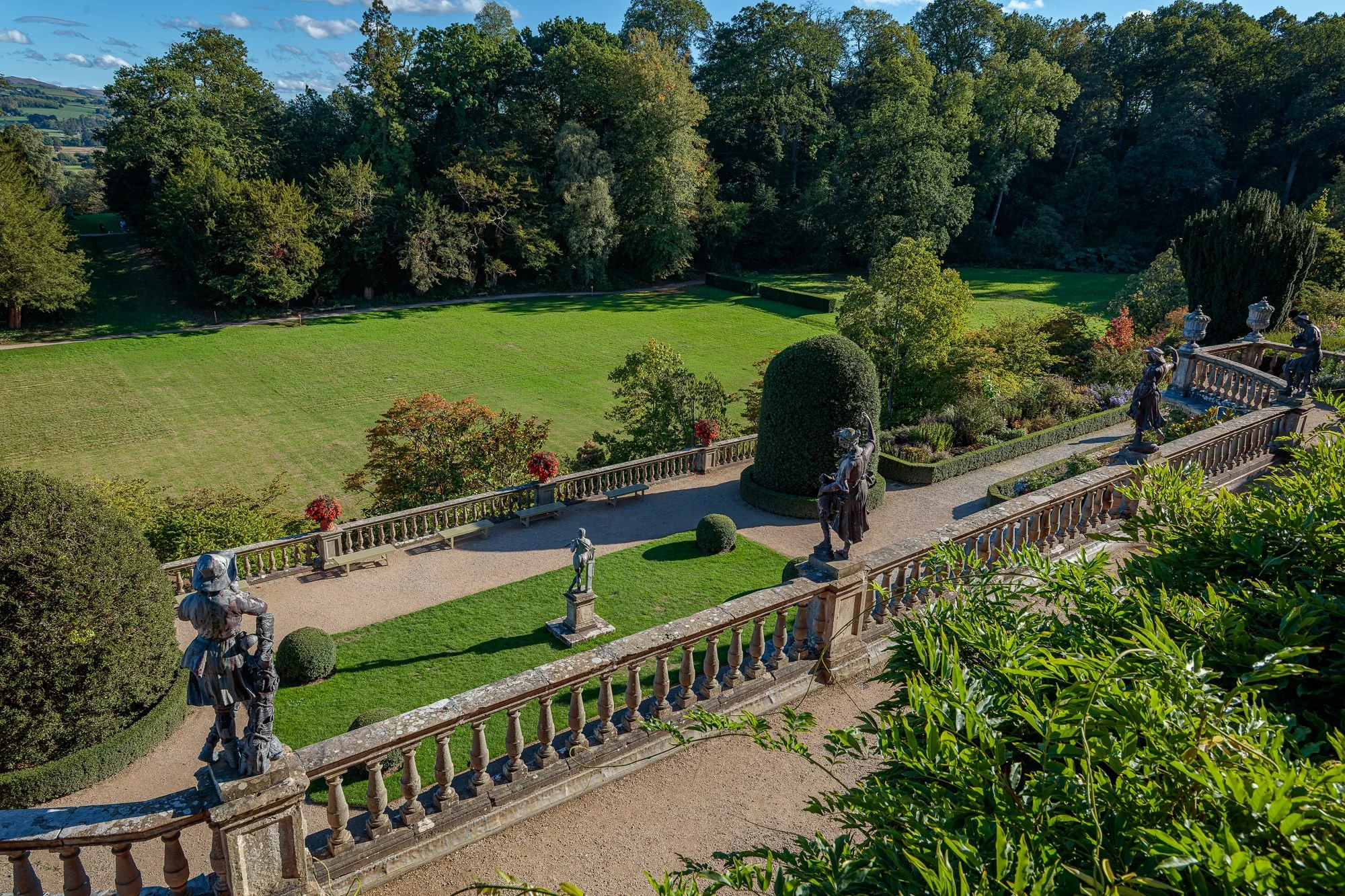
It would also solve the problem of the bank of acers, in desperate need of a rethink. Thirsty trees, signs of dieback, grass growing right up to the base of every trunk – just not a good look.
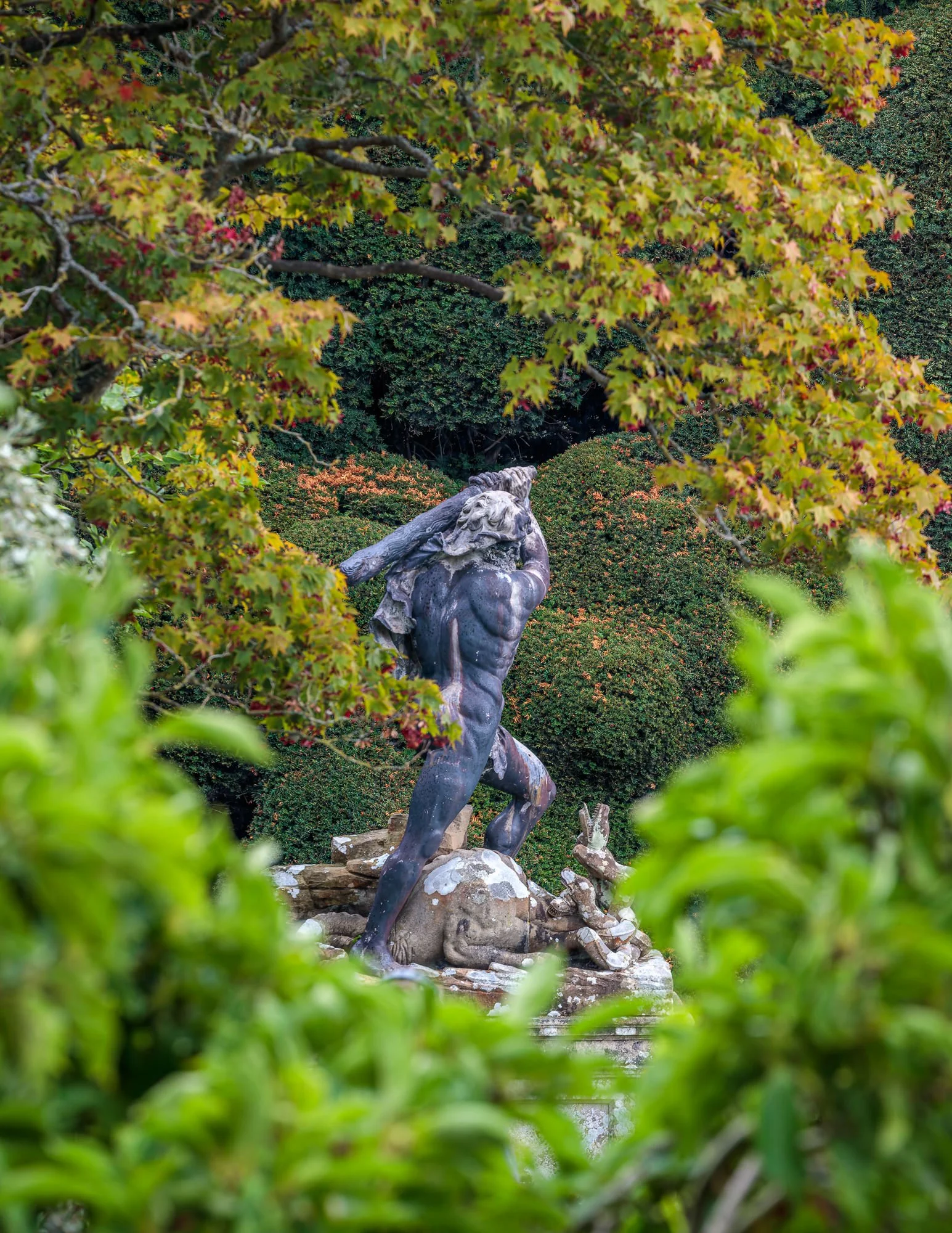
Well-shaped acers used with more conviction work a treat on the parterre at Drummond Castle in Scotland. Here, the anomalous hint of Japan just feels slightly misguided on a Welsh hillside. If the water does go back into the Great Lawn, the bank could be cleared, anything more than grass (yes, I know) being fussy and surplus to requirements. A two-for-the-price of one solution.
The formality of the old kitchen garden is a bit of a mixed bag.
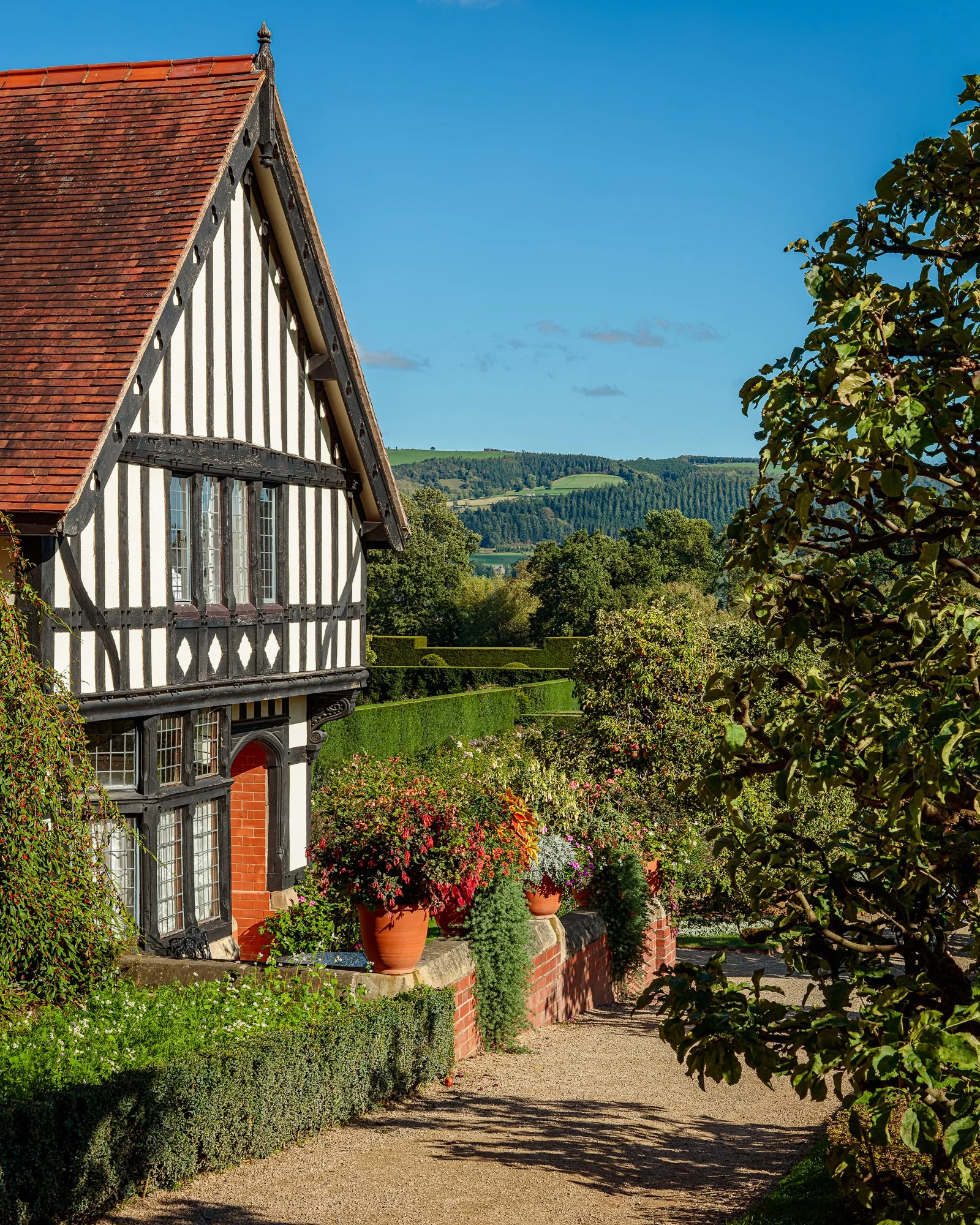
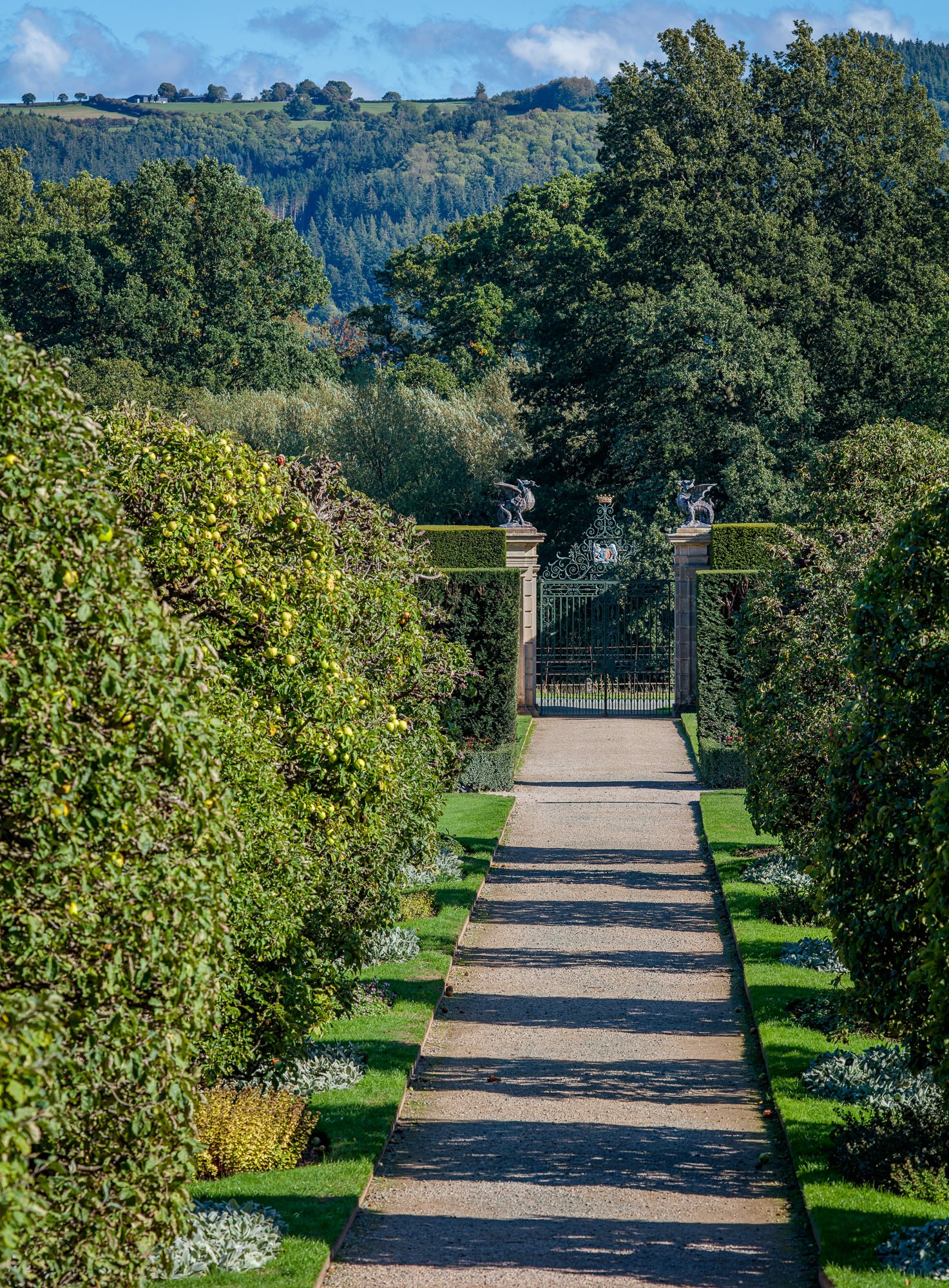
The fruit trees are good, the shapes echoing the yew tumps below the castle and there's a satisfying walk down to the wrought-iron gate, the Herbert family elephant and griffin leading the eye nicely.
But the croquet lawn feels like a space still looking for a purpose (hoops, a mallet or two?), and the planting around it is largely uninspiring: scrappy hardy fuchsias on one side and early summer herbaceous past its best on the other. Next door is a random smattering of obligatory David Austin roses for no discernible reason – they seemed to enjoy being there as much as I enjoyed seeing them.
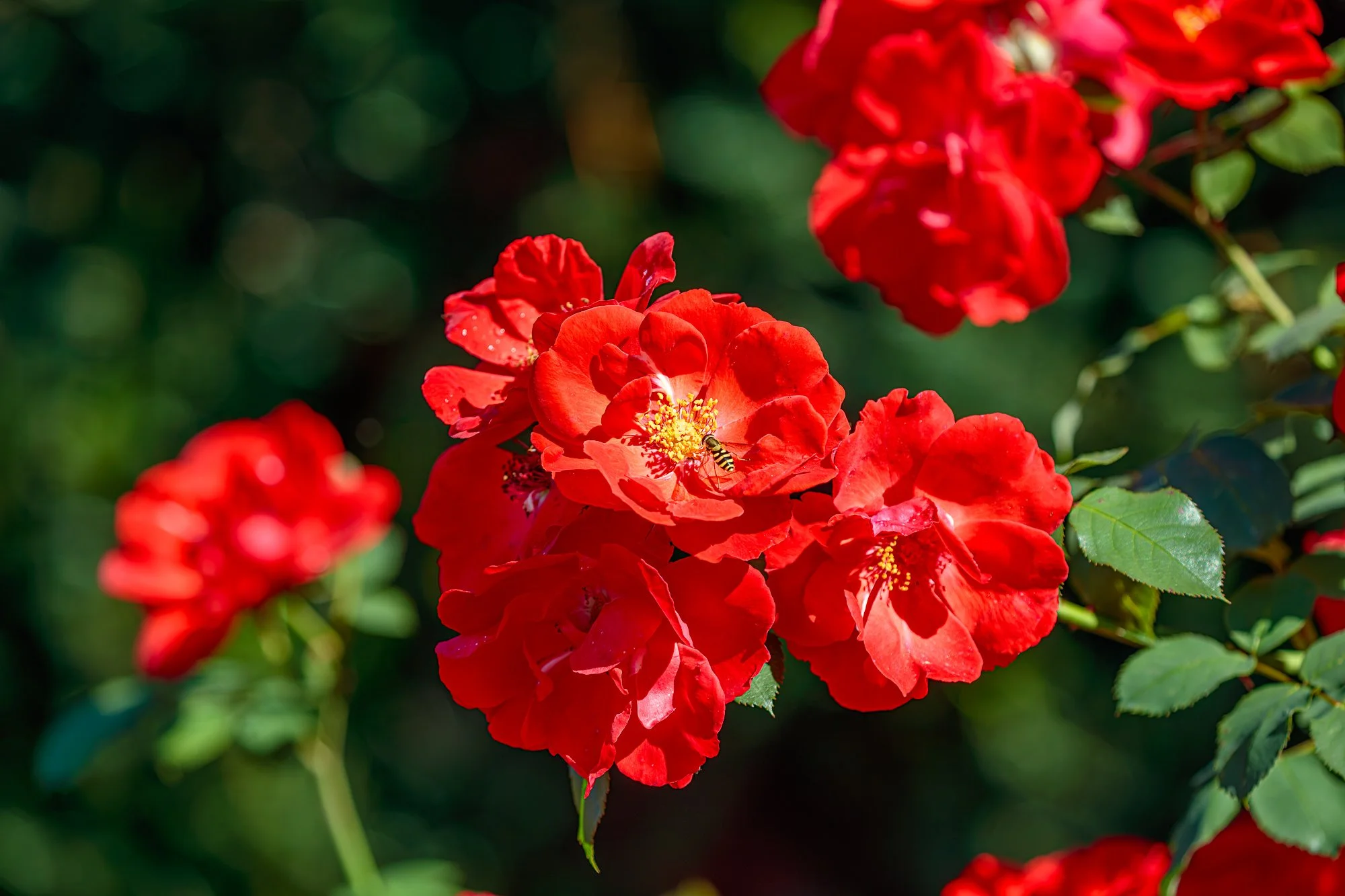
Much cheerier in a nearby border was a smorgasbord of 20th century floribundas, varieties that rarely get an outing in fashionable settings these days – 'Sarabande', 'Frensham', 'Lili Marlene', 'Evelyn Fison', 'Anne Darkness', 'Anna Wheatcroft'. Unsophisticated perhaps, but they made me smile, an underappreciated response in most gardens today.
Quibbles aside, Powis is a gem. The horticulture on display is genuinely skilful – tender beauties (such as Bartlettina sordida filling out the top terrace), botanical curiosities (Carica candamarcensis, anyone?), stunning pots (Dodonaea viscosa 'Purpurea' with a Rhodociton atrosanguineus a particularly joyous combination). Not to mention getting a Cornus capitata to flower and fruit in mid-Wales - no mean feat.
And it wasn't the only thing doing better than it had any right to – callistemons, cistus, buddleias akimbo, Colletia paradoxa, dahlias and a decent collection of sedums ('Gooseberry Fool', 'Xenox', 'Red Cauli', 'Jose Aubergine', etc.) jollying things along nicely at the tail end of summer.
Enough with the plant lists. Experimental, occasionally over the top and still going strong after a downright challenging summer, Powis exceeded expectations. Now, about that pond...
More information here: https://www.nationaltrust.org.uk/visit/wales/powis-castle-and-garden