Sissinghurst Castle
The triumph of the garden room
12 June 2026
By: James Lennox
I've recently waxed lyrical about the role of garden visiting in sharpening the gardener's eye, and I teased a summer sortie north. Watch this space. But first, a flashback to the other end of the country. Picture the scene – April in Kent, spring was still mulling whether to put in an appearance and the hordes hadn't yet rediscovered their love of tea-and-cake outings.
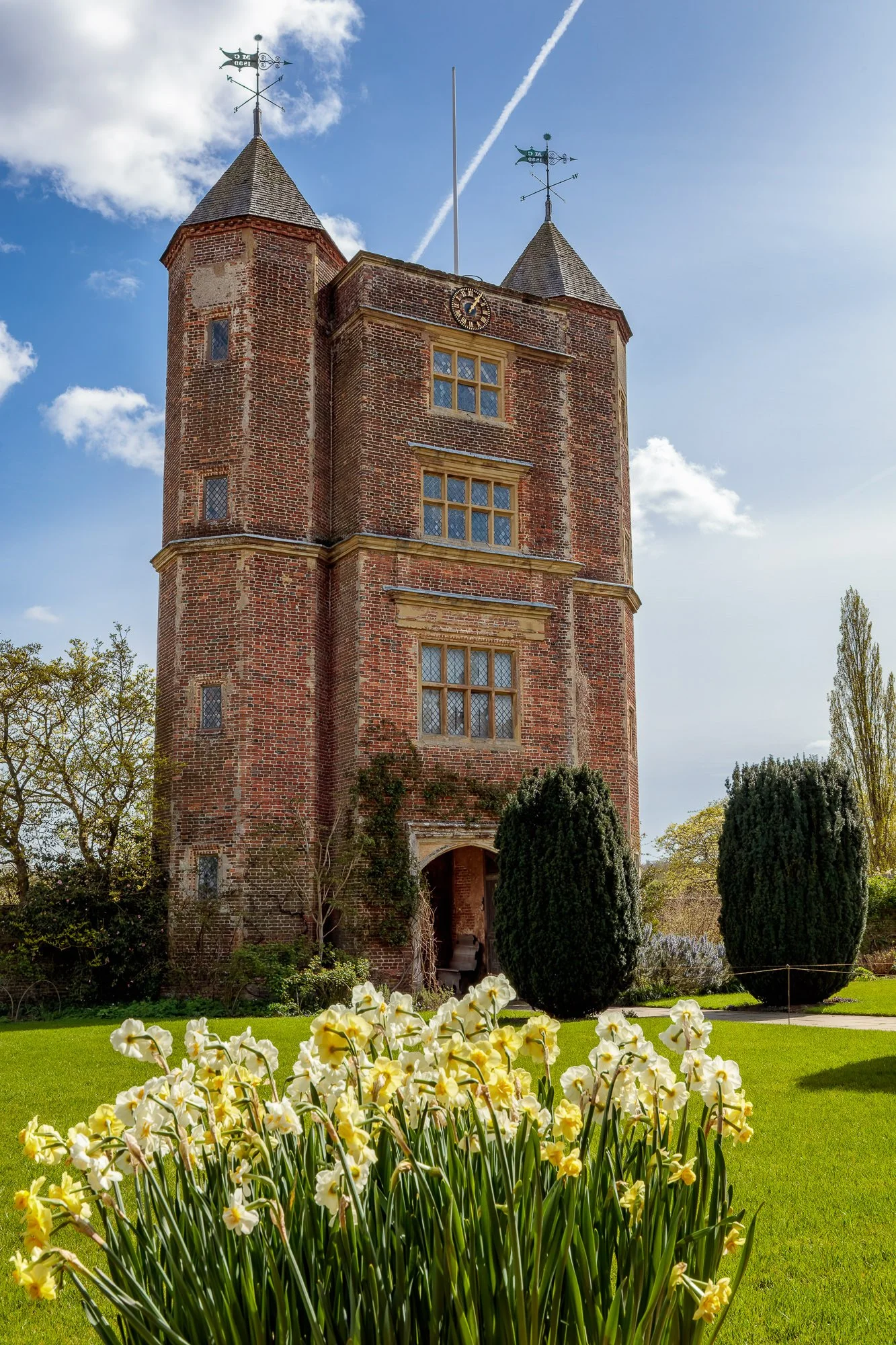
Sissinghurst was calling. Visit in June and you'll be swept along by the blowsy planting and the crowds. Visit in April and you are reminded that Sissinghurst's real achievement is structural. The planting doesn't get in the way of the design and you see more clearly how the one relates to the other. Which, as it happens, is the whole point.
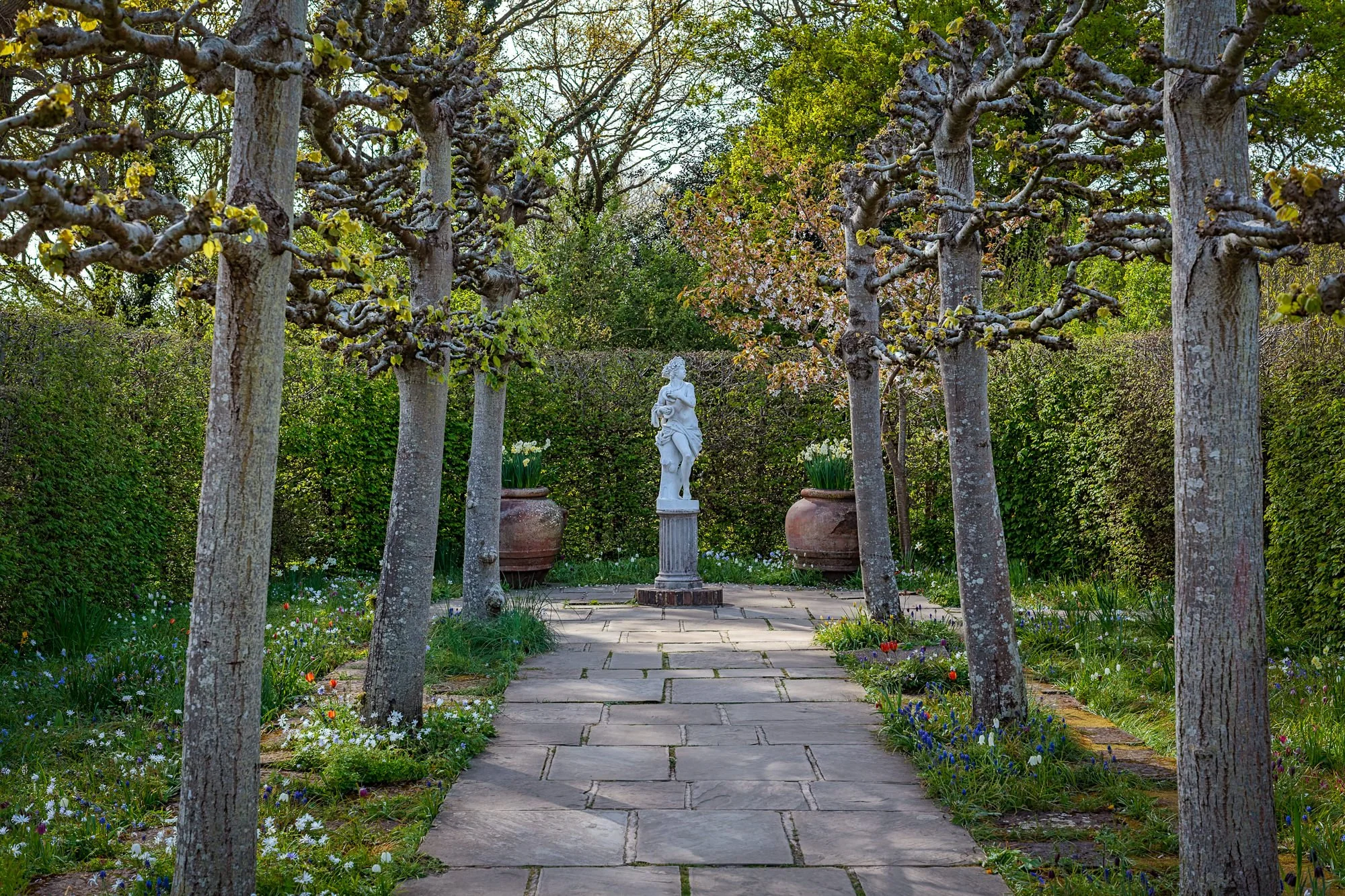
This is the garden that popularised the idea of the garden room, dividing an entire plot into a sequence of enclosed spaces, each with its own atmosphere and identity. Harold Nicolson, the diplomat, supplied the strict geometry and was in charge of establishing the axes, sightlines and proportions; Vita Sackville-West, the poet, took care of the exuberant planting, wanting to 'cram, cram, cram every inch of soil'.


The scale of its influence is hard to overstate. In her weekly newspaper columns, Sackville-West combined practical authority with a romantic sensibility, writing about her own garden as if it were a potential paradise she was perpetually in the process of perfecting. A generation of British gardeners – overwhelmingly female, overwhelmingly middle-class – was inspired. White gardens proliferated across the country for good or ill. Not every idea she promoted has aged perfectly, but the notion that a garden could express personality and creativity remains central to British gardening.
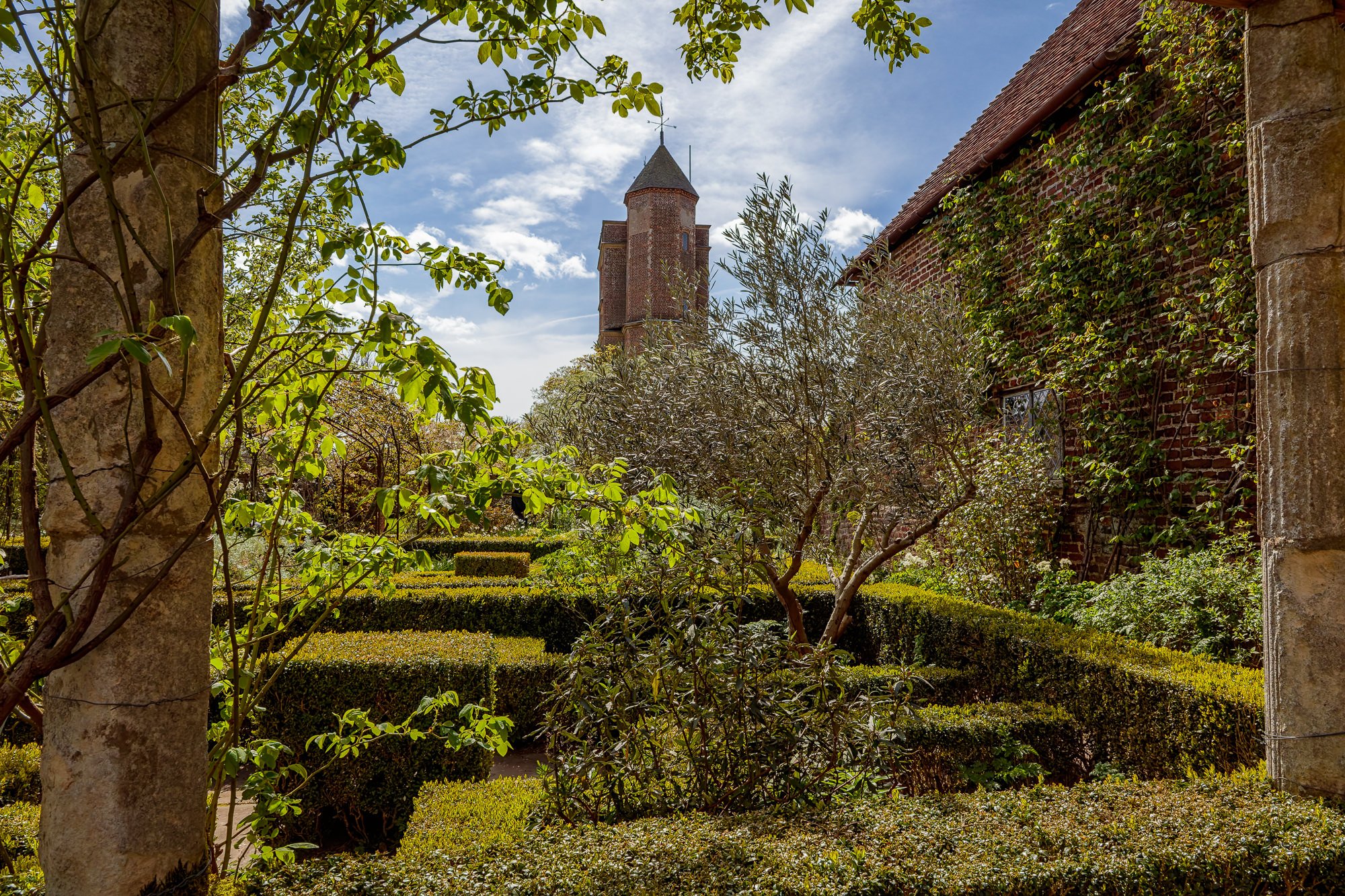
Of course, Sissinghurst isn't the only historic garden built along these lines. In many ways it merely adopted the template established at Hidcote. And, at the risk of horticultural heresy, Hidcote remains the more dramatic experience. The transitions are bolder, the surprises greater, the sense of experimentation more pronounced. Sissinghurst, on the other hand, feels gentler and more domestic, less theatrical, perhaps, but more intimate.
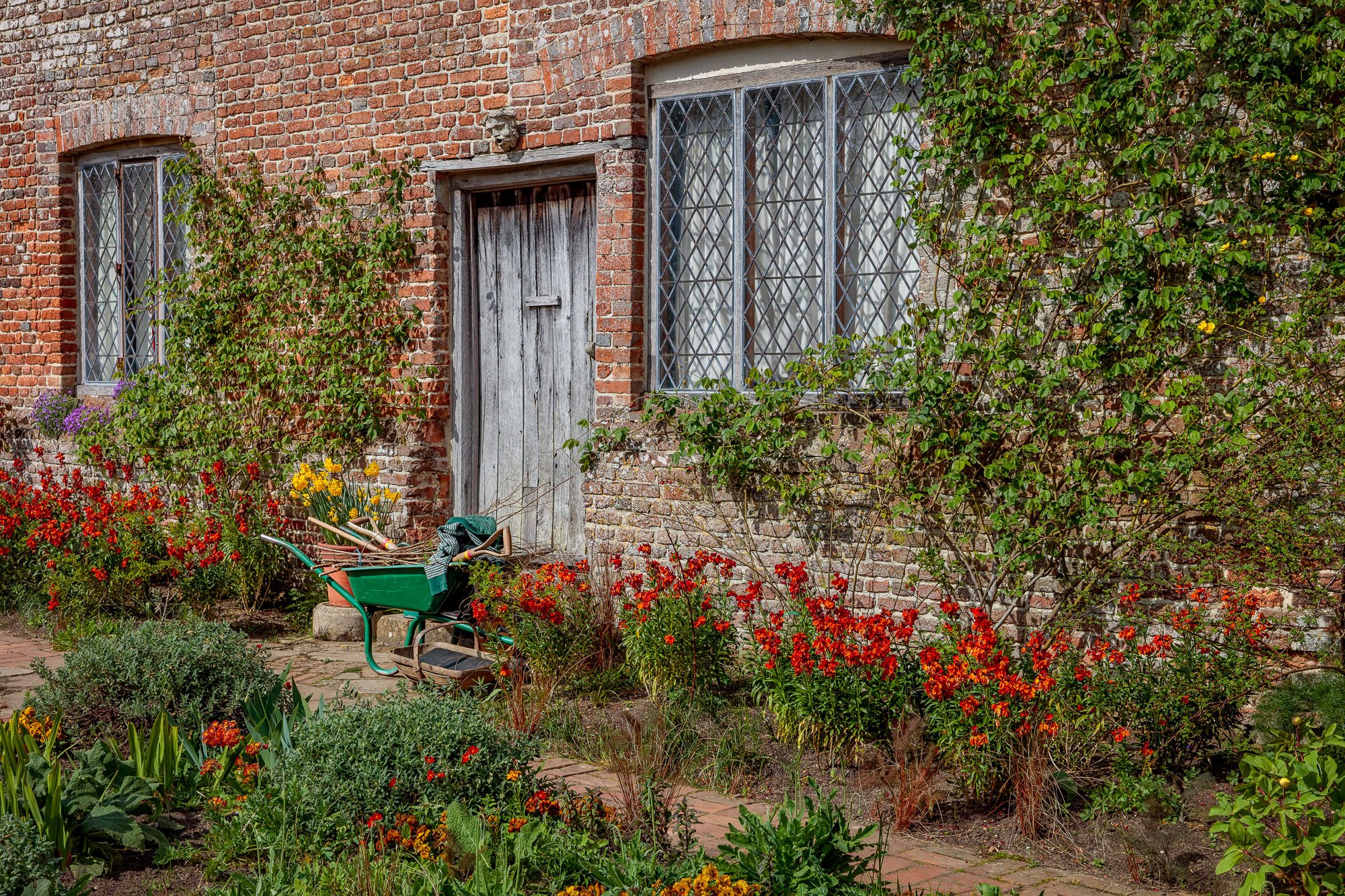
That domestic scale is part of its enduring appeal. Climb the tower and the whole place is revealed at once. The famous gardens occupy a surprisingly modest footprint, each compartment neatly contained within a larger framework. Seen from above, they resemble a collection of miniature show gardens arranged around a medieval curio. It's easy to understand why generations of visitors have left uplifted rather than intimidated. Unlike some great gardens, Sissinghurst doesn't seem unattainable. Most of its rooms could be recreated, at least in spirit, in a modest plot.
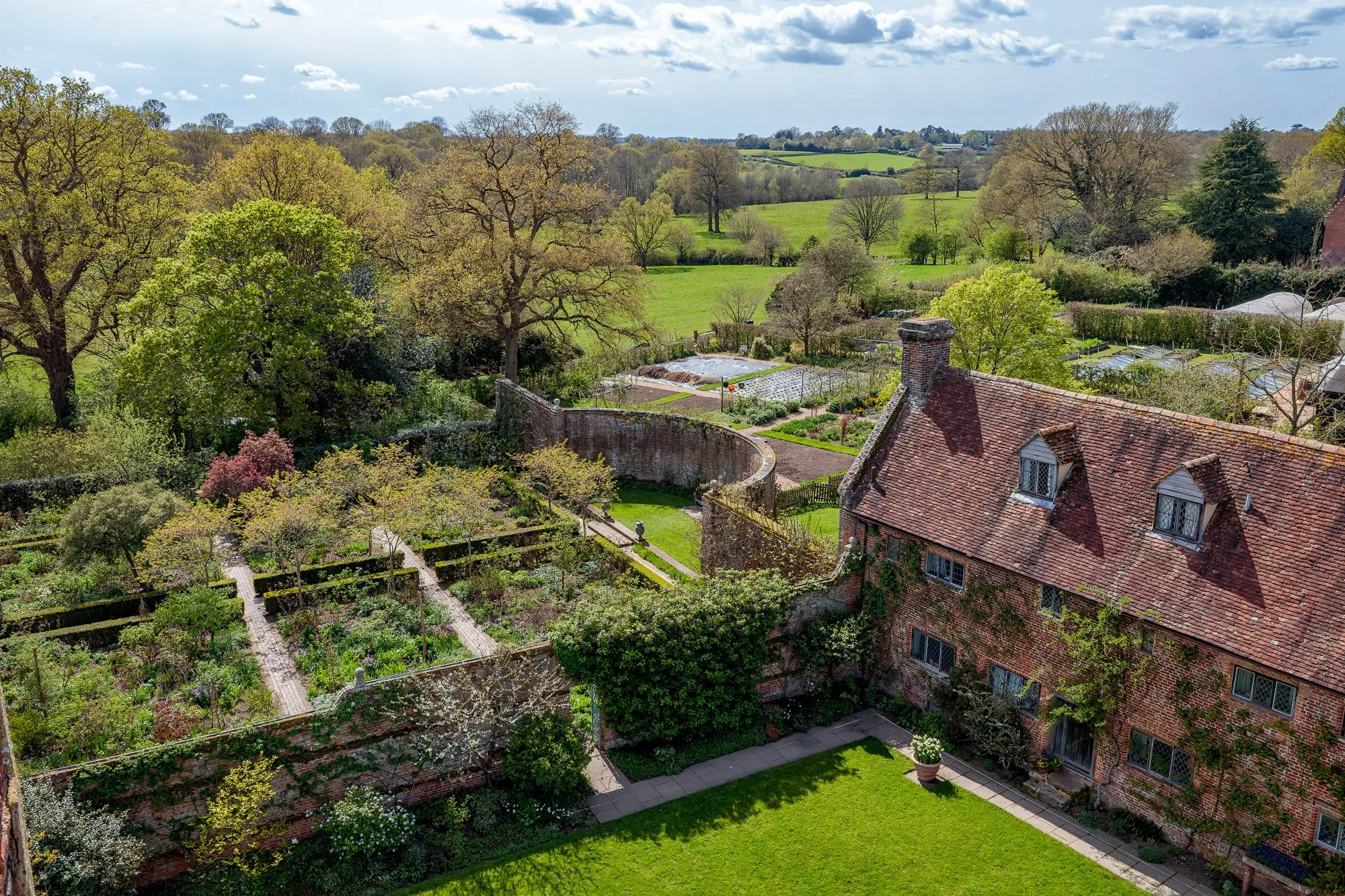
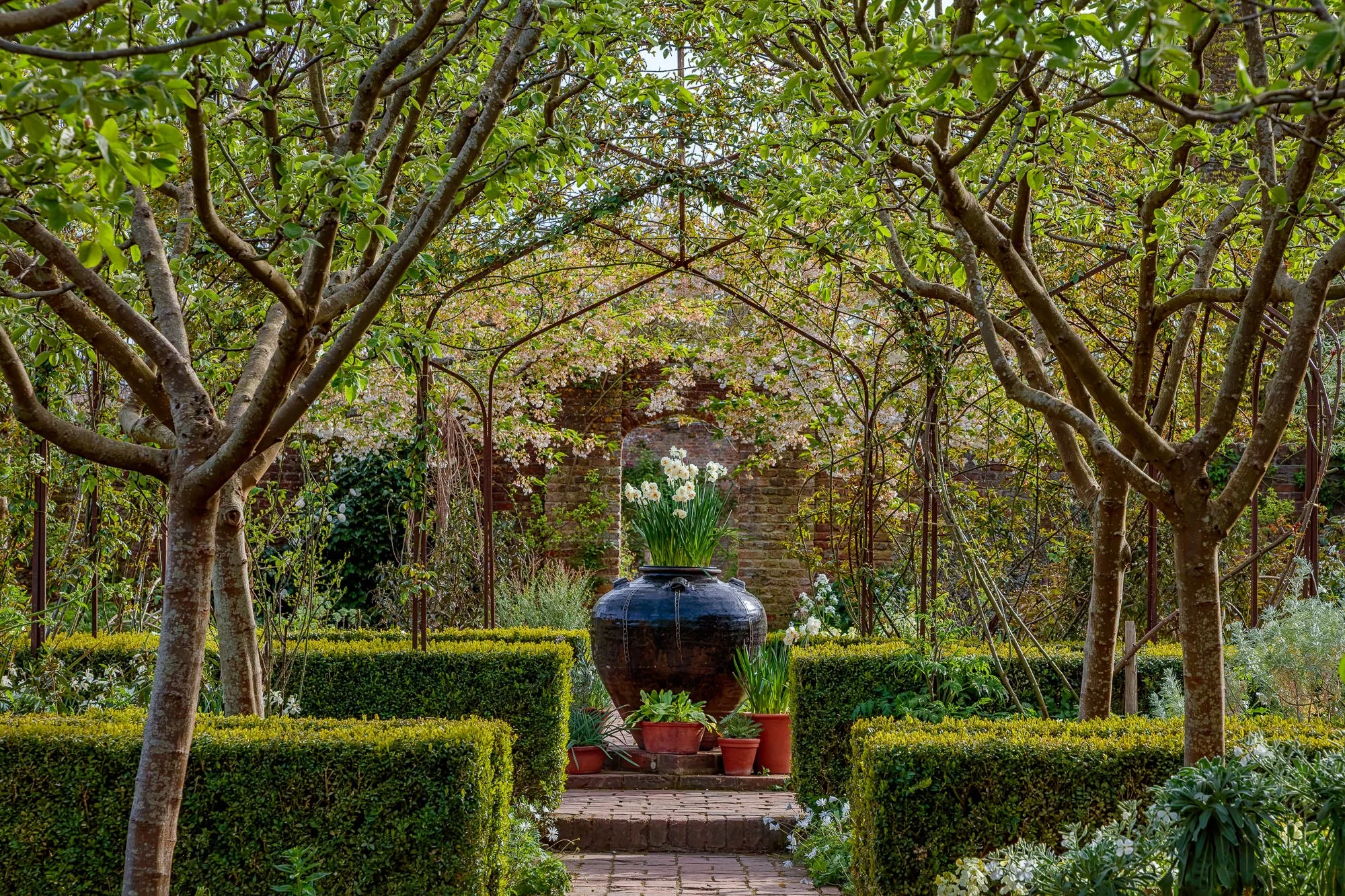
The White Garden is surprisingly small given the cultural shadow it casts. Restricting the palette to white, silver and green forces attention onto texture, form and light. Quince trees line the central path (replacing the original almonds) with low mounds of artemisia and drifts of Stachys byzantina ready to take over from the daffodils and Dodecatheon meadia f. album dotted around. Before the summer crescendo arrives, the space possesses an airy elegance. Come June, the much-imitated arbour draped in Rosa mulliganii will be stopping visitors in their tracks. Whether the newly planted magnolia I spotted (possibly M. denudata) will one day overpower the space remains to be seen.
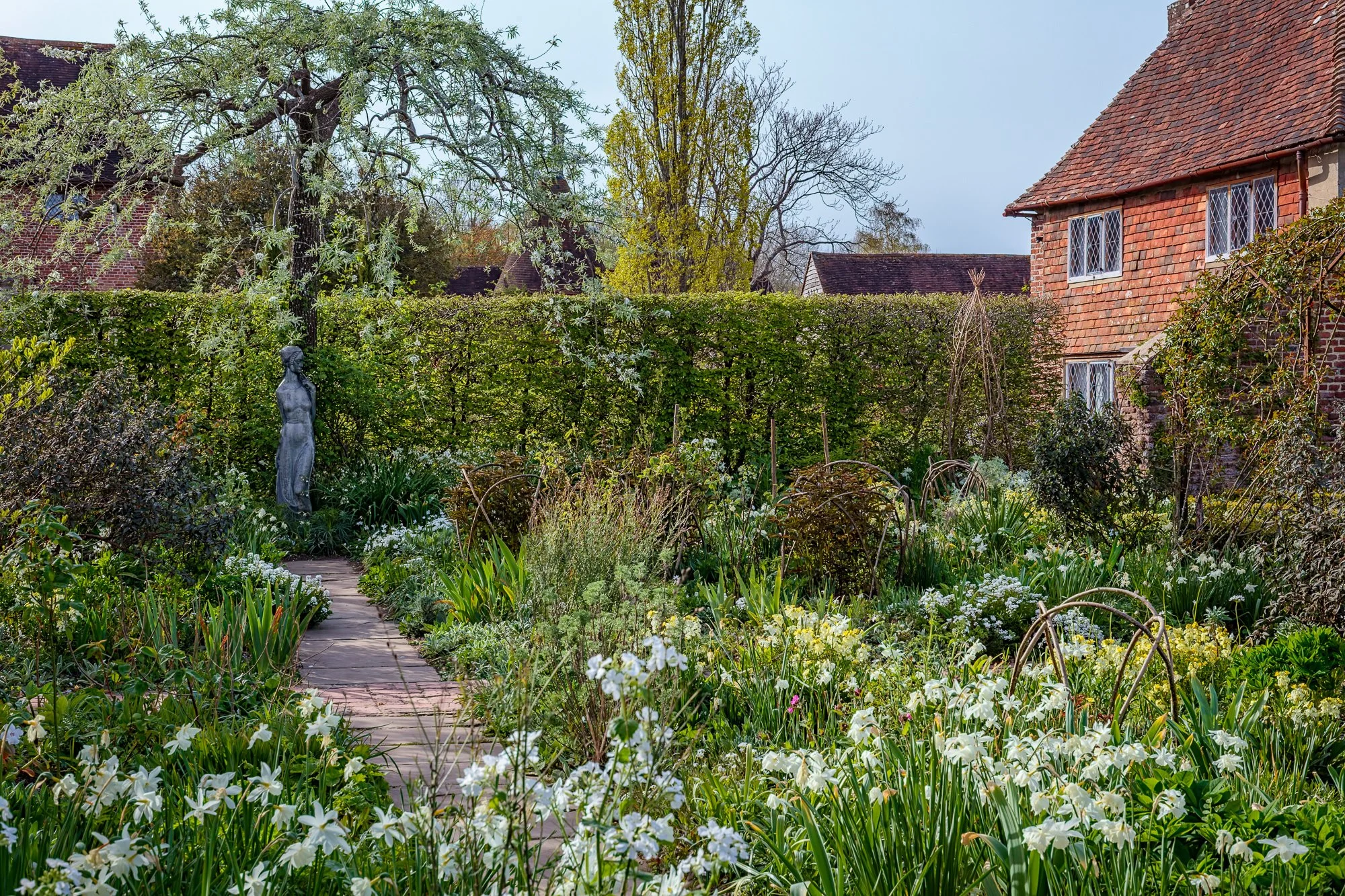
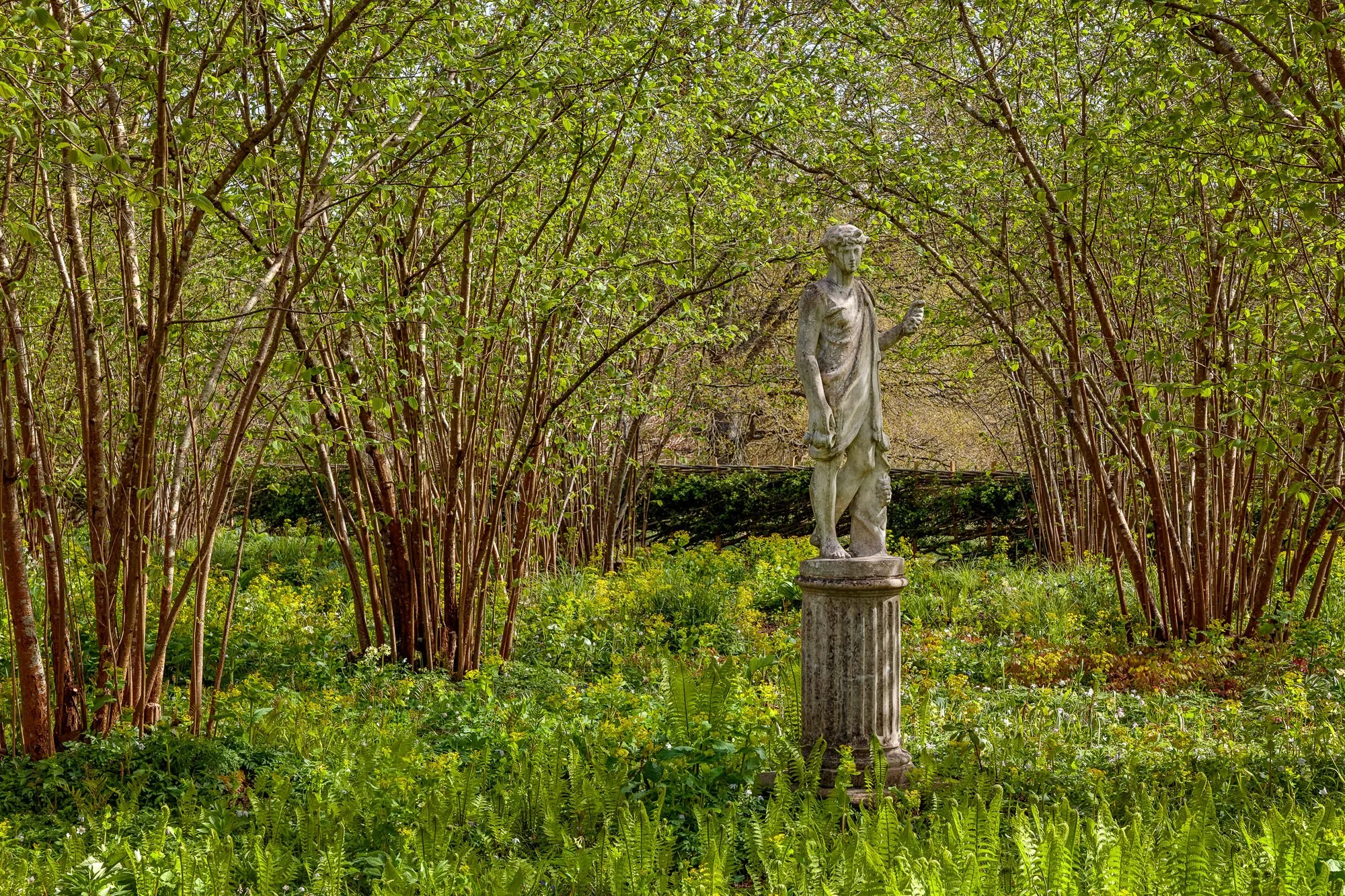
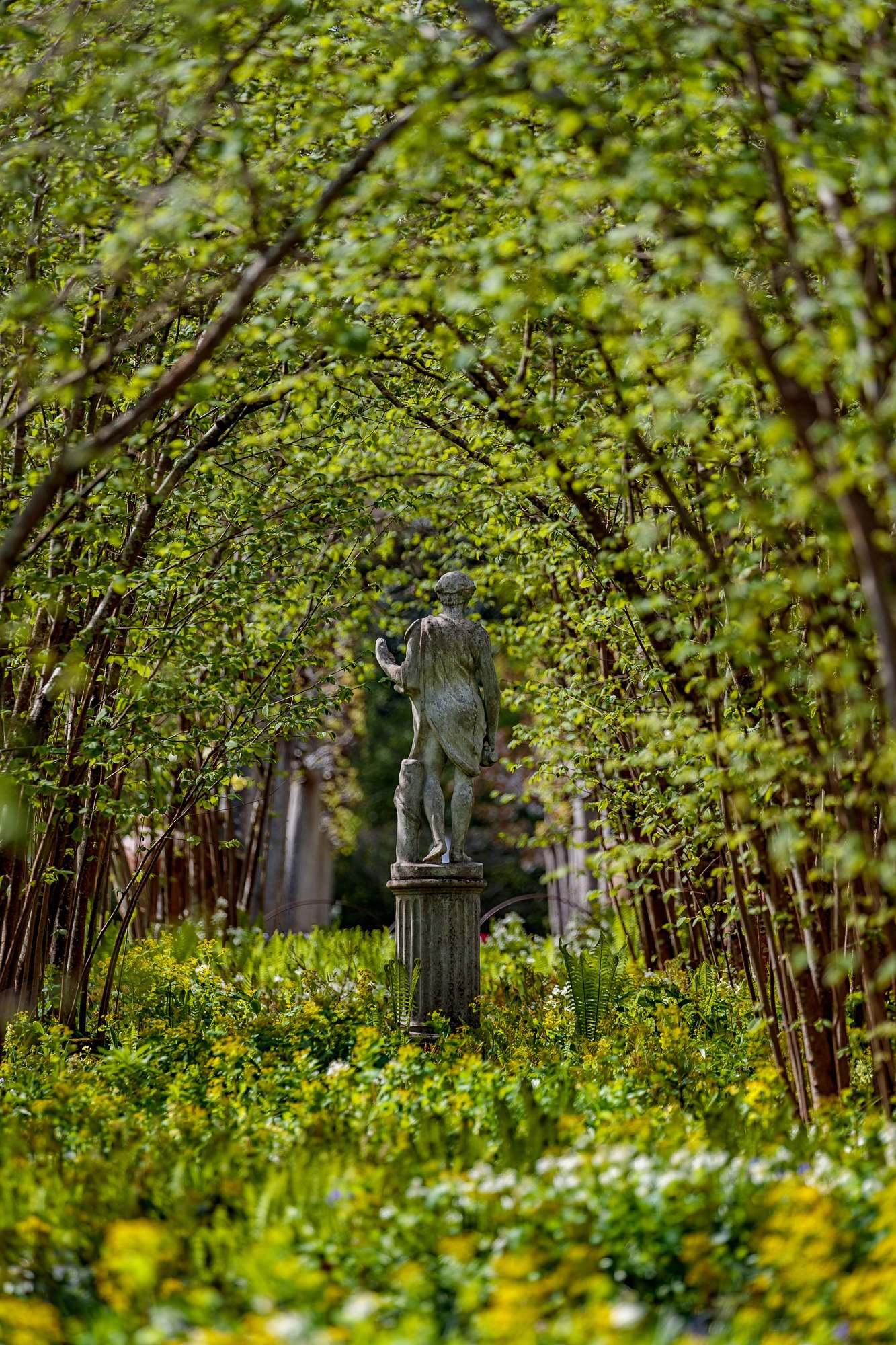
The Nuttery was the area of the garden that 'settled' the decision to purchase for Nicolson. Parallel rows of coppiced Kentish cobnuts are not, on paper, the sort of thing that should make the pulse race. Yet in spring the effect of low filtered light illuminating a woodland floor alive with anemones, fritillaries, trilliums, ferns and erythroniums is magical. The current planting is surely an improvement on the polyanthus carpet that was removed long ago as a result of disease. It's the kind of disciplined, restrained naturalistic planting that I can get behind.
The transition from the Nuttery to the South Cottage garden is startling. Restraint and caution have been thrown to the wind with old-fashioned wallflower cultivars in tones of brick red, burnt orange, deep yellow and mahogany. Again, a formal layout and deep green yew just about manage to contain the riot.
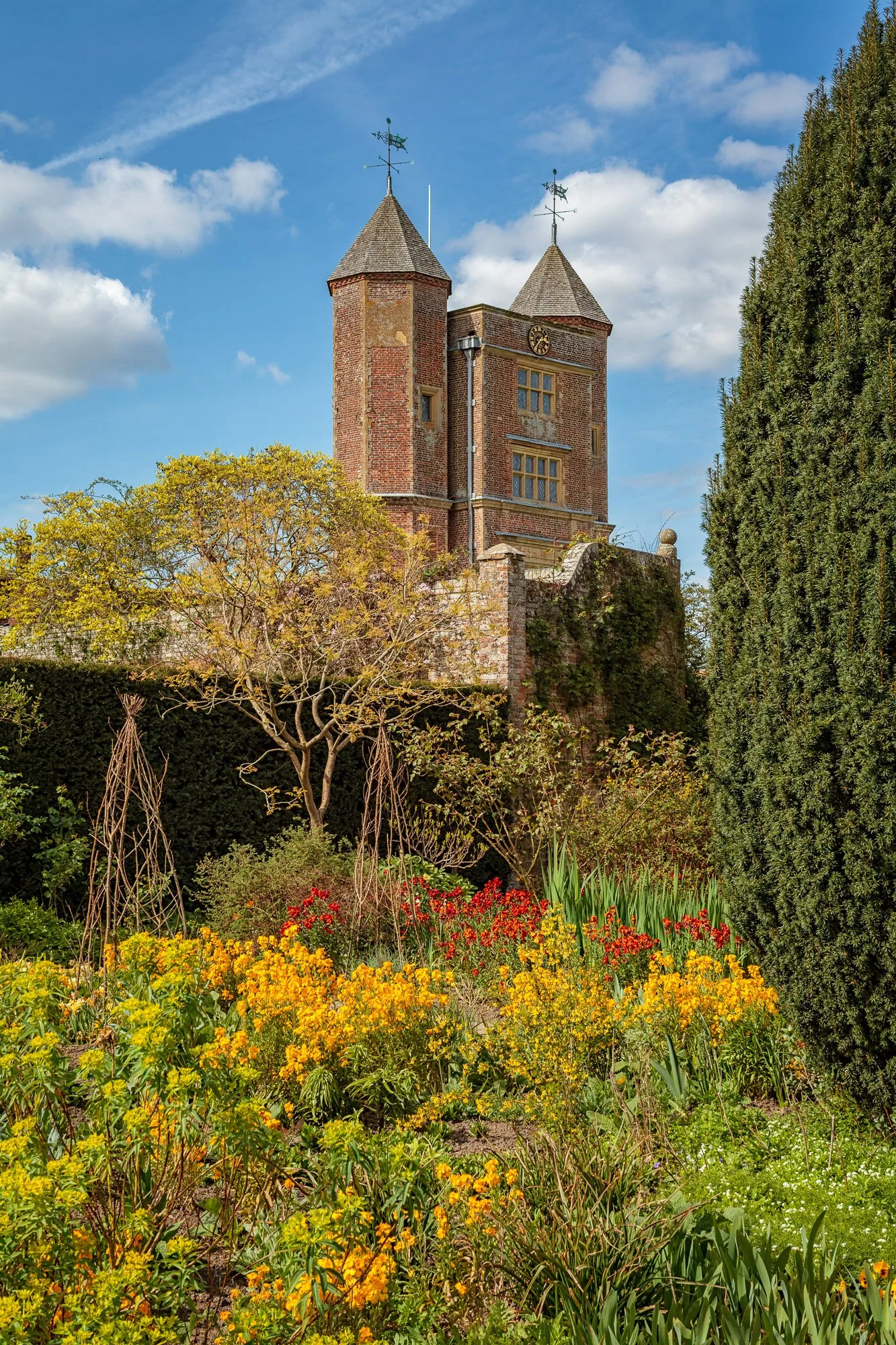
Not every 'room' has the courage of its convictions. The Moat Walk is no horticultural showstopper and feels like a big chunk of real estate in search of a purpose. You walk along it, admire the Elizabethan wall and move on. Perhaps to the Herb Garden, suffering in April from timing, but all year round from its position in the far corner of the garden, as far from any kitchen as possible. Aristocratic indifference to practicality, perhaps, and definitely not a problem when you've got a cook and a garden boy at your beck and call.
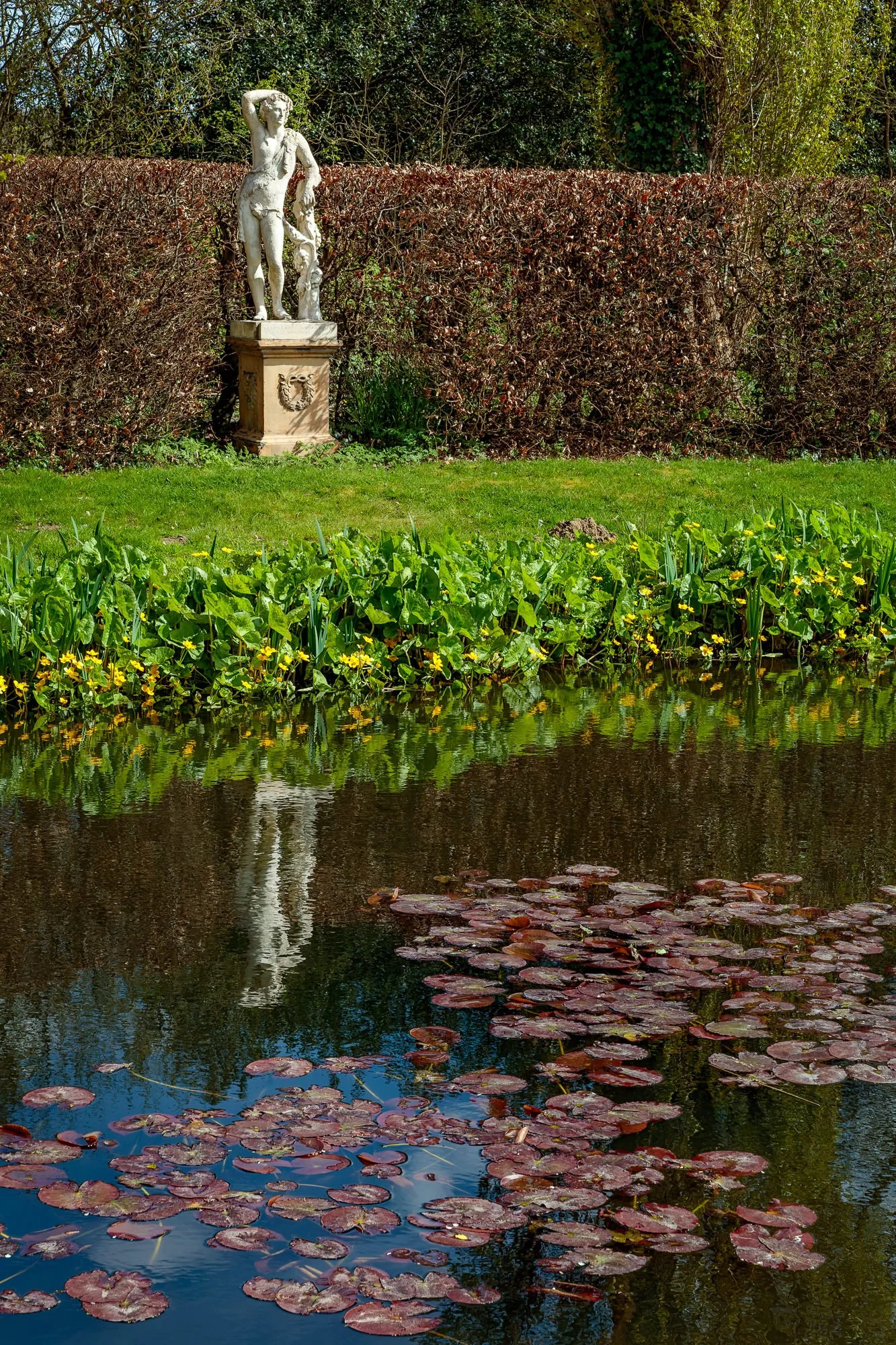
The Lower Courtyard alongside is no triumph of design. The proportions seem awkward, the thin and patchy border at the base of an imposing wall is a missed opportunity. Beyond lies a view towards the orchard which, for me at least, failed to reward anticipation. I hadn't appreciated until this visit quite how much is given over to orchard. Regular readers will know my reservations about sacrificing valuable space to either fruit production or meadows, and seeing the extent of it here did little to soften my position.
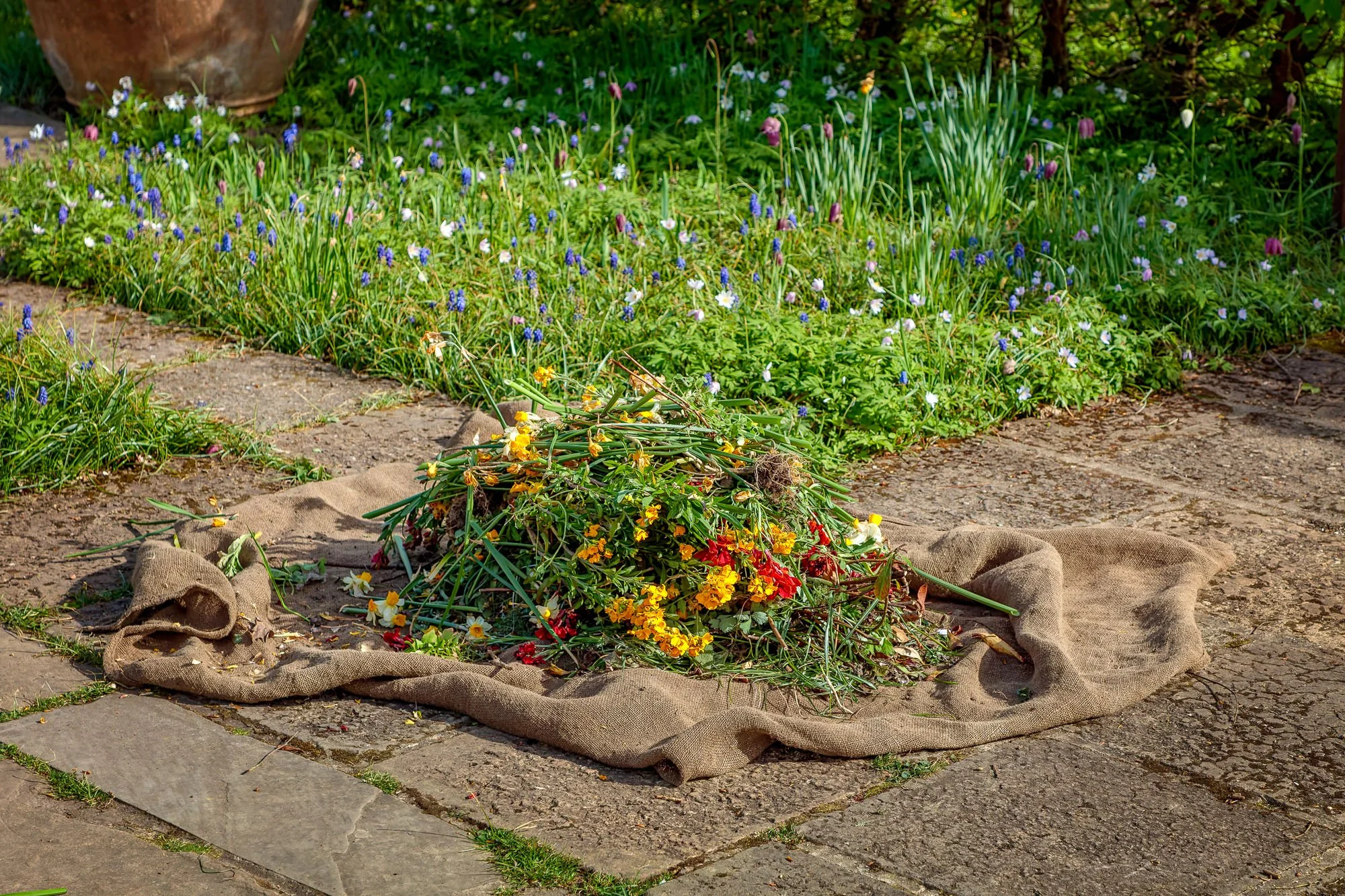
Which brings us to Delos. In 1935, Nicolson and Sackville-West cruised the Greek islands, liked what they saw and, on their return, tried to re-create a slice of the Med at home by sprinkling a few ruins, rocks and sun-loving plants on a north-facing slope. Kent refused to co-operate. 'This has not been a success so far, but perhaps someday it will come right', wrote Sackville-West. Well, has it?
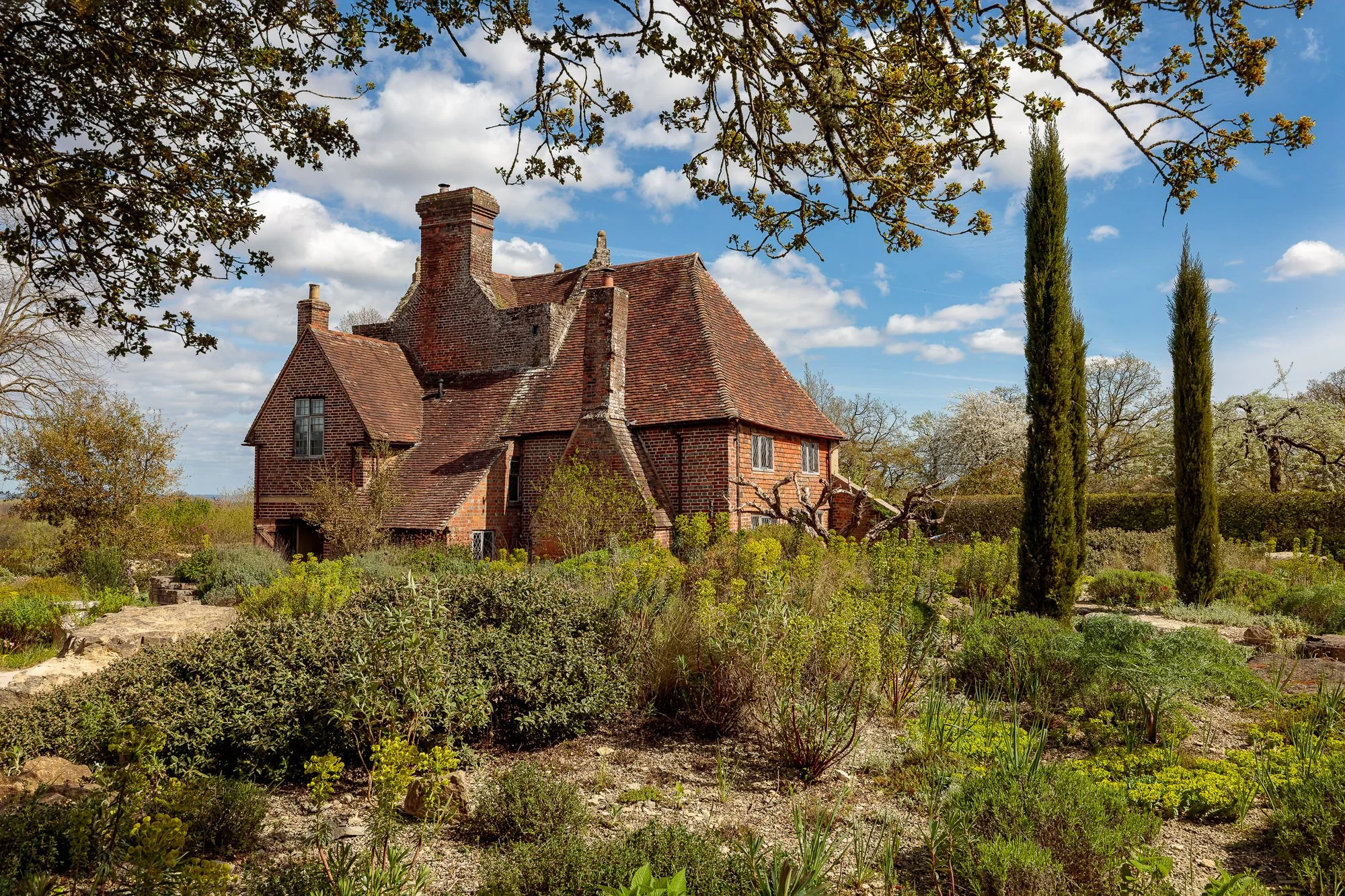
Recent reimagining by Dan Pearson has sought to realise the original vision using a much better understanding of ecology. It is thoughtful, skilful work, well executed. But I remain to be convinced. The ambitious planting (cork oaks and Judas trees for height, cistus, thymes, broom and Ballota pseudodictamnus) certainly lend a Mediterranean air and appear, so far, to be coping well in the much-improved conditions. Under an English sky, though, silver-leaved plants can appear wan and subdued, longing for a decent burst of blazing sun and prolonged drought.
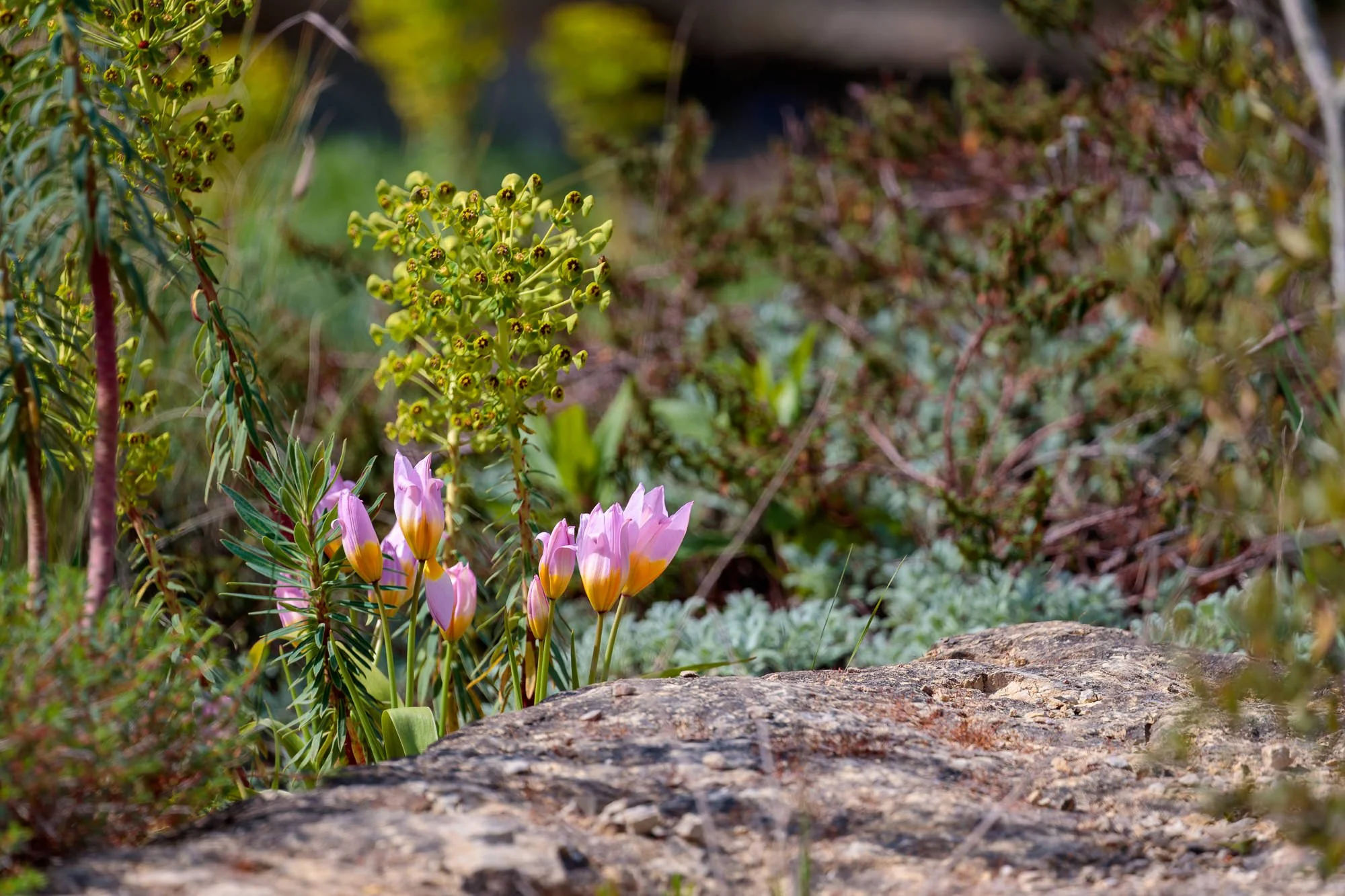
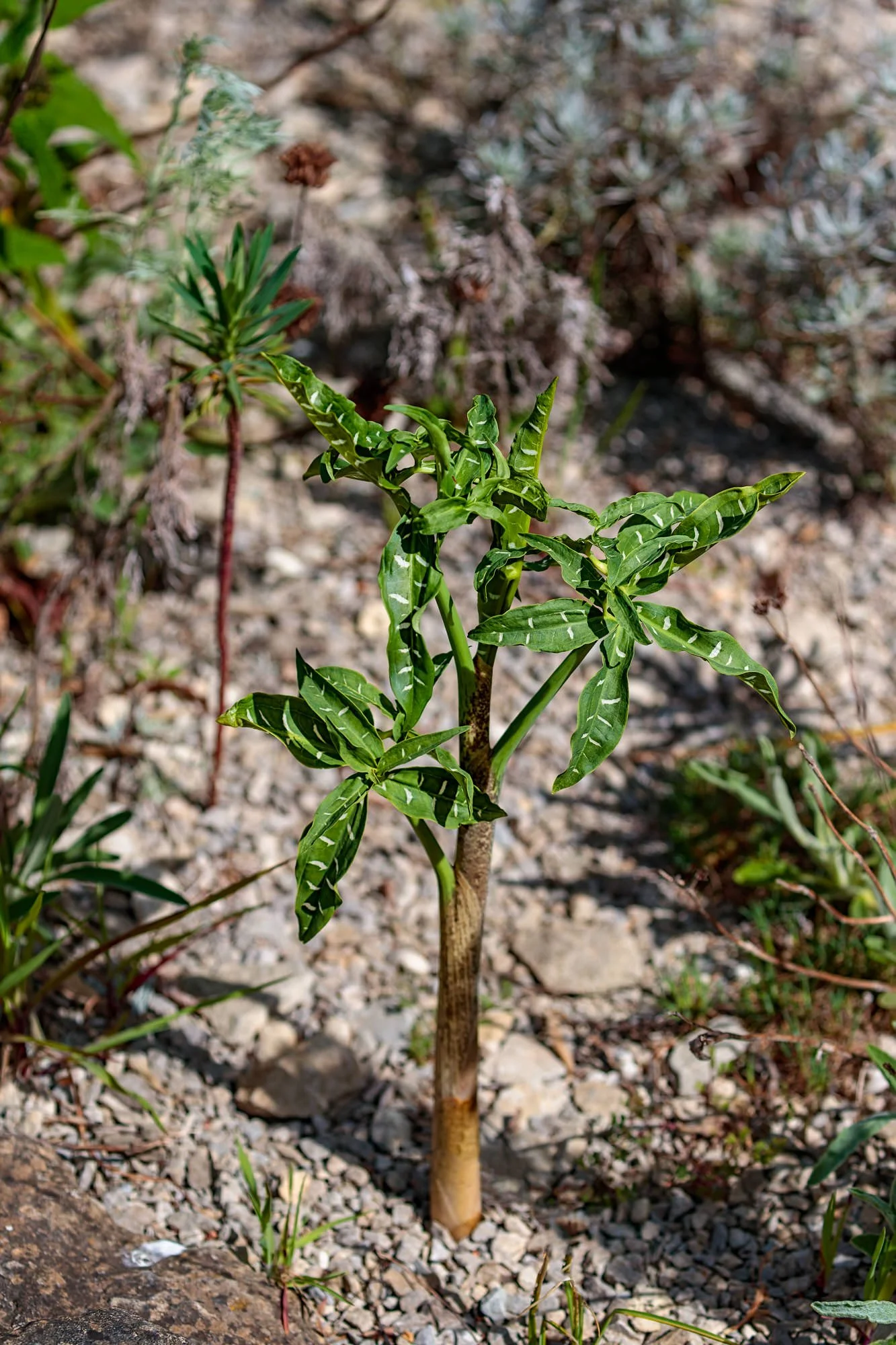
Perhaps the problem here is contextual as Delos has a certain charm and does manage to evoke the Mediterranean, despite the milky sunshine. But beyond the planting are traditional red-brick buildings, lush green fields and oast houses. Throw in as many broken columns and hot summers as you like but you're still in the Weald.
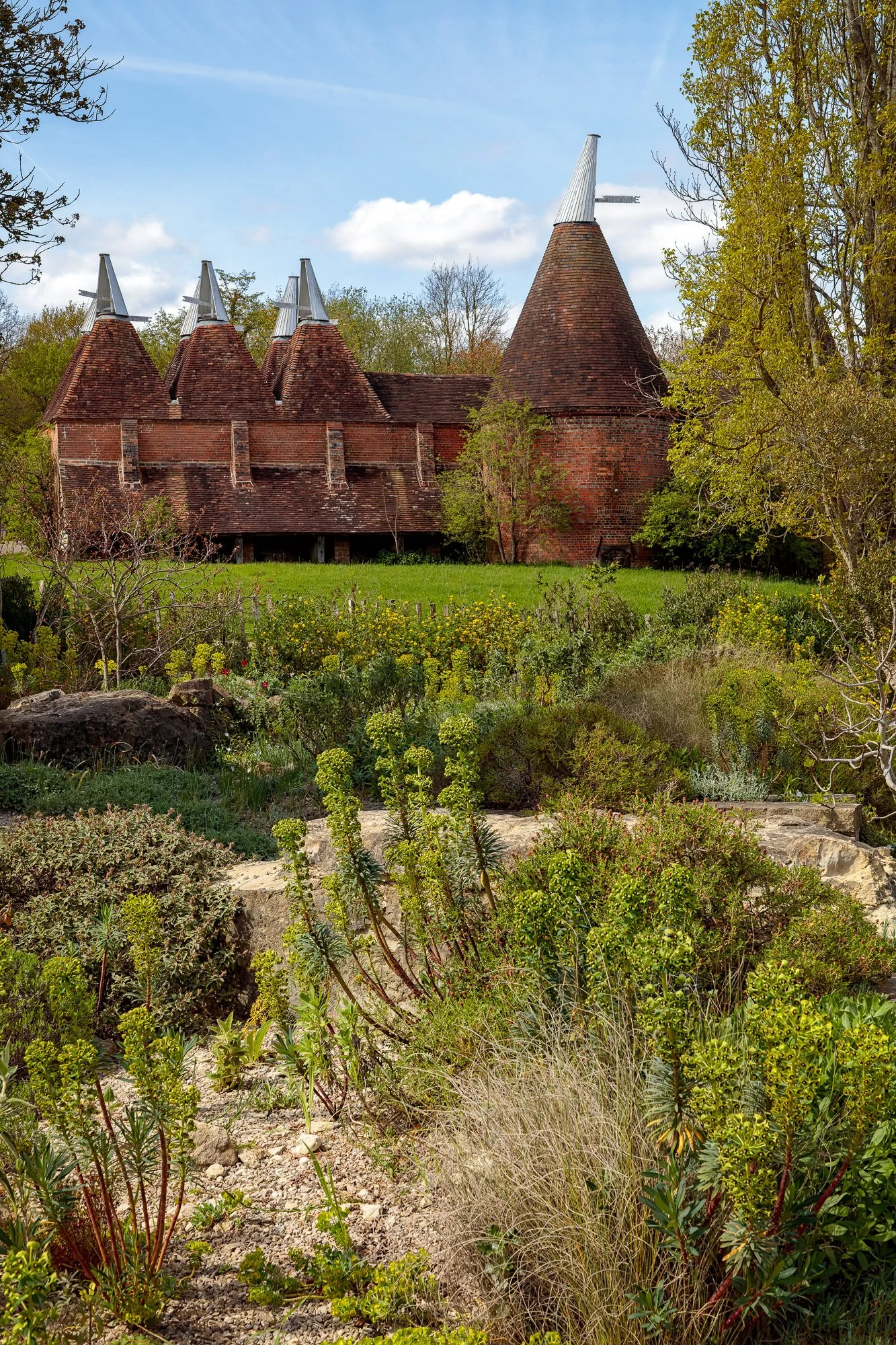
Are we simply being asked to applaud a well-to-do couple for returning from Greece with a yearning to recreate a fragment of a foreign land in an alien setting? If somebody came back from Torremolinos and installed a wicker donkey and a ceramic flamenco dancer next to the hot-tub, we’d be tempted to mock them mercilessly. Add a few classical references and some drought-tolerant shrubs, however, and suddenly Delos is elevated to the status of a sophisticated recreation of an Aegean hillside.
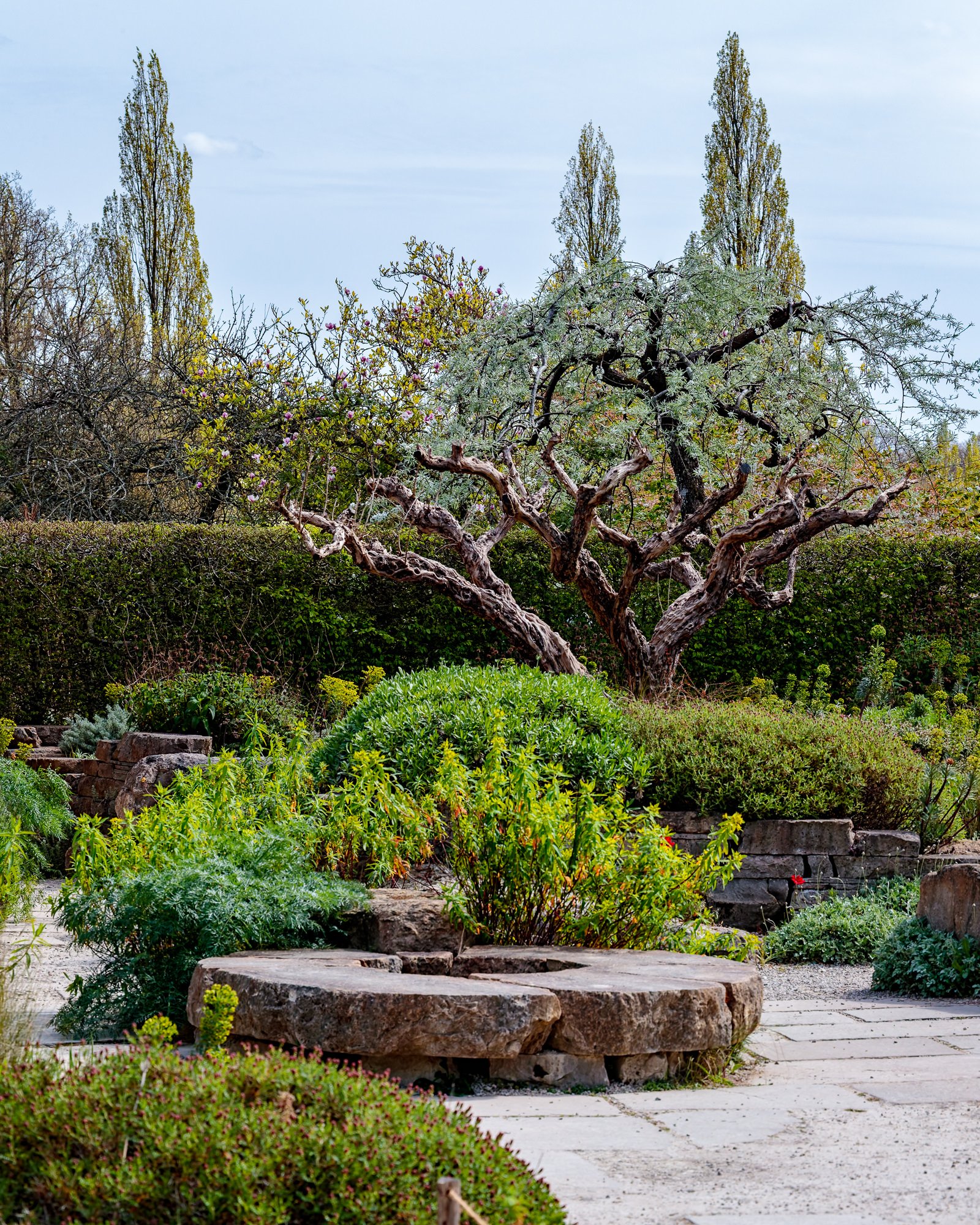
Those involved in the restoration have done a remarkable job with a difficult brief. My suspicion is that the original idea was simply flawed. Some concepts deserve preservation because they are important. Others should be consigned to the reject pile as beyond redemption.
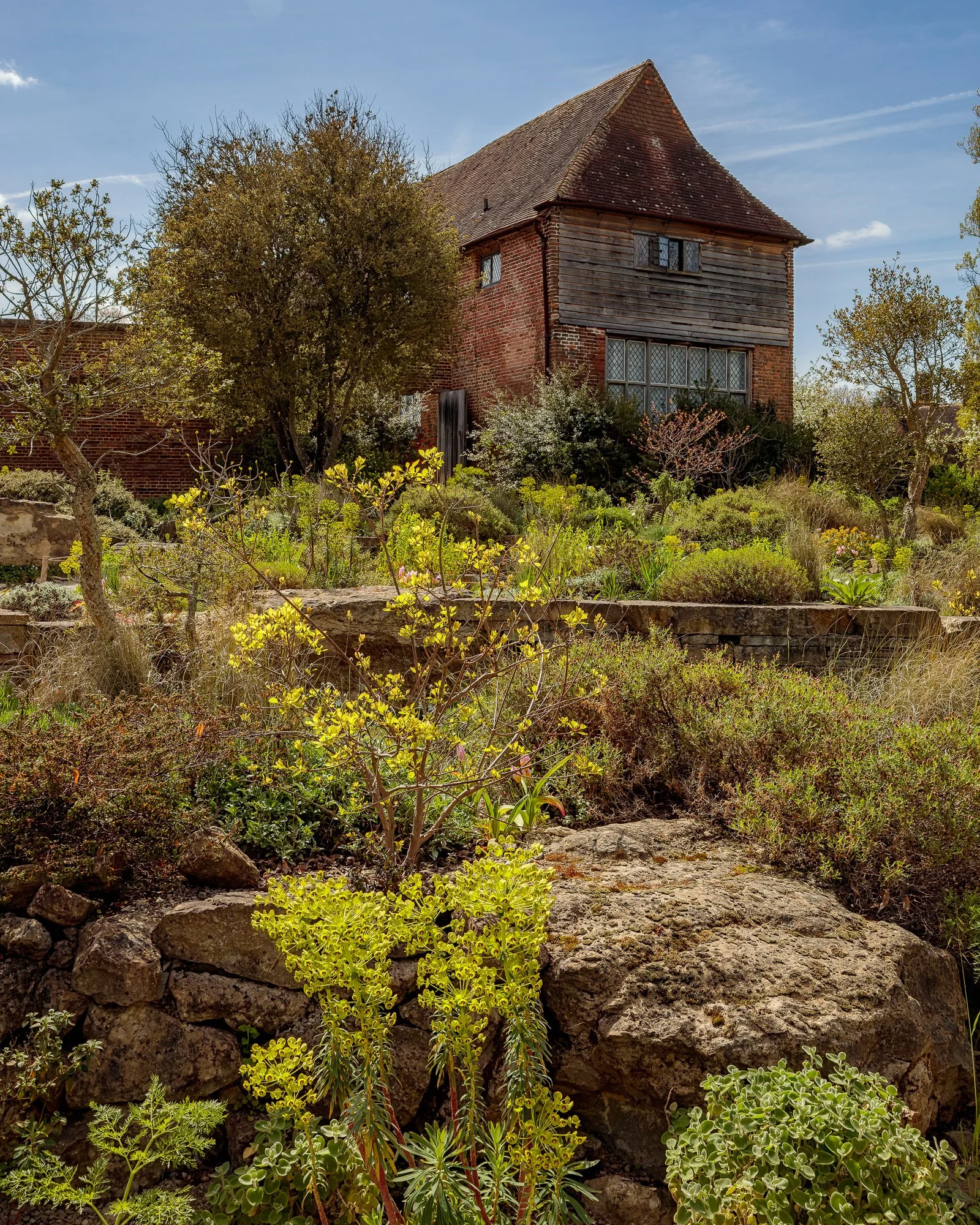
What lingers after a visit to Sissinghurst is, more than misfiring experimentation, the mastery of enclosure and revelation. Every room possesses a distinct atmosphere, achieved through shifts in planting, colour and geometry rather than brute scale. Even areas that feel underwhelming at certain times of year contribute to the wider composition.
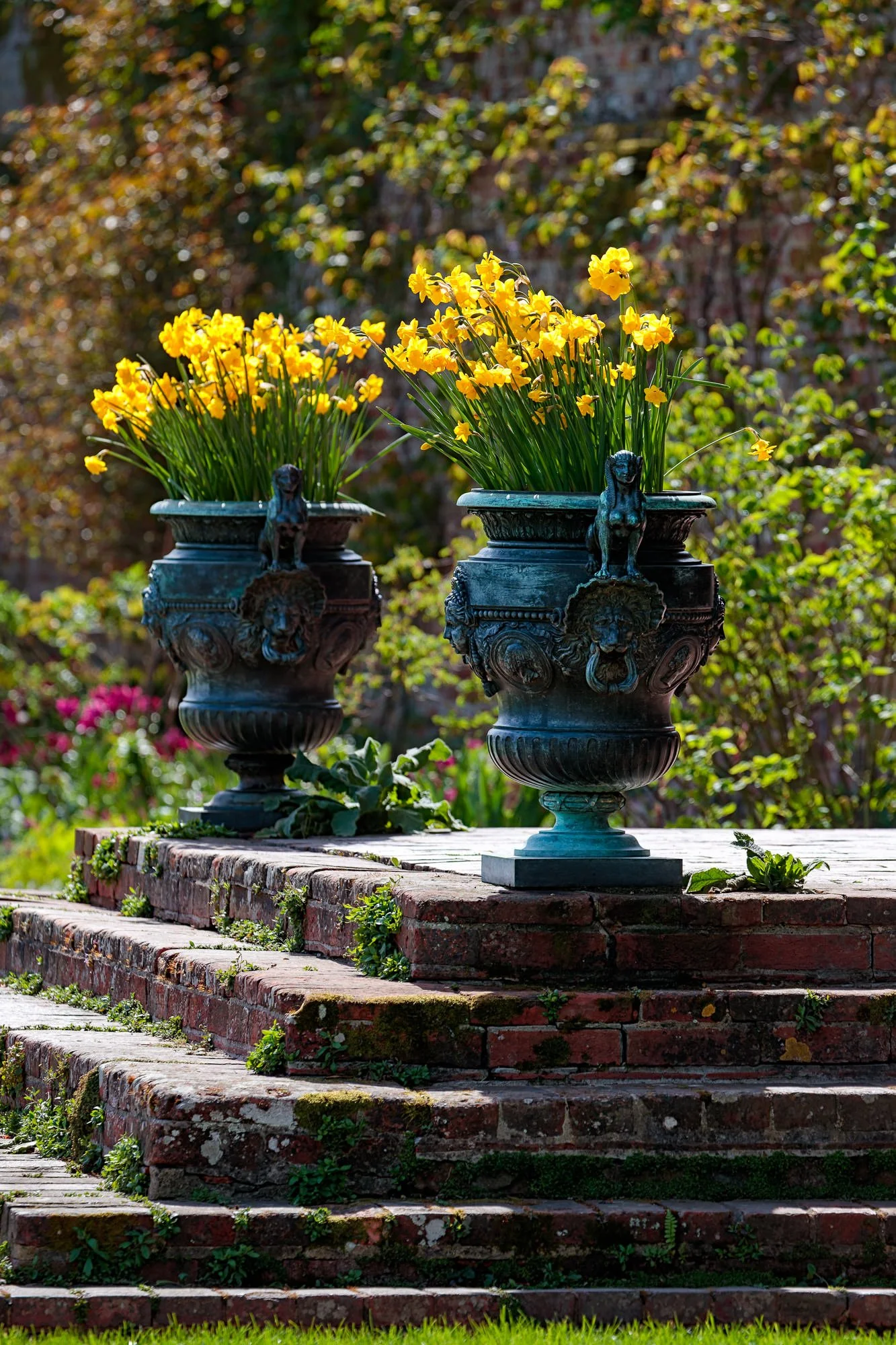
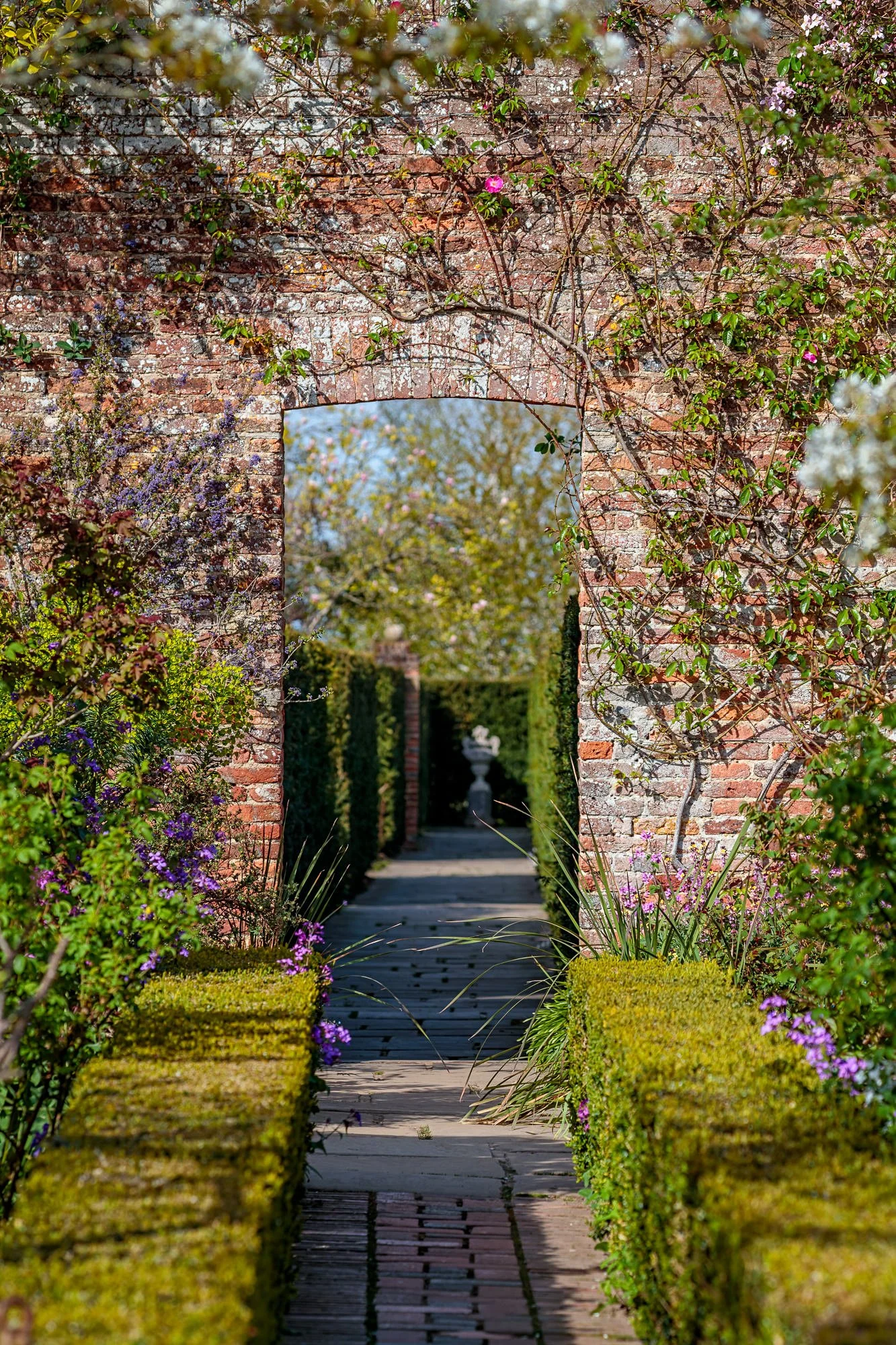
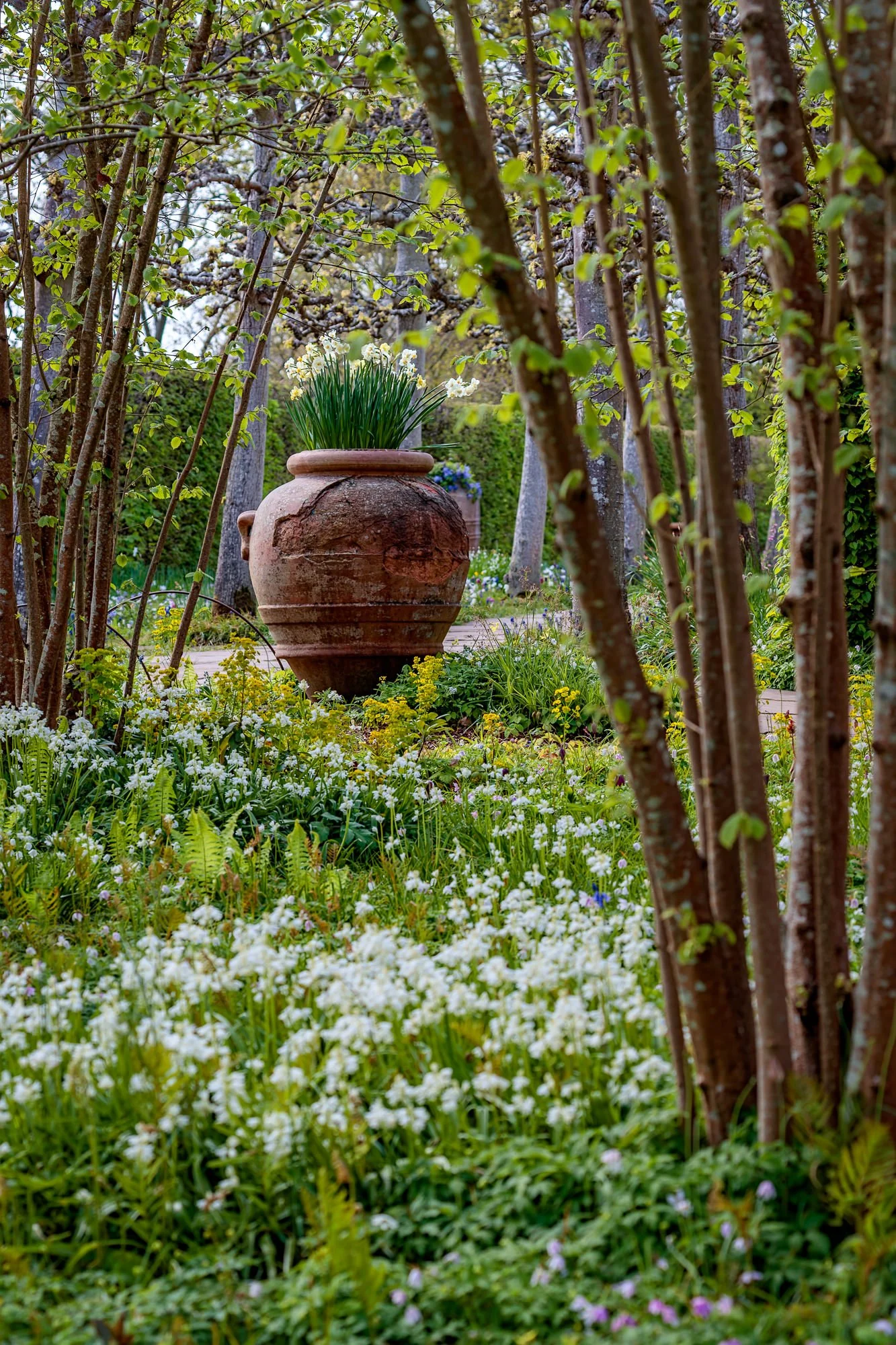
And April may be the ideal moment to appreciate that achievement. The crowds are thinner, the structure more visible and the spring planting judicious and refined. If you want to understand why Sissinghurst became one of the most influential gardens in the world, don't necessarily wait for the roses. Go when the architecture of the place is still showing through. Just don't confuse Kent for Greece.
More information here: https://www.nationaltrust.org.uk/visit/kent/sissinghurst-castle-garden