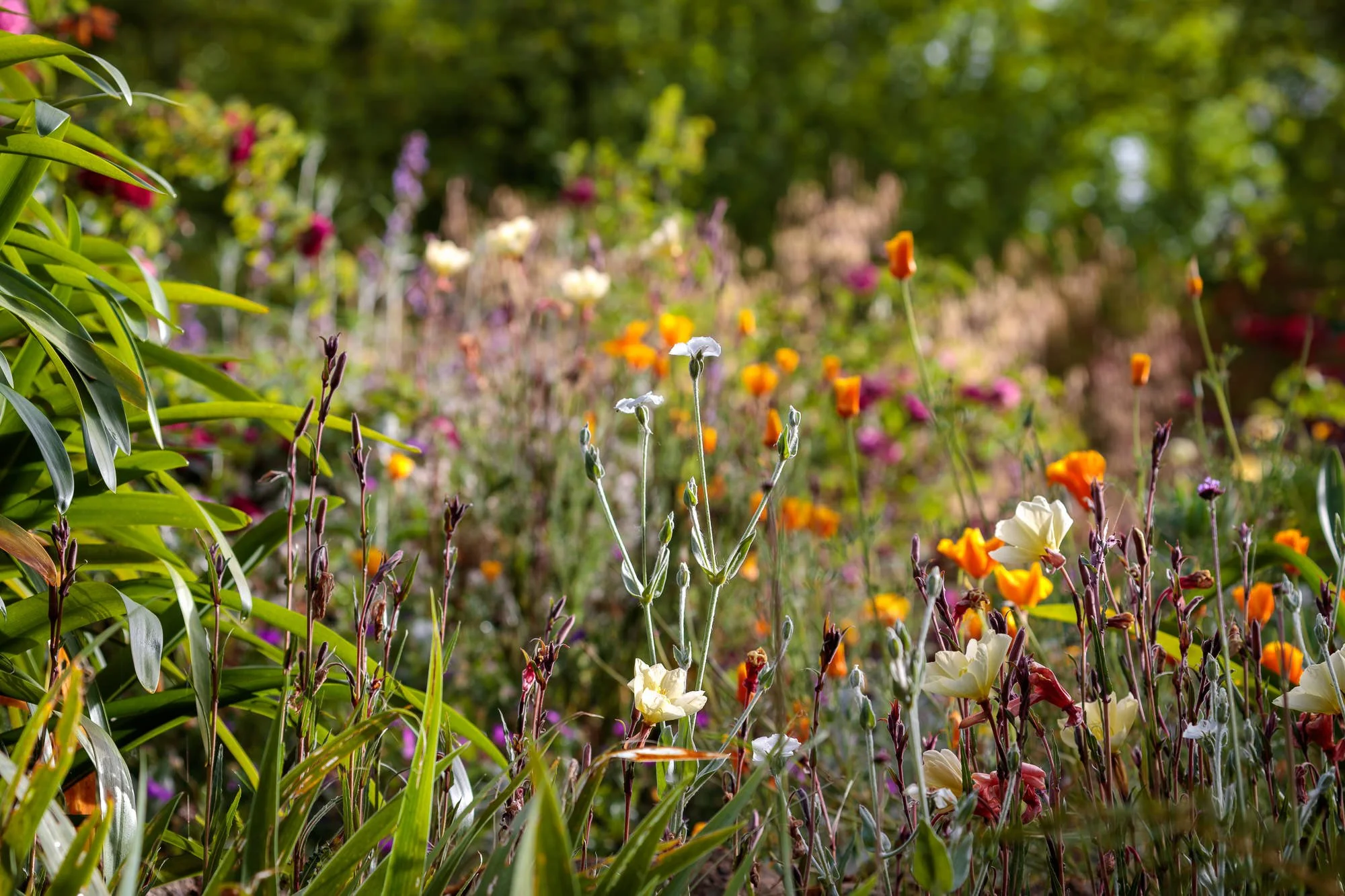
The evolution of a garden
10 June 2026
By: James Lennox
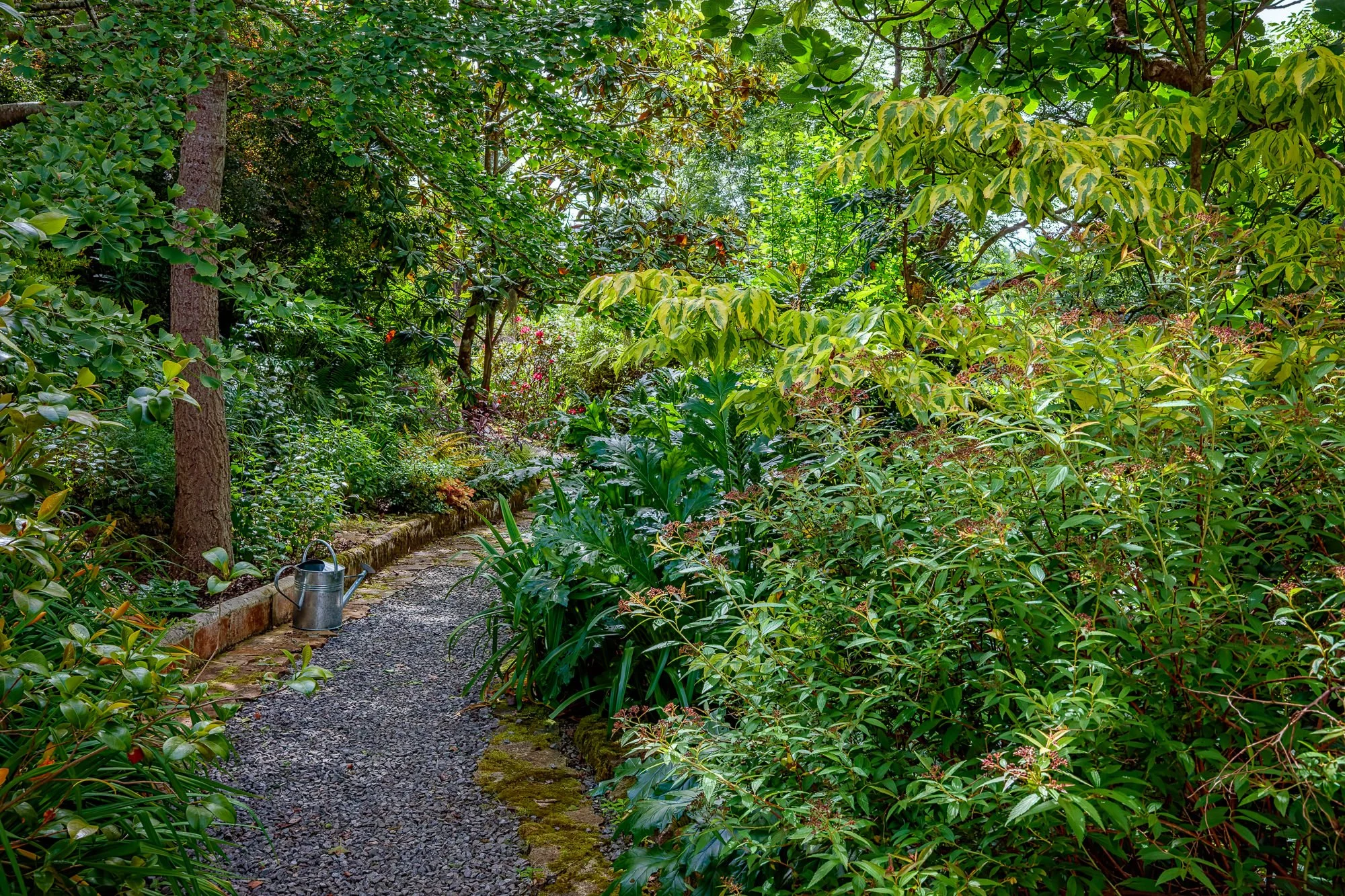
The garden is excelling itself right now. And I only deserve a little of the credit. Take care of a plant's basic needs – soil, water and sunlight in more or less the right combination – and it'll reward you handsomely.
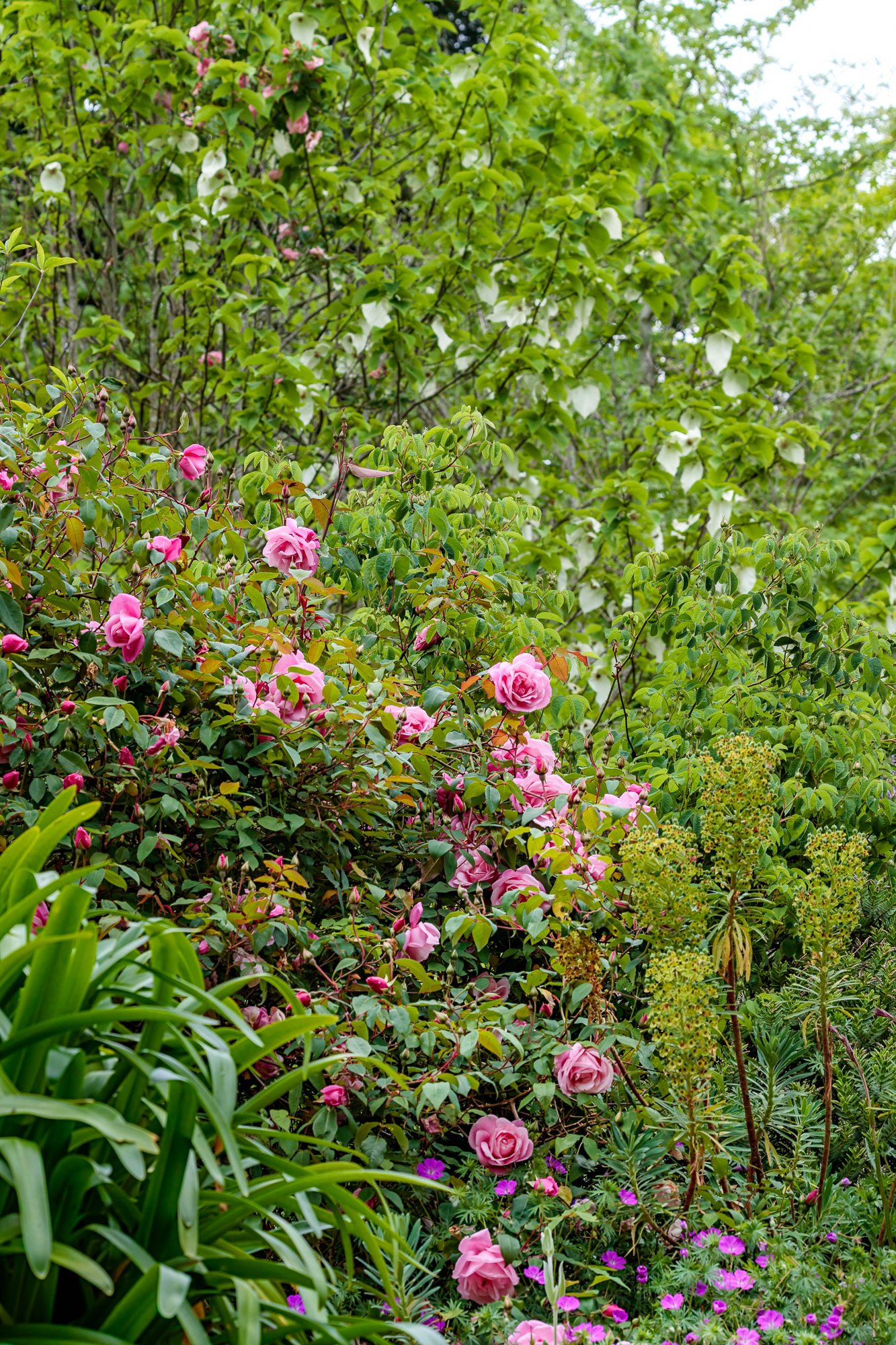
In some cases, the darn things embrace life at La Corolla just a little too lustily. When a tulip tree puts on three feet a year or a geranium self-seeds itself through a border as thickly as cress on a flannel, you realise you must have been doing something right to make them feel so at home.
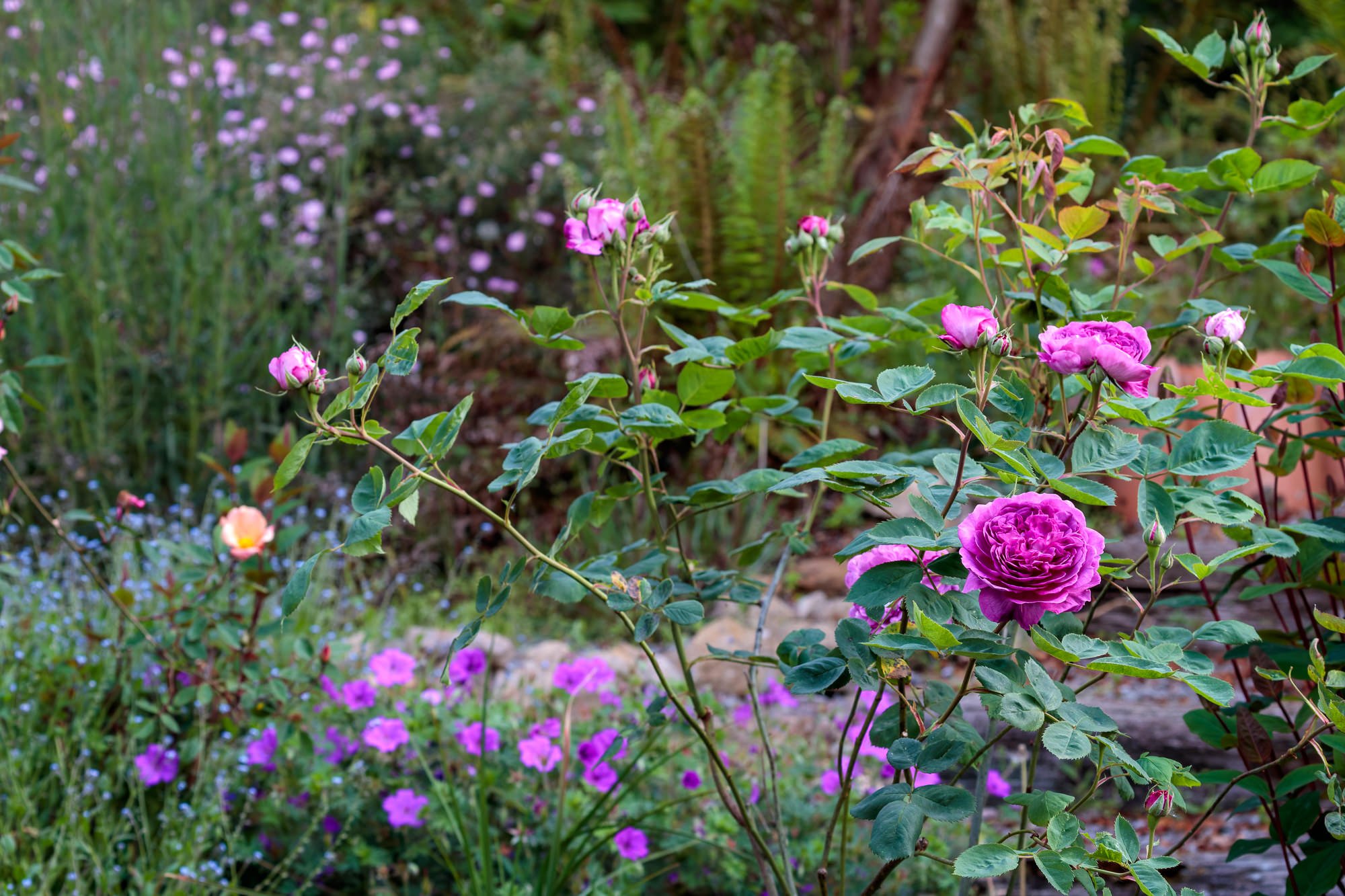
I'm slowly realising that I'm storing up trouble for myself down the line – a dozen coastal redwoods (Sequoia sempervirens) in a circle all because I can't bear to throw out anything I grow from seed; more Euphorbia mellifera than is strictly necessary for that Canary Islands vibe; ornamental grasses springing up at every turn. The next generation will be cursing my name before I'm cold in the ground.
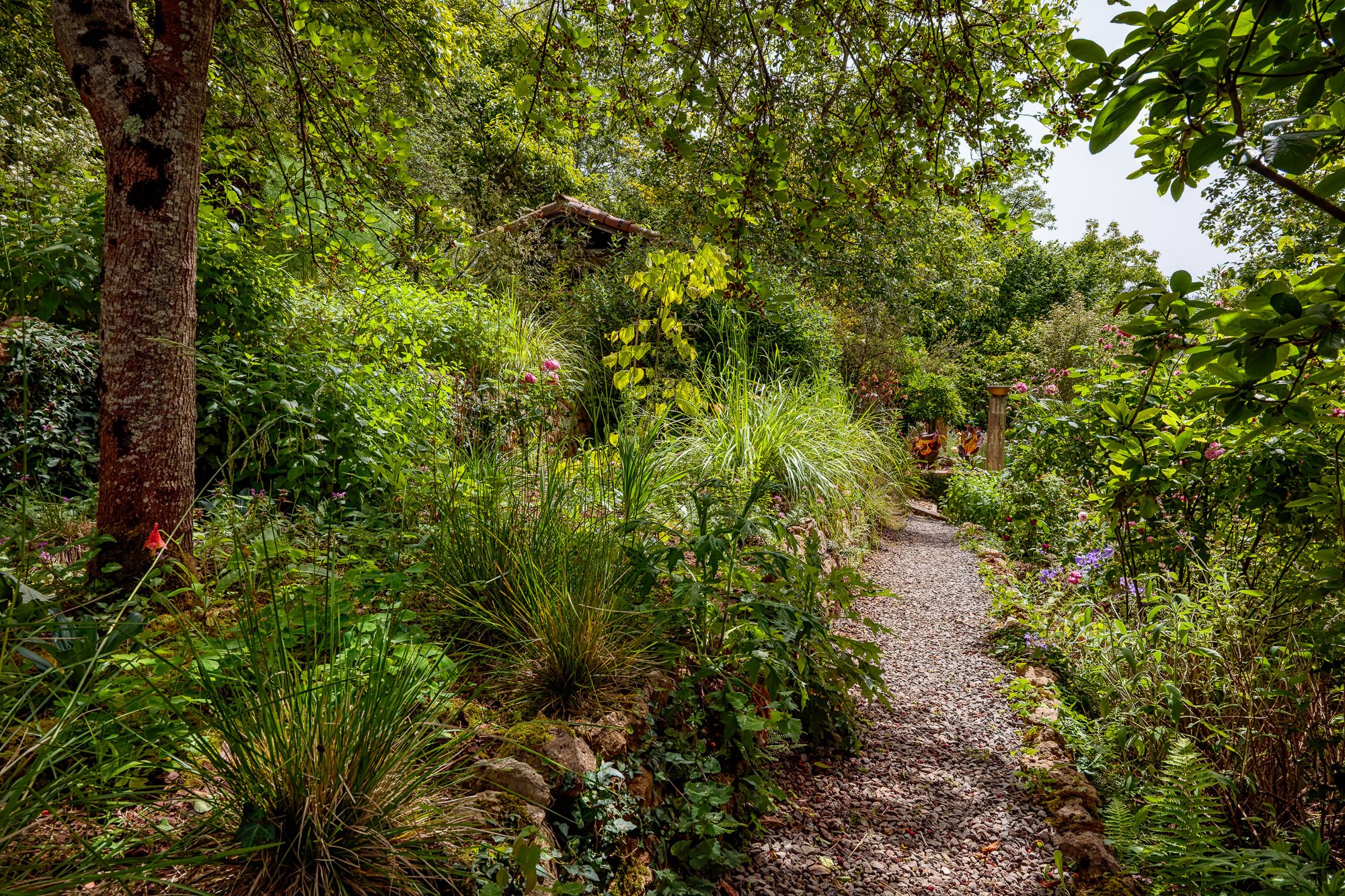
If only I'd got round to visiting other gardens before embarking on this mad adventure, I might have been able to spot future problems before rushing in blindly. It's one of the reasons why I'll be spending considerable time this summer in other people's gardens (escaping the heatwaves and the crowds in Northumberland and Scotland, to be precise) – trying to spot mistakes before I make them, finding solutions to problems I've already created and, hopefully, finding inspiration for the next phase in my own garden's evolution. Established gardens are, in effect time machines. They allow you to see the consequences of decisions that, in your own garden, are still a life-time away.
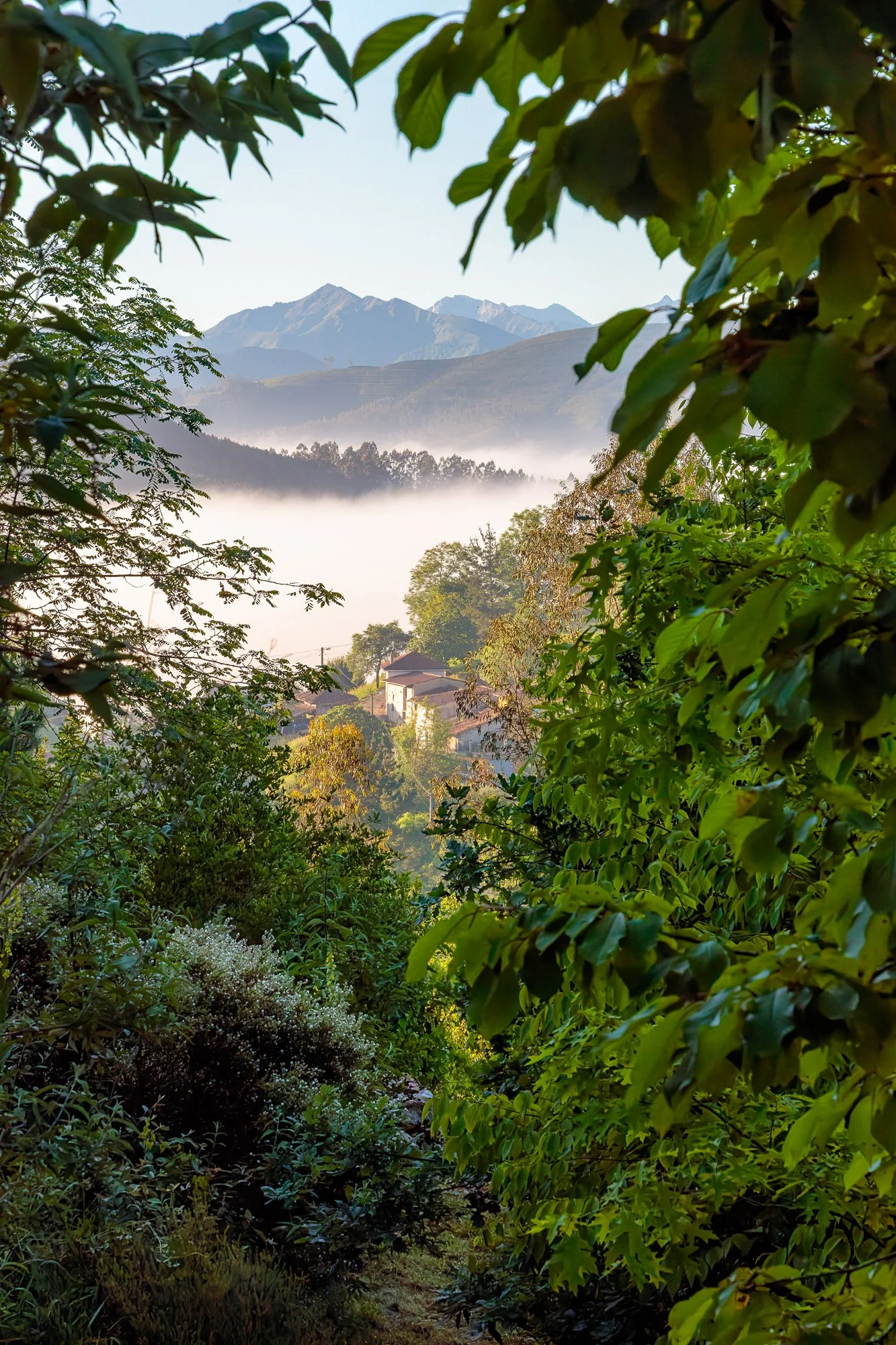
When we started out, we knew next to nothing. Growing fruit and vegetables was the gateway drug. It seemed rude not to imitate what our village neighbours were doing, even though apples are my least favourite fruit and I'm not overly keen on potatoes. I soon grew out of my utilitarian phase. Productive gardening certainly feeds the body; the soul, not so much.
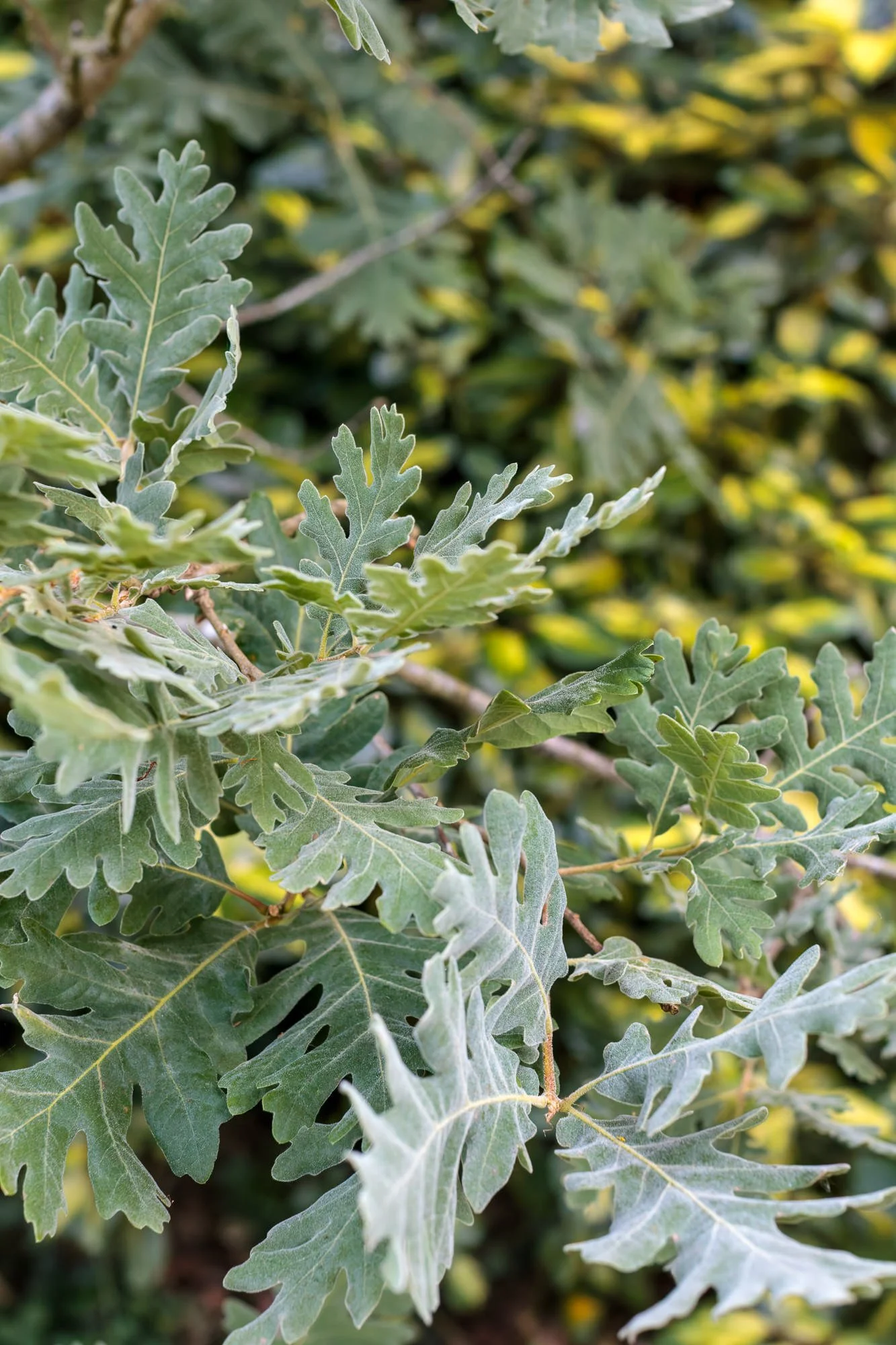
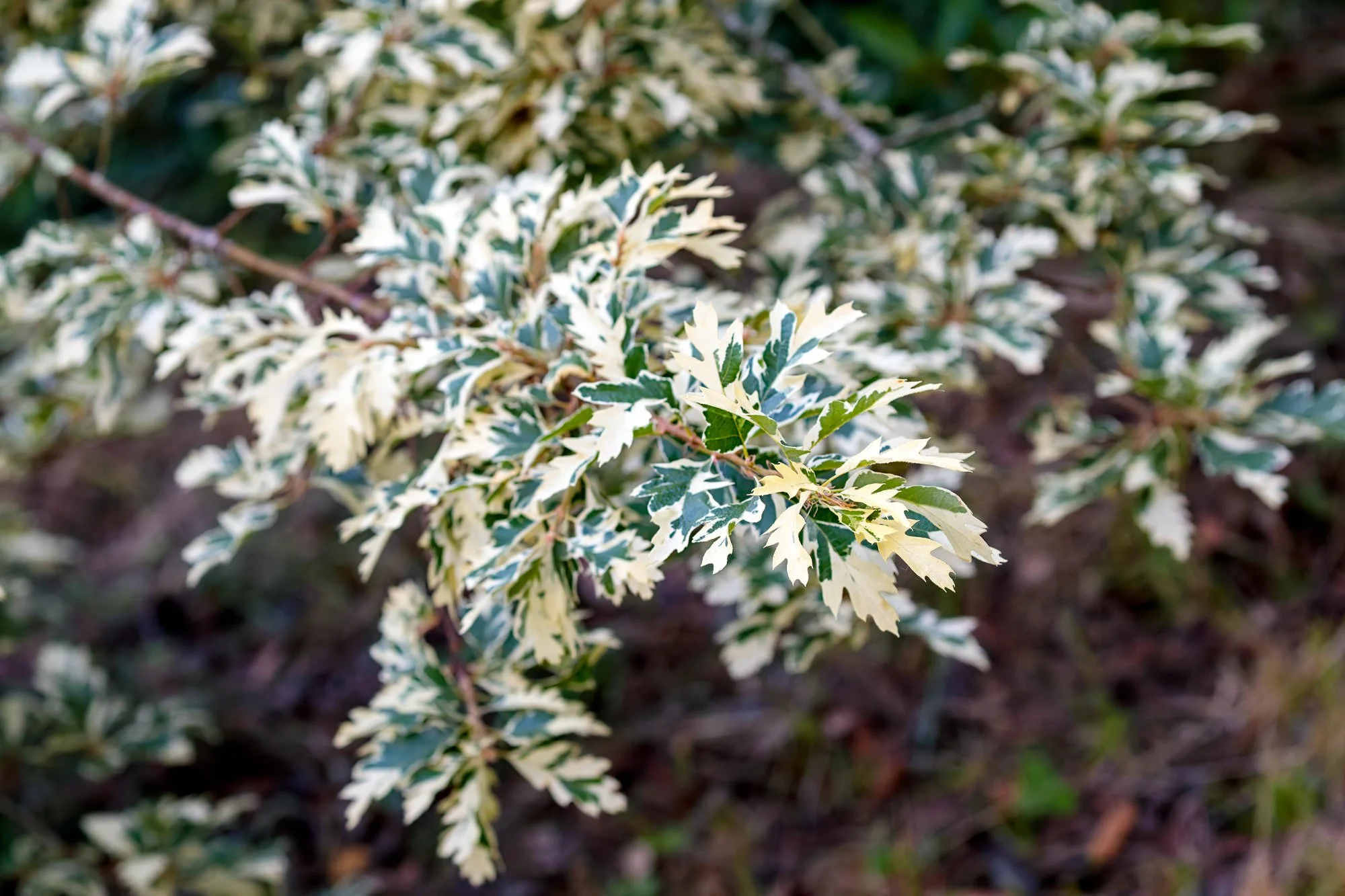
Then came the various plant obsessions. Roses for a while – even though, as a friend once warned, they would cause me no end of grief in a hot, humid climate. Trees followed, oaks in particular – do I really have 30 different species? More recently, attention has turned to the ground level and I've been piling into all the herbaceous goodies that newly created shade has enabled: epimediums, toad lilies, ferns, all manner of woodlanders that would probably prefer to be somewhere cooler and damper but are making the most of the situation.
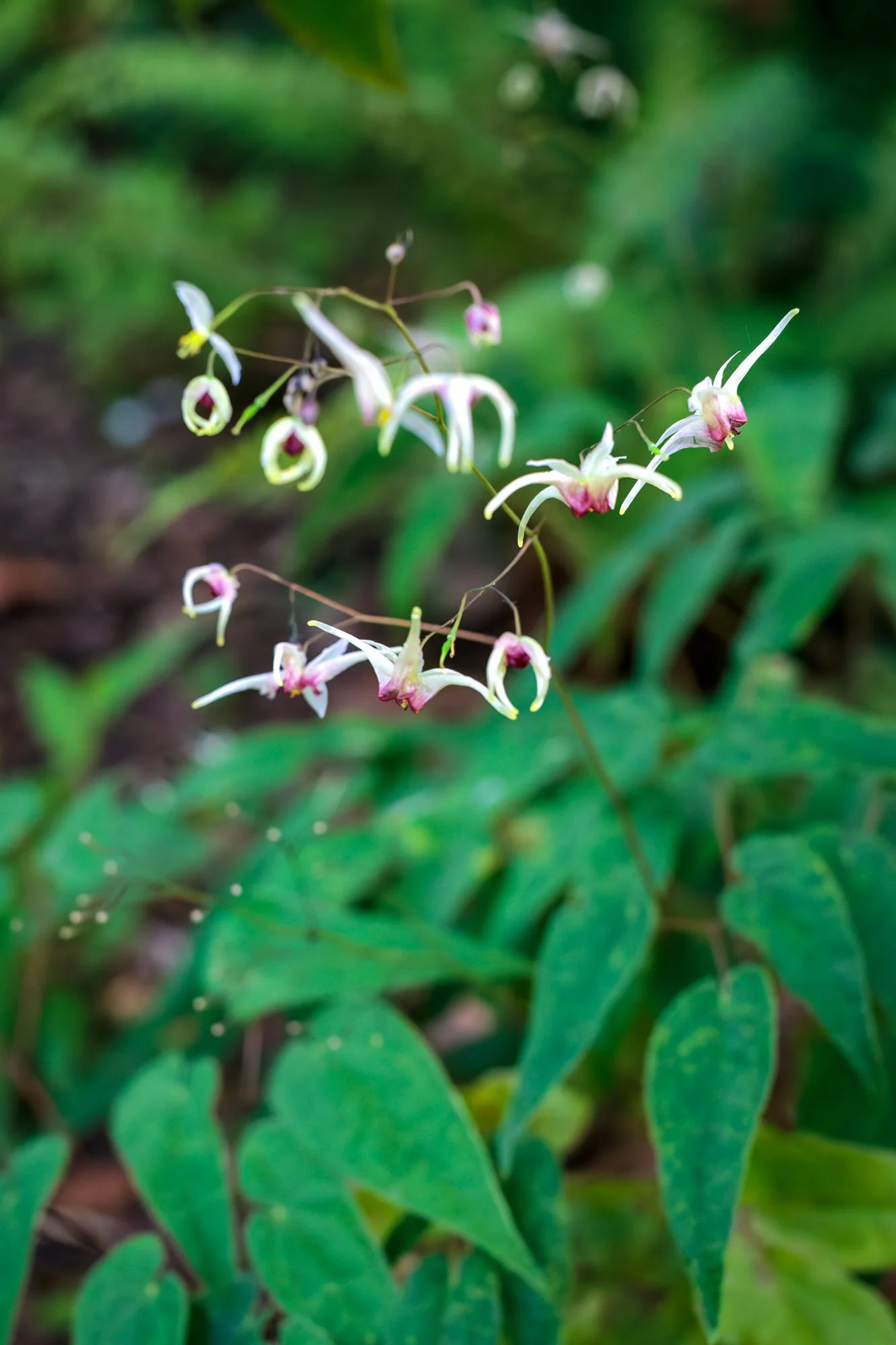
As a garden matures, plant collecting gradually gives way to plant combining. Individual specimens standing in splendid isolation become less important than the contribution they make to the overall effect. Atmosphere, rhythm and contrast start to matter more than whether a particular plant is rare or unusual. That's not to say I've given up my covetous ways entirely – it just means I have to incorporate the five latest 'must-have' Cercis sympathetically into the existing scheme and not plonk them all in a line like new recruits on a parade ground.
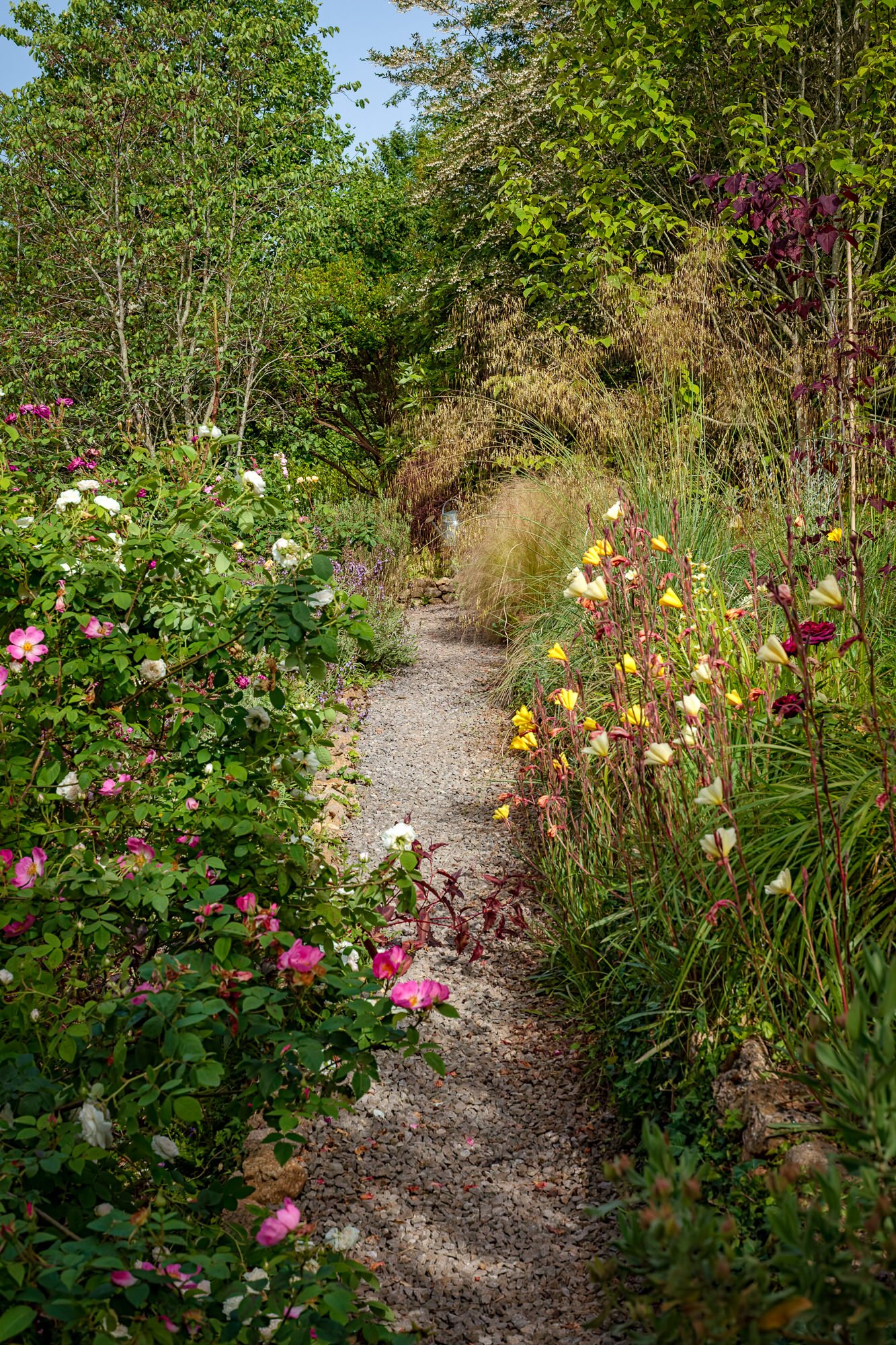
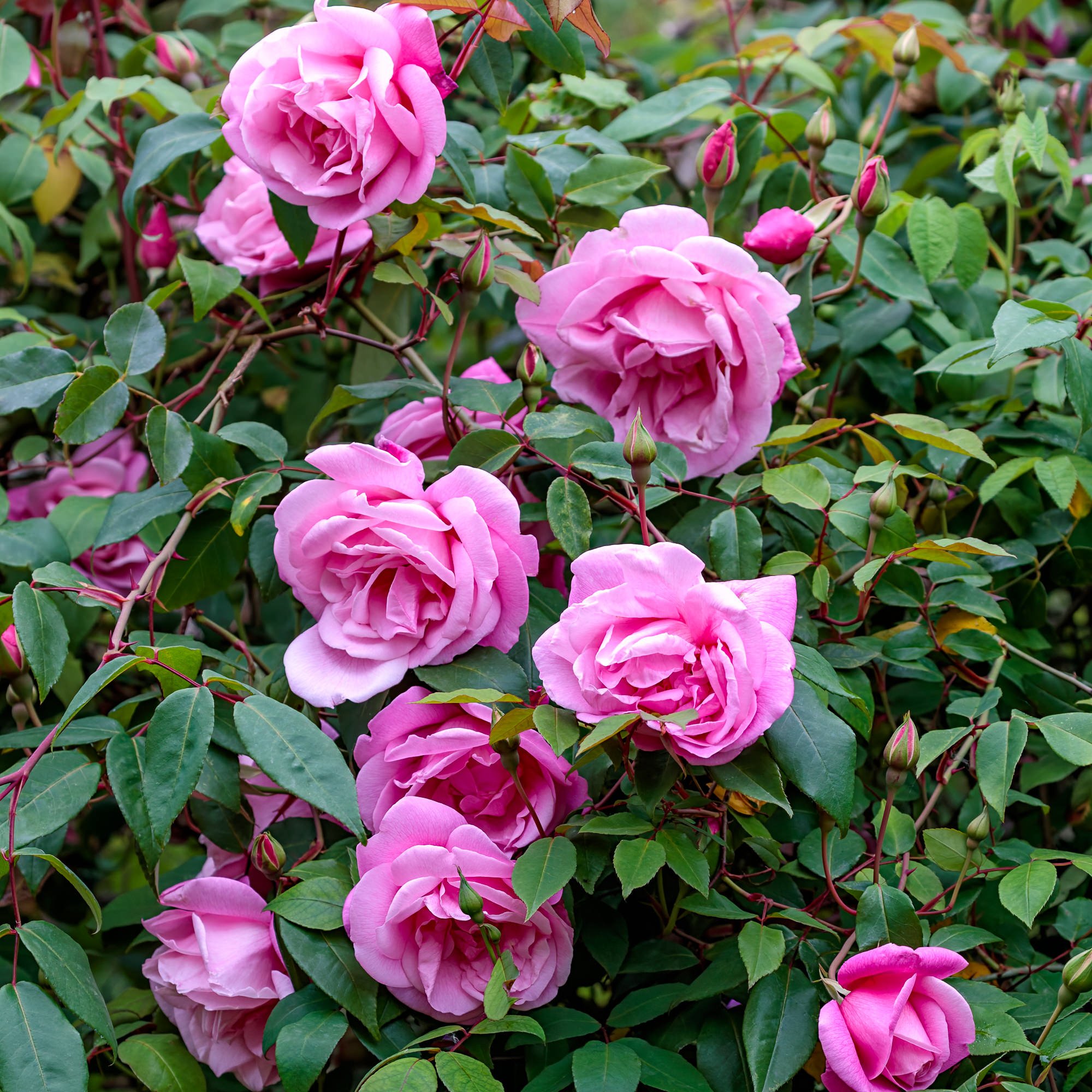
At the same time, the maturing garden starts throwing up entirely new problems. Plants that once flourished begin to feel the pace. Leave it too long and a plant suffering in a changing environment will eventually turn its toes up. Earlier this year I played musical chairs with a dozen roses being shaded out by expanding tree canopies. After a hard prune to the top-growth, a tidy-up of the root system, plenty of water and a stern talking-to, they're all enjoying a new lease of life in the re-vamped grass terrace and orchard. Problem solved. At least until the next plant decides it would rather be somewhere else.
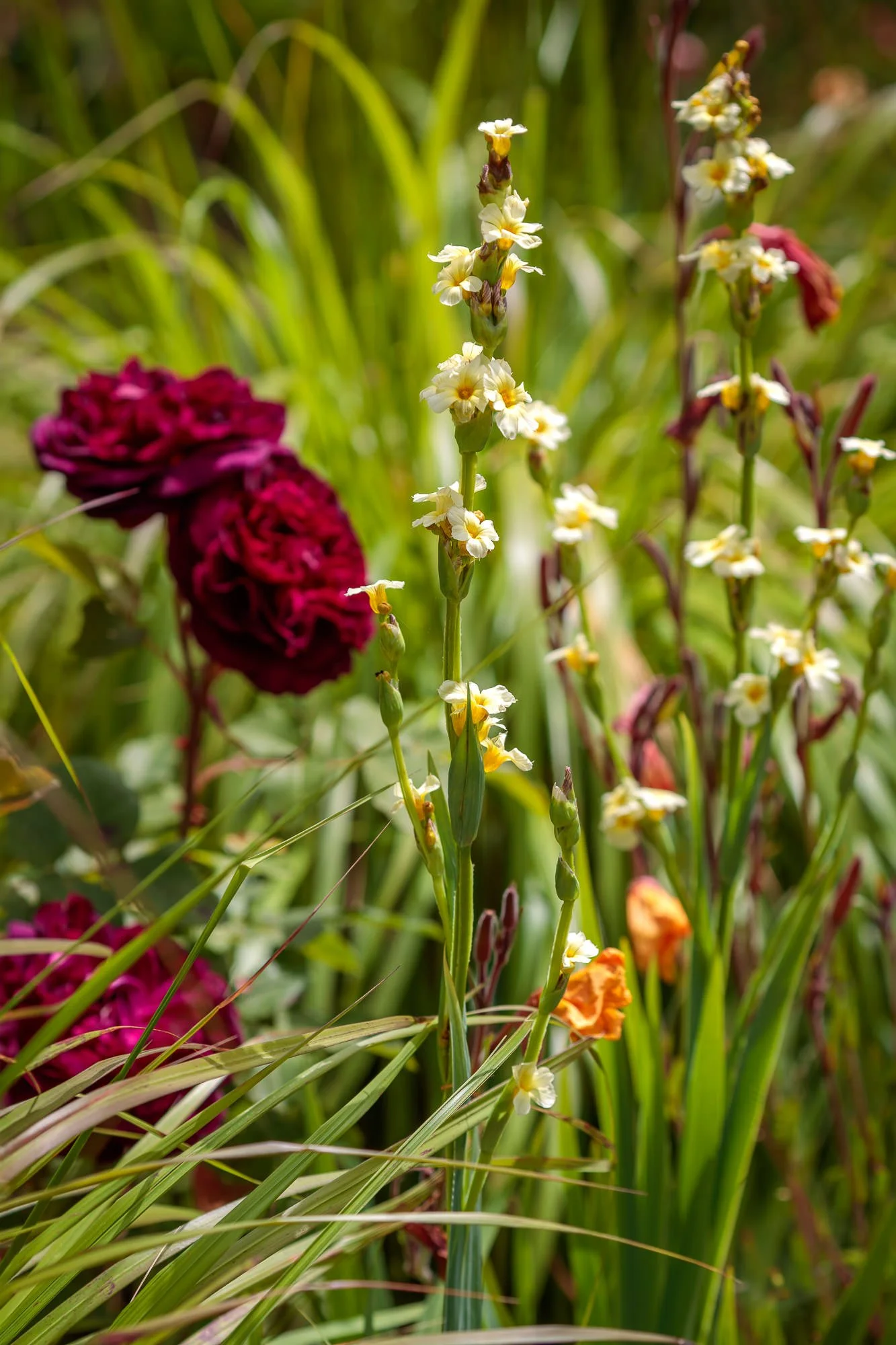
The garden demands a different response and constant re-evaluation as it ages. And that's where visiting other, older gardens can play a role. I'm one of those curmudgeons who doesn't really subscribe to the tea-and-cake school of garden visiting. I tend to sidestep the cafe and dive straight into the garden. Why does this path feel inviting? Why does that view work so well? Why does one planting combination sing while another merely fills space? How has an established garden coped with the exact same challenges I'm now facing at La Corolla?
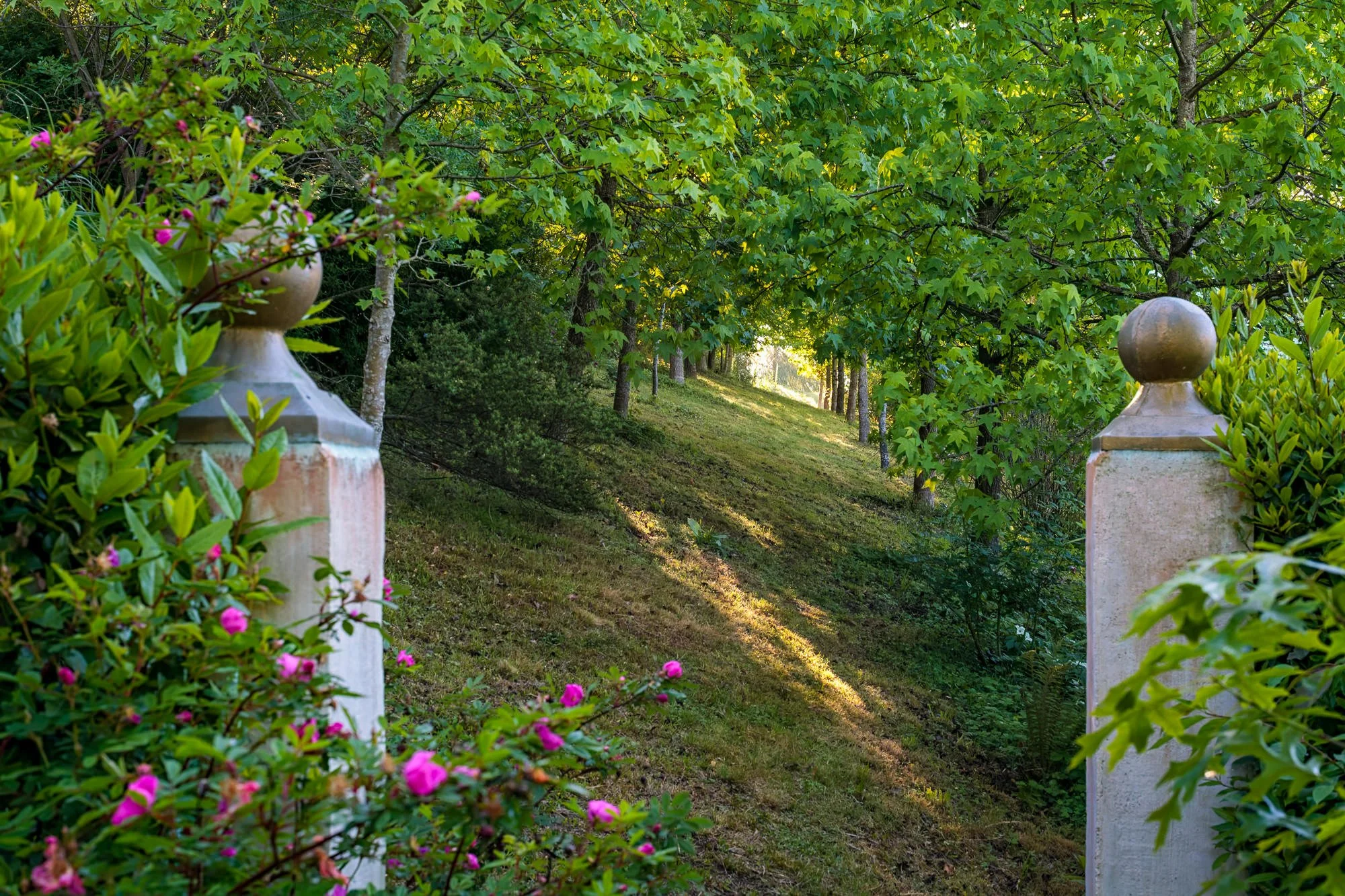
Travelling with my trusty photographer-in-chief is invaluable. We gardeners have an unfortunate tendency to become absorbed by the detail. We notice plant labels, cultivars, maintenance issues and weeds that escaped attention. Photographers often see something entirely different. They notice shapes, outlines, composition, light and drama. They ask whether a scene works as an image long before they start worrying about plant identification.
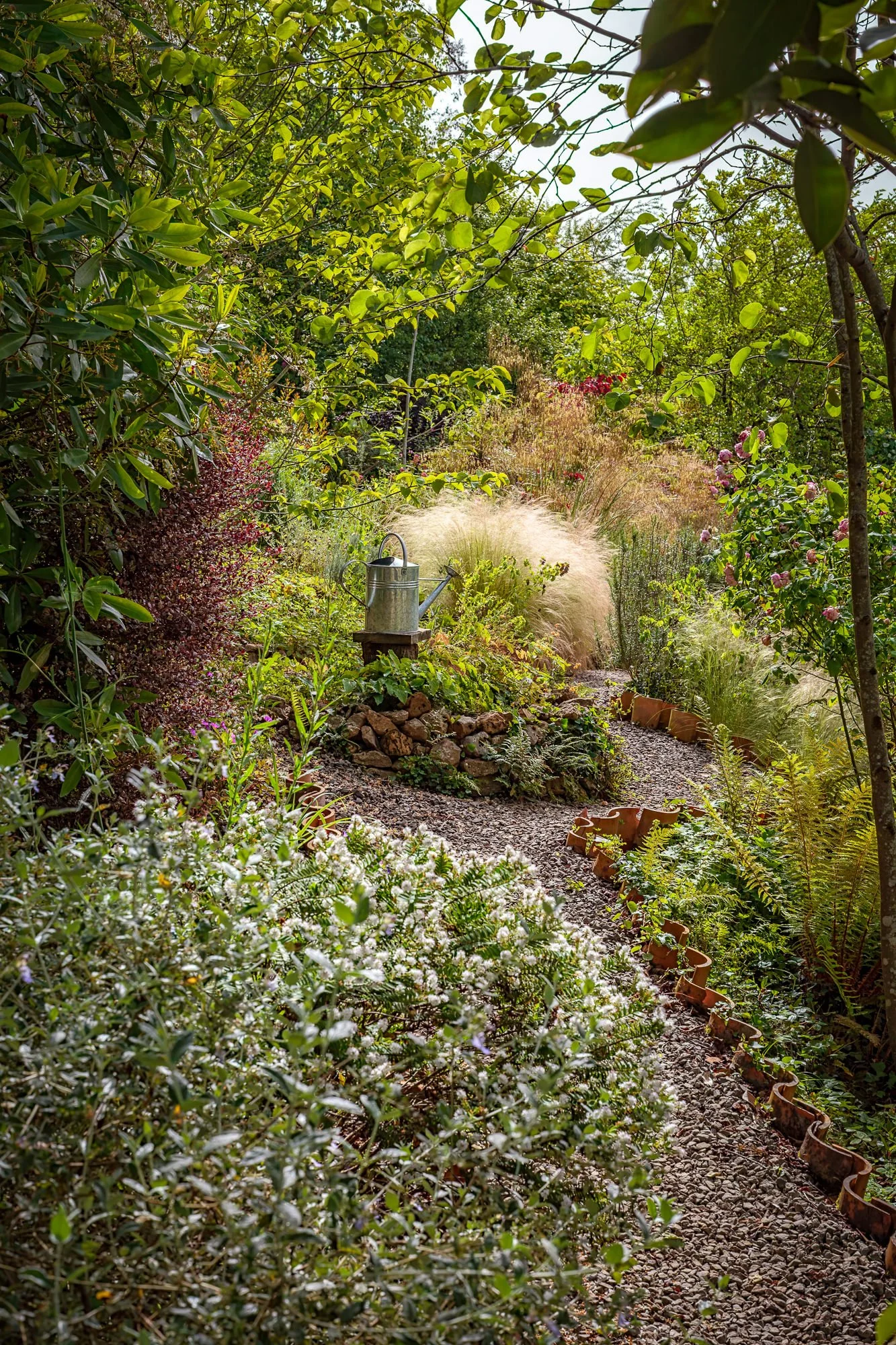
The trick is not to copy those exact same images – that would be too easy. Any reasonably competent gardener can reproduce a planting combination, build a similar structure or acquire the same plants. Social media is full of gardens that appear to have been assembled from a checklist of fashionable ingredients. The same meadow plantings, the same New Perennial palette, the same combinations repeated from one end of Europe to the other. Often beautiful, but increasingly interchangeable.
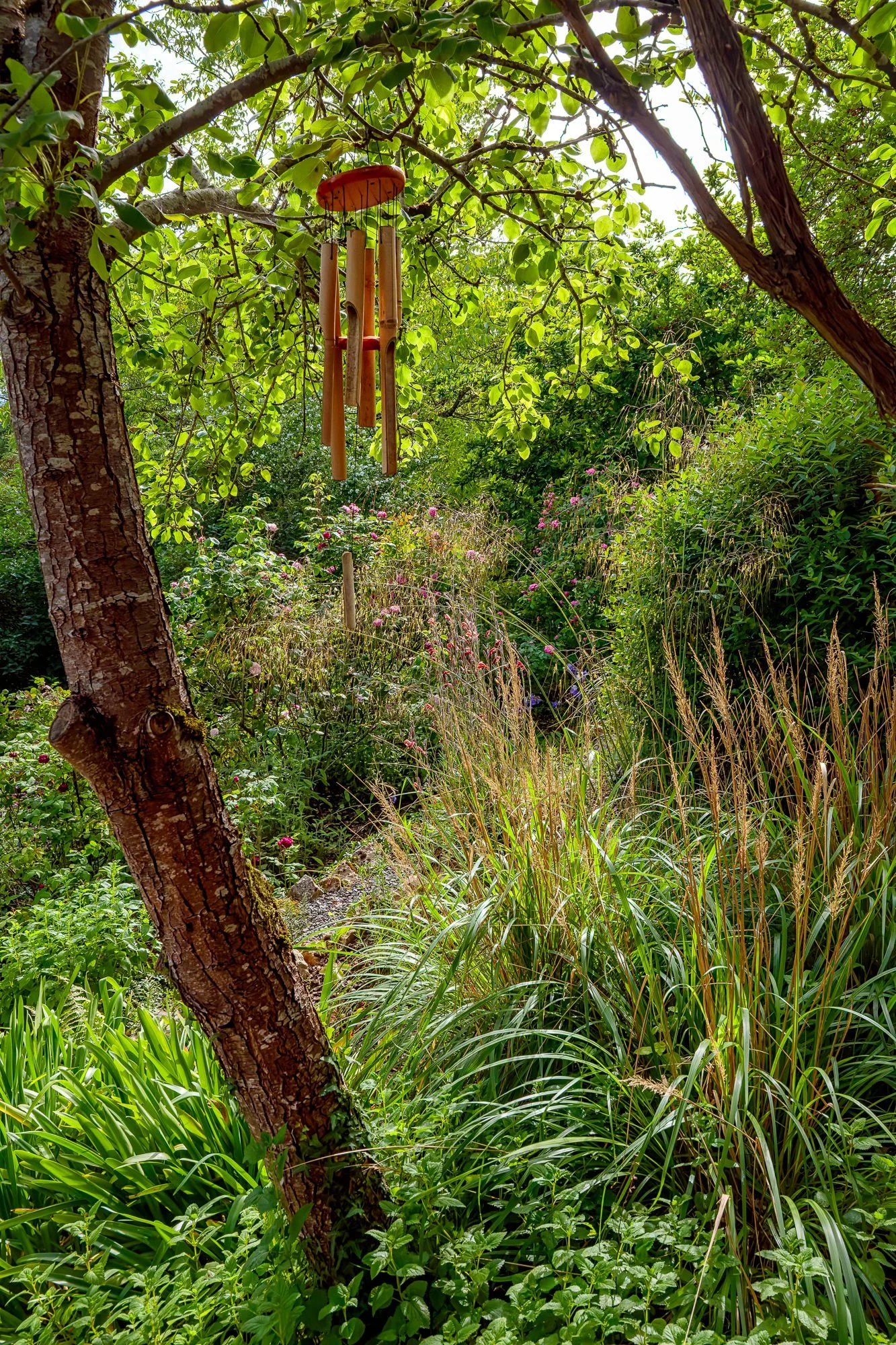
The objective is not to return home and recreate somebody else's garden. The aim is to identify what's missing from your own. One thing that struck me a few years ago about my own garden was that it was, if anything, too plant heavy. It was only after visiting gardens from Dumbarton Oaks to York Gate that I realised La Corolla was somewhat lacking in the incident department. The garden was in need of punctuation among the planting.
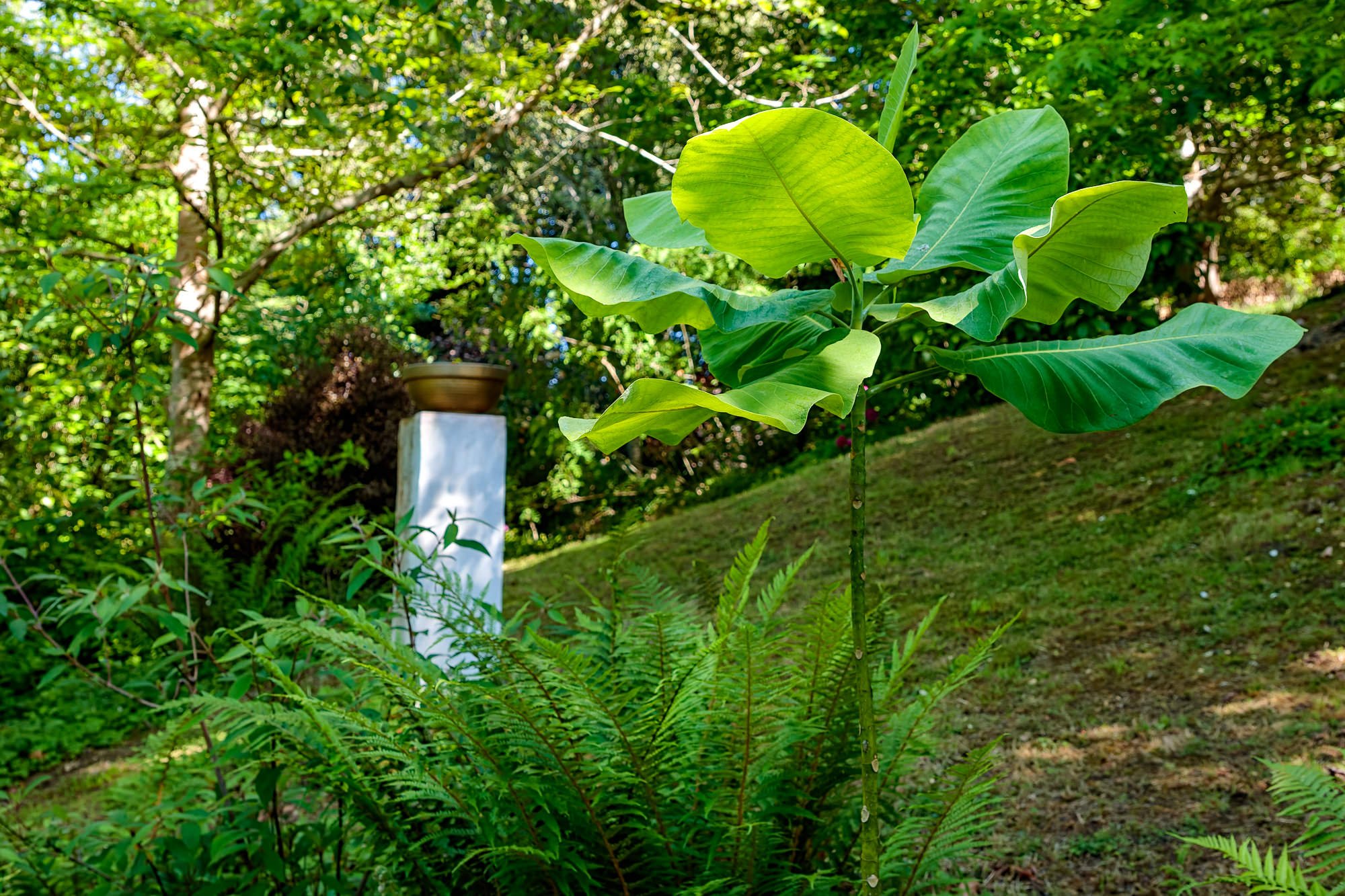
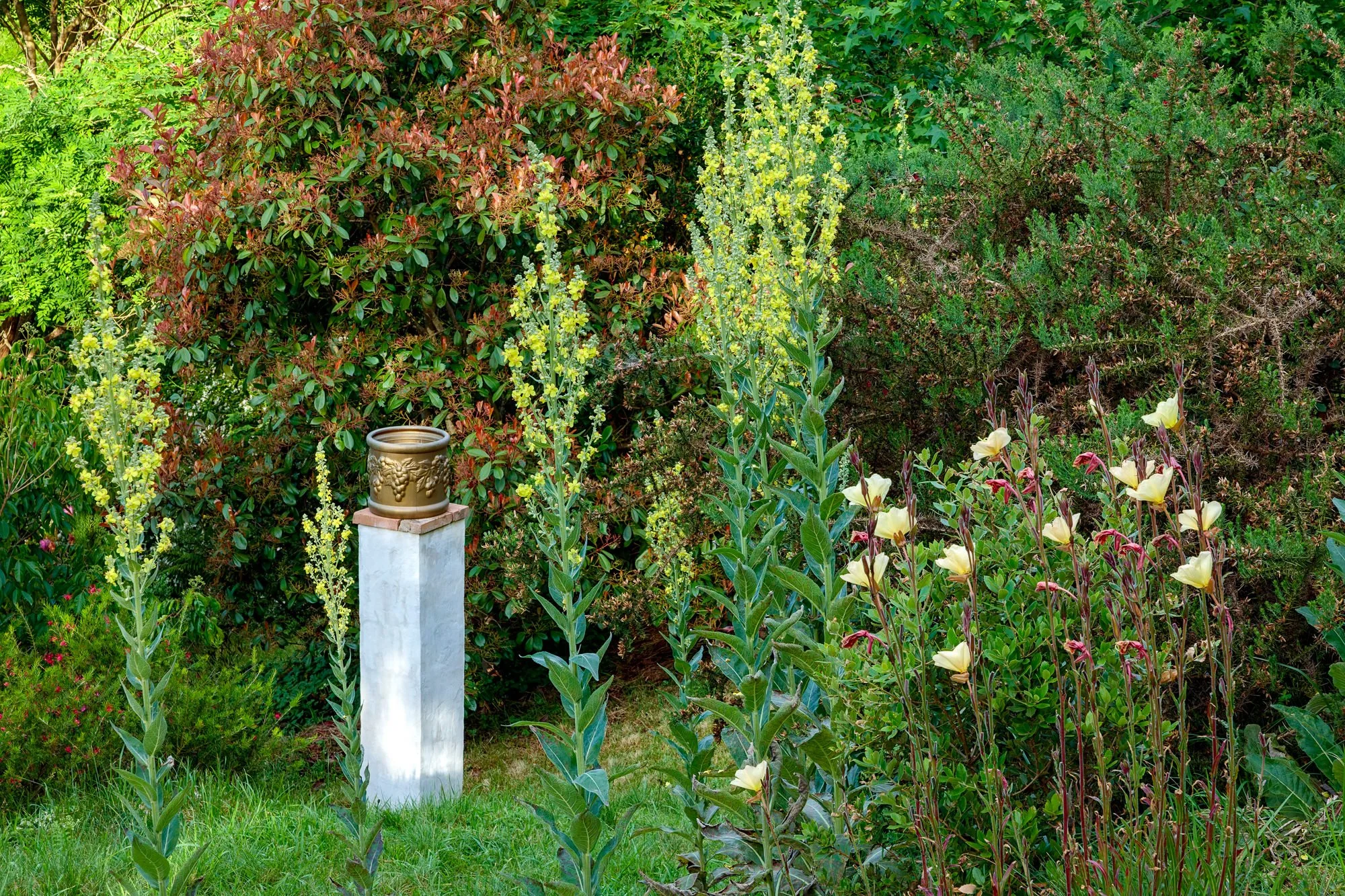
And so in our own humble way, we've started to introduce the occasional eye-catcher on a rather more domestic scale than Rousham or Plas Brondanw. A vase here, a golden ball there, usually surmounting a rendered white column or plinth – a simple hand-crafted house style to fit in with our other building projects. Nobody is likely to mistake them for eighteenth century masterpieces – they very much belong here and nowhere else. But the inspiration, the prompt to create some drama came from seeing other gardens and appreciating what they were doing better.
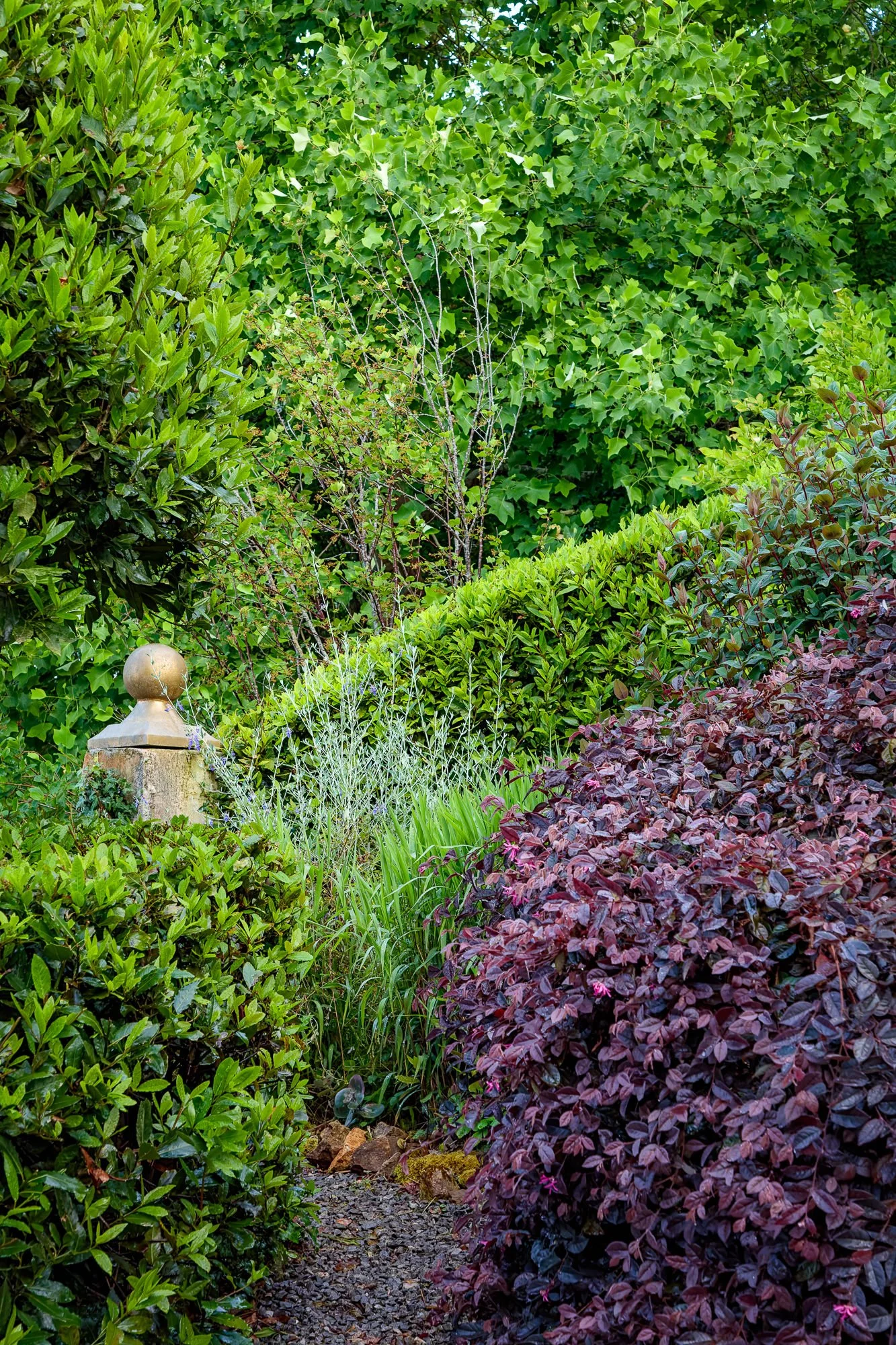
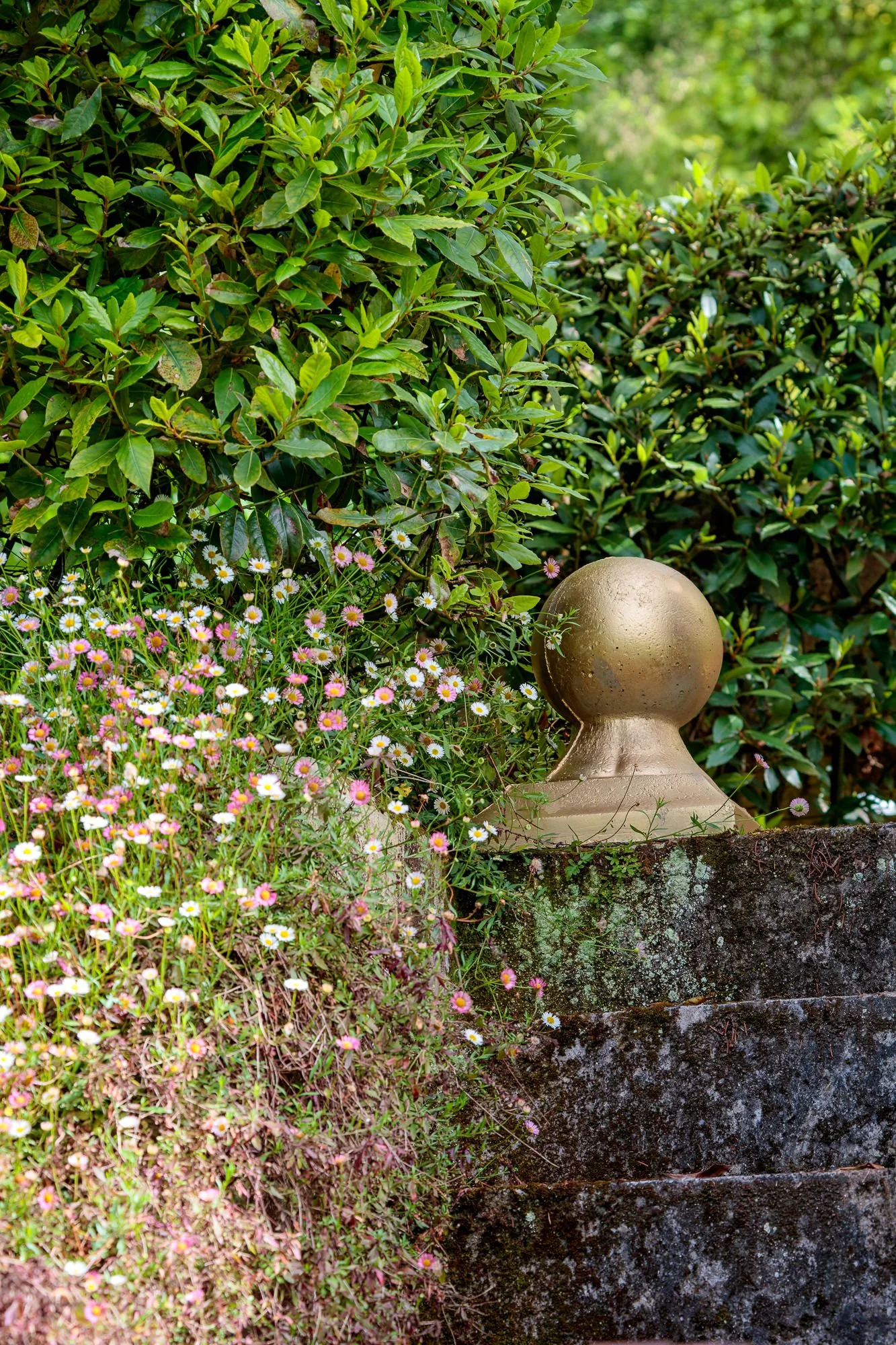
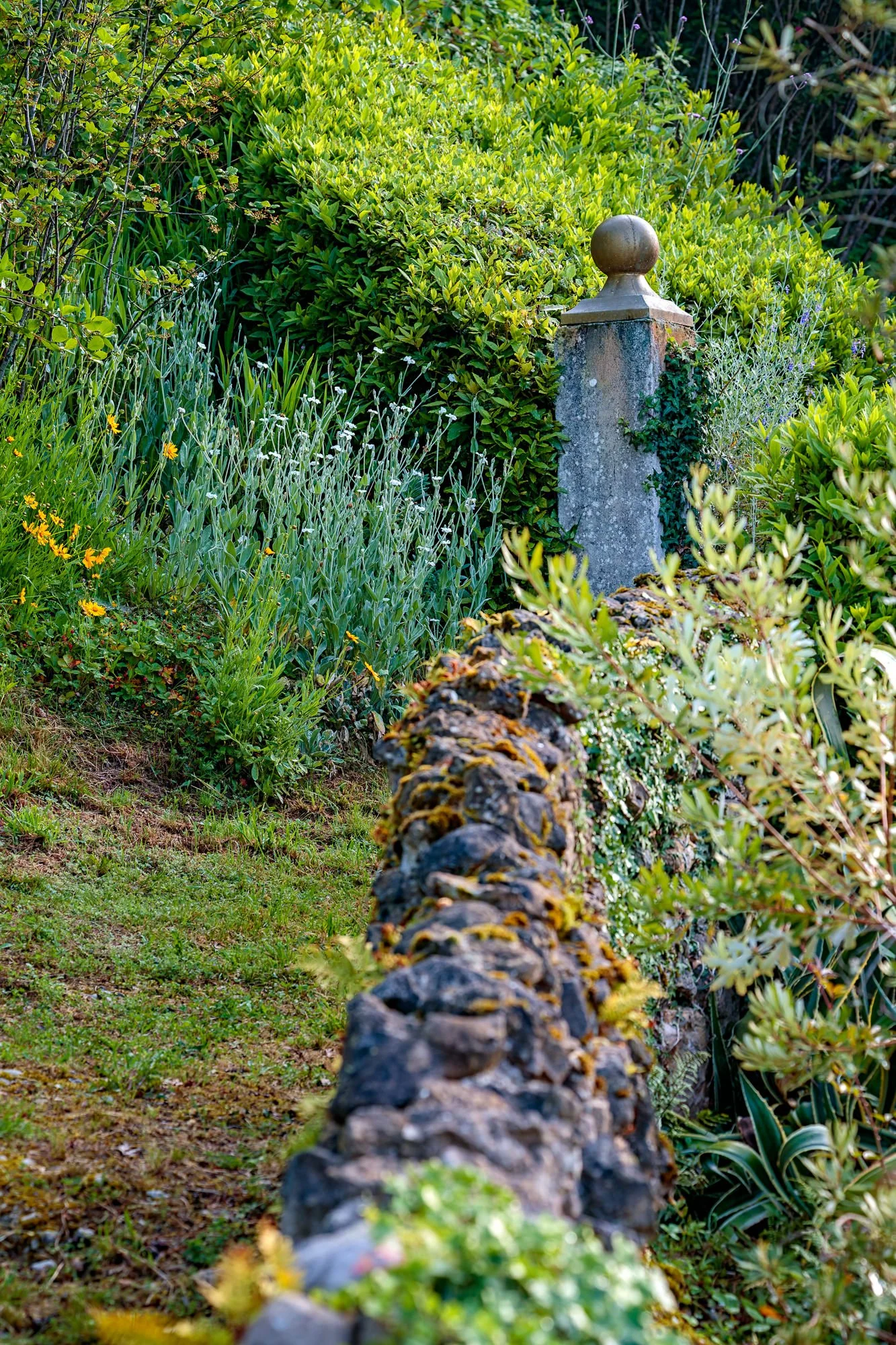
Forget the tea and cake, that's the real value of garden visiting. The purpose is not to return home with a shopping list or a blueprint. It is to return with sharper judgement. To see one's own garden more clearly, question assumptions, challenge habits and occasionally discover that somebody else solved the exact same problem way back in 1873. Most of all, it is to continue the process of finding one's own garden voice. And if I manage to get a few garden reviews out of it, so much the better.