Carolside Gardens
Making the case for old roses
11 July 2026
By: James Lennox
We gardeners are forever being encouraged to think about extending the season and spreading our bets. Always make sure one end of the border is coming into flower while the other is gracefully going over, that sort of thing. All very sensible, I'm sure, but there's a certain devil-may-care thrill to be had from throwing sensible advice out of the window and putting all your chips on red.
In an age devoted to drifts of ornamental grasses, New Perennial plantings and prairie-style swathes, an obsession with old roses and a National Collection of pre-1900 Gallicas makes a refreshing change. And just because most of these roses have been around for a couple of hundred years doesn't make this any less of a high-stakes gamble.
There's something deeply appealing about a gardener (in this case, Rose Foyle, 36 years into her time at Carolside and still very much hands-on) who decides to focus on one glorious moment, to commit fully and unapologetically to a very particular vision. Forget compromise and the dictates of fashion. Instead, go all out on what brings you joy and, in this case, make one month of the year truly unforgettable.

Uncomplicated honesty is the hallmark of old roses. For a few heady weeks, nothing else in the garden matters. No second flush as a pale imitation of the first. No jaded re-appearance among September's asters. No overstaying their welcome like a superannuated singer on a final, yes, final farewell tour. Old roses have the good grace and impeccable manners to know when to leave the stage.
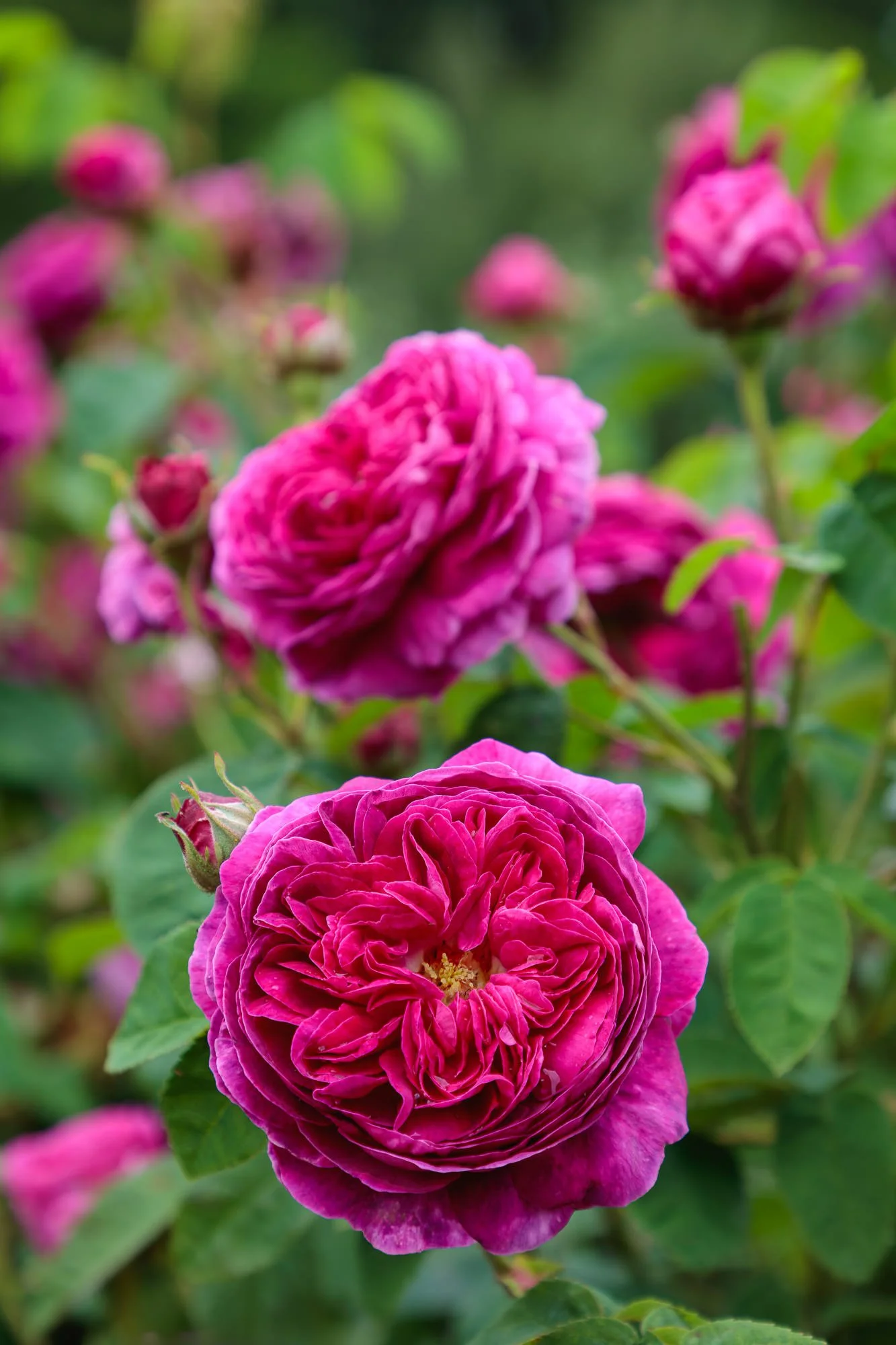
Mind you, they've had to earn their keep. By the beginning of the twentieth century they had largely disappeared, swept aside by newer hybrids promising bigger flowers, novel shades and longer seasons. Their revival owed much to the likes of Vita Sackville-West and Graham Stuart Thomas, whose writing in the 1950s onwards reminded gardeners what they had been in danger of losing.
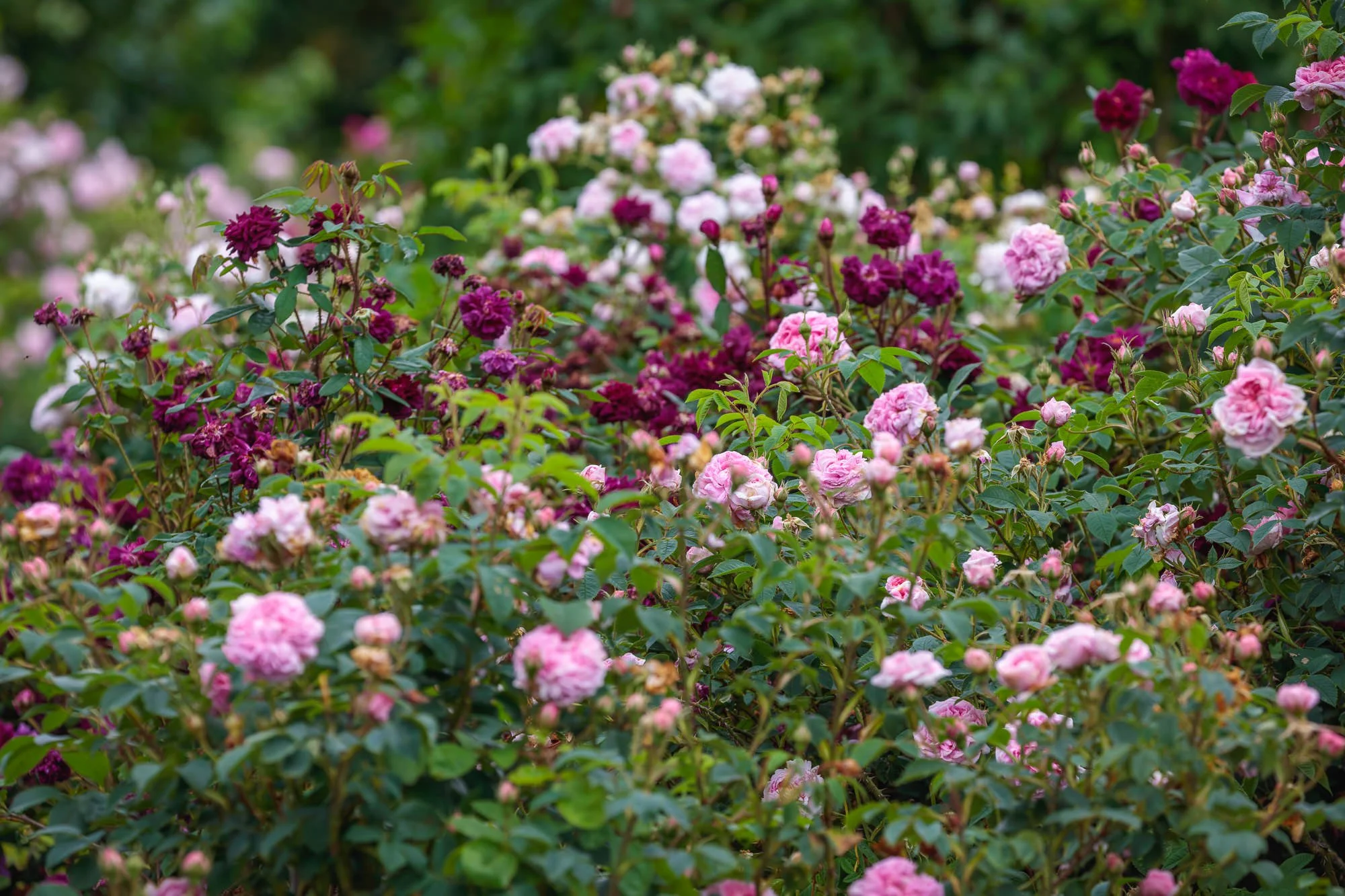
Rather ironically, Mr Thomas's name lives on for many in David Austin's finest yellow rose – one of the ever-increasing tribe of English roses that hog the limelight these days and are in danger of side-lining the old roses completely. Marketed as the answer to every rose-lover's prayers, combining old-fashioned good looks, fragrance and repeat-flowering, English roses have a habit of sweeping all before them.
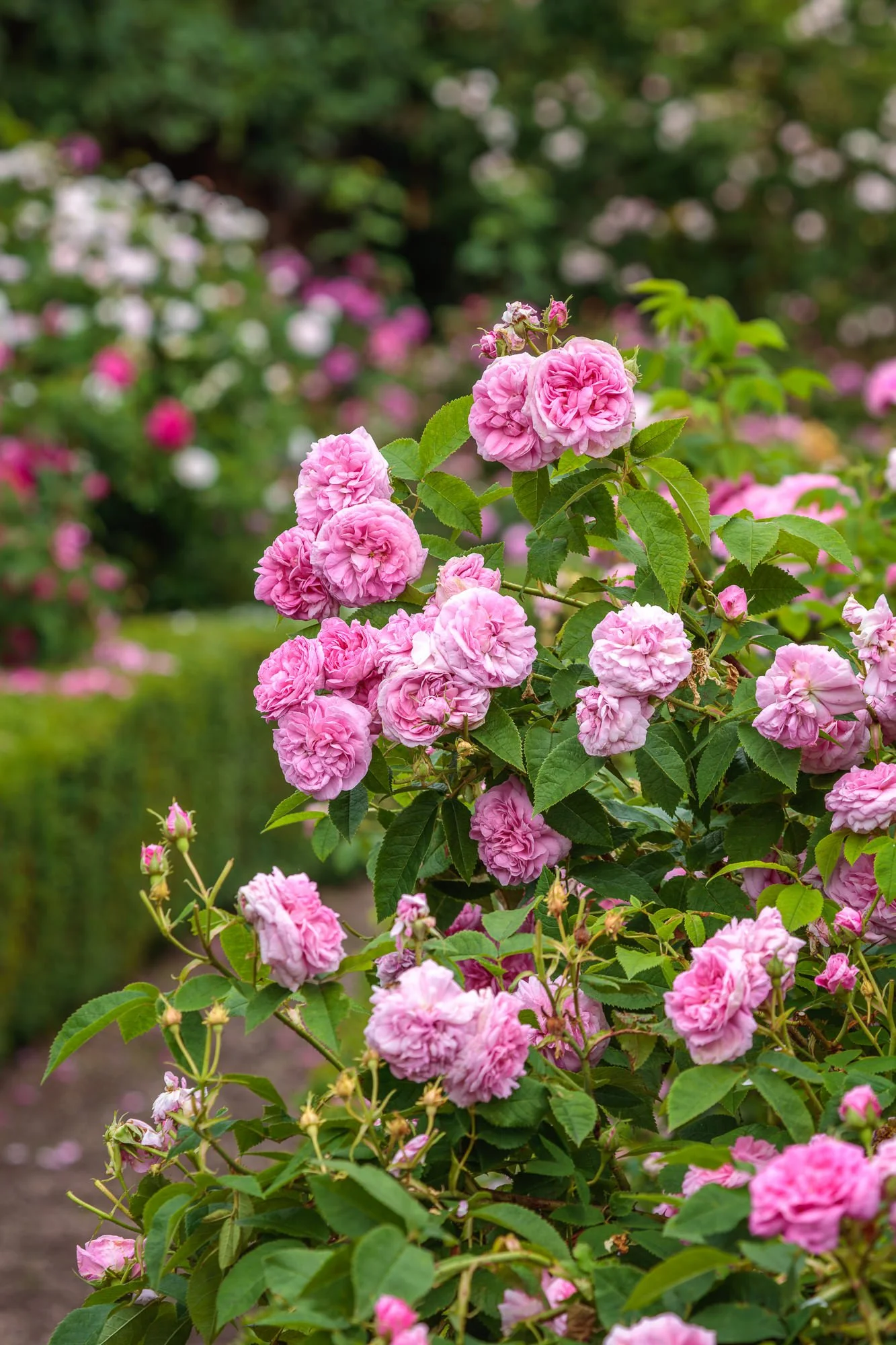
Except I'm starting to have nagging doubts. Grown side-by-side at La Corolla with stalwart Gallicas, Damasks, Albas and Mosses that seem positively to relish a decent blast of Asturian heat (with another record-breaking summer well underway), newer roses can look like also-rans, succumbing to blackspot while trying valiantly to keep the show on the road. So much so that I've consigned a fair few of them to the woodland and even the orchard where they seem to prefer some light shade. Repeat-flowering can turn out to be a compromise.
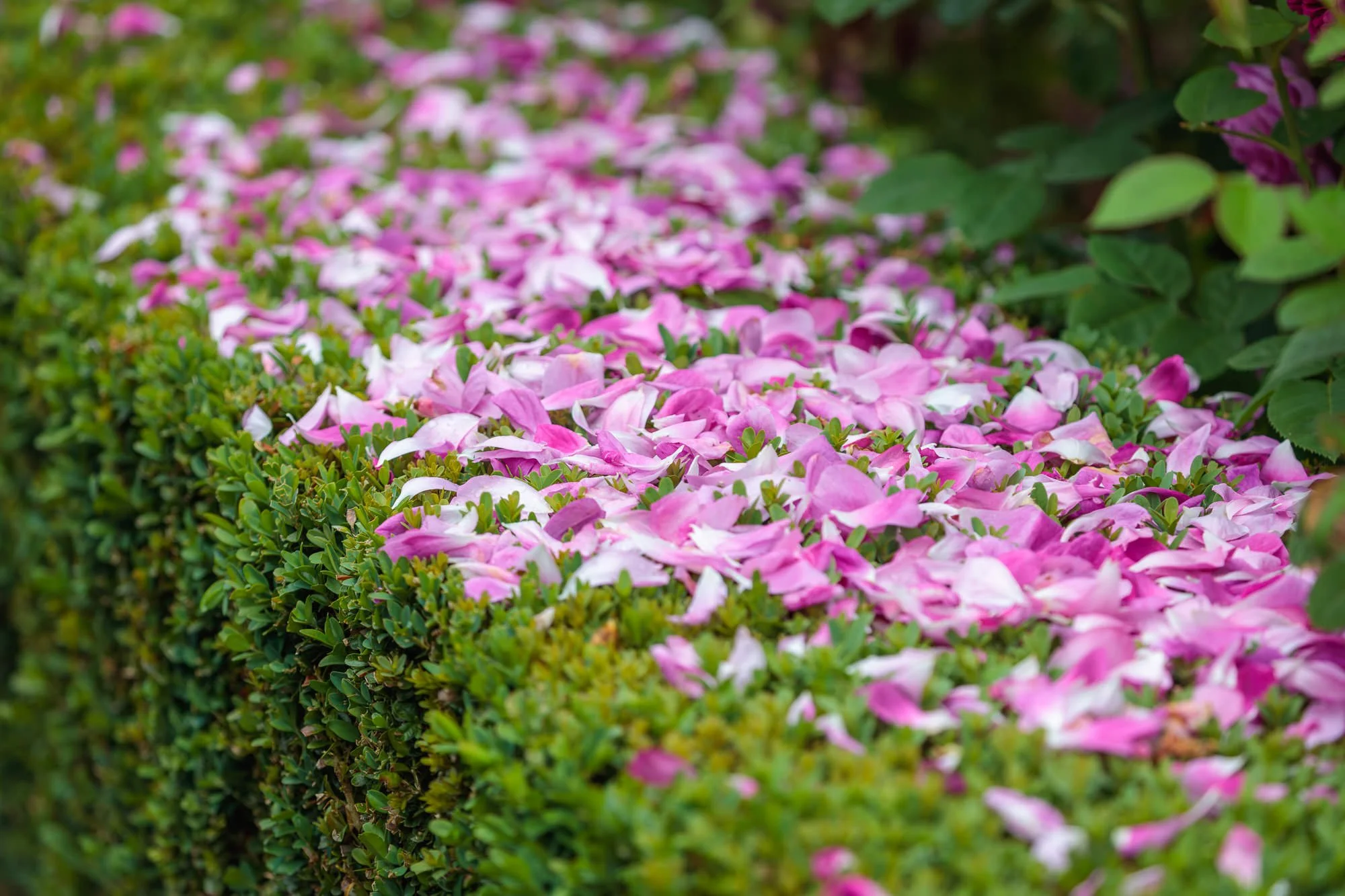
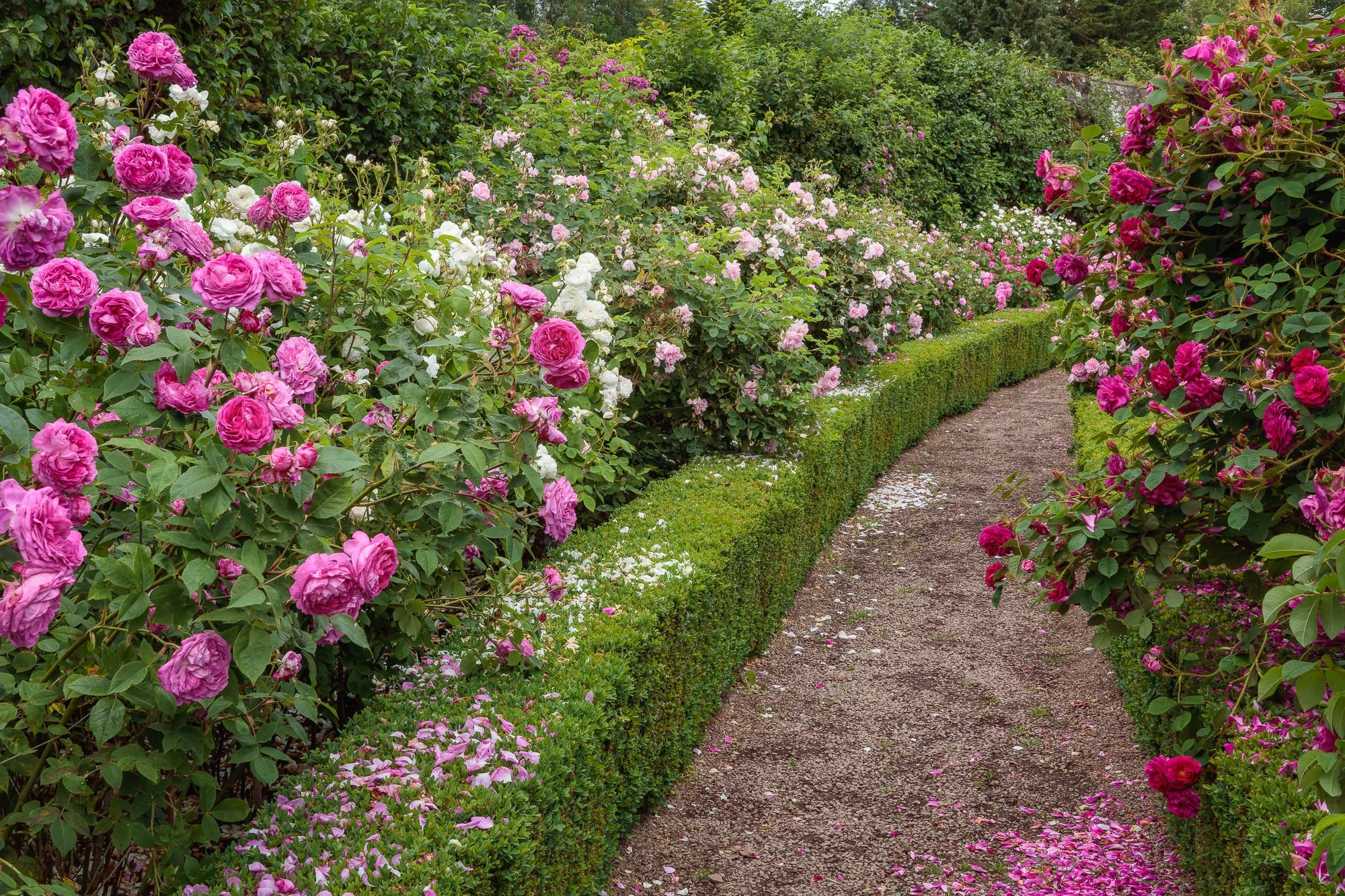
If any garden shuns compromise in favour of commitment, it's Carolside. While the whole garden lies in a valley bottom frost-pocket that might test more delicate plants, the old roses that dominate the two acre oval walled garden are made of sterner stuff. In a refreshing change to modern orthodoxy (in other words, a welcome return to tradition), the roses are grown in dedicated beds, side by side with one another and not lost among companion planting or consigned to fighting it out with herbaceous thugs.
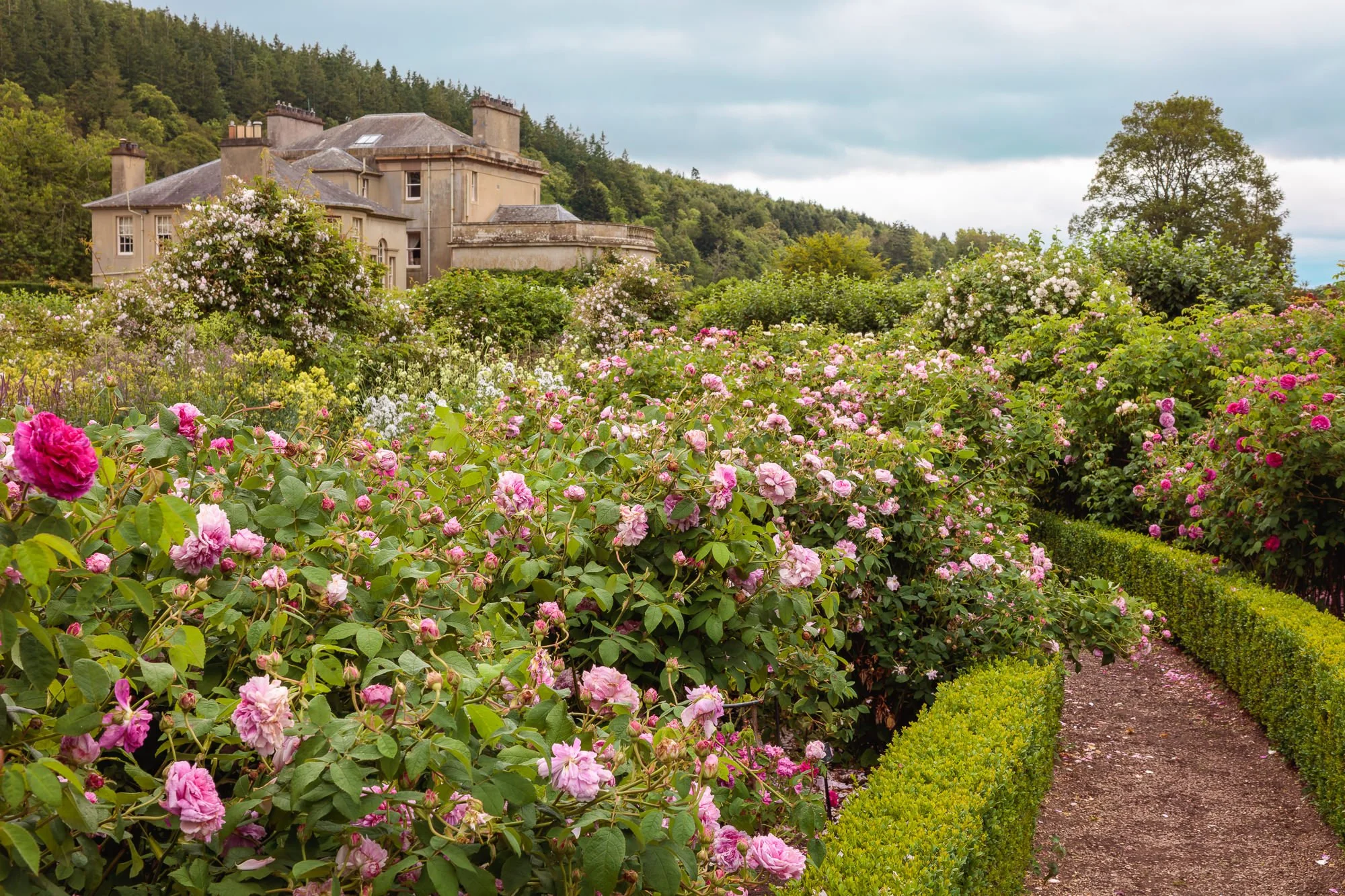
Every rose is labelled; every support is discreet but effective. The pruning regime has been refined over years and seasonal deadheading is prioritised. And thanks to the labelling, I now have to track down my own 'Belle Rosine', 'Boule de Nanteuil', 'Georges Vibert' and 'Minerve'. It's an occupational hazard when visiting such a covetable collection. In due course, they'll be added to the clumps of 'Charles de Mills', 'Tuscany Superb' and good ol' 'Officinalis' already romping up the hillside at La Corolla. And as they couldn't be easier to propagate or more dependable, the more the merrier, I say.
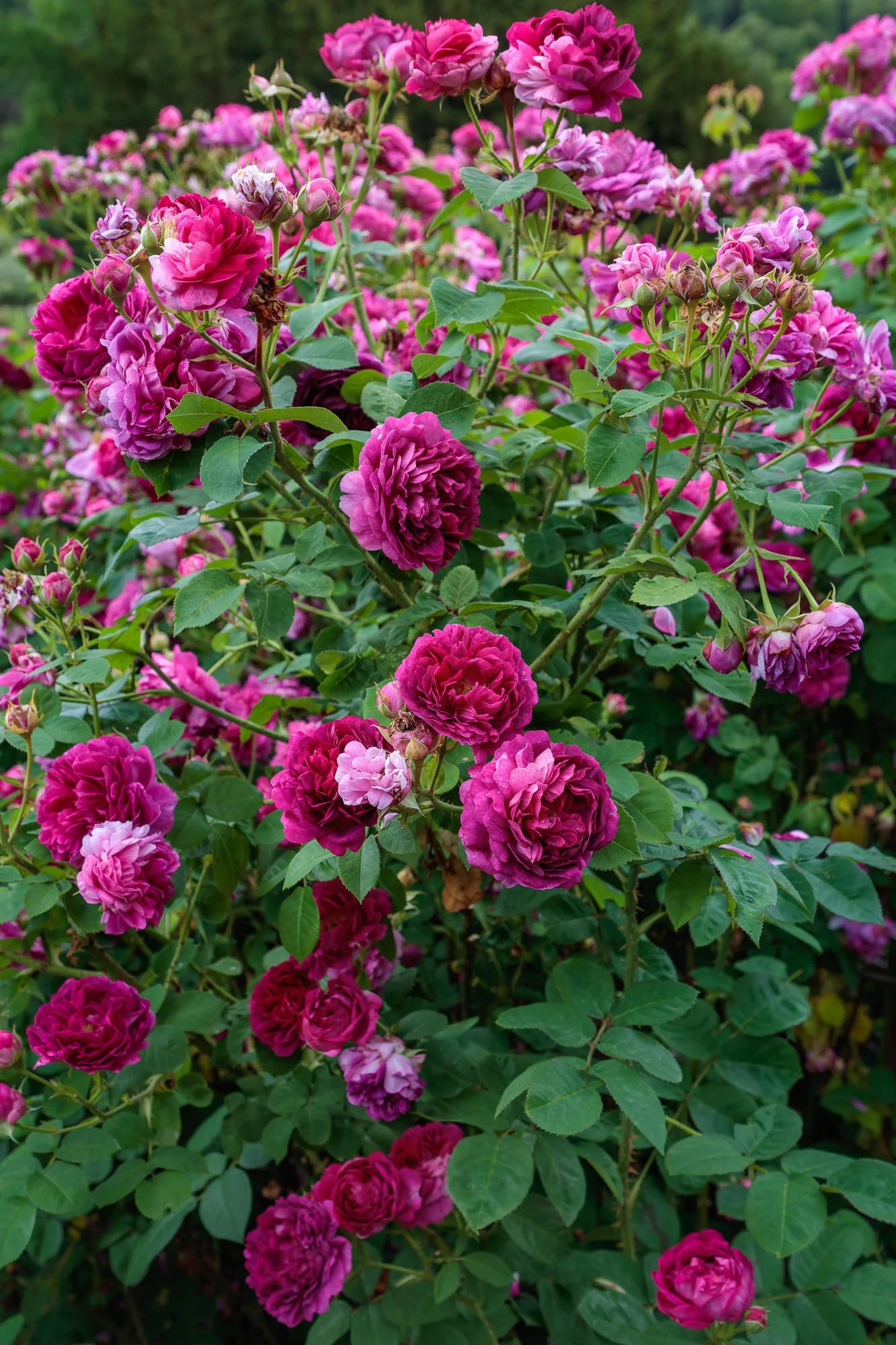
Somehow, there's still room for other goodies in the walled garden. As a nod to tradition, the centre of each quarter is given over to raspberries, sweet peas, cabbages, asparagus and potatoes, discreetly tucked away behind the roses and herbaceous borders but adding to the intensity of planting. This is a rather elevated version of cottage gardening.
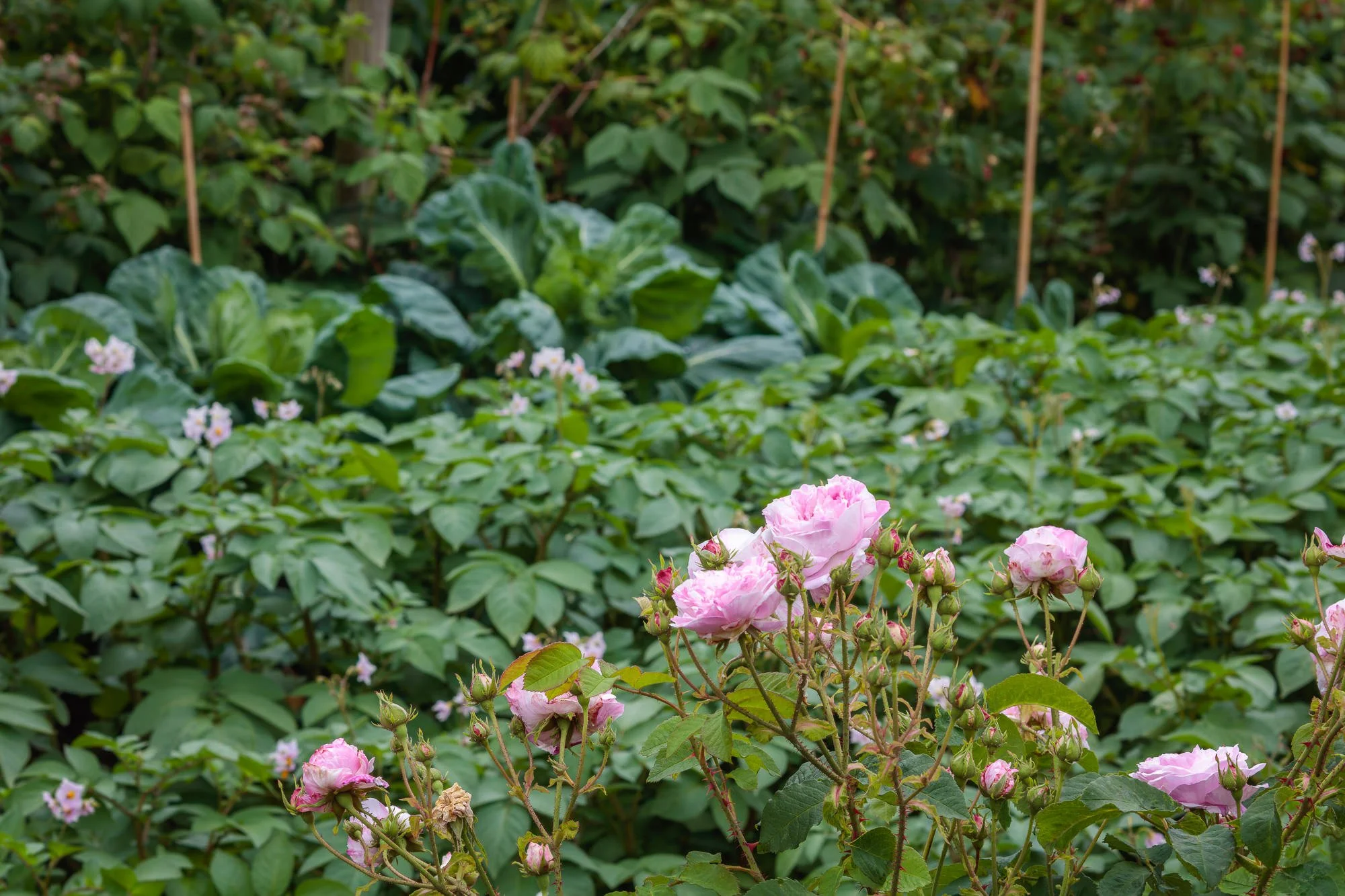
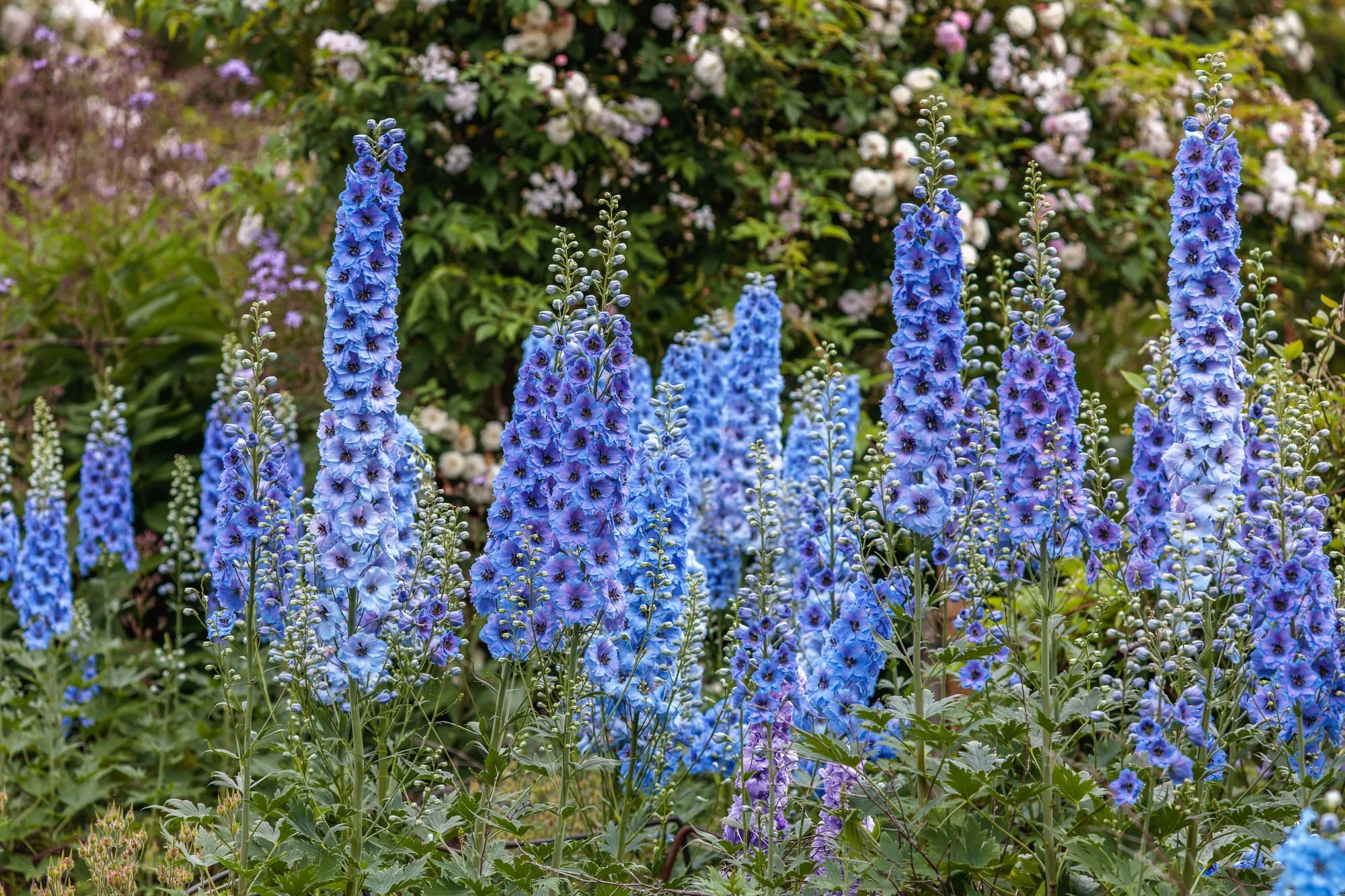
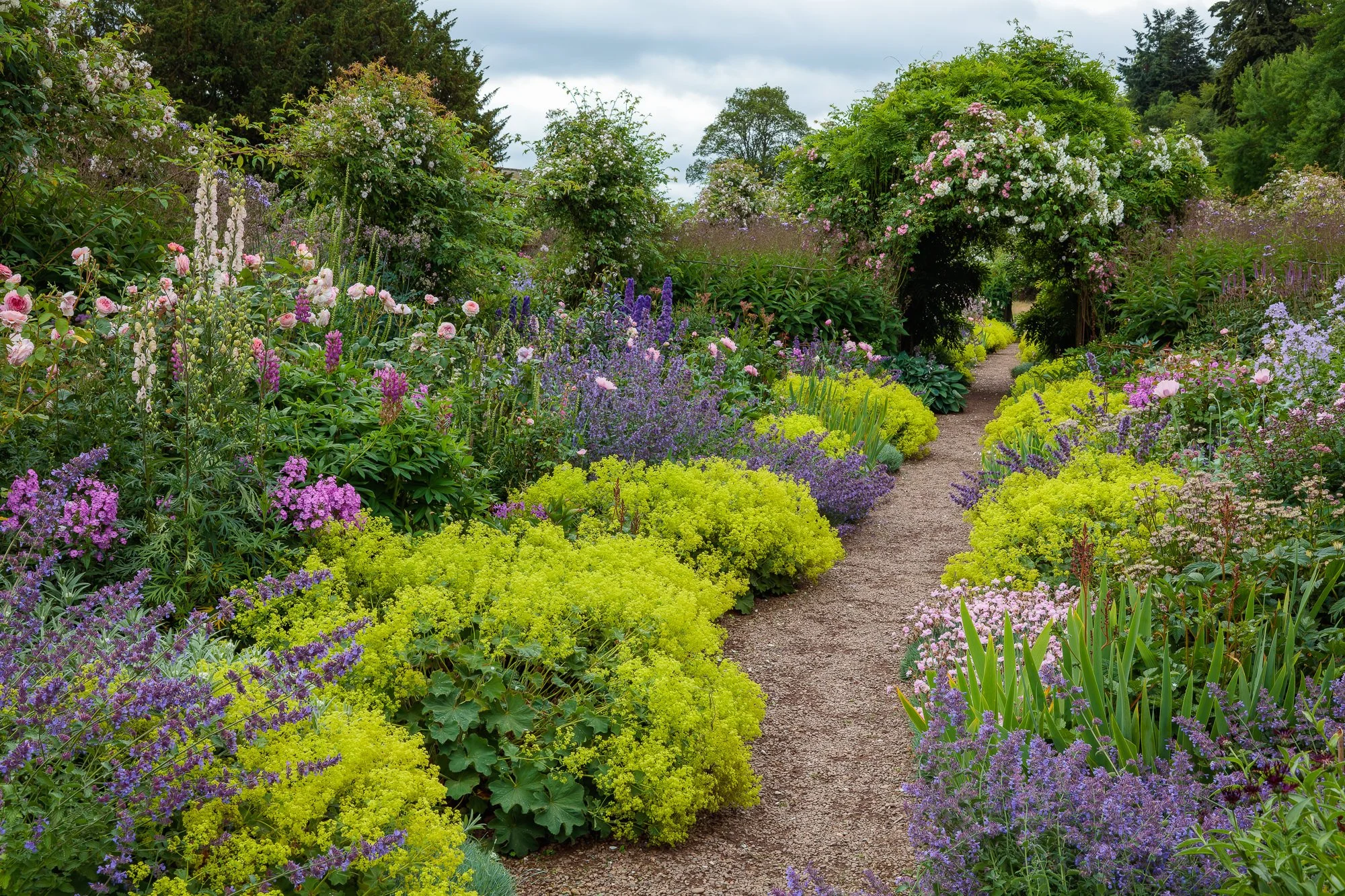
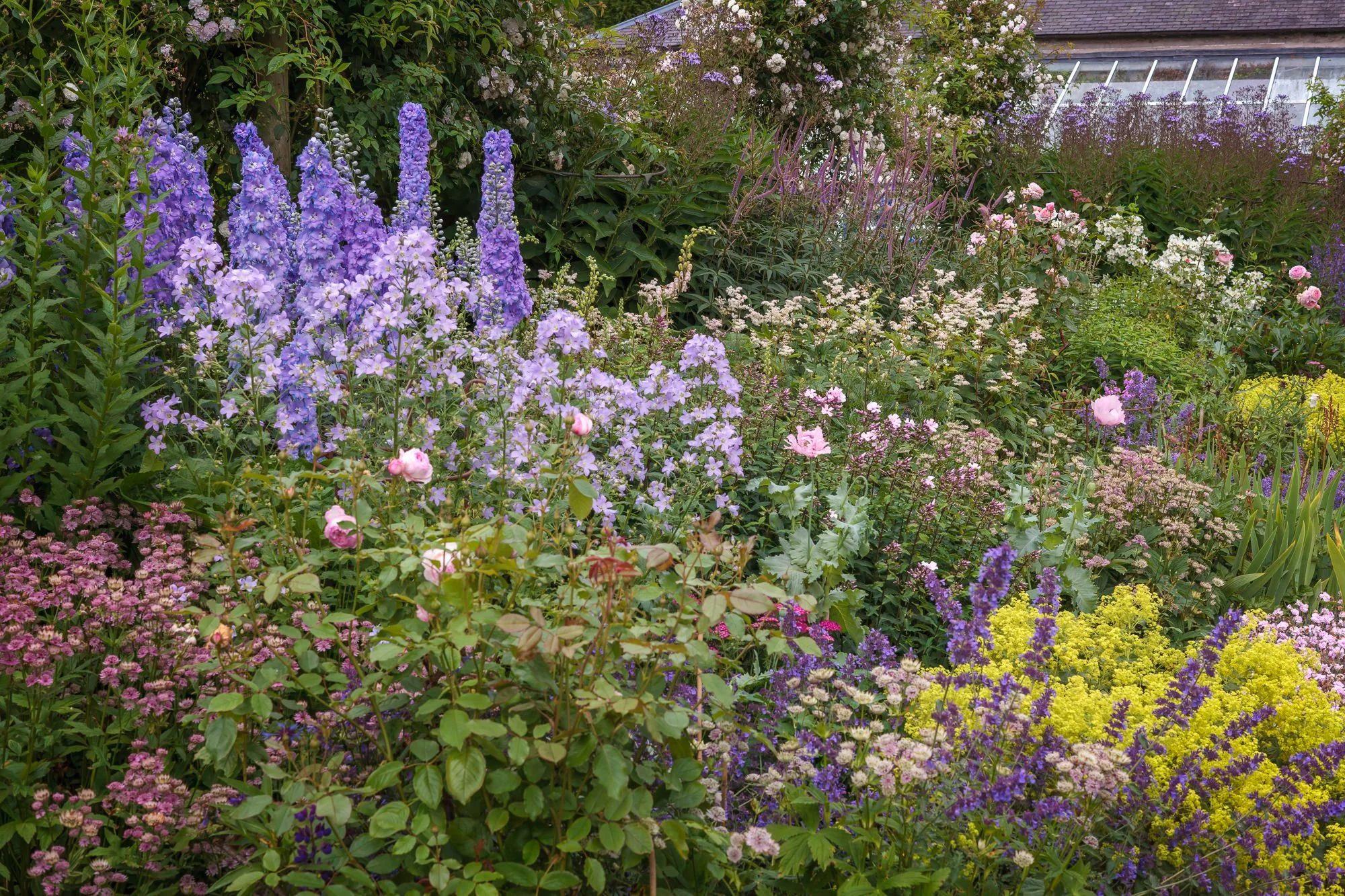
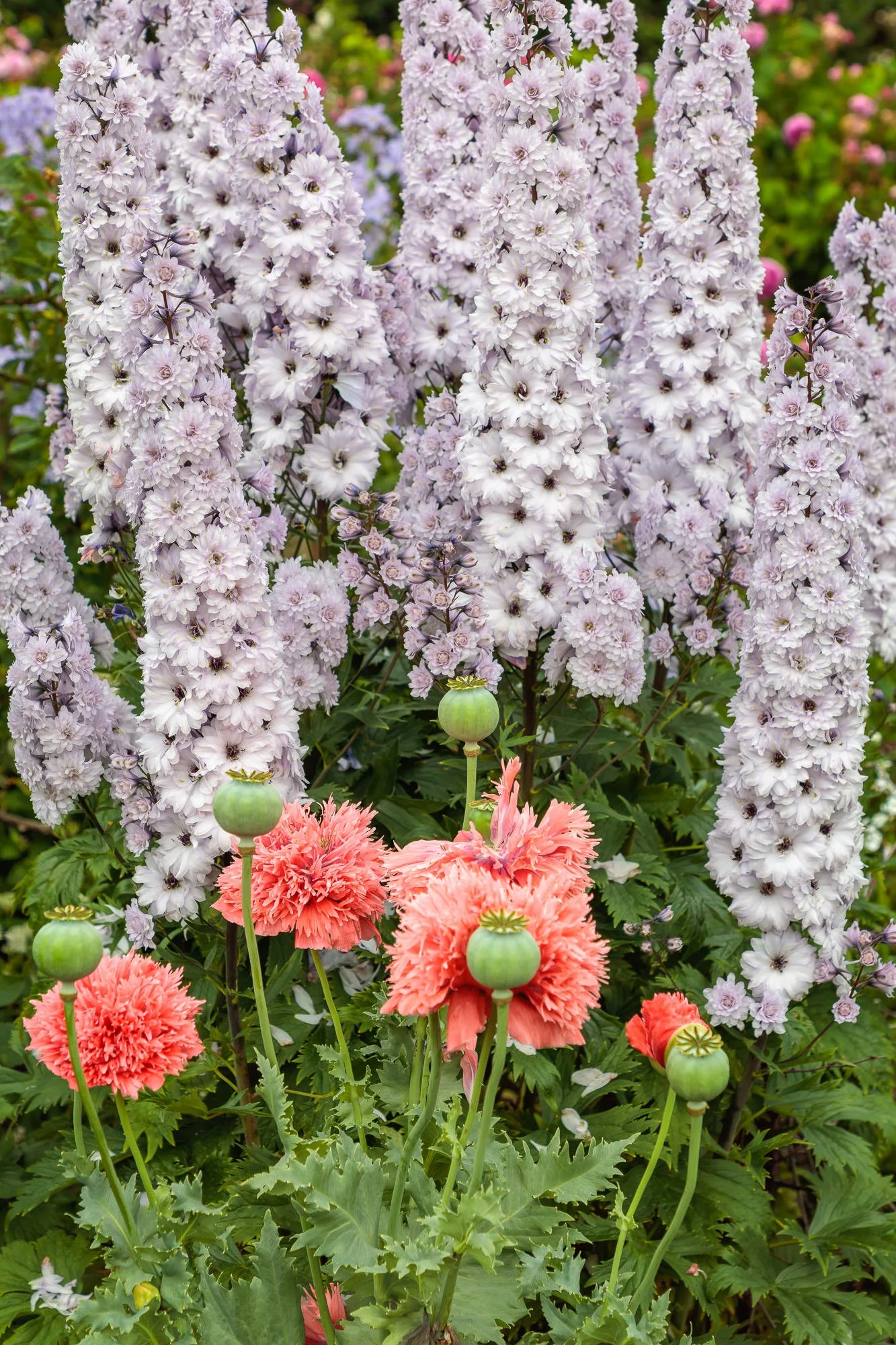
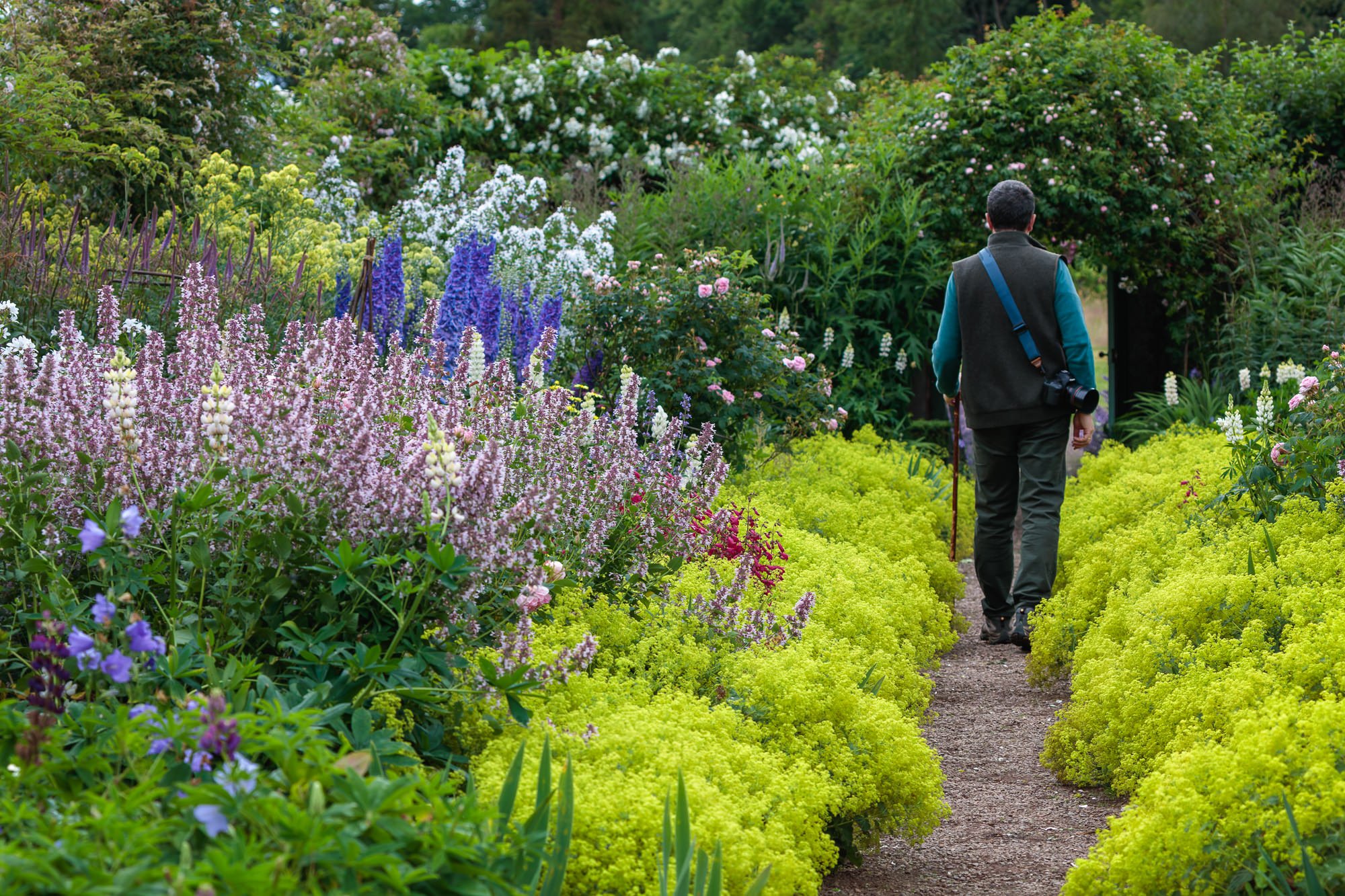
The central axis leading from the main entrance gate to the glasshouse is a triumph of herbaceous planting, as is the intersecting path running between doors on either side. Alchemilla mollis froths all along the paths backed by delphiniums, lupins, Campanula persicifolia 'Cornish Mist' and Aconitum napellus 'Rubellum'. Irises serve as a warm-up act to the roses with oriental poppies adding their inimitable ruffled glamour.
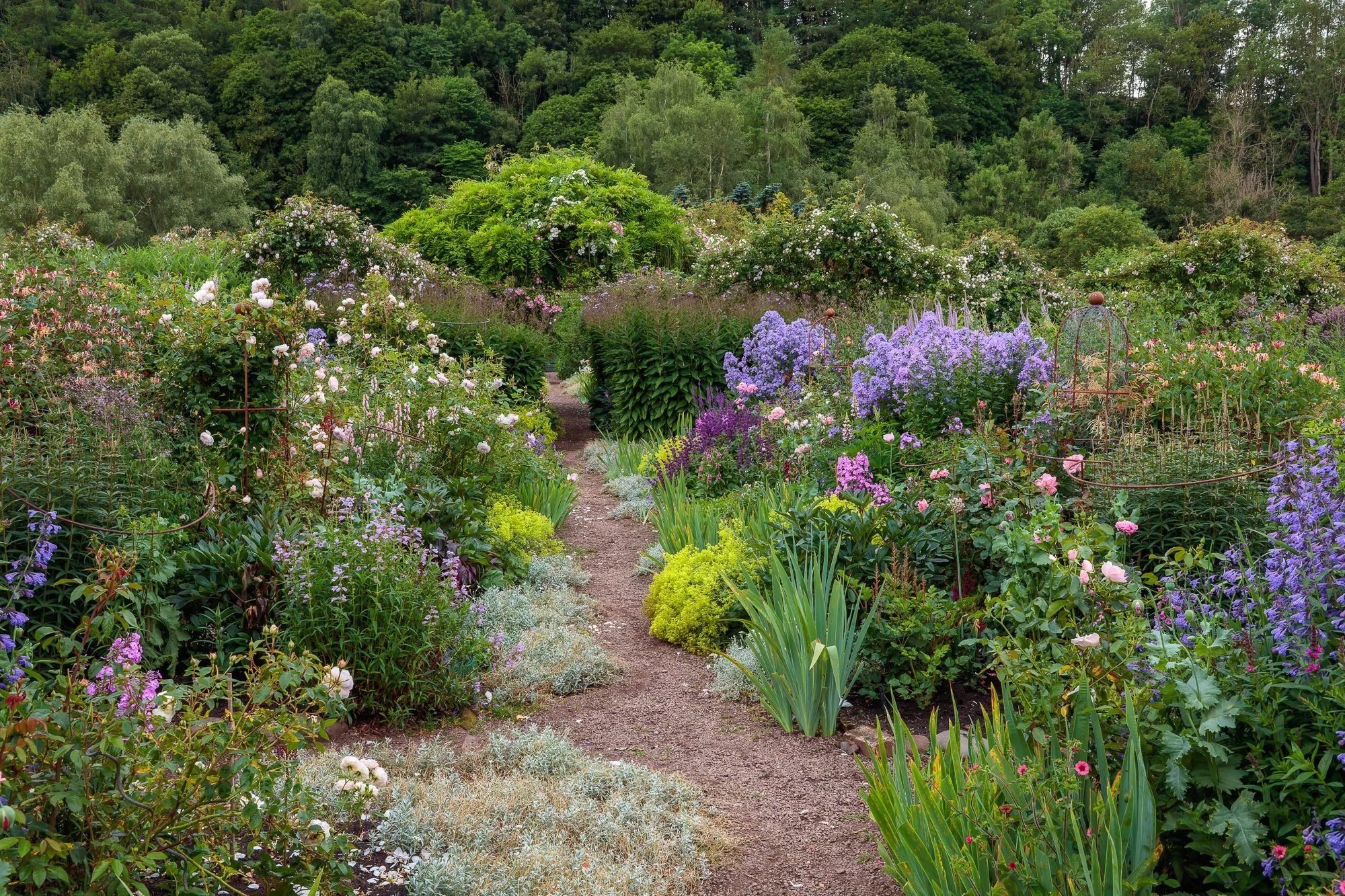
Just when you think there can't possibly be more to Carolside than the walled garden, each door opens onto further delights. And what impresses in each space (and unifies the whole garden) is the standard of horticulture. It is all, quite simply, immaculately gardened, an approach that appears to be increasingly unfashionable these days.
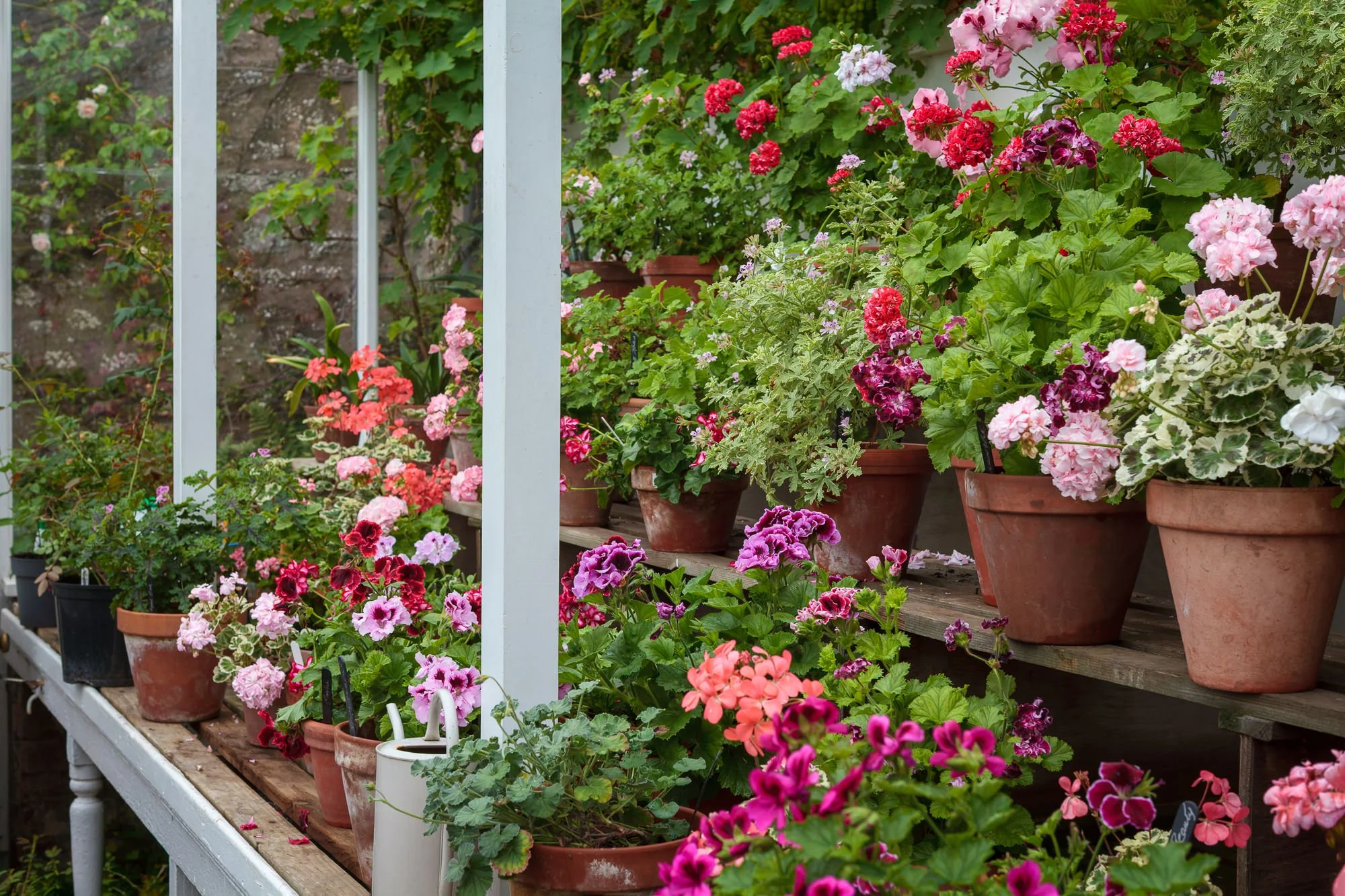
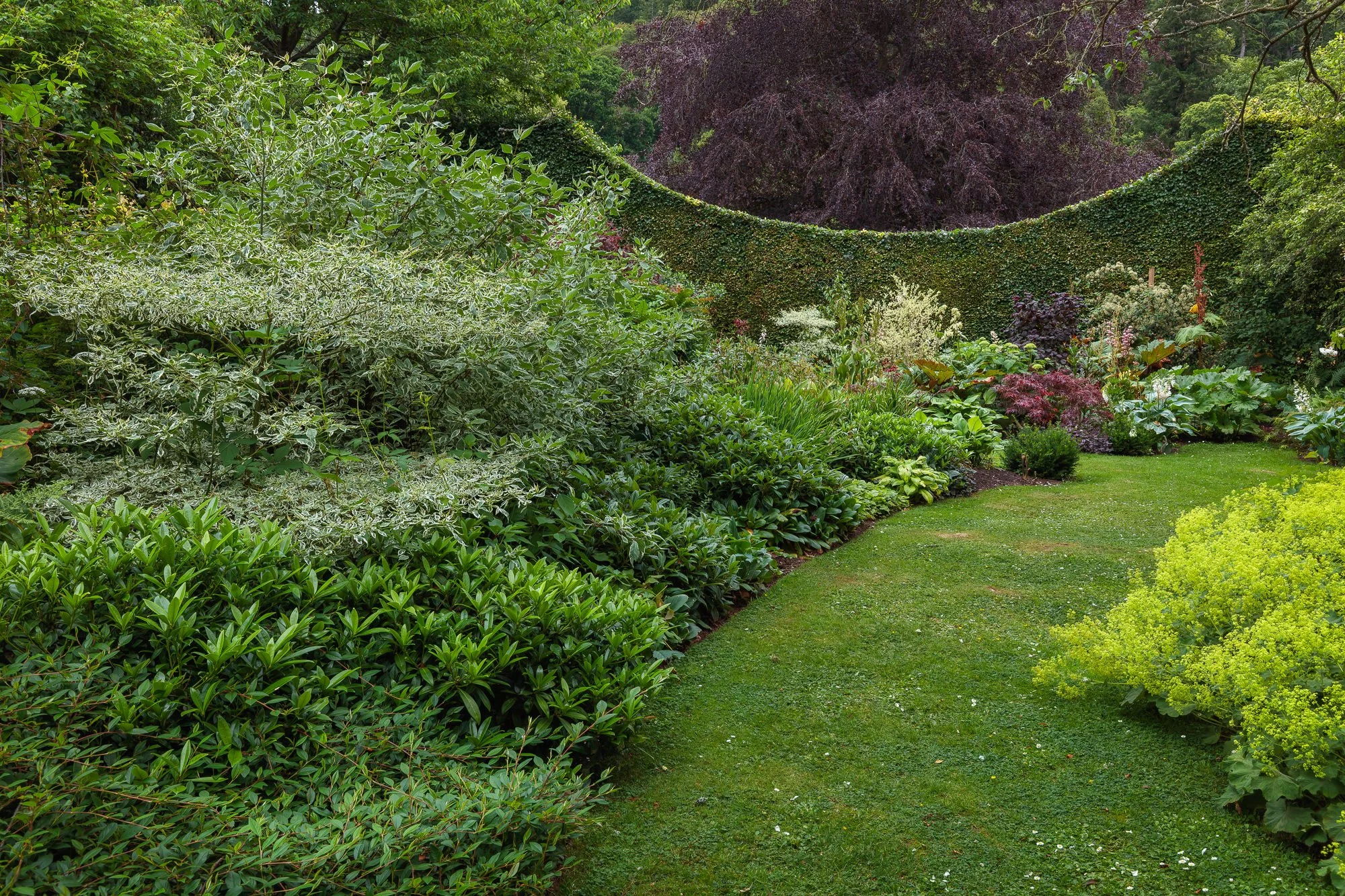
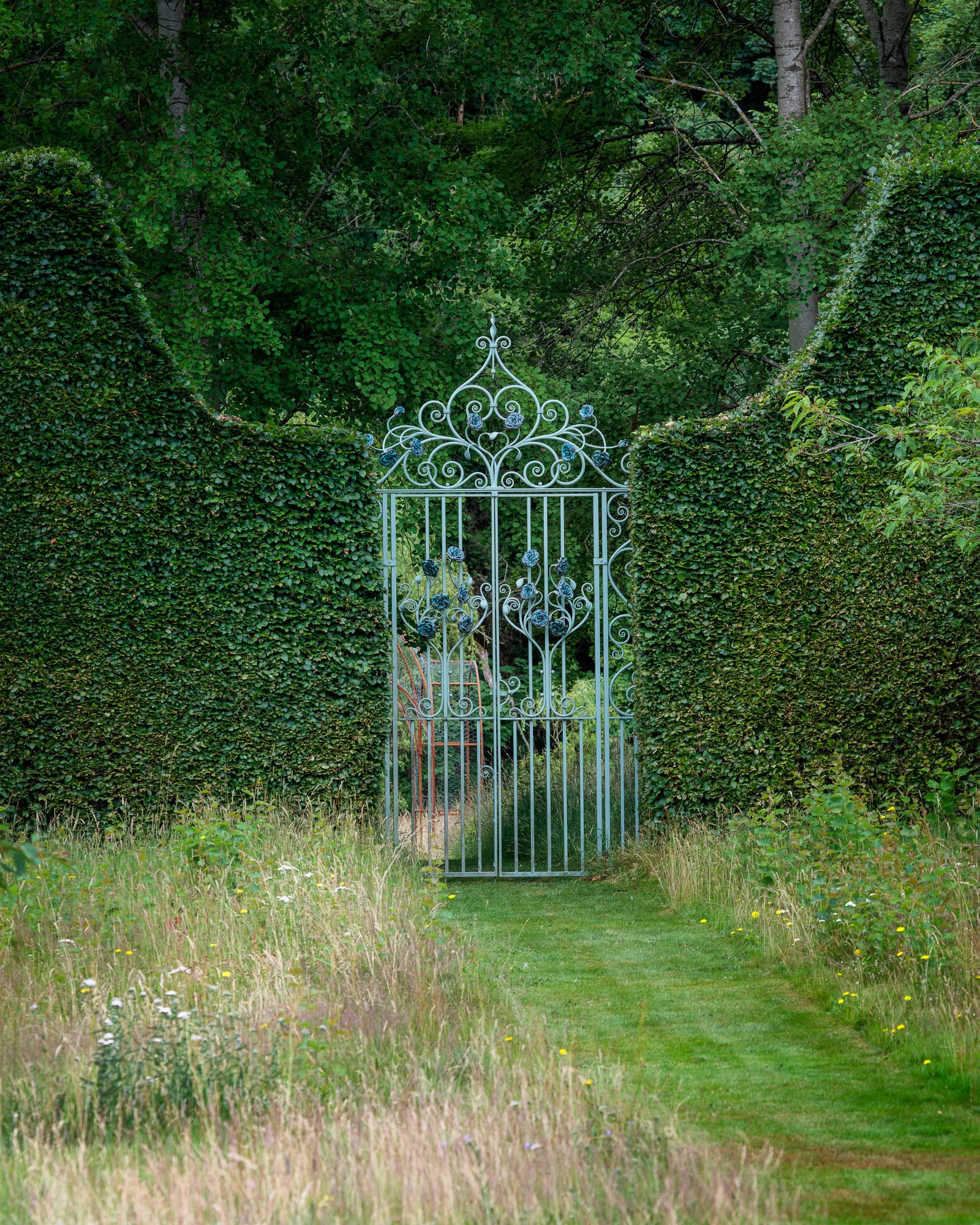
The box hedging is probably the healthiest I've seen anywhere in Britain for years. Lawn edges are razor sharp. Even the pelargoniums in the glasshouse have been pimped to perfection. Towering beech hedges are clipped with precision. They were being trimmed on the day I visited, swooping down to frame a view into the parkland or a gate festooned with copper roses.
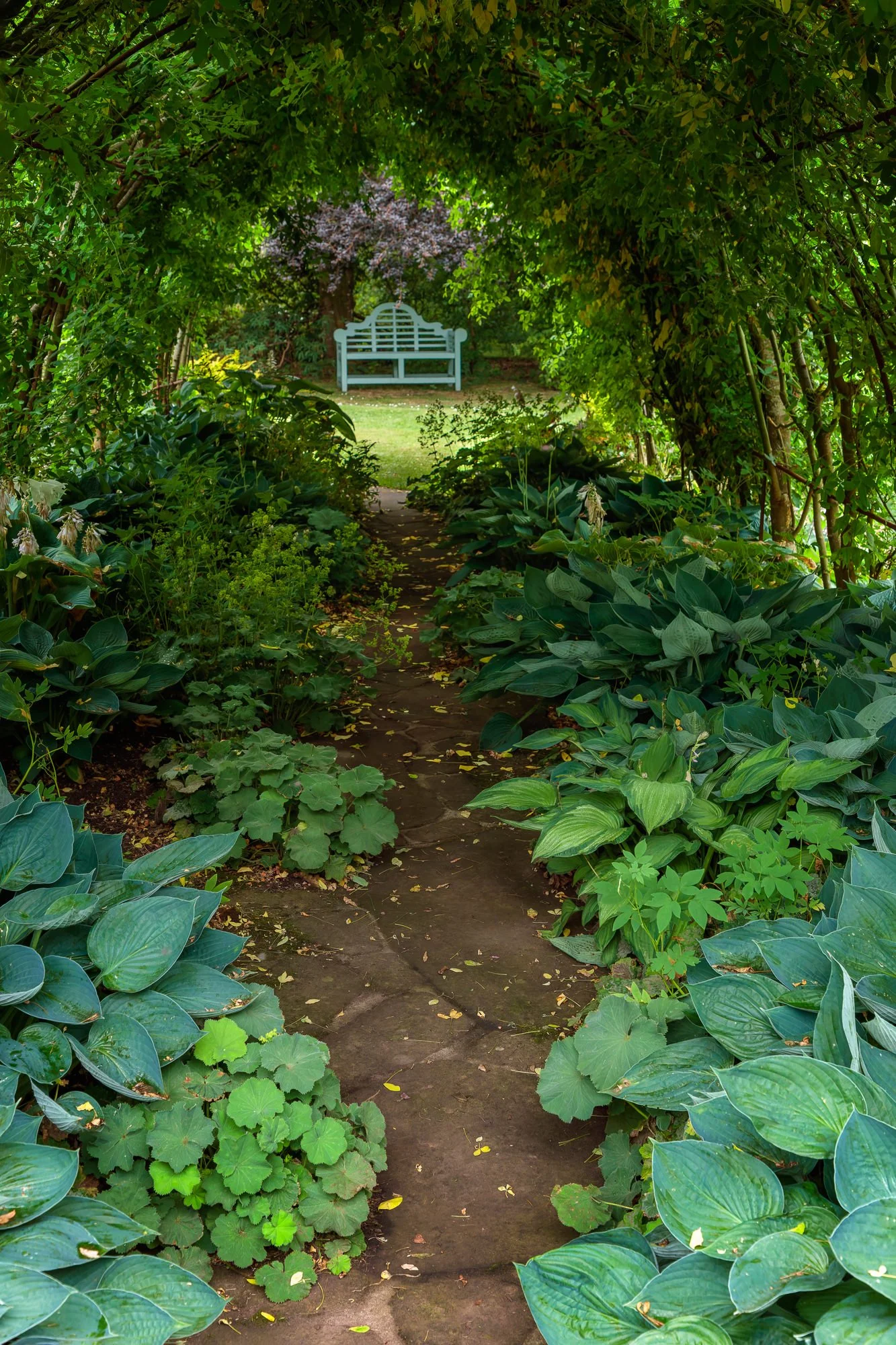
To one side is a laburnum tunnel underplanted with immaculate hostas forming a shady counterpoint to the rose show. This leads in turn to a wildflower meadow and a river walk by the Leader Water, nothing more than a crystal clear stream gently slipping by in July. Something tells me it was on its best behaviour.
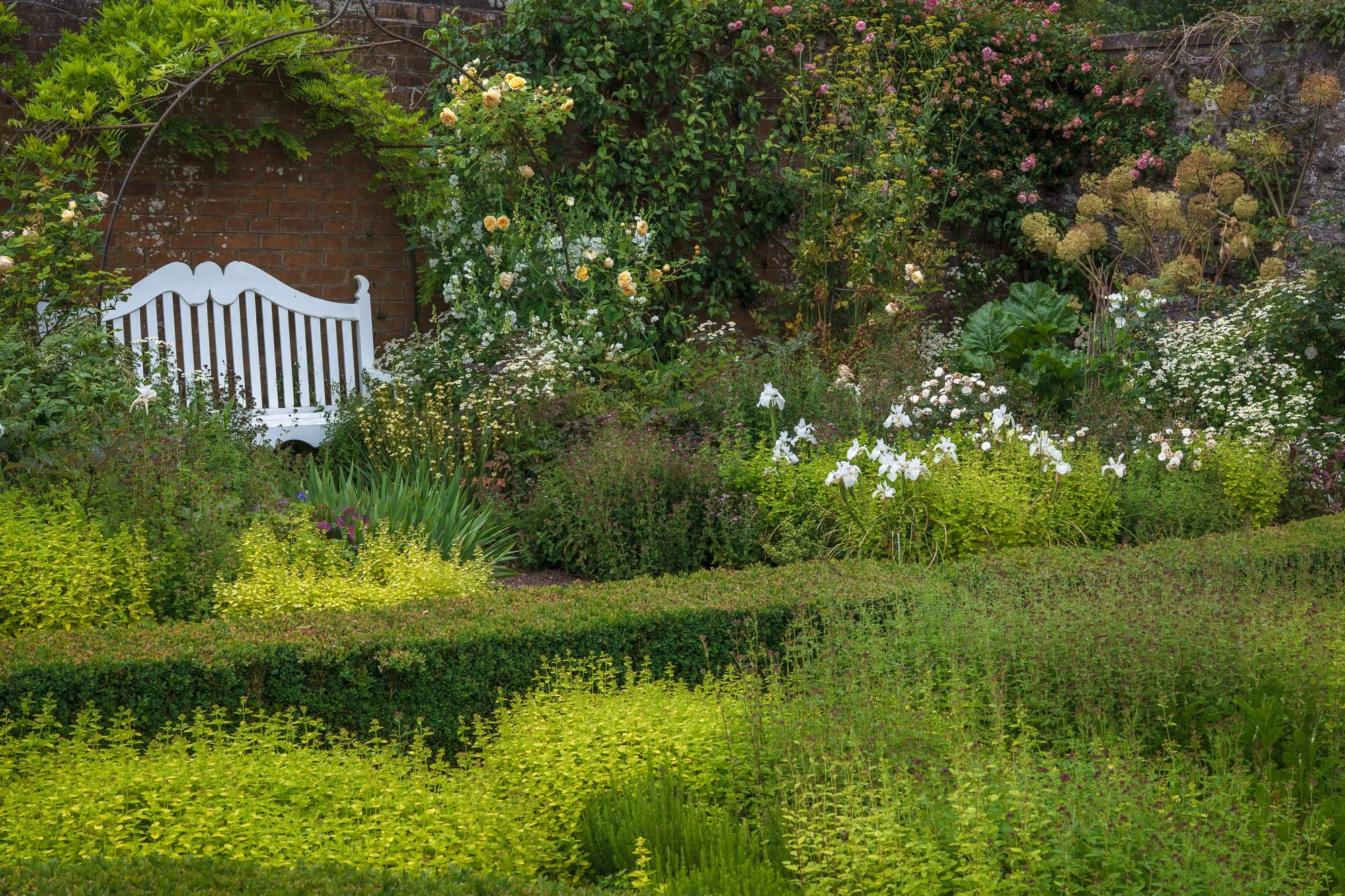
On the far side of the walled garden is the Herb Garden, triangular box-edged beds filled with oregano and thyme, the whole planting picking up on the yellow-green explosion of alchemilla in the walled garden. Here the overall impression is of a soothing space, the white bench lightening the mood even further after the curated drama of the roses.
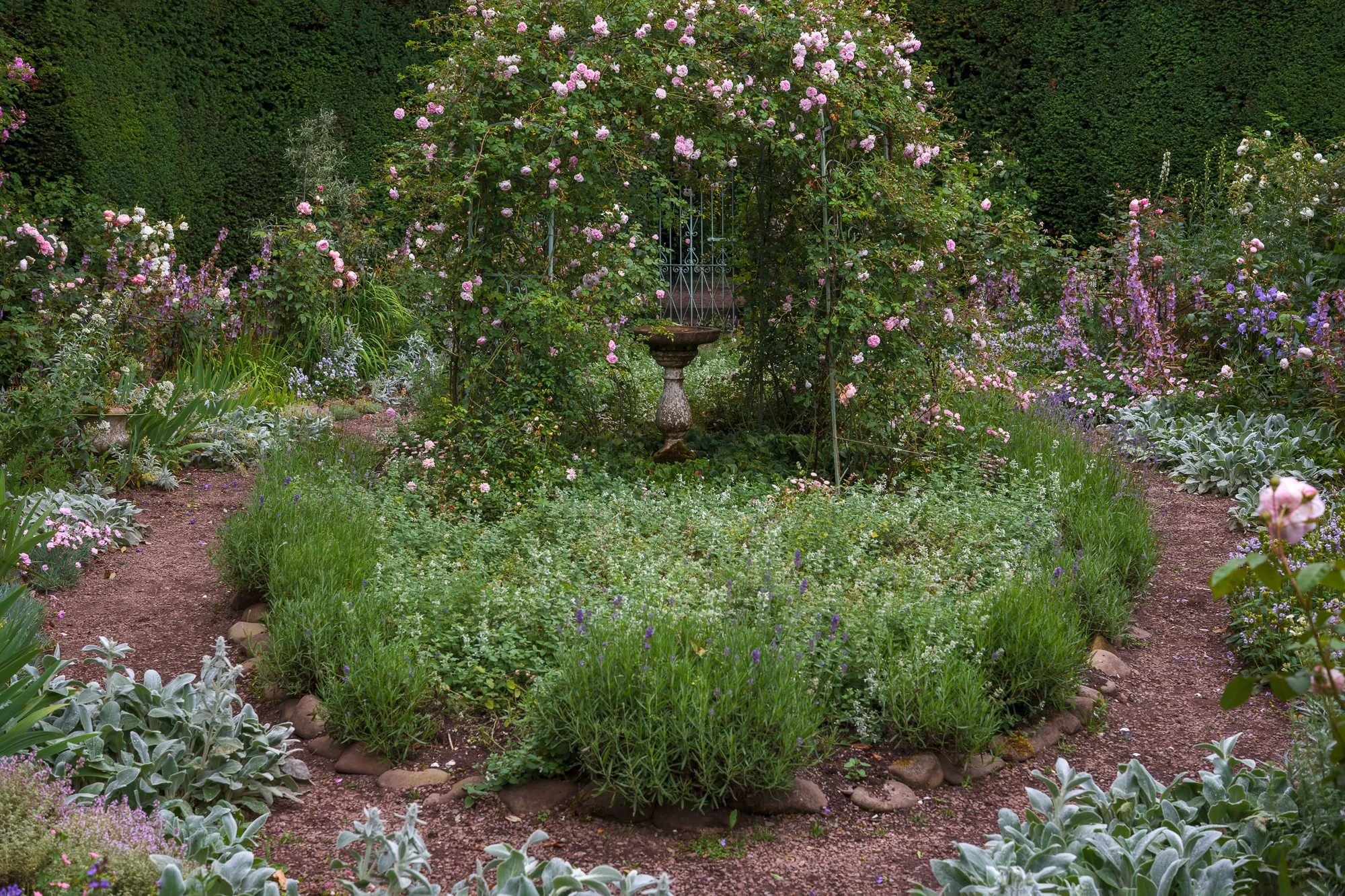
The Secret Garden follows on, with a shift in colour to pinks and silvers. And as a contrast to the fuller-figured roses in the walled garden, here the daintier musk rose 'Felicia' surrounds the central oval, underplanted with Stachys byzantina. There's a gentle romance to this section hidden away between walls and yew hedges, the intricate metal benches protected by yet more overhead roses.
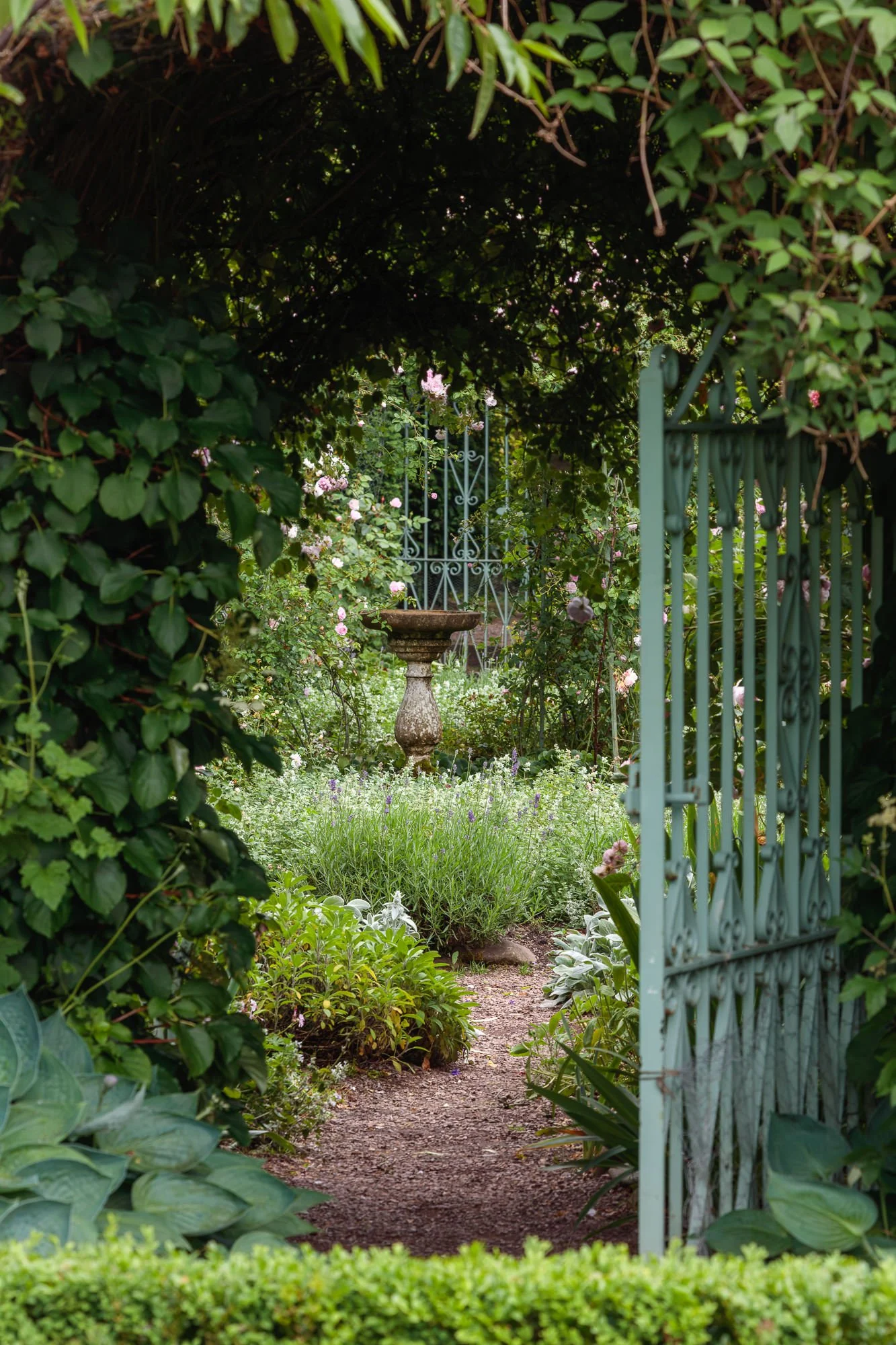
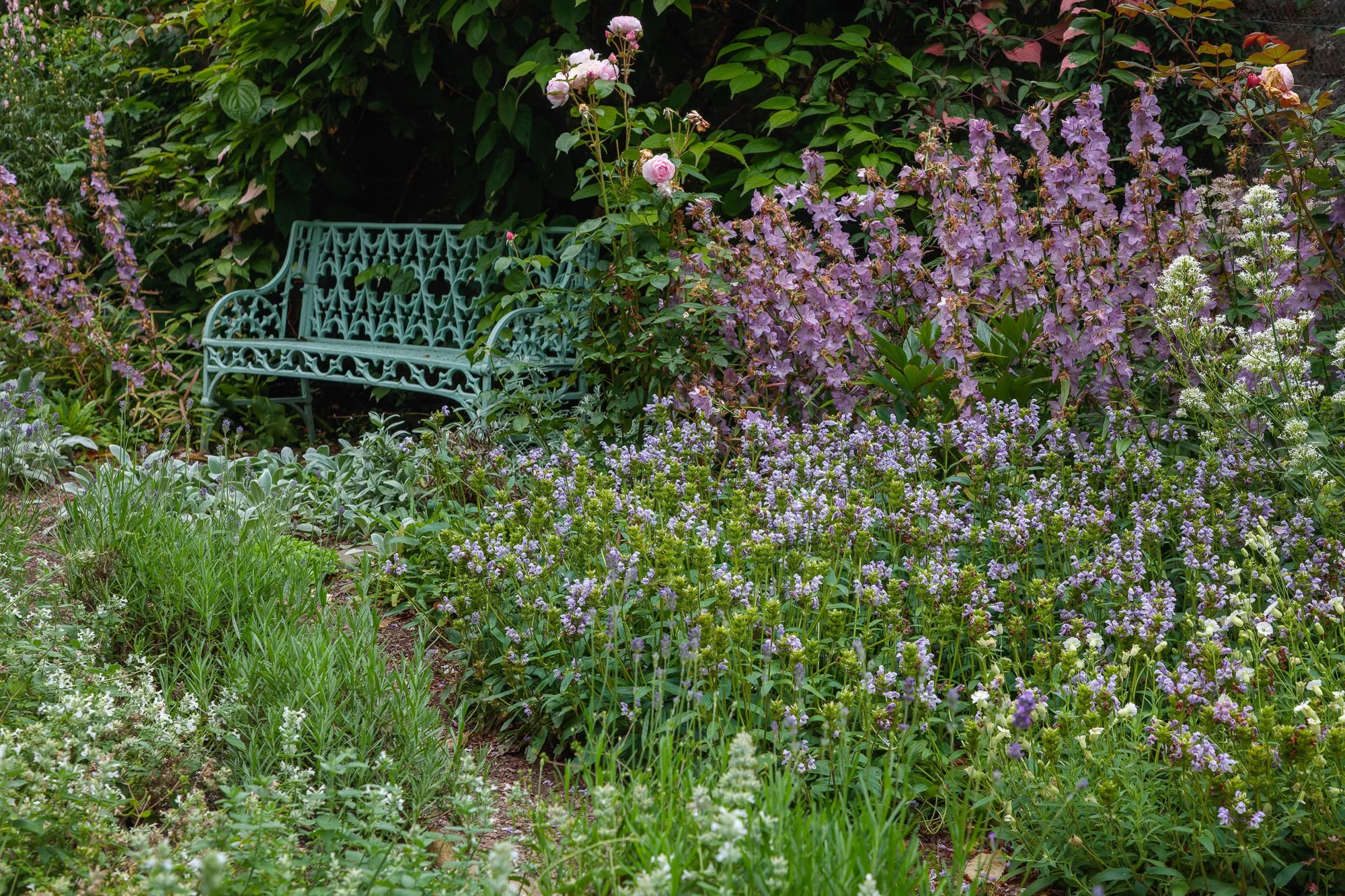
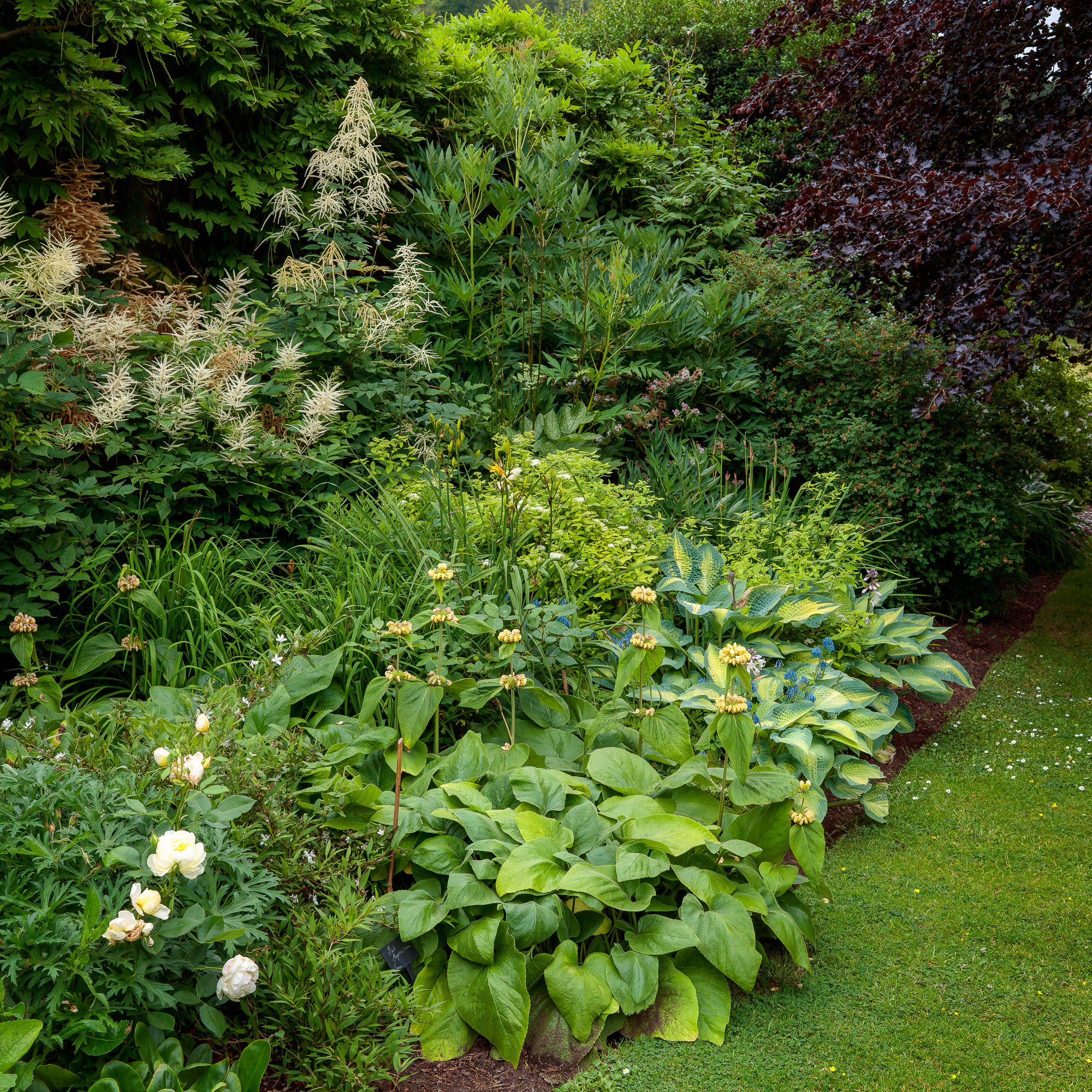
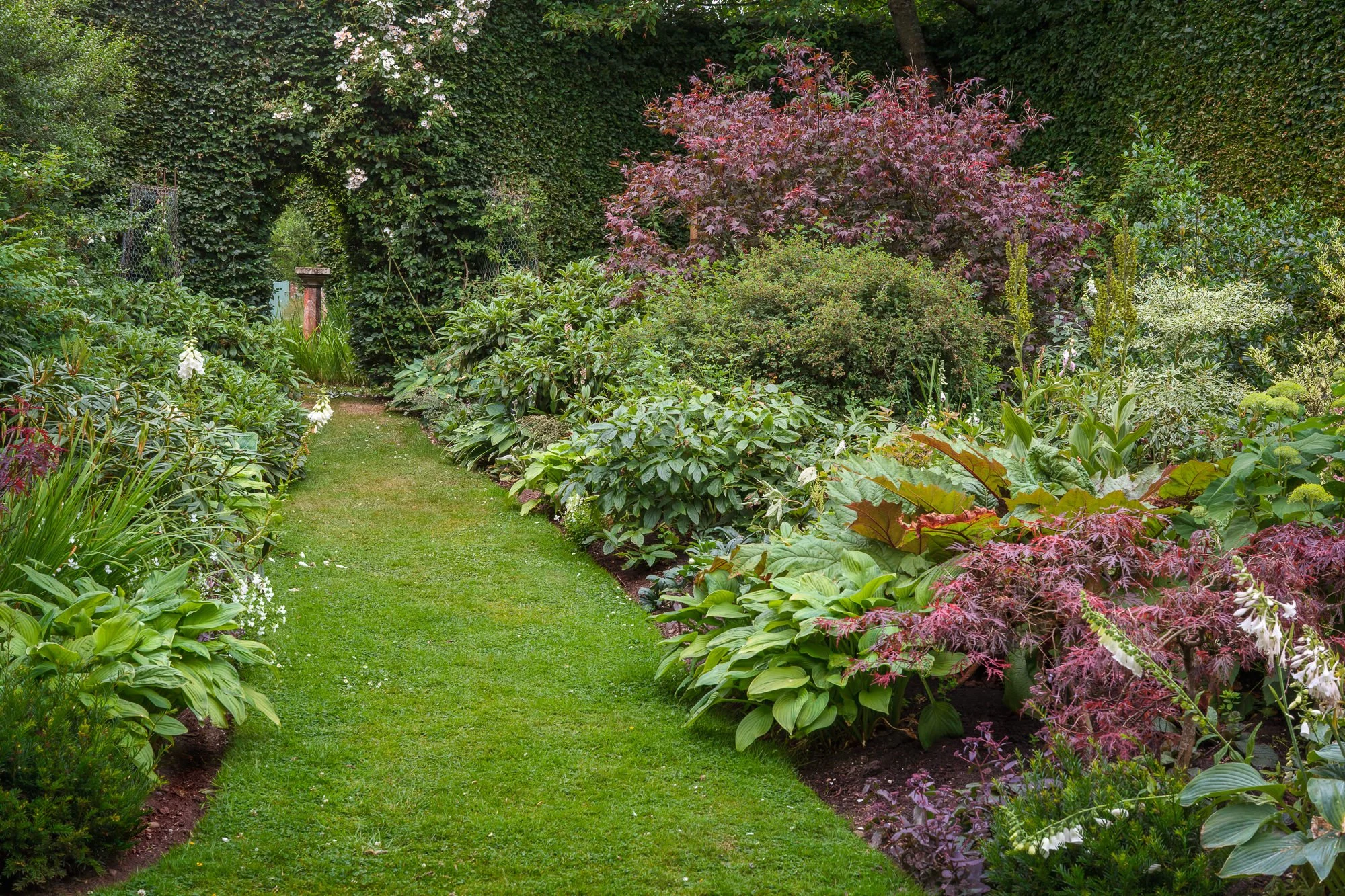
The Apple Orchard was resting between its spring and autumn exertions while the Winter Garden surprised by providing more interest than most in summer. It has a woodland feel, Acer palmatum 'Garnet' playing off the copper beech behind, ornamental rhubarb and Veratrum viride serving up foliage realness, with a smattering of hostas and mahonias to bulk out the border. An unexpected bonus.
Without doubt, Carolside was one of the finest gardens we visited on our recent tour of Scotland. Not simply because of the roses, nor because of the extraordinary standard of horticulture, but because it knows exactly what it wants to be.
Too many modern gardens seem to have lost their way. They worry about extending the season, pleasing visitors, catering to wildlife, following the latest fashion, squeezing another fortnight of colour from every border. They hedge their bets. Carolside does the opposite. It commits itself wholeheartedly to one unforgettable event each summer, then quietly gets on with being an excellent garden for the rest of the year.
Repeat-flowering roses may well have won the commercial battle. But standing in the middle of Carolside in full flower, breathing in perfumes that no modern breeding programme has quite managed to match, I started to wonder whether we've become just a little too willing to sacrifice seasonal excellence in favour of year-round mediocrity.
In an age when so many gardens seem to be converging on the same hackneyed palette and the same trite ideas, there's something deeply refreshing about one that has the courage of its convictions and remains faithful to itself.
More information here: https://www.carolside.com