Where diversity meets discipline
14 July 2026
By: James Lennox
"Go to Branklyn in May for the Meconopsis" seems to be the standard advice. Which makes sense as this is the home of the national collection of Himalayan poppies (as well as of Cassiope – a niche plant interest if ever there was one). Or if you can't manage a spring visit, swing by in the autumn when the acers are colouring up nicely. Again, perfectly sound advice.
So I went at the beginning of July, missing both the poppies and other obvious crowd-pleasers – the erythroniums, trilliums and primulas carpeting the ground beneath blazing rhododendrons, the offspring of seed collected in Tibet, Bhutan and China by the likes of George Forrest, Frank Kingdon Ward, George Sherriff and Frank Ludlow and tended by Branklyn's owners, John and Dorothy Renton from the 1920s onwards. Would there be anything to see 'out of season'? And how much interest can there really be in a suburban plot of under two acres beside a thundering thoroughfare in Perth?
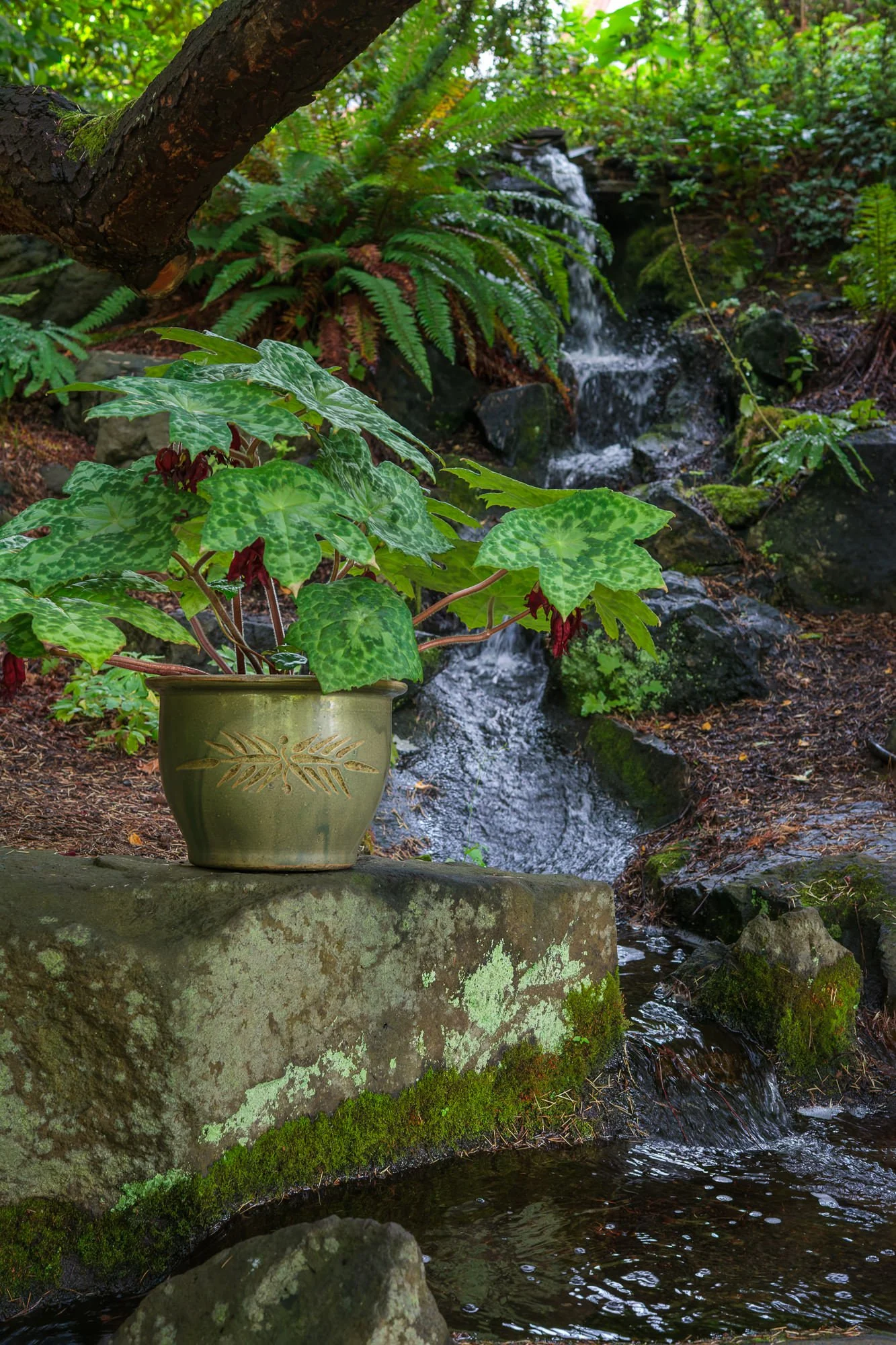
Buckle up, Dear Reader, as this is going to be one of my more plant-heavy reviews. Which is hardly surprising, as there are over 3,500 species represented here, from woodland trees right down to alpine gems. One minute I was craning my neck to take in the top of a Sciadopitys verticillata, the next spotting a potted 'Spotty Dotty' perched next to a rushing waterfall, before turning to be dazzled by the amphitheatre sweep of the main rock garden. It's an intense experience.
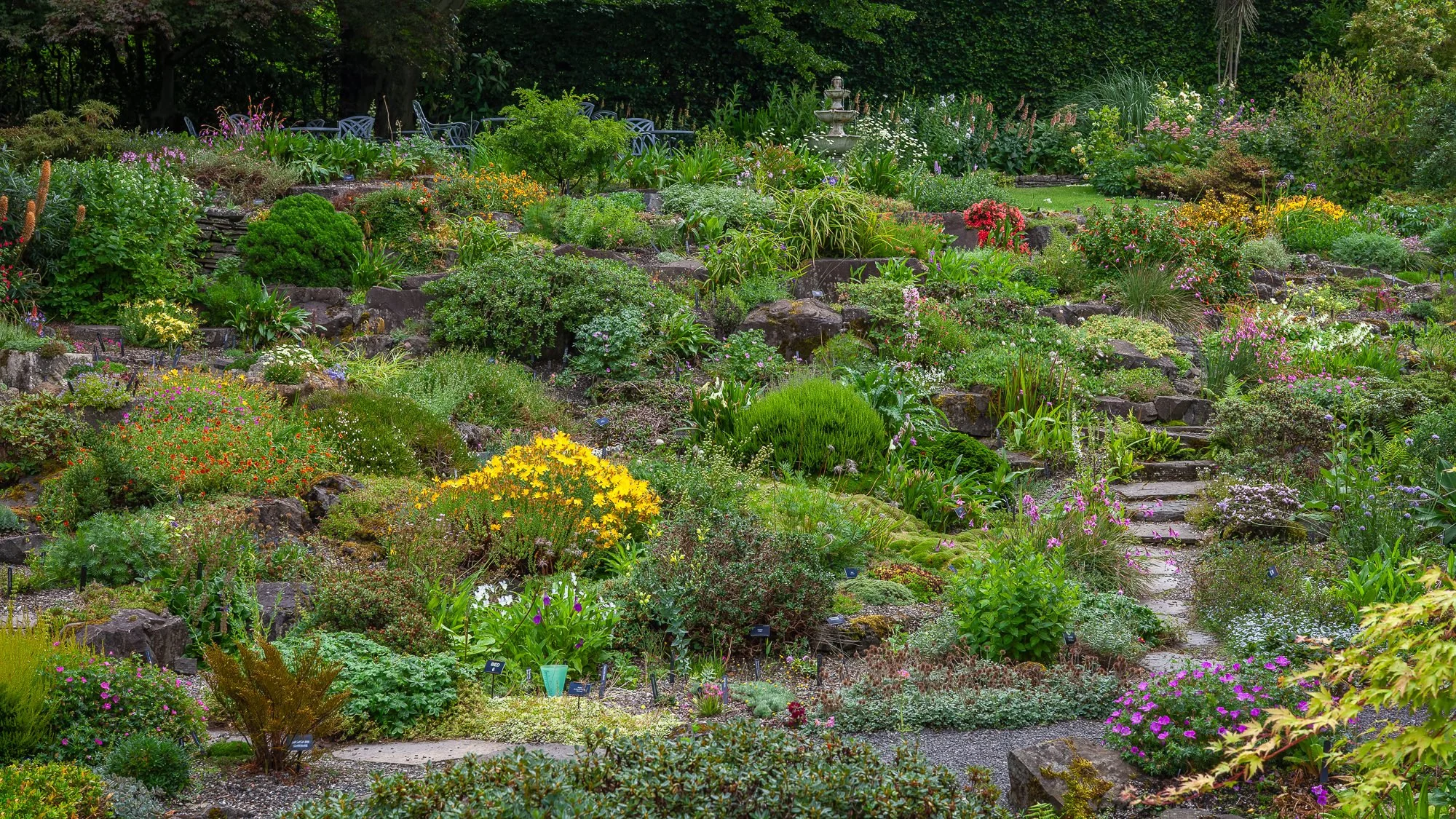
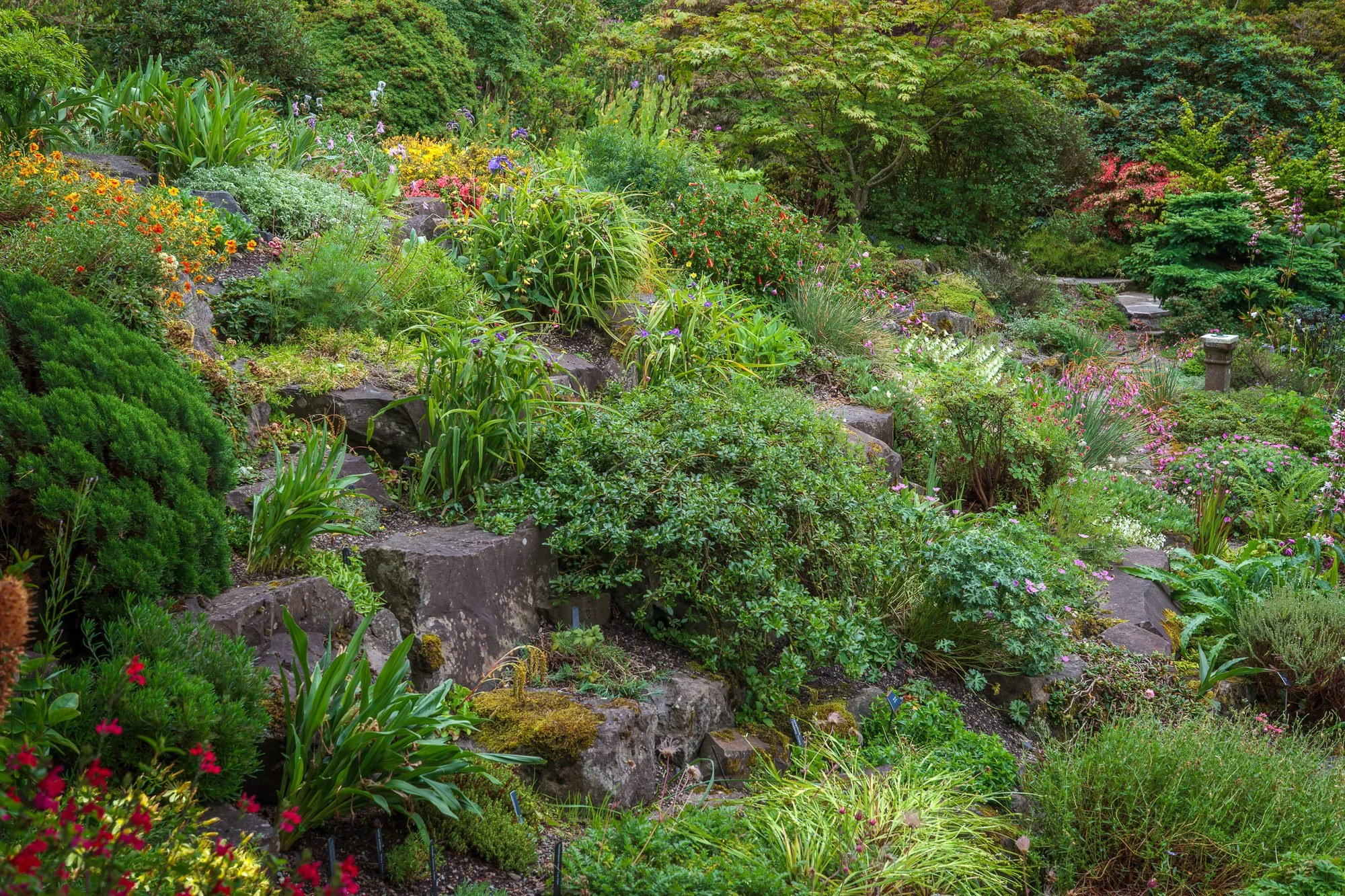
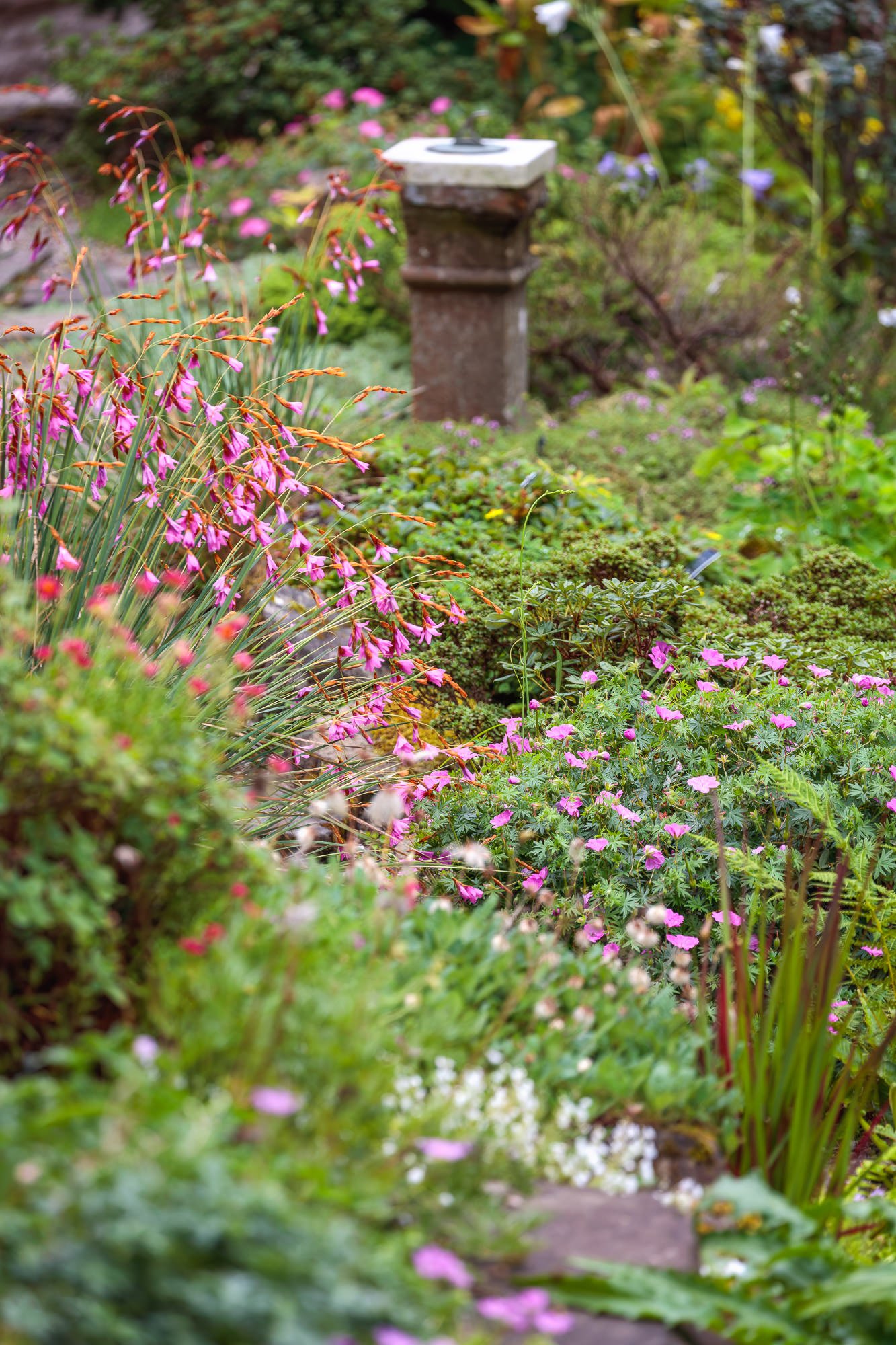
And this is the obvious place to start. Kiftsgate recently turned its tennis court into a water feature. The Rentons were even more ambitious, converting theirs into a rock garden, altering the topography of the site with the aid of enormous rocks hauled down from the hillside above. Every single plant looked to be living its best life. A Morina longifolia was being spiky and assertive echoing a Desfontainia spinosa in the background while celmisias, lewisias, saxifragas, roscoeas and dieramas were gearing up, recovering or flowering away.
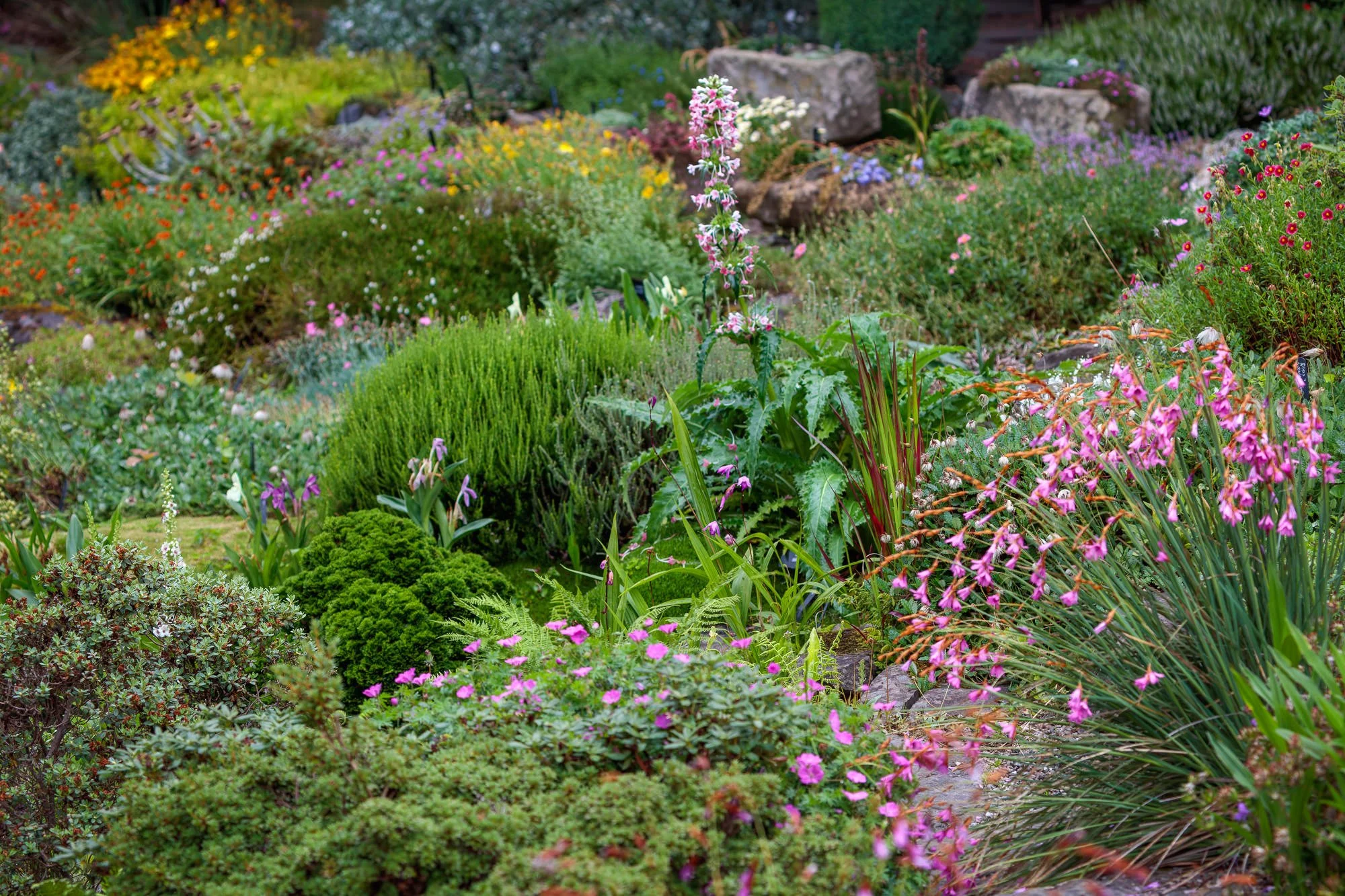
The danger of cramming so many plants into such a confined space is that it becomes less of a garden and more of a chocolate-box selection of botanical treasures, the 'one of everything' school of planting, an incoherent jumble where every plant competes for attention and nothing has room to breathe. Incredibly, that's not the case here. The cushions, domes, drifts and mounds all seem to be rubbing along nicely. Yes, there are plant labels tombstoning the ground but it's a small aesthetic price to pay when there are so many otherwise unidentifiable rarities to be admired.
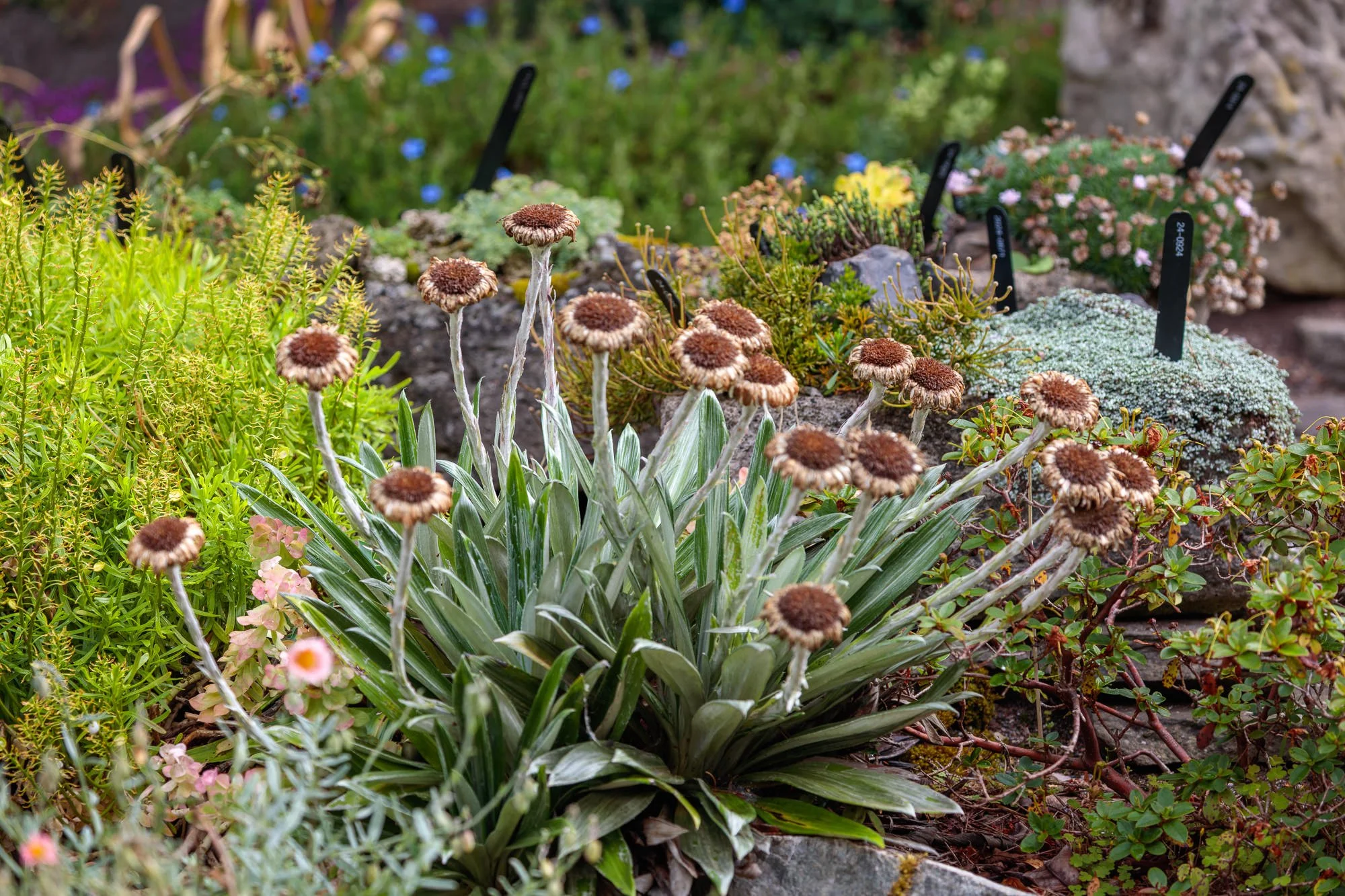
Yet again, it all comes down to the skill of the gardeners. No precious real estate is allowed to go to waste. Narrow paths create intimacy while also allowing the visitor to get up close and personal with the plants. It's a masterclass in how density need not result in overcrowding. The secret, I suspect, lies in discipline and ruthless editing. Every specimen earns its place, but equally, every plant knows its place. Vigorous plants are carefully restrained to prevent them dominating more retiring neighbours. The result is extraordinary richness without visual chaos. And just when I thought I'd spotted a flaw, a weed indeed, I stumble across my first Taraxacum pankhurstianum. Thank goodness for those labels.
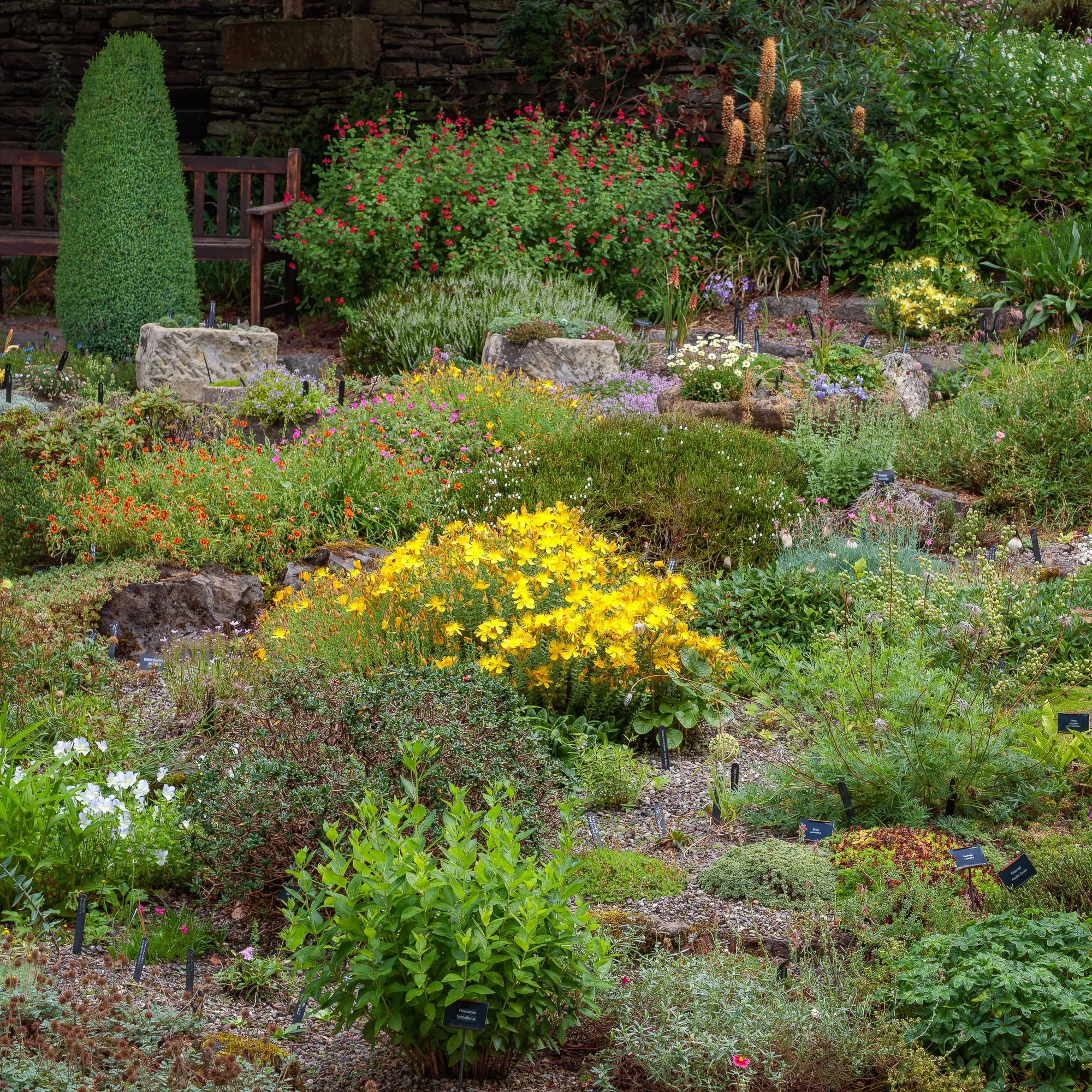
It would have been all too easy for Branklyn to become little more than a living catalogue: an invaluable collection perhaps, but not a particularly satisfying garden. Somehow it avoids that fate. Every decision seems to have been made with one eye on the individual plant and the other on the composition as a whole. The garden always wins.
That might well be Branklyn's greatest achievement. As well as preserving the Rentons' original vision, the National Trust for Scotland has managed the far trickier task of preserving the way they gardened. It's a difficult balancing act to preserve a legacy without embalming it. Personality can be eroded when decisions are made by committee; individual vision gives way to consensus.
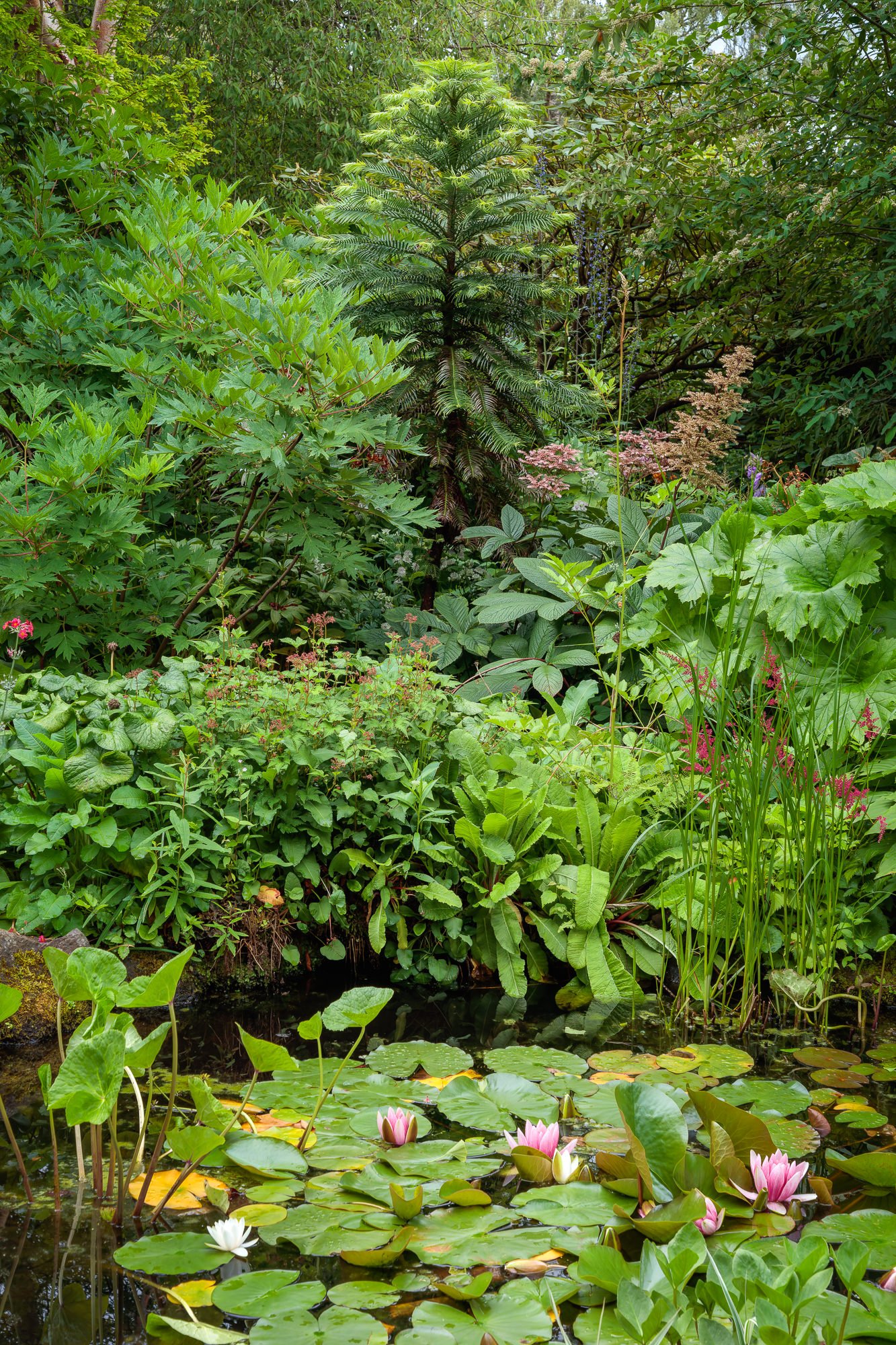
Branklyn manages to escape that particular doom-loop. The garden is impeccably maintained, but never feels institutionalised. It still gives the impression that behind the scenes are people obsessed with plants. The garden is clearly still moving forward, a young wollemi (Wollemia nobilis), for example, earning itself a cushy billet by the pond.
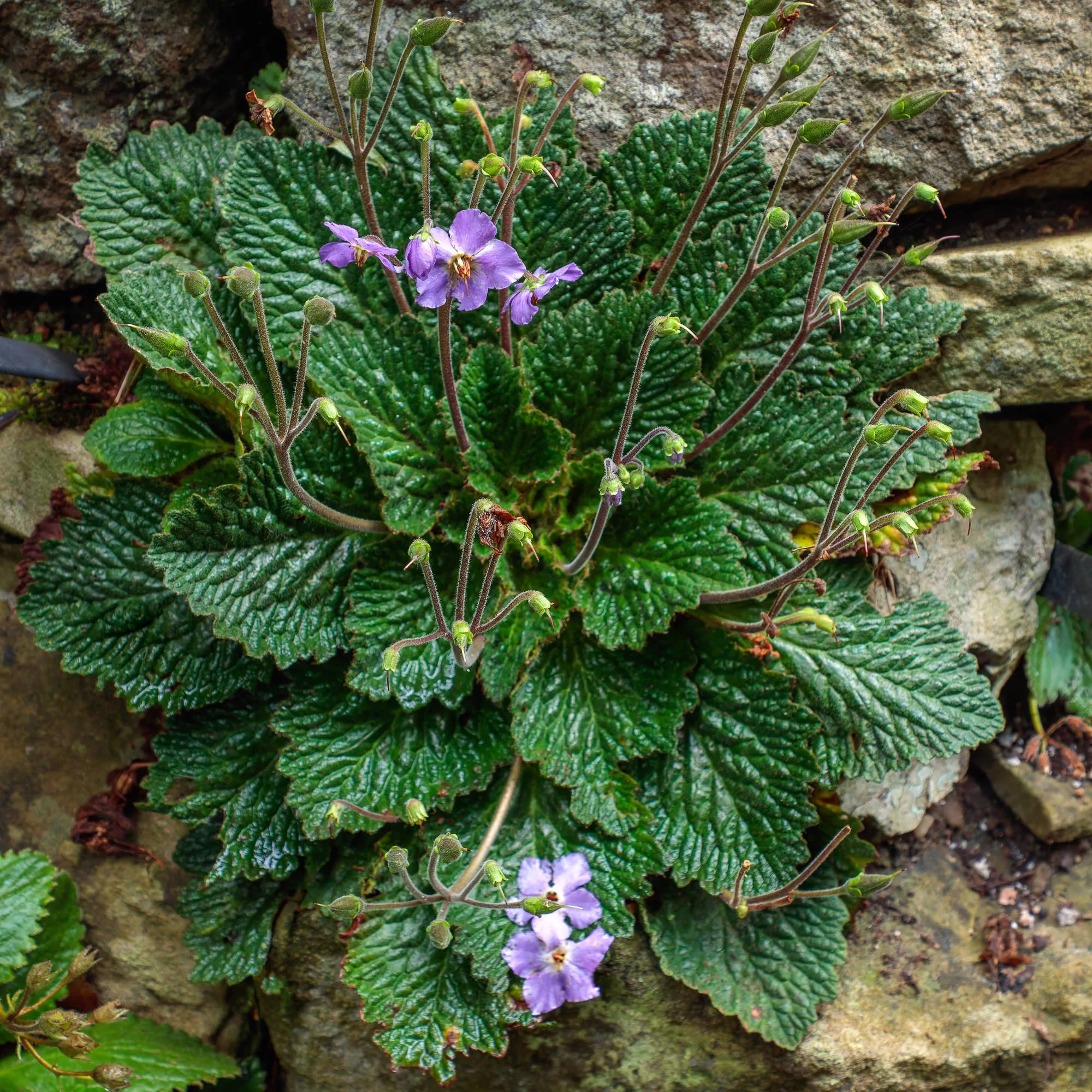
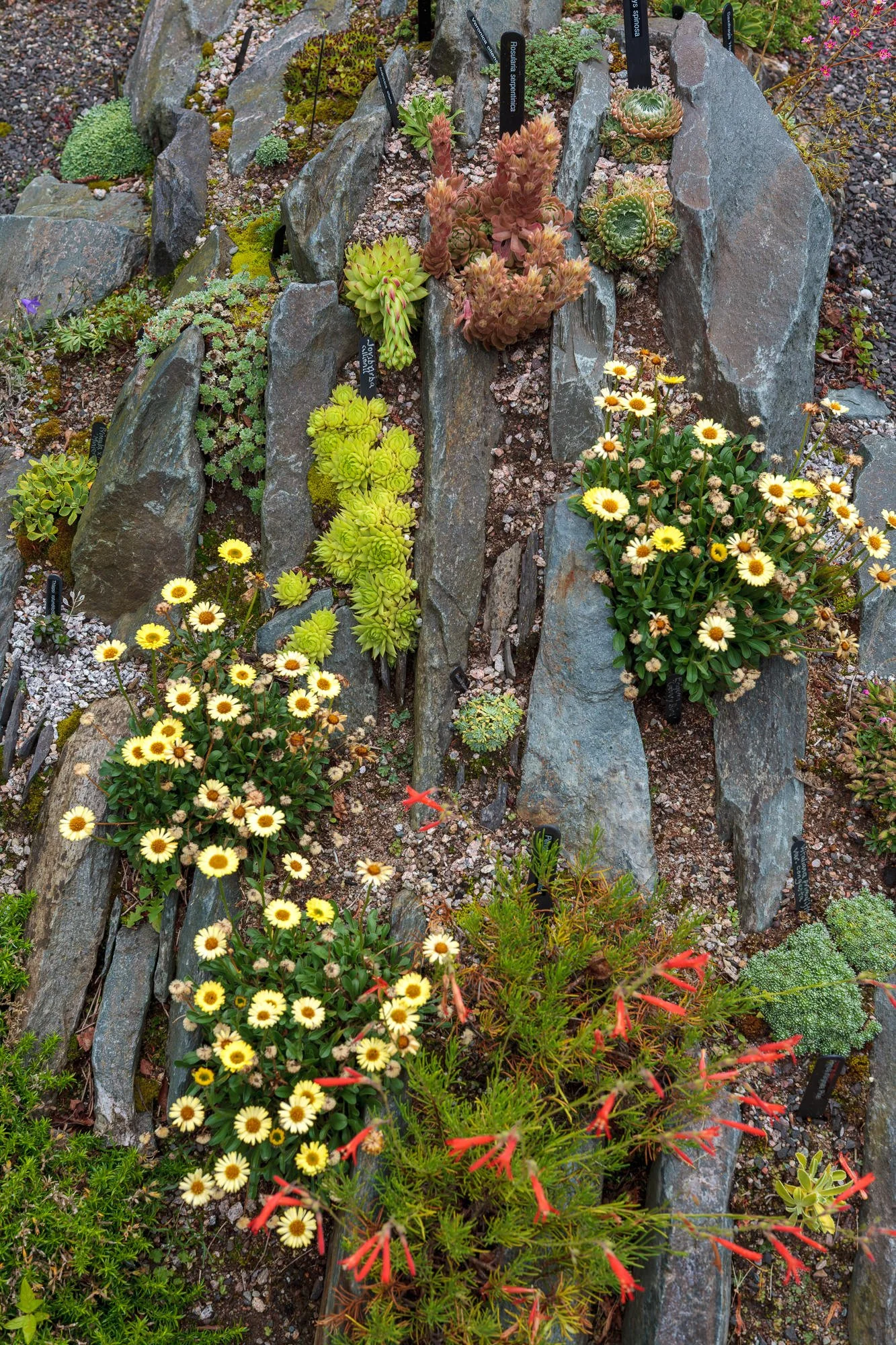
The recent removal of overgrown trees and shrubs has led to a rejuvenation of the garden and rather than simplifying the planting, the gardeners have doubled down. Renewed crevice beds are filling out, Penstemon pinifolius andErigeron aureus 'Canary Bird' providing colour while Jovibarba allionii and Rosularia serpentinica add their inimitable shapes to the mix.
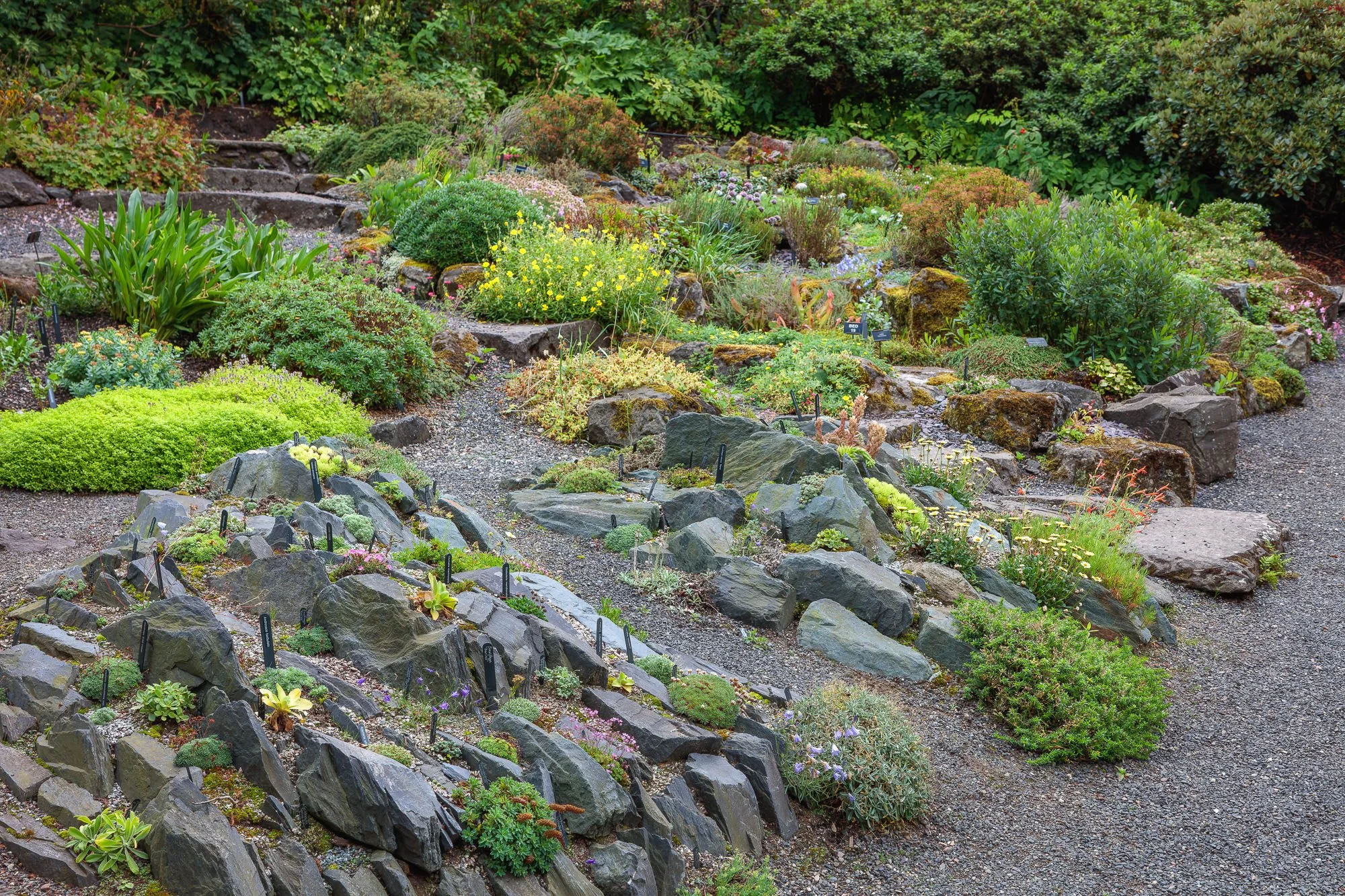
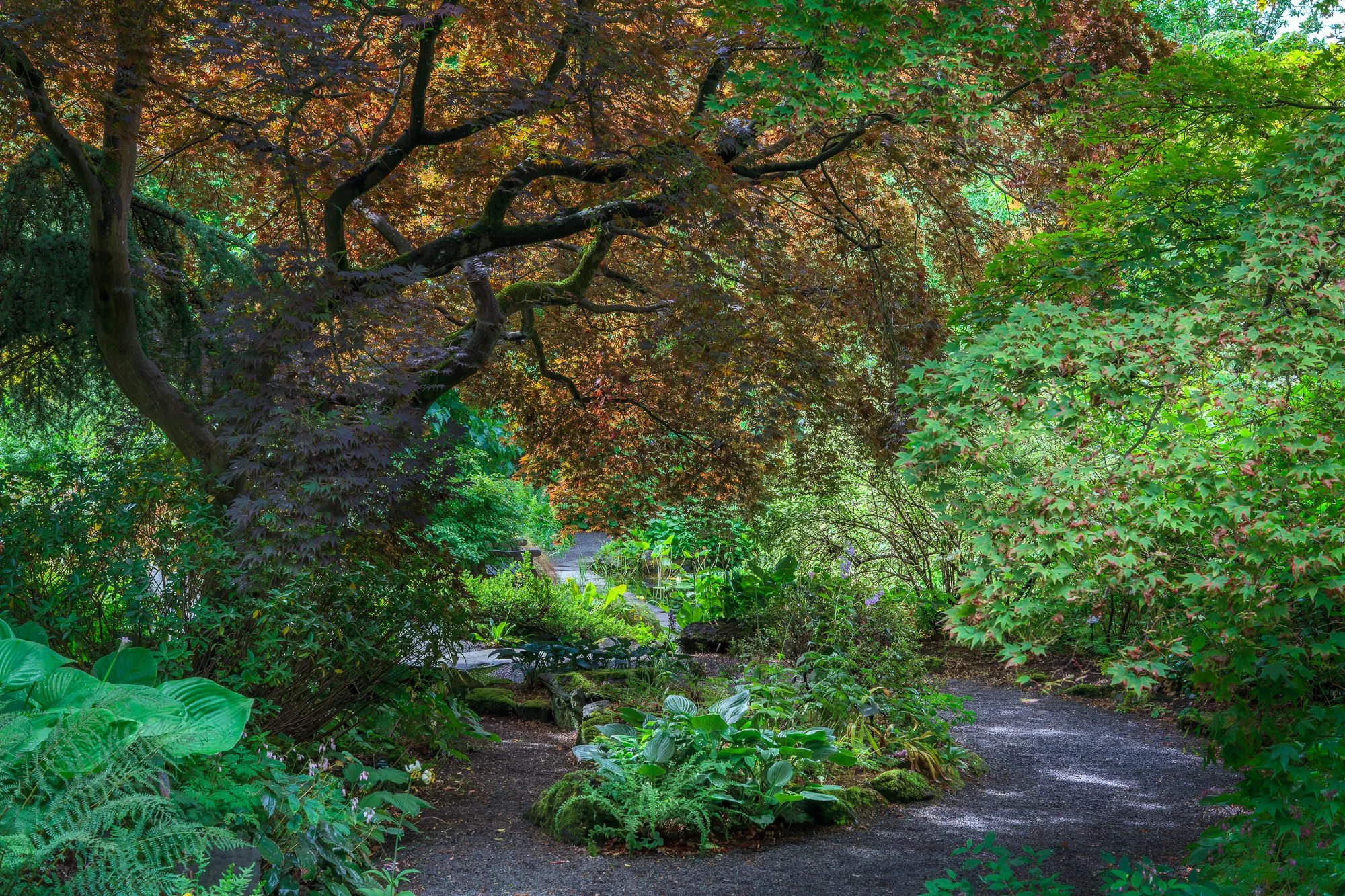
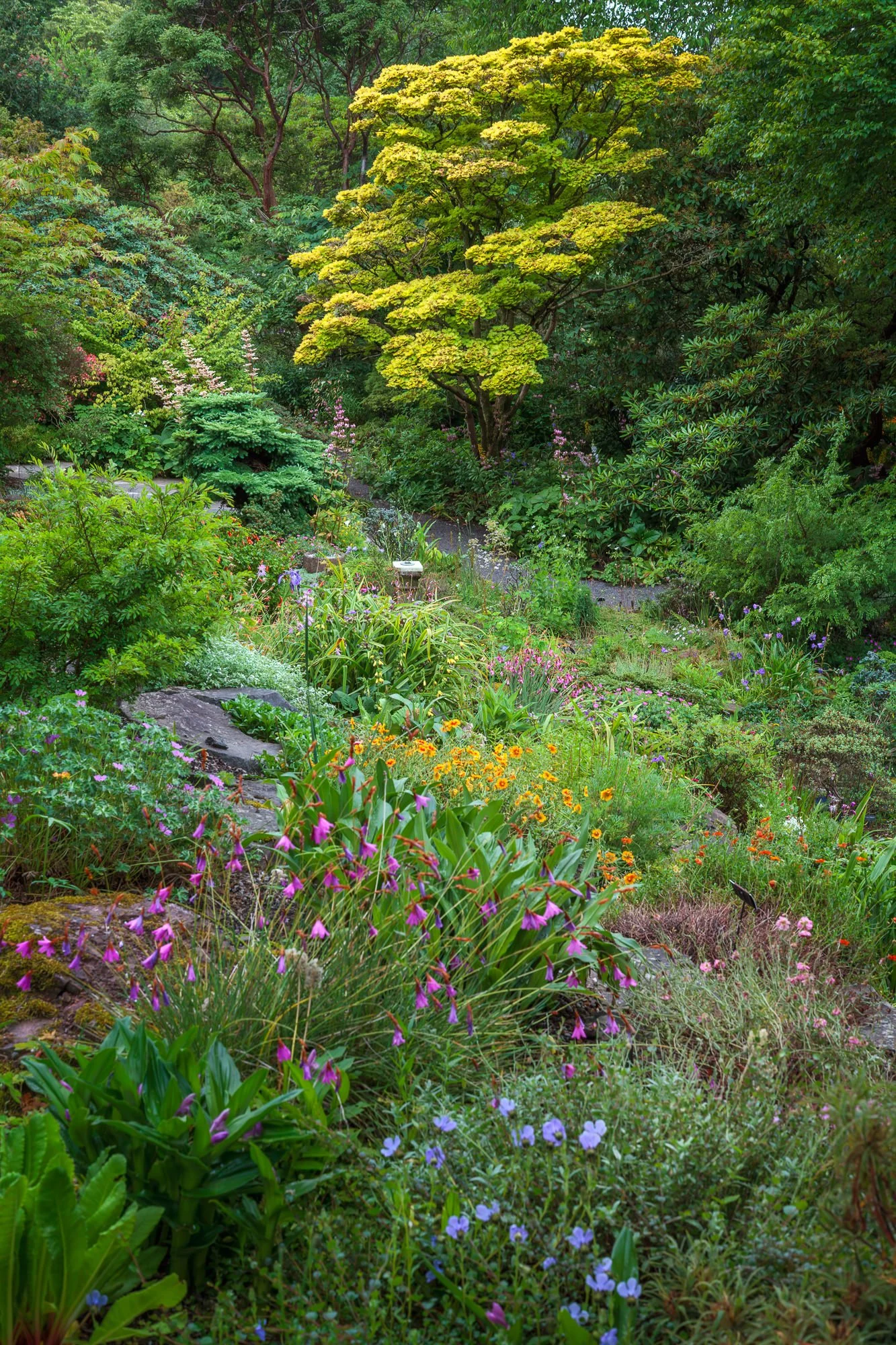
Both this and the main rock garden function almost as open glades among the trees and shrubs such as magnolias ('Daphne', M. wilsonii and M. x wieseneri), a fine Eucryphia glutinosa, a random Nothofagus antarctica (why not?) and a Disanthus cercidifolius adding autumn colour worryingly early in the season.
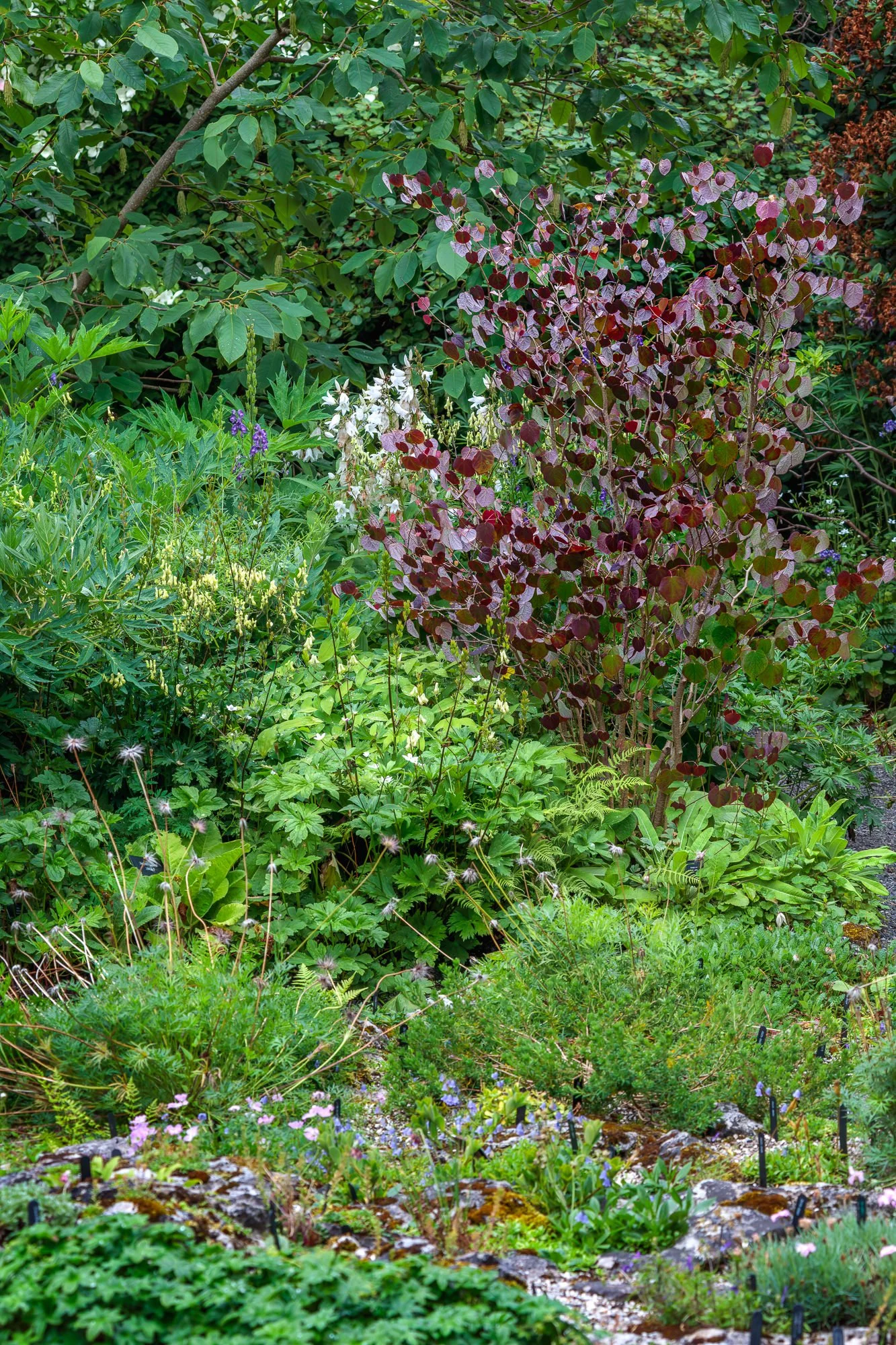
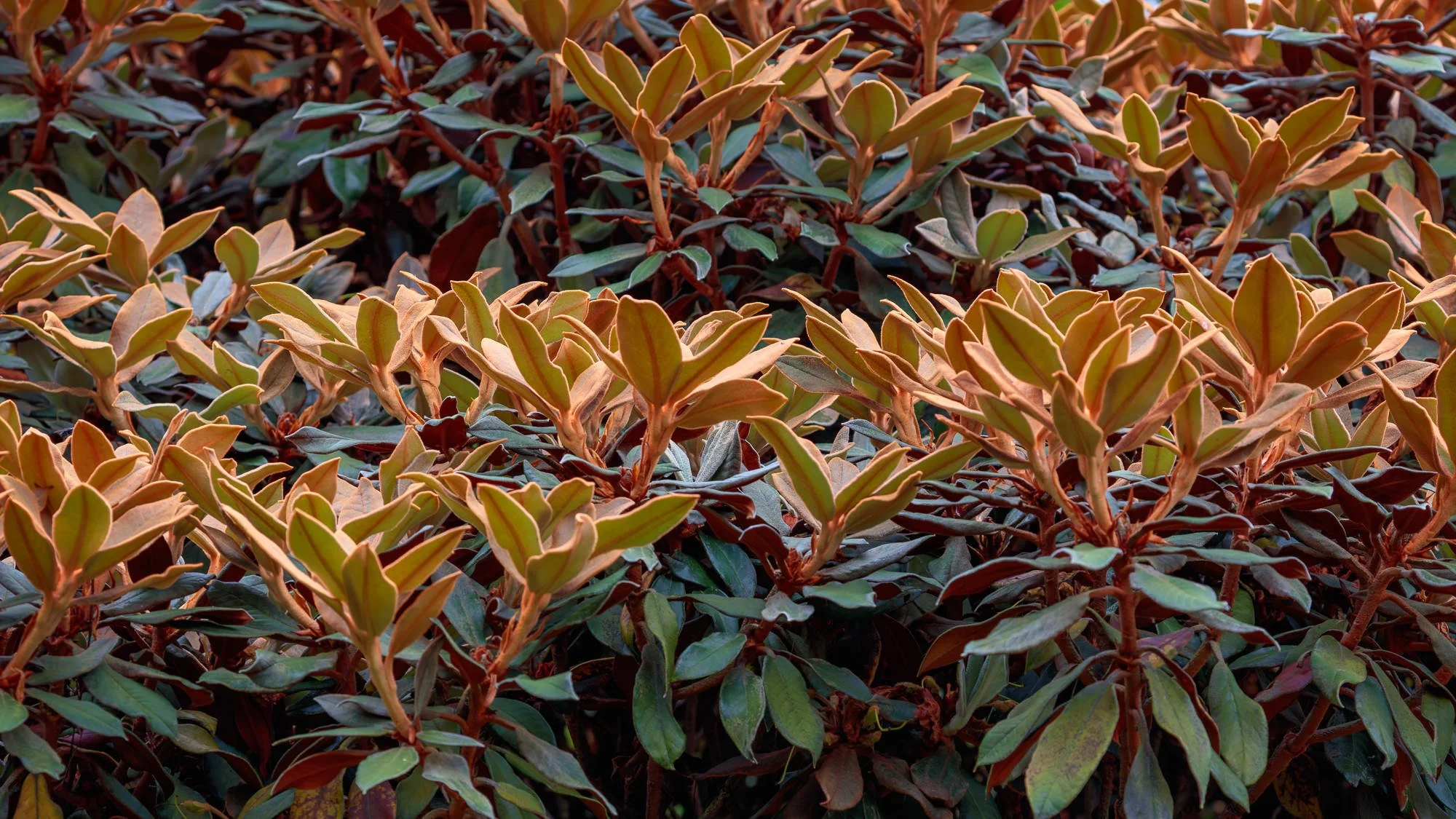
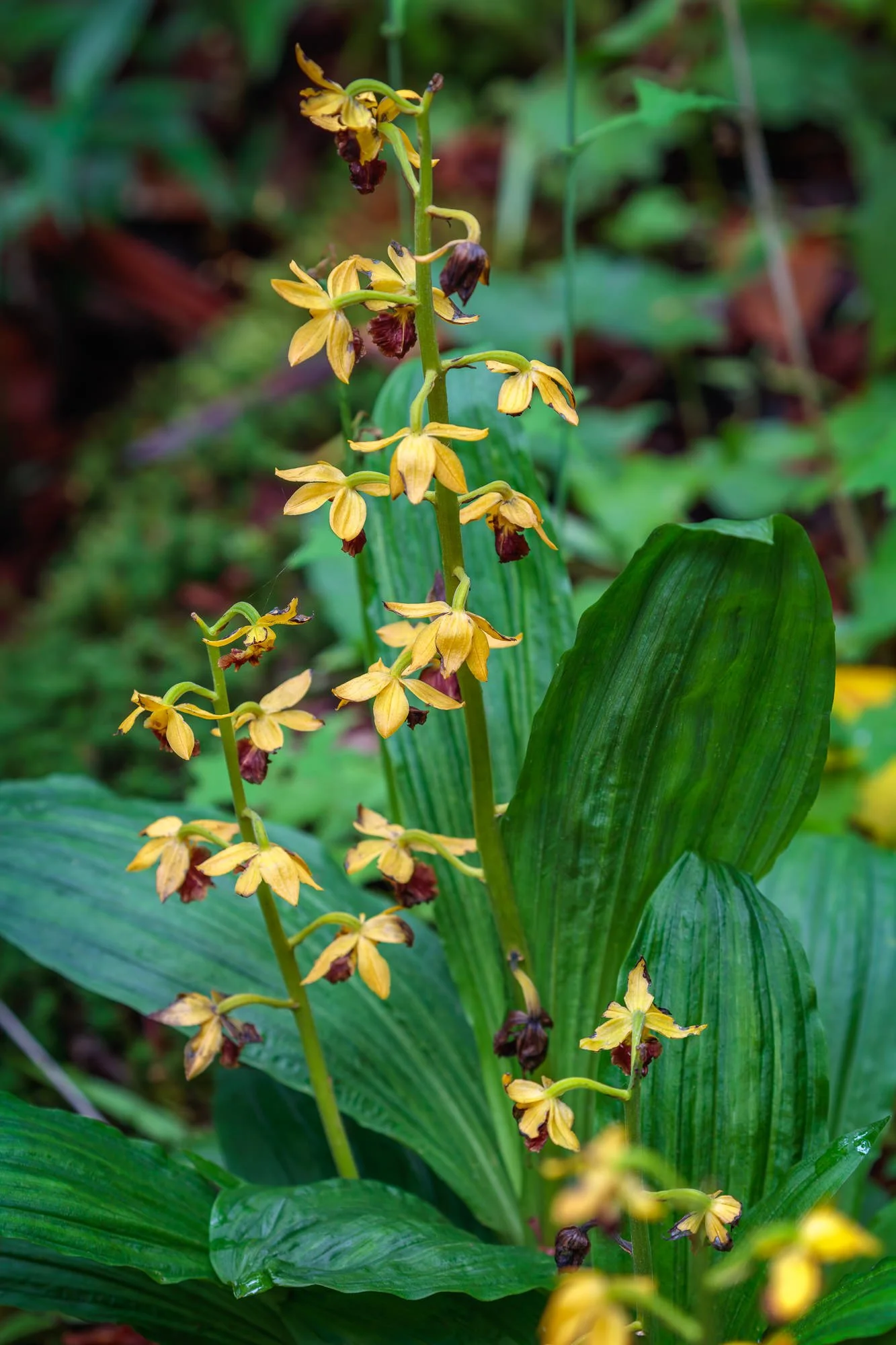
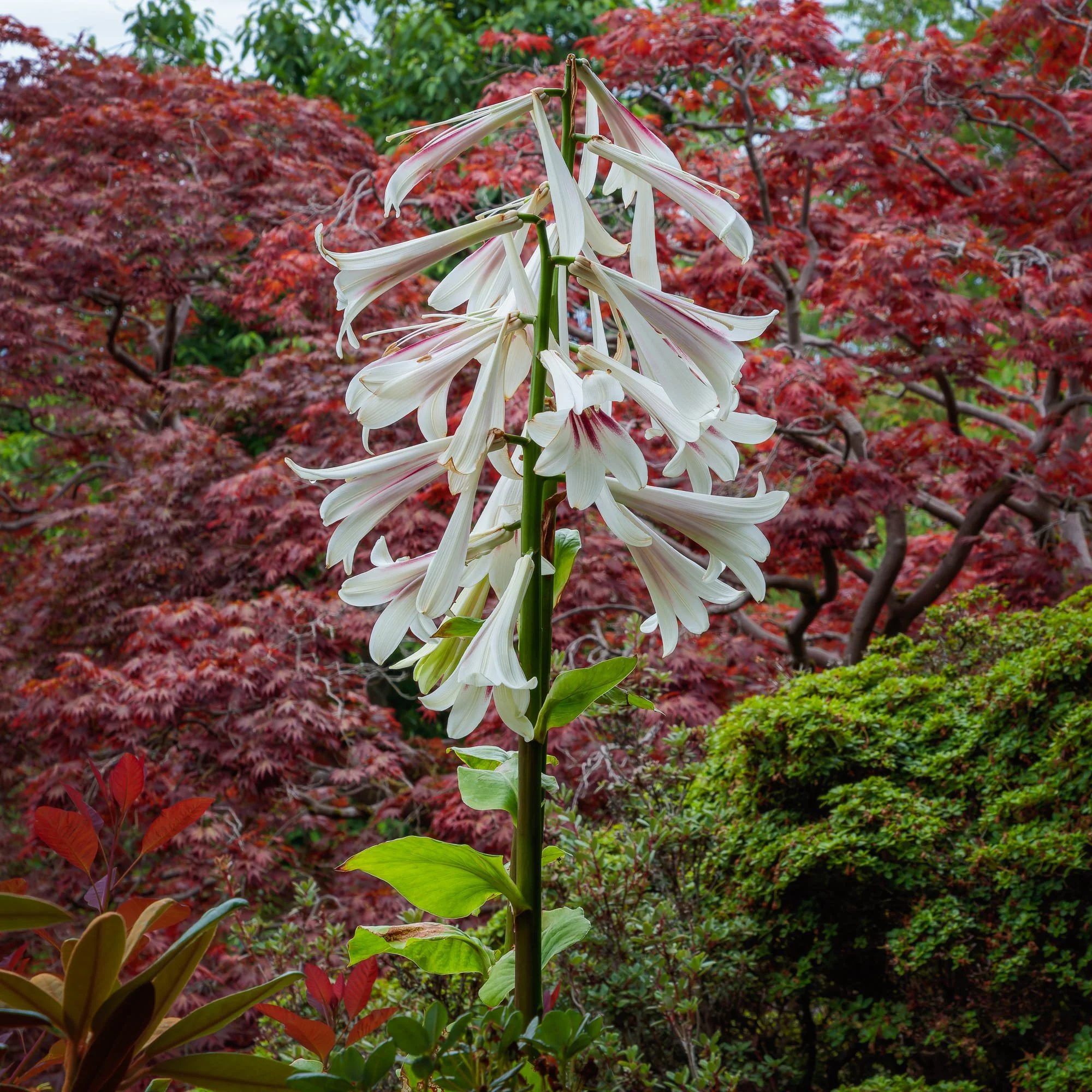
Beyond lie the bulk of the rhododendrons, the new growth of R. fictolacteum and R. 'Everred' still offering something after the flowering season with a Lyonia villosa and a Schefflera (Heptapleurum) fengii loitering in the background for the plant nerds among us to discover. At ground level there are still such beauties as Calanthe tricarinata to add to the ever-expanding wishlist. There was even one last Cardiocrinum giganteum taking a final bow.
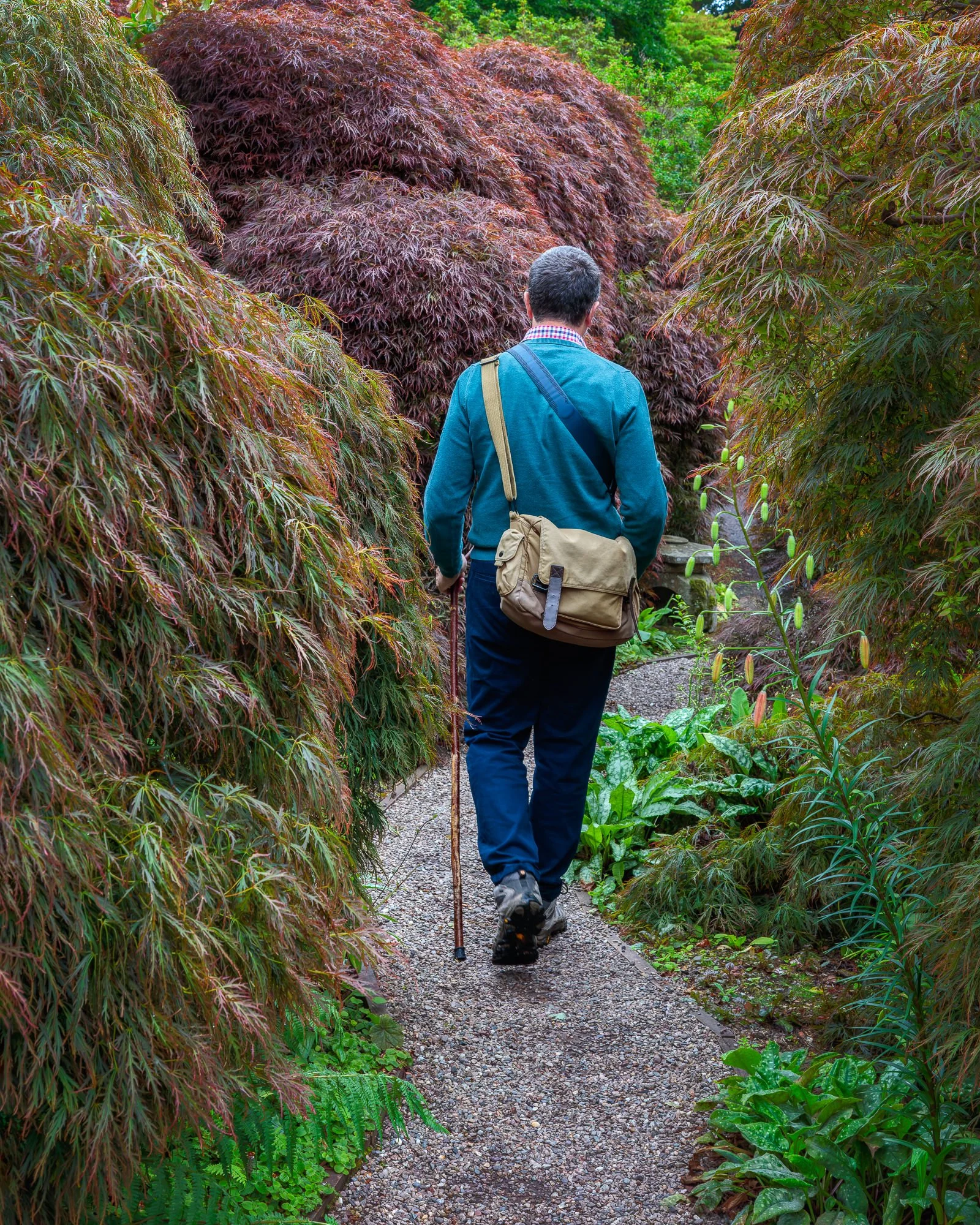
At the risk of sounding churlish in the midst of such horticultural marvels, I have two minor quibbles. The group of Japanese maples at the end of the upper lawn could do with taking in hand. They've been indulged for at least one season too many, losing definition and rapidly becoming amorphous blobs. Against the sharpness elsewhere, they look fuzzy and middle-aged. An easy fix.
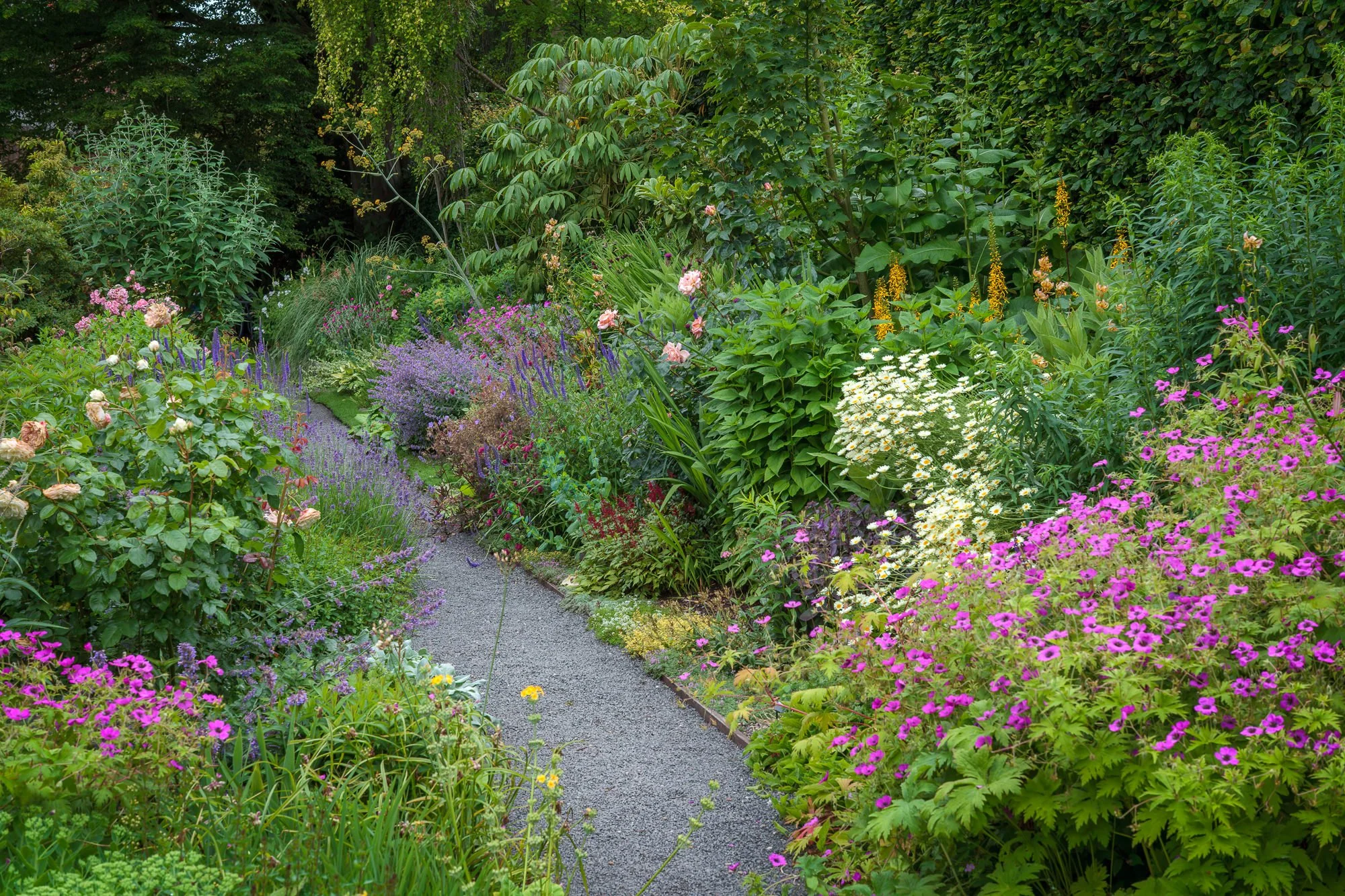
The herbaceous border at the top of the garden is the other area of concern, an anomaly that doesn't quite fit with the rest of the garden. Perhaps it's just a historic hangover or a concession to the expectations of your average garden-goer more interested in a decent cup of tea on the lawn than recently discovered rare Scottish dandelions. Either way, the inclusion of a clump of Lobelia tupa and a Pseudopanax ferox (both looking remarkably happy this far north) did manage to redeem this section somewhat and rescue it from the run-of-the-mill.
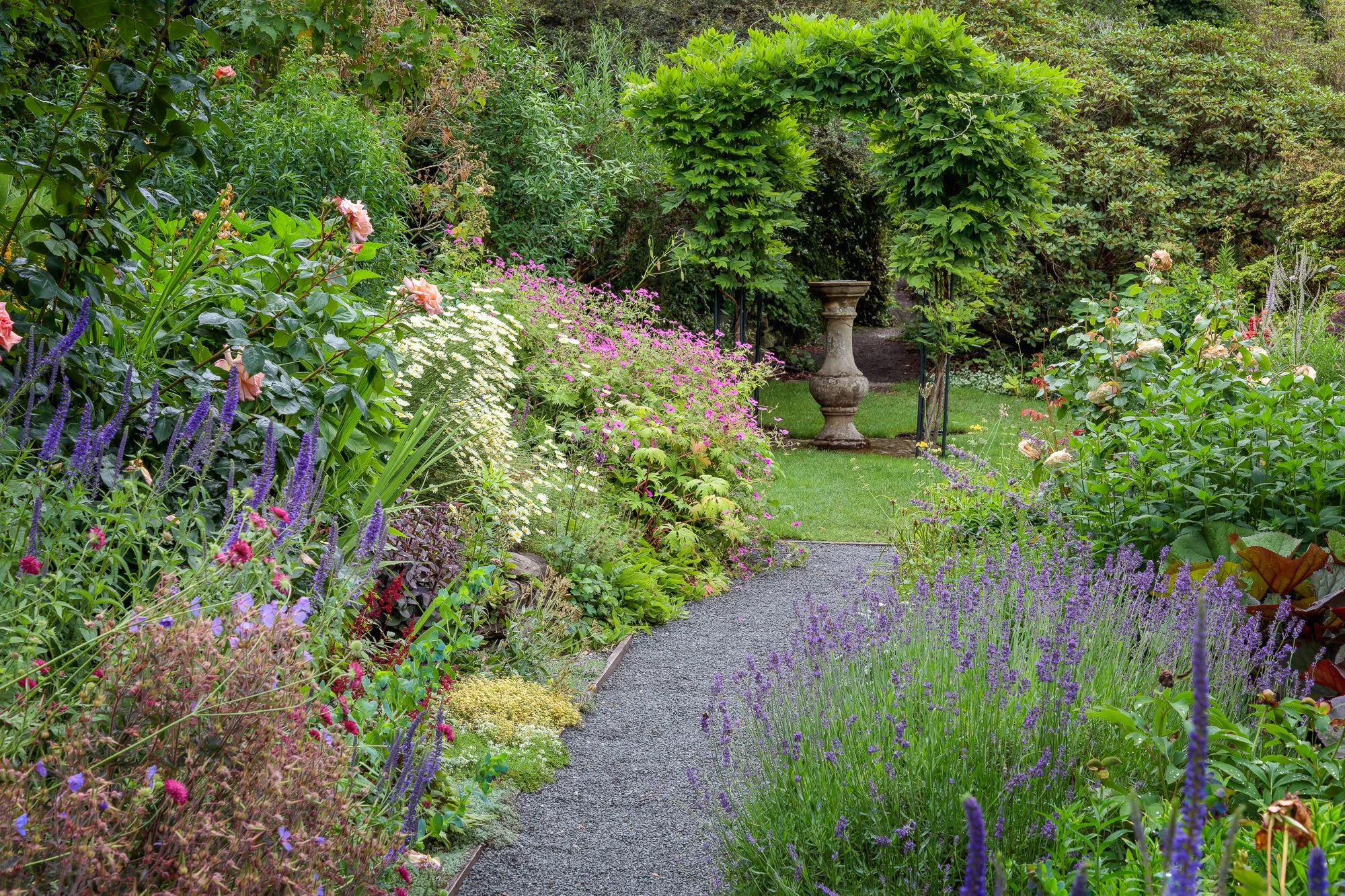
This is definitely not a garden resting on its laurels. Instead the impression is of a living collection of fascinating plants rather than a relic preserved in aspic. There's a spirit of adventure and experimentation at play, exemplified by the many recent additions which are pushing at traditional climatic boundaries. Will every bet pay off in Perth? Possibly not, but nothing ventured, nothing gained seems to be the attitude now as it was back in the 1920s. And who doesn't love a garden that sells its own surplus arisaemas?
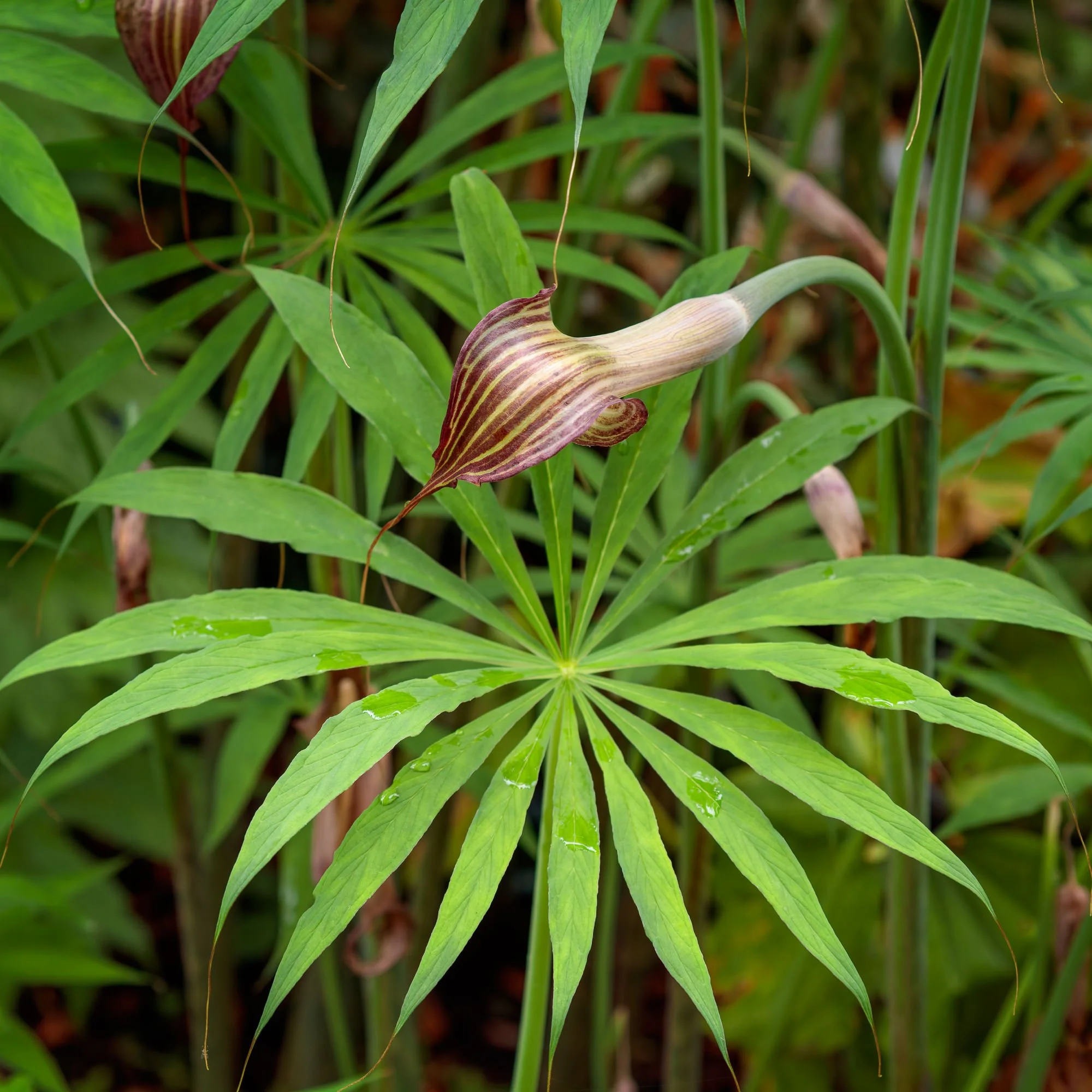
Branklyn achieves something extraordinarily difficult. One of the widest plant collections in Scotland never becomes merely a collection of curiosities but remains a coherent garden imbued with its own personality whatever the season. The Himalayan poppies may steal the headlines but they're far from the whole story. This is a garden that repays close attention. Dorothy Renton thought it would appeal to "the enthusiast who goes round the garden at five minutes a step". I couldn't agree more.
More information here: https://www.nts.org.uk/visit/places/branklyn-garden